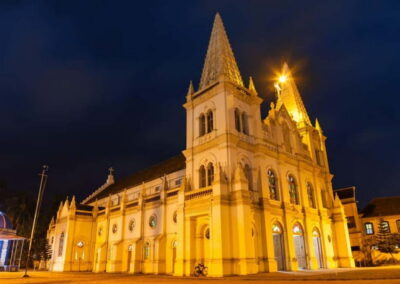
Three temple towns in one long day.
This private outing traces the Chalukyas’ rise in architecture through Badami cave temples, Aihole’s stone shrines, and UNESCO Pattadakal. I like that the route is built around one continuous story of design changes, so you see patterns instead of isolated monuments. The other big win is the human part: with guides such as Kotresh, Chandragund Katigeri, and Ramesh, the art becomes talkable, not just viewable.
You get real value for the time too: an early 8:00 am start, roughly 11.5 hours total, and stops spaced to actually look—not just snap photos. The one drawback to consider is simple physics: it’s a full day of driving plus walking, including uneven cave-temple terrain at Badami, so plan for comfort and heat.
In This Review
- Key things to know before you go
- Why Badami, Aihole, and Pattadakal feel like one story
- Morning pickup and the pacing of an 11.5-hour day
- Badami Caves: red sandstone scale and Agastya Lake views
- Aihole’s stone-temple timeline and the Parashurama legend
- Pattadakal and the Visara-style showdown at Virupaksha Temple
- How the guide changes the whole day
- Price and value: what $155 per person really buys
- What to pack and how to handle the pace
- Who this tour fits best
- Should you book this full-day private route?
- FAQ
- What is the tour duration?
- What time does the tour start?
- Is this a private tour or a shared group tour?
- Do you offer pickup?
- Where does the meeting happen?
- How much does the tour cost?
- Are admission tickets included?
- What ticket format do I receive?
- Who operates the tour?
- What is the cancellation policy?
Key things to know before you go
- A Chalukya learning route, not three random stops: the architecture shifts in ways you can spot as you move between sites.
- Badami’s red-sandstone cave halls: you’re looking at rock-cut spaces with major scale and pillar-lined interiors.
- Aihole’s temple density: more than a hundred stone temples spread out over the area, starting from the 5th century.
- Pattadakal’s UNESCO “style showcase”: you’re focused on the Visara style and its standout Virupaksha Temple.
- Guides who turn carvings into explanations: multiple guides are noted for clear, confident explanations (and even a sense of humor).
- Private day, manageable pace: you travel with only your group, with admissions handled per stop.
Why Badami, Aihole, and Pattadakal feel like one story
These places sit in the Malaprabha river valley, and the Chalukyas basically used the area as their temple workshop. When you visit only one site, you can miss the evolution. When you visit all three in one day, the shifts in form and style become obvious.
Badami gives you the rock-cut beginning: temples carved into red sandstone, with cave halls and sculpted figures that feel built into the earth. Aihole works like a syllabus of experiments. It’s known for a huge cluster of stone temples dating from the 5th century onward, so you can compare shapes, sizes, and details without needing a museum context.
Then Pattadakal brings the moment of refinement—especially through the UNESCO-recognized Visara style. The grand Virupaksha Temple anchors the site, tied to Queen Lokamahadevi and dated to the 8th century. You’re not just sightseeing; you’re watching a tradition mature.
You can also read our reviews of more private tours in Hampi

Morning pickup and the pacing of an 11.5-hour day
The tour starts at 8:00 am and runs about 11 hours 30 minutes. That timing matters because these sites are spread out enough that you’ll want the morning light for good viewing and the afternoon for slower, detail-focused looking.
You’ll have a private setup, with pickup offered, and the tour is only for your group. That’s a big deal for a day like this. You can move at a human pace, pause for questions, and avoid the typical bus-stops-and-rush feeling.
Admissions are handled per stop in different ways: Badami and Pattadakal list admission ticket free, while Aihole’s admission is included. The practical result is that your time stays cleaner. You’re not spending the day hunting ticket counters or trying to figure out what’s included.
One more practical note: the tour company, Five Senses Walks, is described as recognized by India’s Ministry of Tourism and a member of IATO. You’re also told the tour is designed to support local livelihoods, including local guide employment and support for local businesses—so the day is likely to run with that in mind.
Badami Caves: red sandstone scale and Agastya Lake views
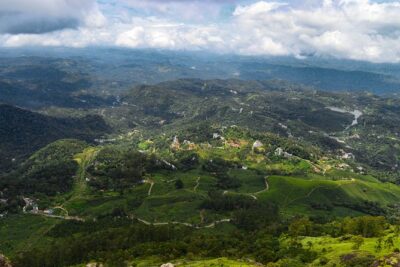
Badami is set in a ravine at the foot of red sandstone hills, with Agastya Lake as a visual bonus. Even before you’re inside the caves, the setting helps you understand why people carved temples here: the terrain provides a natural dramatic backdrop.
The caves are made from red sandstone, and you’ll find cave interiors such as a hall with numerous pillars. This is where you want to slow down. Pillars sound boring until you stand among them and notice how space is shaped for viewing and movement. You’re seeing stone cut to behave like architecture—columns and halls that feel like they were designed for human scale, not just as shelter.
Also, Badami’s sculptural work tends to feel bold because the material and the depth of carving do part of the drama for you. In the accounts I’ve read, people highlight the huge red-stone sculptures and the sense of climbing up into something special, especially when they make it to viewpoints above the caves.
Potential drawback: cave temples can mean uneven footing and stairs. If you know you get tired walking in heat, this is where you’ll feel it first. Wear solid shoes and plan on some gradual steps.
Aihole’s stone-temple timeline and the Parashurama legend
Aihole gets a reputation for quantity, but it’s not random quantity. The area is known for more than a hundred stone temples dating from the 5th century onward, which makes it a living timeline in brick-and-stone form.
A big part of the appeal is that Aihole feels like an outdoor classroom. You can compare temple styles and layouts without needing to memorize museum labels. If you like noticing proportions and how different parts of a temple relate to each other—entrances, columns, and carvings—Aihole rewards you.
There’s also a legend attached to the place: it’s said to be where Lord Parashurama washed his axe after killing the Kshatrayas. Legends like this often show up for a reason. They tell you what the place meant to people over time, not just what archaeologists can date.
You typically get about 1 hour 30 minutes here, and admission is included. That’s enough time to focus on a handful of the most interesting temples rather than trying to see everything. My advice: pick your priorities at the start with your guide, then let the time work for you.
Pattadakal and the Visara-style showdown at Virupaksha Temple
Pattadakal is a UNESCO World Heritage site, and that status changes your expectations. You’re not just looking at temples; you’re looking at a recognized “master class” of architecture.
The standout theme is Visara style architecture, and the grandest temple is the Virupaksha Temple. It was built in the 8th century by Queen Lokamahadevi, dated to 745, and the temple’s purpose is tied to a commemoration described as a victory. Even without turning it into a textbook, that sense of intention shows in the scale and the careful composition.
Pattadakal often feels more “complete” than Badami because you’re dealing with free-standing architecture rather than cave cutouts. That shifts your viewing angle. You want to walk around enough to see how structure meets detail, and you want to look long enough to notice how carvings and architectural lines guide your eyes.
Your time at Pattadakal is also about 1 hour 30 minutes, and admission is listed as free. In practice, that means you’ll likely spend the middle of your day here, after you’ve already built context at Badami and Aihole.
How the guide changes the whole day
A day like this lives or dies by interpretation. Stand near a carving and it’s just shapes. Stand near a guide who can explain what those shapes signal, and suddenly the stone has a voice.
In the outings described with this tour, guides such as Kotresh and Chandragund Katigeri are praised for clarity and humor, and one guide described in the accounts is almost like a professor—someone who can point out details and keep the story moving without turning it into a lecture you can’t follow.
Even Ramesh is mentioned as a guide people met at Aihole and then started covering the route from there. That matters because the day is strongest when the guide helps you make connections quickly: how one design choice relates to another, and how a style shift shows up in the next stop.
What I’d look for when you meet your guide:
- Ask what to notice first at each stop (temple layout, sculptural themes, or style cues).
- Use your energy wisely: caves early, then focus on comparative looking later.
- If you’re not sure where to stand for the best views or best angles, ask. A good guide will save you time and give you the right perspective without fuss.
Price and value: what $155 per person really buys
At $155 per person, this isn’t a “cheap and cheerful” transfer. It’s a private full-day structure that combines three heritage sites and a guide.
The value logic is pretty straightforward:
- You’re paying for a private day (not just a ticket to each site).
- You’re getting a guide-focused experience across Badami, Aihole, and Pattadakal—a route most people would struggle to plan smoothly on their own in a single day.
- Admissions are not uniform, but they’re handled as part of the stop plan: free admission listed for Badami and Pattadakal, and included admission for Aihole.
- The company’s mission is described as supporting local livelihoods through local guides and local business support, which usually means the day isn’t built to extract money from the area and vanish.
Also, the tour notes group discounts and a mobile ticket, which are small details that add up on a day that’s already long. And with an average booking lead time of 105 days, you’re seeing that this is in demand—often a sign that it’s a reliable way to do a tight heritage schedule.
What you should weigh against the price: if you already have a strong driver-guide setup or you love independent exploration, you could do it cheaper. But if you want the architecture story made clear in real time, private guidance is where the money turns into understanding.
What to pack and how to handle the pace
This is a full day—11.5 hours is no joke, especially in a place where morning warmth can still build quickly.
Bring:
- Comfortable shoes for cave steps and uneven ground at Badami.
- Water and something light to snack on between stops.
- Sun protection (hat, sunscreen), because temple time tends to be time spent outside or near exposed entrances.
- A light layer for early morning comfort and long hours.
Timing-wise, you’re starting at 8:00 am. That helps because you can get moving while other crowds (and heat) are still building. But the schedule will still feel like a lot of moving around, so don’t plan a late-night activity for that day.
One more practical benefit: because it’s private, you can adapt pacing. If your group wants extra time at a specific carving or needs a restroom break, you’re more likely to get a response that fits your needs instead of waiting for a bus schedule.
Who this tour fits best
This tour is a great fit if:
- You care about architecture and want to understand how styles evolved.
- You want three major sites without the hassle of route planning and time juggling.
- You prefer a guide to point out what matters in the stonework.
It’s less ideal if:
- You want a slow, wandering day with minimal driving.
- Your group hates steps, uneven cave terrain, or long outdoor walking.
- You’re looking for a purely scenic day with minimal historical context.
Should you book this full-day private route?
I’d book this if you want maximum clarity on Chalukya-era temple design in one day. The combination of Badami’s cave halls, Aihole’s dense stone temple field, and Pattadakal’s UNESCO centerpiece at Virupaksha gives you a strong before-and-after feel. And the emphasis on knowledgeable guidance—often with humor and detailed pointing—helps you actually see what you came for.
I’d hesitate if anyone in your group struggles with long days or uneven steps. In that case, it may be worth planning fewer stops or asking your provider about how they handle pacing and time inside the caves.
If you’re the type who likes connecting the dots, this route will do it. If you just want quick photos, you might find the day heavy. But if you show up ready to look closely, it’s the kind of day that makes the stones feel like they’re telling a story.
FAQ
What is the tour duration?
The tour runs for approximately 11 hours 30 minutes.
What time does the tour start?
The start time is 8:00 am.
Is this a private tour or a shared group tour?
It’s a private tour/activity, so only your group participates.
Do you offer pickup?
Yes, pickup is offered.
Where does the meeting happen?
The meeting points are near public transportation.
How much does the tour cost?
The price is $155.00 per person.
Are admission tickets included?
Badami is listed as admission ticket free. Aihole is listed as admission ticket included. Pattadakal is listed as admission ticket free.
What ticket format do I receive?
You get a mobile ticket.
Who operates the tour?
The experience provider is Five Senses Walks.
What is the cancellation policy?
Free cancellation is available up to 24 hours in advance for a full refund.