REVIEW · HYDERABAD
Temples and Tales of Kakatiya’s A Journey Through Time and Stone
Book on Viator →Operated by Hyderabad by locals · Bookable on Viator
Kakatiya temples feel like they speak. This 10-hour Hyderabad day trip connects the dots between Ramappa Temple, the Thousand Pillar Temple, and Warangal’s older stonework, with a guide explaining why the Kakatiyas were so technically sharp. I especially love how the stop-by-stop storytelling makes the architecture feel understandable, not just impressive. I also like the early-morning start and air-conditioned ride that keeps the day moving without turning into a grind. The main catch is simple: you’ll need moderate stamina for temple grounds, plus an early start that might not suit late sleepers.
If you’re the kind of person who likes facts with a human voice, this tour leans in hard on that. Guides on this route often focus on construction methods and symbolism, so you’re not just checking boxes—you’re learning what to actually look for. The vibe is relaxed too, and because it’s private, you’re not stuck pacing with strangers.
In This Review
- Key reasons this Kakatiya day trip is worth your time
- Why Kakatiya temples still stop people in their tracks
- Ramappa Temple: UNESCO-grade Shiva temple and the construction clues
- Thousand Pillar Temple at Hanamkonda: why pillars still draw a crowd
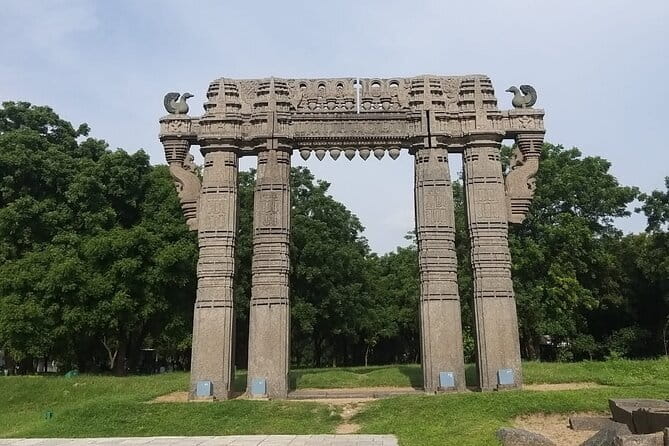
- Warangal Fort: the stone identity behind Orugallu
- Getting there smoothly: early start, AC comfort, and a long day
- Price and value: what $210 covers (and why it matters)
- Guide quality: Srinu and Kusuma Suryakiran make the stone readable
- Is this tour for you? A quick fit check
- FAQ
- How long is the Temples and Tales of Kakatiya tour?
- What time does the tour start in Hyderabad?
- Is pickup included?
- Is lunch included?
- Are the monument entry tickets included?
- Do I get an English speaking guide?
- Is the tour private?
- Can I cancel for a full refund?
- Should you book this Kakatiya temples day trip?
Key reasons this Kakatiya day trip is worth your time
- Ramappa Temple’s UNESCO-level details: you’ll be guided through what makes it special, not just where it is.
- The Kakatiya triple T idea (Temple, Tank, Town): it ties spirituality, water, and city planning into one story.
- Thousand Pillar Temple’s 12th-century craftsmanship: pillars aren’t just decoration; they’re part of the design logic.
- Warangal Fort and the meaning of Orugallu: you’ll connect names, time periods, and the city’s stone identity.
- Engineering-style talk: floating-brick and sand-box style construction concepts show up in the explanation.
- English guide + included tickets + lunch: the day stays easy to plan and easy to pay for.
Why Kakatiya temples still stop people in their tracks
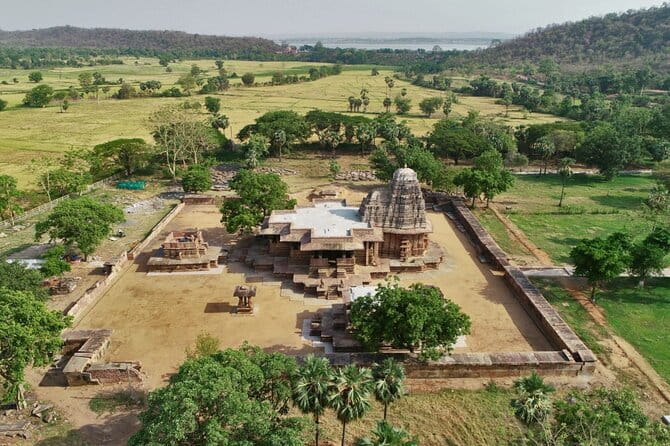
The Kakatiyas didn’t build only to impress rulers. They built for daily life—ritual, water, and community—so the temples feel connected to real routines, not museum pieces. As you move through Ramappa, then Warangal, then the Thousand Pillar Temple area, you get a clear timeline of style and purpose.
I like that the tour frames the dynasty using a simple logic you can remember: Temple, Tank, Town. That matters because it stops the day from becoming random sightseeing. Instead, you start asking smarter questions like why water systems mattered, and how urban space supported religious life.
You also get a technical thread running through the day. The Kakatiya construction methods and ideas about light are the kind of things you might hear described as challenging even for young engineers—so you end up looking at carvings, angles, and material choices with new respect.
The day works especially well if you enjoy architecture, sculpture, and “how did they do that?” conversations. If you only want quick photos, you might feel a bit of pressure to keep up with explanations, because the guide talks in a structured way at each stop.
You can also read our reviews of more tours and experiences in Hyderabad.

Ramappa Temple: UNESCO-grade Shiva temple and the construction clues
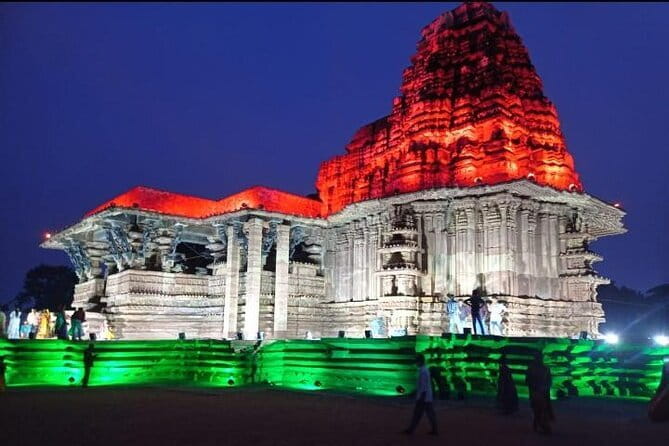
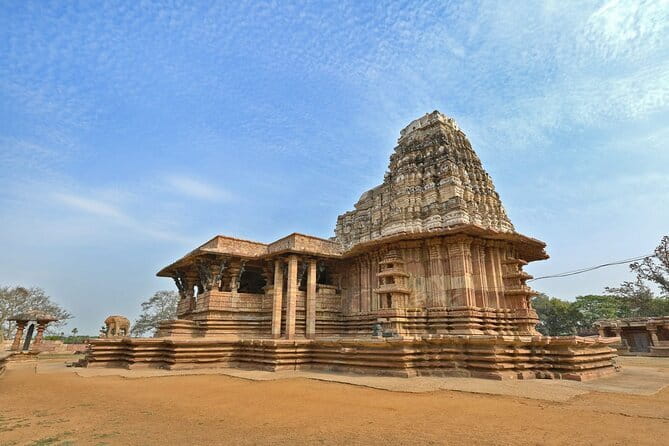
Ramappa Temple, also known as the Rudreshwara temple, is dedicated to Shiva, and it’s treated as one of the signature Kakatiya works. The day trip includes admission, so you’re not playing ticket chess while the morning is still cool.
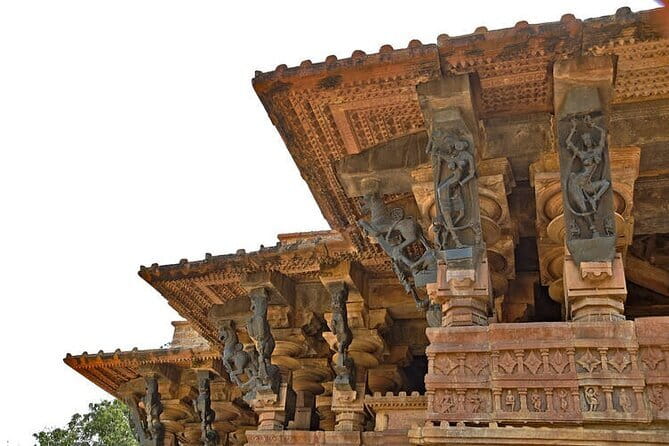
What I’d focus on at Ramappa is the way the guide helps you interpret the building as a system. You’re not just looking for a “pretty temple.” You’re learning how Kakatiya temple design and craftsmanship connect to engineering ideas. You may hear references to concepts like floating bricks, plus a sand-box style approach to building—details that turn a monument into an explanation.
The timing also helps. Ramappa is often the first stop because the light of the early morning makes it easier to see the surface work and the sculptural textures. With the guide’s pacing, you can look longer without feeling like you’re slowing the group down.
One more detail worth mentioning: the temple includes an inscription that notes construction in 1213 CE, associated with a person named Recharl. Even if you don’t read inscriptions yourself, the guide’s mention gives you an anchor point for the era, which makes the visit feel grounded in dates, not vibes.
What to watch for: don’t rush. Ask the guide to point out why certain elements look the way they do. That’s where the magic is—when explanation and stonework line up.
Thousand Pillar Temple at Hanamkonda: why pillars still draw a crowd
The Thousand Pillar Temple is one of Warangal’s most popular stops, and it sits at the base of Hanamkonda hill. It’s a 12th-century Kakatiya work built by King Rudra Deva, and that royal detail matters because it places the temple within a specific moment of rule and style.
Here’s the practical value: the pillars aren’t just a headline. With a good guide, you start noticing how the pillar design supports movement through the space and frames views. That can change how you experience the place from outside-in, because you realize the interior and exterior are part of one design language.
In the tour setup, you’re also covered for entry with tickets included, so you can concentrate on the architecture rather than logistics. The guide’s job is to help you connect the “thousand” theme to real design features you can actually spot.
From the guide praise on this route, I’d expect clear, patient explanations here too. One highlight from recent visitors is how guides took time with kids while still keeping the story engaging, which tells me the tour isn’t just lecture mode. You can usually ask small questions and get straight answers.
Possible drawback: this stop can be visually busy because there’s so much stonework. If you prefer quiet, minimal talking, you might want to lean into the guide for only the key explanations, then take your own time for photos afterward.
Warangal Fort: the stone identity behind Orugallu
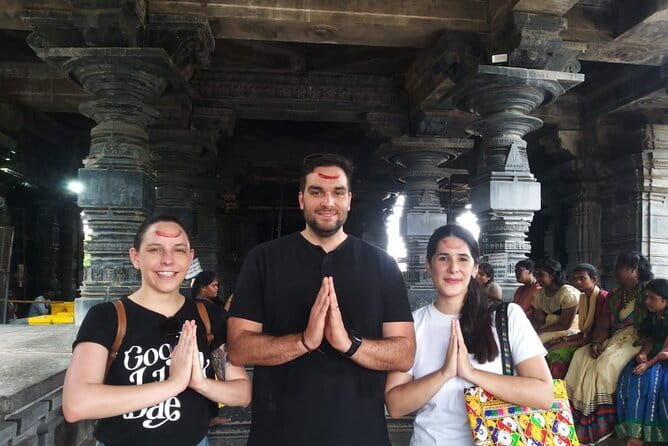
After the temples, Warangal Fort gives the day a different flavor: defense, city power, and the long life of stone in a place. The fort dates to the 13th century, which helps you feel the shift from temple-centered storytelling to the bigger picture of rule and protection.
The city name itself is part of the experience. Warangal is tied to the Telugu word Orugallu, where Oru means one and gallu means stone. The tour also notes Warangal is known as Ekasila Nag… (the full name is truncated in the details you’ll see, but the meaning of one stone is clear). Even without the complete nickname, the point lands: this is a place whose identity is literally wrapped in stone.
I like how Warangal Fort works as a “pause and reset” stop. You get a break from close reading of carvings, and you can step back and see how different parts of the city’s story connect. It also gives you a chance to absorb the Kakatiya legacy beyond worship buildings.
If you’re history-minded, this is the moment where you start mapping dates and styles. A temple you visited in the 12th century feels different once you’re looking at fort-era 13th-century context. The day becomes a timeline you can feel.
What to do: bring a curious attitude and ask one question like, Why does a fort belong in a temple-focused story? A good guide can usually connect those dots through how power supported faith and cities.
Getting there smoothly: early start, AC comfort, and a long day
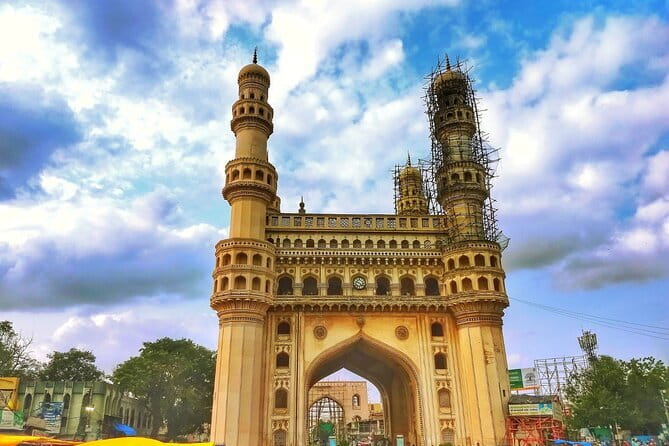
The tour runs about 10 hours and starts at 7:00 am. One review notes a 6:30 am start, so expect an early wake-up. The upside is you’re out before crowds and before the heat climbs too hard.
Transport is handled with an air-conditioned vehicle, and there’s pickup offered. For a day trip that includes multiple monuments, this is a real quality-of-life feature. You’re not figuring out buses, timing, or which ticket lines to chase.
The day is also set up as a private tour, meaning it’s just your group. That affects how smoothly questions get answered. If you want the guide to slow down at Ramappa to focus on one detail, you can usually do that without feeling like you’re holding up strangers.
Since the tour asks for moderate physical fitness, plan on some walking on uneven ground typical of temple sites and forts. You don’t need to be an athlete, but you should wear comfortable shoes and expect stairs or short climbs.
Also, you’ll get mobile tickets, which is handy when you’re moving quickly between sites. It reduces friction when you reach each monument.




Price and value: what $210 covers (and why it matters)
At $210 per person, the price sounds straightforward—but the real question is what you don’t have to manage yourself. Here, several things are included that usually cost extra on your own.
You get lunch, an English speaking guide, air-conditioned vehicle, and all fees and taxes. Most importantly, all monument tickets are included. That means your money is mainly buying time, guidance, and admission access rather than add-ons.
For a 10-hour day, that’s often good value if you care about context. If you were to plan it yourself, you’d still need transport across the sites and you’d probably end up paying for individual entries anyway. The guide is the differentiator: it’s how you learn what to look for, especially at places like Ramappa where details can be easy to miss.
One extra thing: the reviews emphasize patience and explanation quality. When a guide understands that families and curious questioners exist, the tour becomes worth more than the ticket itself.
Who should consider the price carefully: if you mainly want casual photos and don’t care about architectural explanation, you might find a self-guided plan cheaper. If you do care—this price tends to feel fair.
Guide quality: Srinu and Kusuma Suryakiran make the stone readable
This is the part that often decides whether a temple day feels like memories or just screenshots. Several guides connected to this tour route earn praise for staying calm, patient, and clear.
Srinu is specifically mentioned as excellent and entertaining, with people appreciating his deep explanations. One review highlights that Srinu was especially kind and patient with kids aged 10, 6, and 1. That’s not a small detail; it usually means he adapts his pace and keeps questions from feeling like a burden.
Another name you’ll see is Kusuma Suryakiran, described as an amazing guide who explained the history of the Kakatiya dynasty, architectural details, and even construction techniques. That kind of attention helps at Ramappa, where the stonework rewards slow looking.
You’ll also hear that guides take time on sculptures and construction logic, not only general facts. That’s how you end up leaving with a better eye: you stop asking only where something is, and you start asking why it’s shaped that way.
Practical advice: ask the guide to point out one or two details you might otherwise skip. If you want your photos to look better too, this approach helps because you’ll know where the design lines pull your attention.
Is this tour for you? A quick fit check
I’d recommend this tour if you’re into temples, architecture, and the story behind how places work. It’s also a strong match for spiritual curiosity, since the stops focus on Shiva and Kakatiya religious life. If you like an orderly day with a guide who can answer small questions without judgment, you’ll likely enjoy it.
It’s also good for families, based on how guides handled young children while keeping the content meaningful. The private format helps too, because the guide can respond to your group’s needs.
Think twice if you dislike early starts and you want a very low-walking day. Moderate fitness is requested, and the full loop takes around 10 hours. Also, if your travel style is short attention span only, the guided explanation style may feel like too much.
Finally, if you’re already an expert on South Indian temple architecture, you might find the explanations vary in depth depending on the guide. But the included admission and structured route still offer practical value.
FAQ
How long is the Temples and Tales of Kakatiya tour?
It runs for about 10 hours.
What time does the tour start in Hyderabad?
The start time is 7:00 am.
Is pickup included?
Yes, pickup is offered.
Is lunch included?
Yes, lunch is included.
Are the monument entry tickets included?
Yes, all monument tickets are included.
Do I get an English speaking guide?
Yes, an English speaking guide is included.
Is the tour private?
Yes, it’s a private tour/activity, and only your group participates.
Can I cancel for a full refund?
You can cancel up to 24 hours in advance for a full refund.
Should you book this Kakatiya temples day trip?
If you want a structured way to see Ramappa, the Thousand Pillar Temple, and Warangal Fort in one day—without ticket hassles—and you care about explanations that connect architecture to Kakatiya life, I’d book it. The combination of guide + lunch + air-conditioned transport + included admission usually adds up to better value than trying to stitch the day together yourself.
If you hate early mornings or you want a self-paced tour where you can wander silently, then this might feel too guided. But if you like learning what to look for, this is the kind of trip that turns stone monuments into something you can actually describe.