REVIEW · PUDUCHERRY
Pondicherry: Indian Cooking Class with Market Visit
Book on GetYourGuide →Operated by SITA CULTURAL CENTRE · Bookable on GetYourGuide
Spices start before you ever cook. In Puducherry, this 3-hour class pairs a hands-on Indian cooking lesson with a guided stop at a local vegetable market, so you learn what ingredients mean before they hit the chopping board. You cook with a small group (up to 10) and finish with a meal you made in a garden setting, plus an e-booklet of the recipes afterward.
I love that you’re not stuck watching. You’ll be doing the work—chopping vegetables, grating coconut, handling spices—while your instructor keeps things step-by-step and answers questions in English, Hindi, or French (examples of guides include Saranya, Krishti, and Keerthi). I also like the menu flexibility, including options that can range from South Indian favorites like sambar and meen kozhumbhu to North Indian comfort food like palak paneer, plus vegan choices.
One thing to consider: the experience can depend heavily on the actual kitchen setup. Some people have reported the space as tight and not very hygienic, and there have been complaints about not covering the full menu promise—so if cleanliness or meal variety is a big deal for you, ask ahead and set expectations clearly.
In This Review
- Key highlights you’ll feel right away
- Market Mission in Puducherry: Seeing the Spice Story Up Close
- How the Hands-On Class Really Works (And Why Small Groups Help)
- Choosing Your Menu: From South Indian Staples to Vegan Picks
- The Garden Table: Eating What You Made in Pondicherry
- Price and Value: Why $24 Can Be a Steal Here
- Language, Allergies, and Kids: Practical Planning for a Smooth Evening
- One Possible Catch: Tight Kitchen Setup or Menu Expectations
- Who Should Book This Pondicherry Cooking Class?
- Should You Book?
- FAQ
- What does the class include?
- How many recipes will I cook?
- Can I choose vegetarian, non-vegetarian, or vegan options?
- What languages are the instructors?
- Is it suitable for children?
- What should I bring?
Key highlights you’ll feel right away
- Market tour that teaches ingredients, not just shopping: you’ll walk with the instructor, learn what spices and vegetables are, and pick fresh items along the way.
- Hands-on cooking with real prep work: you should expect to chop, grate, and cook through multiple steps yourself.
- Choose about four recipes: pick from vegetarian, non-vegetarian, South Indian, North Indian, and even vegan menus.
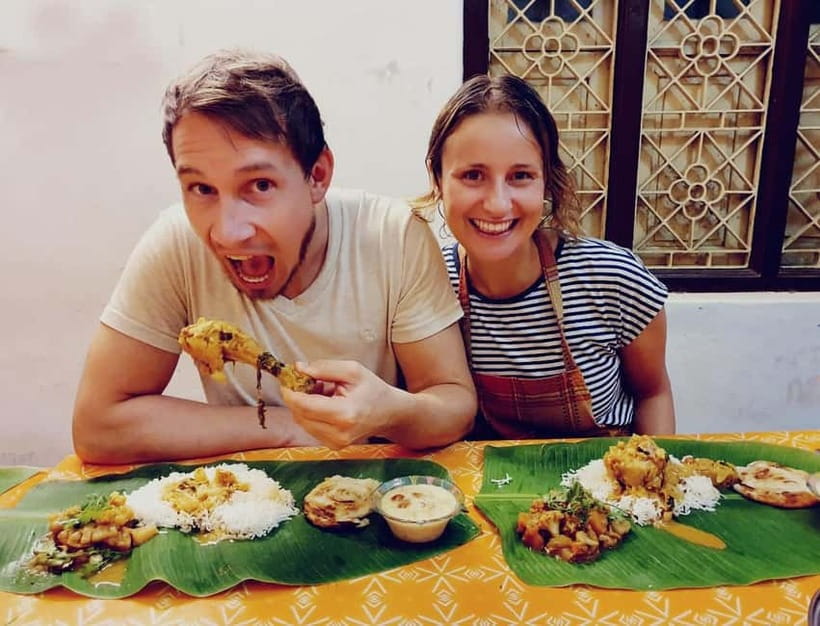
- Finish with a garden meal: you’ll eat what you prepared together, often in a relaxed outdoor setting.
- Good value for $24 when everything is included: ingredients, market transport by autorickshaw, and the meal you make are included, plus you get an e-booklet after.
Market Mission in Puducherry: Seeing the Spice Story Up Close
The first “class” happens before the pots come out. You head to a local vegetable market with your instructors, traveling there by autorickshaw as part of the experience. This matters because Indian cooking is ingredient-led. Once you see the produce and spices in person, the recipes stop feeling abstract.
At the market, your guide points out items you might not recognize and explains what they do in the kitchen. You’ll learn how common things differ by region, and you’ll also get context for spices—what they’re used for and how to combine them. Expect a mini-tour vibe: vendors calling out, lots of color, and a sensory overload that’s fun if you’re comfortable taking your time and asking questions.
If you’ve never handled whole spices (or bought vegetables beyond what you see in a supermarket), this is where you get your bearings. And if you have cooked Indian food at home, it’s still useful. You’ll spot differences in ingredient quality and how fresh produce can change the final taste—especially with dishes that depend on vegetables and fresh herbs.
Where to pay attention: don’t only watch. When your instructor offers explanations, think about the recipe step you’ll do later—like grinding, tempering, or building a gravy base. That mental link turns the market into part of your cooking plan.
You can also read our reviews of more shopping tours in Puducherry
How the Hands-On Class Really Works (And Why Small Groups Help)
Back at the cooking school, you shift from “what is this?” to “how do I use this?” This is a hands-on format with cooking happening step-by-step. The class is limited to a small group—up to 10 participants—which is a big deal in a kitchen setting. You’re more likely to get direct help when you’re unsure about chopping size, spice amounts, or timing.
You’ll work through prep tasks like chopping vegetables and grating coconut. That may sound basic, but those steps are where Indian cooking often either works great or goes sideways. The instructor keeps the flow structured, and you can ask about substitutions, spice variations, or what changes if you pick different ingredients.
Another practical upside: your instructor can adjust the menu to match what you want to eat and what you can handle. Some people have had menus adapted with ingredients they didn’t know before—like banana stem—so you’re not locked into one rigid plan. If you have dietary needs, this is also where mentioning them early really helps.
What you should do: come with curiosity, not confidence. If you’re unsure about cumin, coconut, or lentils, that’s normal. Ask questions. When the instructor explains, take notes for the e-booklet you’ll get afterward.
Choosing Your Menu: From South Indian Staples to Vegan Picks
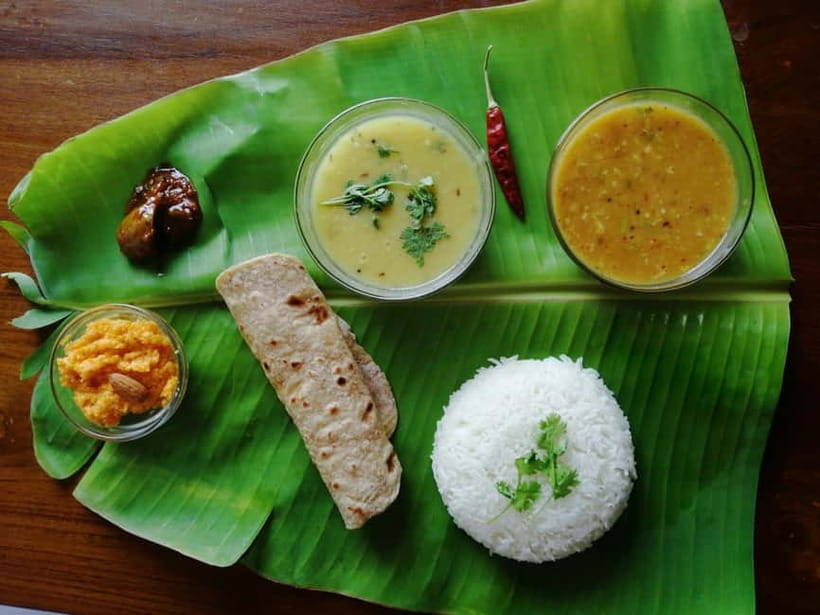
The menu choice is one of the strongest parts of this experience. You’ll cook around four recipes you select, with options spanning vegetarian, non-vegetarian, South Indian, North Indian, and vegan. That flexibility makes the class work for mixed groups—say, someone who wants chicken curry and someone who wants a plant-based meal.
Some dishes commonly included in menus (based on what’s been offered) include:
- Meen kozhumbhu (a Pondicherry-style fish curry)
- Sambar (lentils and vegetables gravy)
- Carrot halwa (a sweet with carrots and traditional flavoring)
- Palak paneer (spinach and cottage cheese, popular North Indian comfort food)
- Chicken chettinad (spiced chicken with a bold South Indian profile)
Even if you don’t pick those exact dishes, the lesson behind them is transferable: how to build flavor with spices, how to balance heat and sourness, and how to finish a dish so it tastes “right,” not just cooked.
If you’re vegan or vegetarian, this class can still feel expansive. You’ll learn how lentils and vegetables do the heavy lifting, and you’ll see how coconut and spices support creamy textures without dairy (depending on the recipes chosen). Non-vegetarian options exist too, so you won’t feel like the class is only designed for one type of eater.
Two things that help you choose:
- Think about what you can recreate later. Dishes like sambar and palak paneer tend to translate well to a home kitchen.
- Pick at least one “comfort” recipe and one “adventure” recipe. That way, you leave with both familiar wins and a new technique.
The Garden Table: Eating What You Made in Pondicherry
The class doesn’t end with a snack. It culminates in a meal you prepare, eaten together in a garden setting. That outdoor finish is part celebration, part learning. You get to taste your own cooking while everything is still fresh in your mind.
Dining outdoors also changes the vibe. Food tastes better when you’re not rushed and when you can chat about what you cooked—what felt easy, what took longer, and what you’d tweak next time. Some participants have described eating on items like banana leaves, which adds a local touch and makes the meal feel special without being staged.
This is the point where the market lesson clicks. The curry tastes like the spices you saw. The vegetables taste like the fresh items you handled. And you’ll probably understand why certain spices are added early versus late—because you’re tasting the result in real time.
Small tip: if you’re sensitive to spice, mention that upfront. Many Indian dishes can be adjusted, but it’s far easier to tailor while cooking than after the meal is already plated.
Price and Value: Why $24 Can Be a Steal Here
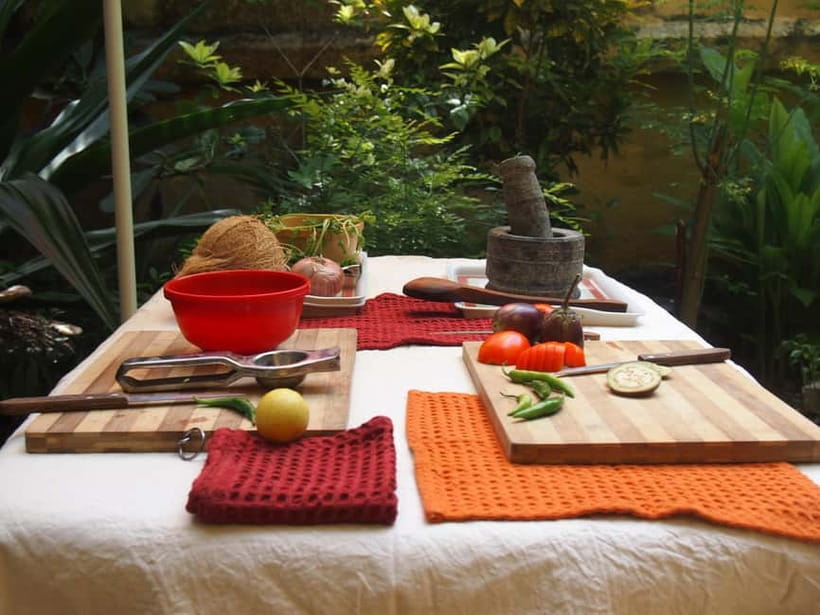
At $24 per person for about 3 hours, the value is mainly about what’s included. You’re getting:
- The ingredients and materials for the cooking session
- Transport for the market visit using autorickshaws
- The lunch/dinner you cook and eat
- An e-booklet sent afterward with recipes
The one thing not included: transport to and from the cooking location. If you’re staying central, that’s usually manageable. But if you’re farther out, build in time (and maybe a taxi or scooter plan).
So is it “cheap”? It’s not the same as buying groceries and cooking on your own, of course. But you’re paying for guidance, market context, and a structured cooking workflow where mistakes cost less than they would at home. In a place like Pondicherry, where you can eat well for relatively little, this class is less about saving money and more about buying an experience that teaches you how to cook, not just what to eat.
Also: the group size stays small. That improves your odds of getting help and feedback while you cook—something you won’t get from a generic cooking demo.
If you like practical travel value—hands-on learning, local ingredients, and a meal at the end—this price tends to make sense.





Language, Allergies, and Kids: Practical Planning for a Smooth Evening
This class runs with instruction in English, Hindi, and French. The instructor’s language capability is clearly listed, which is great for planning. Still, I’d treat language choice as important. If you’re booking in a language you’re counting on for full understanding, double-check that it matches what you expect on the day.
If you have dietary restrictions or allergies, mention them when you book. This isn’t just politeness—it’s how the menu gets adapted to fit what you can safely eat. The cooking format is flexible, and guides have been known to incorporate ingredients into the menu based on what participants want and what they learn at the market.
For families: kids above 6 years are welcome. That suggests the class is interactive enough for older children who can handle cooking prep tasks safely. Kids under 6 aren’t suitable, likely because the cooking and prep steps require more control and supervision than very young kids can manage.
What to bring: comfortable clothes (you’ll be doing hands-on prep), and a camera if you want market-and-kitchen photos. Smoking isn’t allowed.
One Possible Catch: Tight Kitchen Setup or Menu Expectations
For most people, the story is: market walk, hands-on cooking, friendly guidance, and a final meal you helped make. But there’s a caution worth taking seriously.
Some participants have reported a cooking space that feels cramped and described hygiene concerns. Others complained that they weren’t actually cooking the full set of dishes promised. That doesn’t mean it’s guaranteed to happen to you—but it does mean you should protect your expectations.
Here’s what you can do to reduce risk:
- Ask what the class usually covers when they say you’ll cook multiple recipes.
- If hygiene is a non-negotiable for you, ask about kitchen conditions before you go.
- If you’re traveling with specific dietary needs, confirm how adaptations work.
A good cooking class should feel safe, organized, and clear. If any part of that isn’t true, it can turn a fun evening into frustration fast.
Who Should Book This Pondicherry Cooking Class?
Book this if you want a guided way to learn Indian cooking that doesn’t stay theoretical. It’s ideal for:
- Food lovers who want to cook regional meals and learn spice logic
- People visiting Puducherry for the first time and want an authentic local-food experience
- Mixed groups, because menus can include vegetarian, non-vegetarian, and vegan options
- Anyone who likes travel moments that end with a meal you made (not just watched)
It’s less ideal if:
- You’re very sensitive about kitchen hygiene or space comfort
- You need a guaranteed exact menu lineup with no changes
- You’re bringing a child under 6
Should You Book?
I’d book it if your priority is learning—market ingredients plus a practical cooking workflow—with a meal at the end. The biggest reason: you’re paying for guidance and technique, not just eating. And with small group size, you’re more likely to leave confident about what to buy and how to cook.
But I’d also go in smart. If you care about cleanliness, language clarity, or exact recipe coverage, ask a few direct questions before you commit. If those check out, this is a solid $24 experience that turns Puducherry food into skills you can use long after you leave the table.
FAQ
What does the class include?
The class includes all ingredients and materials, transport to the market (using autorickshaws) and the market visit, the lunch/dinner you prepare, and an e-booklet sent after the class.
How many recipes will I cook?
You’ll cook around four recipes of your choice during the class.
Can I choose vegetarian, non-vegetarian, or vegan options?
Yes. You can choose from vegetarian, non-vegetarian, South Indian, North Indian, and vegan options (depending on what you select for your menu).
What languages are the instructors?
The class can be taught in English, Hindi, and French.
Is it suitable for children?
Kids above 6 years are welcome. Children under 6 years are not suitable.
What should I bring?
Bring comfortable clothes and a camera.