REVIEW · MADURAI
A Guided Cultural Immersion:Meenakshi Temple’s Night Ceremony
Book on Viator →Operated by Mandhir Darshan-Guided Temple Tours · Bookable on Viator
Madurai at night hits different. This guided look at Meenakshi Amman Temple’s evening ceremony shows the spiritual heart of the city in motion, not just in still photos. You’ll witness the Palliyarai Pooja, when Lord Sundareswarar is brought in a grand nighttime procession to the shrine of Goddess Meenakshi, surrounded by priests, sacred chants, and nadaswaram music.
I especially love how the guide helps you connect what you’re seeing to what it means. You’re not just standing there watching temple theater; you get explanations for rituals, symbolism, and temple architecture that are hard to piece together on your own.
One consideration: it’s still a temple evening with some walking and standing, and it’s not recommended for people with knee problems. If you have limited mobility, go in with realistic expectations for comfort.
In This Review
- Key Things I’d Not Miss During This Night Ceremony
- Why Meenakshi Amman Temple Makes Sense at Night
- Starting Point: Meenakshi Treasures and Easy Getting There
- The Ceremony Moment: When the Temple Becomes a Stage
- Palliyarai Pooja in Plain English
- Music, Chants, and the Tamil Shaivite Soundtrack
- What the Guide Helps You Spot (Beyond the Obvious)
- Price and Value: Is $29 Worth It?
- Practical Matters: Timing, Comfort, and How to Prepare
- Weather and Group Minimums: When Plans Change
- Who This Tour Is Best For
- Should You Book Meenakshi Temple’s Night Ceremony?
- FAQ
- What is the Meenakshi Temple night ceremony tour in Madurai focused on?
- How long does the tour last?
- Where does the tour start and end?
- What does the price include?
- What isn’t included in the tour price?
- Do I need to book in advance?
- Is this tour suitable for people with knee problems?
- Is it dependent on weather?
- What is the cancellation window?
Key Things I’d Not Miss During This Night Ceremony
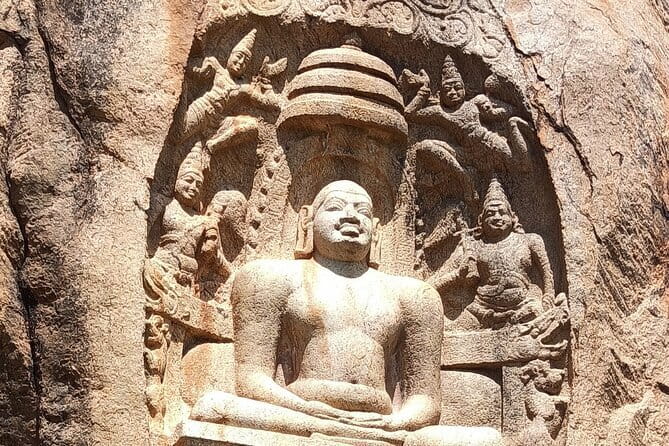
- Palliyarai Pooja night procession that brings Lord Sundareswarar to Meenakshi’s shrine
- Priests, hymns, chants, and nadaswaram that set the mood beyond what you can read in a guidebook
- A private local guide who explains what the ritual actions mean while you’re watching them
- A calmer time window in a huge complex, when the experience can feel more personal
- Foreigners’ entry fee included plus all fees and taxes, so you’re not chasing extras
Why Meenakshi Amman Temple Makes Sense at Night
Most first-time visits to Meenakshi Amman Temple are busy and bright. At night, the temple turns quieter in a way that matters. The ceremony becomes the focus, and you get a better sense of how the space works as a living place of worship—not just a monument.
This evening experience is built around the Palliyarai Pooja, a ritual centered on the movement of the gods and the meaning behind that movement. When Lord Sundareswarar is ceremonially taken in procession to Goddess Meenakshi’s shrine, the temple feels like a map you can read with your eyes and ears.
And because this is guided, you’re not left guessing what’s ceremonial action versus casual tradition. The guide is there to make the symbols click in real time.
You can also read our reviews of more guided tours in Madurai


Starting Point: Meenakshi Treasures and Easy Getting There
You’ll begin at Meenakshi Treasures on N Chitrai St in Madurai, near LIC, in the Gnanaolivupuram area. It’s a practical meeting spot that’s also close to public transportation.
That matters more than it sounds. Temple events can run into timing weirdness, and a meeting point you can actually find reduces stress. You’ll also end back at the meeting point, which makes planning the rest of your evening simpler.
The tour is listed as private, meaning it’s only your group. That usually helps if you have questions or want the guide to slow down at key moments.
The Ceremony Moment: When the Temple Becomes a Stage

After you enter the temple complex, the atmosphere shifts as the evening rituals begin. The space is massive, and the ceremony gives it a clear storyline. You’ll stay with the flow long enough to understand what’s happening, instead of moving on before things connect.
This is where the guided format pays off. Temple rituals can look like a sequence of costumes, movement, and sound. With a guide, you learn what to watch for: the structure of the event, why certain parts happen when they do, and how the procession ties into the relationship between Meenakshi and Sundareswarar.
The experience runs about 1 hour 30 minutes to 2 hours. That’s a sweet spot for most people: long enough for meaning, short enough to stay comfortable even after a hot day.
Palliyarai Pooja in Plain English
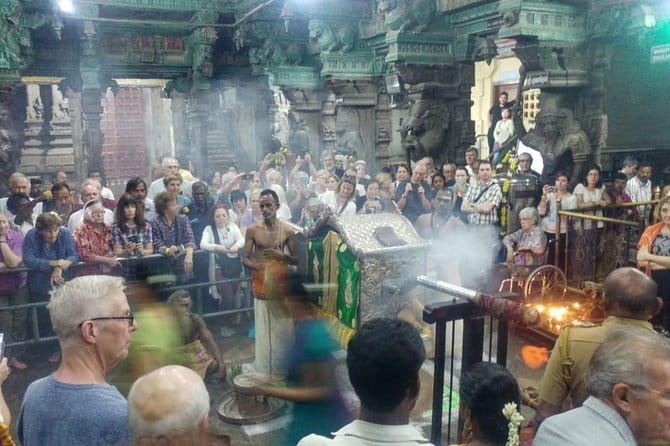
Think of Palliyarai Pooja as a nighttime devotional transfer—ritual action that expresses devotion through procession. During the ceremony, priests and musicians accompany the formal movement of Lord Sundareswarar to the shrine of Goddess Meenakshi.
What you’ll notice quickly is that the ceremony isn’t random. The structure is deliberate, and the soundscape is part of the language. The hymns and sacred chants support the ritual, while nadaswaram music adds intensity and rhythm.
The guide’s job here is to make you literate in what you’re seeing. You’ll get explanations for the ritual steps and the symbolism behind them, including how the temple’s design supports worship in a very practical way—routes, vantage points, and the way processions use space.
If you’re traveling with only a day in Madurai, this ceremony is one of the best ways to “learn the grammar” of the temple. It turns Meenakshi Amman into a story you can follow.
Music, Chants, and the Tamil Shaivite Soundtrack
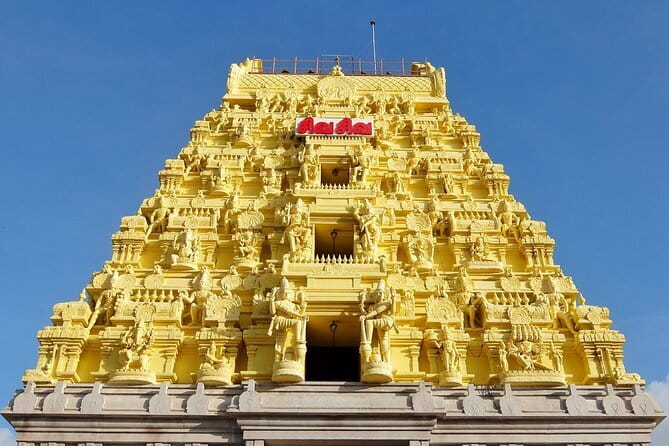
One of the strongest parts of this evening program is the combination of voices and instruments. You won’t just hear background music. You’ll hear music and chants tied to what’s happening in front of you.
Nadaswaram music, in particular, carries through temple spaces in a way that’s hard to replicate outside. It’s loud enough to feel physical, but it also stays structured—so it works like a cue system. When the procession and chanting align, it creates a sense of timing that’s central to the ritual experience.
This is also where many travelers appreciate having a guide, because the meaning of chants and the role of priests becomes clearer when someone translates the ritual logic into everyday understanding.
You’ll leave with the feeling that you didn’t just attend an event. You participated in a sequence of devotion.
You can also read our reviews of more evening experiences in Madurai
What the Guide Helps You Spot (Beyond the Obvious)
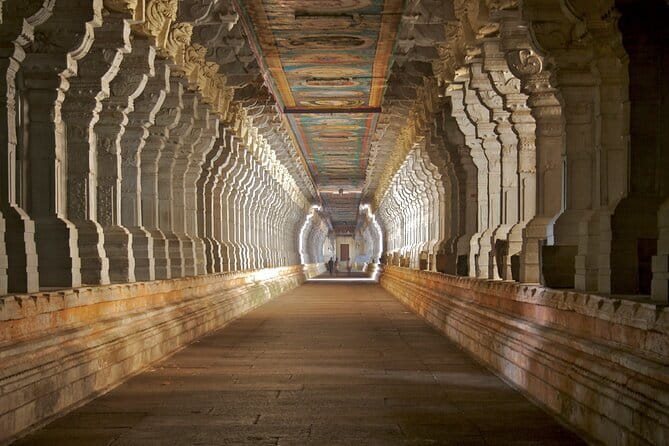
Even if you’ve seen Meenakshi Amman Temple in daylight, the night ceremony adds layers you might miss without direction. Here’s what a good guide helps you notice.
- Ritual symbolism: You start connecting actions to beliefs, not just watching them pass by.
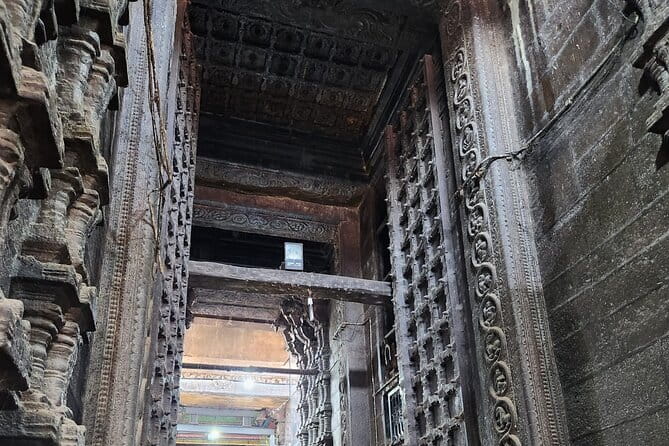
- Temple architecture in use: You see why certain spaces and pathways matter during worship.
- The living tradition aspect: The temple isn’t frozen in time; it’s actively maintained through ceremony.
From the way guides like Dhanabalan Perumal are described by past guests, the explanations can be detailed and clear, and he’s known for answering questions as you go. If he’s available when you book, you’ll likely appreciate his ability to connect history and daily practice without making it feel like a lecture.
No guide can stop the ceremony from unfolding, but a strong guide can help you keep up with it.
Price and Value: Is $29 Worth It?
At $29 per person, this tour is priced like a practical add-on that should improve your entire temple visit. The biggest value point is what’s included: all fees and taxes, a private tour guide, and the entry fee for foreign visitors.
Temple entry and guide fees can add up quickly if you try to plan it all day-by-day. Here, you’re paying for one focused evening block with the ritual interpretation built in.
What’s not included is also part of the value equation. You’ll handle your own expenses, and you’ll arrange your own transportation. That means the tour price covers the guided ceremony experience, not your entire day in Madurai.
If you want the cleanest value, come with minimal temple confusion. Pick this one night activity to anchor your day, then enjoy the rest of Madurai at your own pace.
Practical Matters: Timing, Comfort, and How to Prepare
This experience is designed for most visitors with moderate physical fitness, but it’s not for everyone. If you have knee issues, it’s not recommended.
Plan for the reality of temple evenings: you may spend time standing while you watch the procession. Even with a guide managing the flow, your comfort will depend on your own mobility.
For clothing, aim for respectful and practical. You’ll want breathable fabric, comfortable shoes, and layers if the evening feels cooler in the area where you are.
Also, bring patience. This is a live ceremony. It follows its rhythm, not your calendar.
A small planning tip: if you’re in Madurai on a tight schedule, treat this as the main event of your evening rather than squeezing in extra stops right before it.
Weather and Group Minimums: When Plans Change
This tour needs good weather. If conditions are poor, you’ll be offered a different date or a full refund. Also, there’s a minimum number of travelers required for the experience to run. If the minimum isn’t met, you’ll get a different date/experience or a full refund.
Since this is booked an average of 57 days in advance, it can be smart to reserve early, especially if you’re traveling in peak season or around major festivals.
Who This Tour Is Best For
This is the kind of experience that makes sense for a few specific travel styles:
- You want cultural context, not just sightseeing
- You like spiritual travel that’s structured and explained
- You’d rather watch one ceremony closely than scatter your attention across the complex
If you’re someone who enjoys music, chants, and ritual movement, you’ll likely find this evening very satisfying.
If you’re traveling with limited mobility, it may be tough because of standing and walking. And if you hate waiting around for ceremonies to unfold, you might feel restless during the quieter segments.
Should You Book Meenakshi Temple’s Night Ceremony?
If you want a Madurai experience that feels personal and meaningful, I think this is a smart booking. The biggest reason is simple: the ceremony isn’t just a spectacle. It’s a ritual with a storyline, and the guide helps you understand that storyline while you’re inside the temple world.
Book it if you can handle some standing and you want the meaning behind what’s happening. Skip it only if knee issues or mobility limits will make the ceremony uncomfortable, or if you prefer independent temple wandering with no structured guidance.
Either way, schedule it as an anchor for your day. One good evening at Meenakshi Amman Temple can change how you understand the whole city.
FAQ
What is the Meenakshi Temple night ceremony tour in Madurai focused on?
It focuses on the Palliyarai Pooja, the night ceremony where Lord Sundareswarar is ceremonially taken in a procession to the shrine of Goddess Meenakshi, accompanied by priests, musicians, hymns, and sacred chants.
How long does the tour last?
The tour runs about 1 hour 30 minutes to 2 hours.
Where does the tour start and end?
It starts at Meenakshi Treasures, 30 N Chitrai St, near LIC, Gnanaolivupuram, Madurai Main, and it ends back at the same meeting point.
What does the price include?
The price includes all fees and taxes, a private tour guide, and the entry fee for foreign visitors.
What isn’t included in the tour price?
Own expenses and private transportation are not included.
Do I need to book in advance?
You can receive confirmation at booking, and the experience is typically booked about 57 days in advance on average.
Is this tour suitable for people with knee problems?
No. It’s not recommended for people who have knee problems, though it does require only moderate physical fitness for most people.
Is it dependent on weather?
Yes. This experience requires good weather. If it’s canceled due to poor weather, you’ll be offered a different date or a full refund.
What is the cancellation window?
You can cancel for a full refund up to 24 hours in advance of the start time. Changes made less than 24 hours before the experience start time aren’t accepted.