Madurai can feel like a movie set on a tight schedule. This guided rickshaw-focused loop strings together palace architecture, temple rules you’ll actually need to know, and old-street views you can’t get by taxi. I like the real local transport (cycle or auto-rickshaw depending on availability) and the way the walk through markets adds context fast. One caution: it’s not a luxury ride, and traffic and uneven roads can make the experience a bit bumpy.
You’ll spend your time in the places that explain Madurai’s identity: the Nayak-era palace, the towering Meenakshi Amman Temple complex (with some access limits), and a stop at the Gandhi Memorial Museum when it’s open. The bonus is the option to include simple South Indian street food from trusted vendors—small tastings instead of a long restaurant detour.
The main drawback to plan around is temple and museum timing. Gandhi Memorial Museum closes on Fridays, and parts of the temple have strict rules (modest dress, shoe removal, and limited inner sanctum access). If you’re sensitive to crowds, expect a noisy city feel.
In This Review
- Key things I’d zero in on
- Why Madurai by tuk-tuk and rickshaw fits 4 hours so well
- Thirumalai Nayak Palace: what to notice beyond the postcard view
- Old Madurai by cycle or auto rickshaw: the street-level lesson
- Meenakshi Amman Temple: exterior views, permitted areas, and the rules that control your day
- Gandhi Memorial Museum: a great stop except on Fridays
- Street food tasting: the small option that changes the whole vibe
- Price and logistics: is $72 fair for what you’re getting?
- Tips that prevent headaches on temple days
- Who should book this Madurai rickshaw tour (and who should not)
- Should you book this Madurai Rickshaw Ride Tour?
- FAQ
- What does the tour include?
- Is the rickshaw ride cycle or auto-rickshaw?
- Can I bring my phone or camera into Meenakshi Amman Temple?
- Are there dress requirements for the temple?
- Is the Gandhi Memorial Museum always included?
- Does the tour provide street food?
- How much walking is involved?
Key things I’d zero in on
- Thirumalai Nayak Palace: Indo-Saracenic style, courtyard time, and a guided focus on the Nayak dynasty
- Old Madurai rickshaw ride: short, authentic local transport through markets and residential lanes (often with uneven roads)
- Meenakshi Amman Temple rules: modest dress, shoes off, and possible phone/camera restrictions
- Gandhi Museum timing: closed on Fridays, with an exterior visit or alternate heritage stop if needed
- Street food tasting option: included only if selected, with dietary restrictions handled in advance
- Private, English-speaking guide: more control over pace, questions, and photo stops
Why Madurai by tuk-tuk and rickshaw fits 4 hours so well
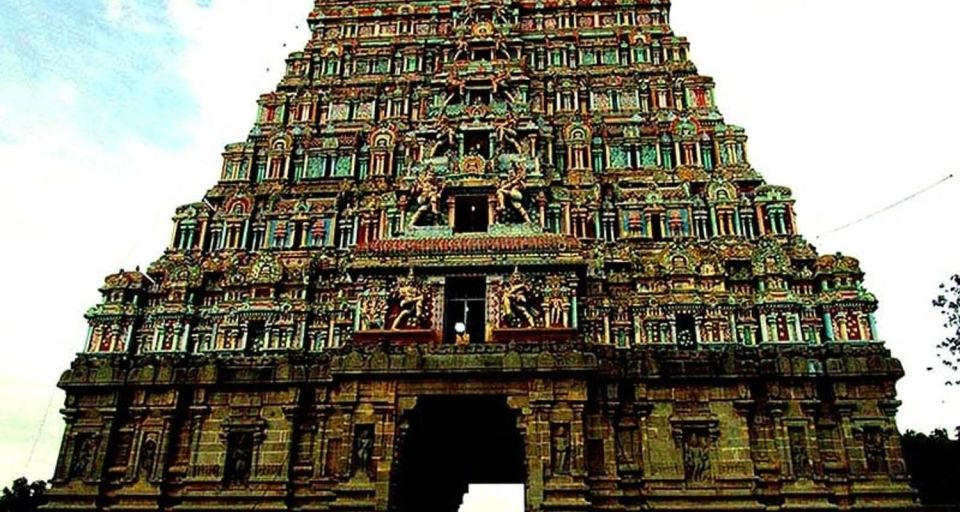
This is one of those tours that understands a simple truth: in a city like Madurai, you don’t just want to see icons, you want to see how people actually move. The tour combines short tuk-tuk links with a guided rickshaw ride through older quarters. That mix helps you avoid wasting your limited time in transit while still getting the street-level feel.
For value, the tour also stacks in practical “access” items. Entry fees and guided visits are included for Meenakshi Amman Temple, Thirumalai Nayak Palace, and the Gandhi Memorial Museum (when open). Add in a walk through local markets plus optional street food tastings, and you get a surprisingly full 4-hour day without having to negotiate tickets, entrances, or timing.
The real tradeoff is comfort. You’re choosing an authentic experience, not a protected bubble. Roads can be uneven, traffic can be busy, and a few short walking segments are part of the plan. If you’re fine with that, you’ll get a lot more out of it.
You can also read our reviews of more tours and experiences in Madurai.

Thirumalai Nayak Palace: what to notice beyond the postcard view
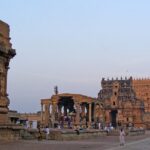
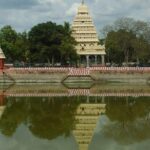
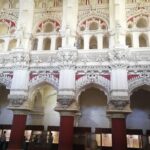
Thirumalai Nayak Palace is a 17th-century royal residence with Indo-Saracenic architecture that you’ll notice right away once you’re in the courtyard. What makes it worth your time is that the visit isn’t just wandering. You’ll have a guide pointing out the style and context of the Nayak dynasty, which helps the building make sense instead of becoming a pretty backdrop.
This stop works especially well early in the tour because it gives you a framework for what you’ll see later. Madurai isn’t only temples; it also has this powerful palace and royal imprint. Once you’ve seen the palace’s scale and design language, Meenakshi Temple feels less like a random must-see and more like part of a bigger cultural story.
A practical note: the palace visit can be impacted if areas are under renovation, which can affect how easily you can hear your guide in certain spots. If that happens, don’t panic—ask for directions to better hearing/viewpoints and use your time for photos and observation.
Dress and behavior are straightforward here compared to the temple: think comfortable clothes for walking and the ability to move around the courtyard.
Old Madurai by cycle or auto rickshaw: the street-level lesson
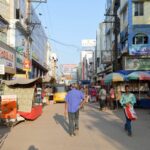
This is where the tour earns its name. The guided rickshaw ride takes you through older Madurai quarters, typically passing:
- local markets
- traditional residential streets
- textile areas
- street-level vendor activity
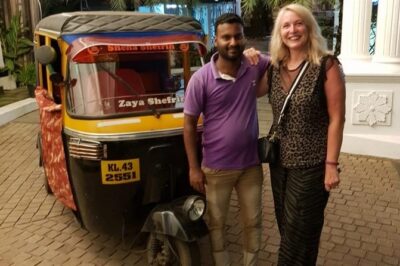
Depending on availability, you’ll ride in a cycle rickshaw for a short distance or an auto-rickshaw (motorized three-wheeler). Either way, it’s an authentic local ride, not a “tour vehicle” feel. That means the road can be uneven and traffic can be busy.
What you should love about this part is the perspective. From a regular car, you miss the rhythms—how people set up, how shops spill into sidewalks, how small side streets connect big landmarks. From a rickshaw, you get close enough to understand the city’s layout and daily movement.
One good tip I’d take seriously: keep your expectations realistic. This isn’t a smooth sightseeing shuttle. It’s a working street experience. If you’re travel-steadily curious and okay with noise, you’ll come away with a stronger sense of place.
Meenakshi Amman Temple: exterior views, permitted areas, and the rules that control your day
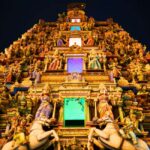
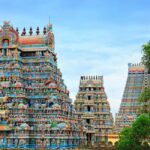
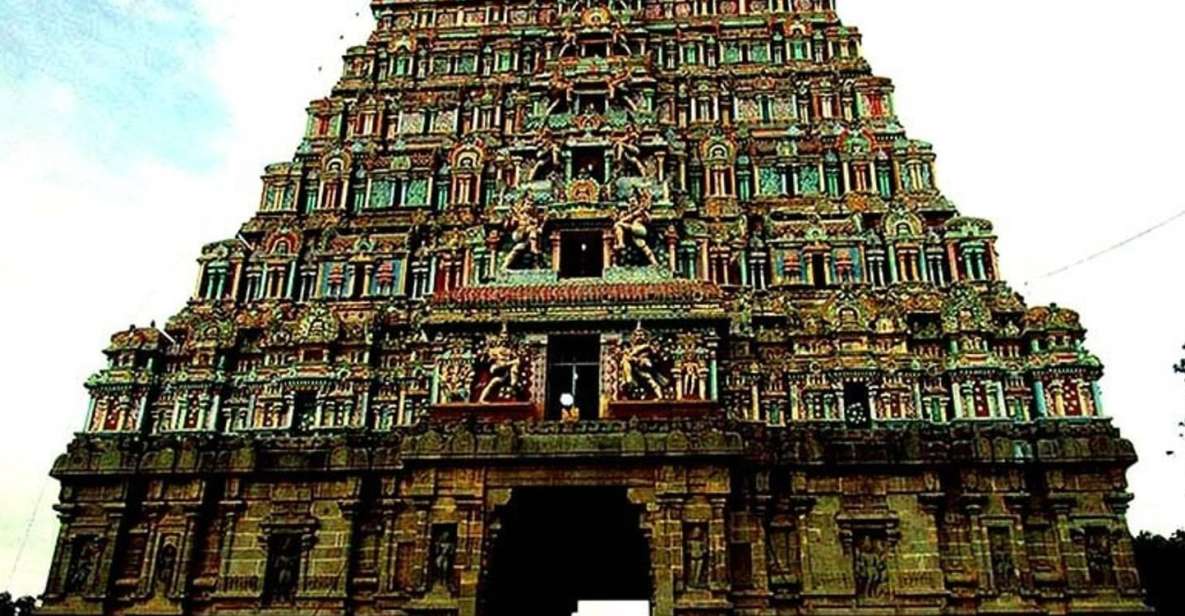
Meenakshi Amman Temple is the headline. Even with restrictions, you’ll see why it’s famous: dramatic scale, strong visual storytelling in the architecture, and a devotional environment that’s more than sightseeing.
Here’s what you should plan for, because these rules directly shape your route inside:
- Modest dress is mandatory: shoulders and knees covered
- Shoes must be removed when entering
- Cameras and phones may be restricted in certain areas
- Access to certain inner sanctum areas is restricted to Hindus only
- Temple timings can affect the schedule
Your guide will explain temple architecture, mythology, and cultural significance. That guidance matters because temples like this can feel like a maze of meaning. With context, you’re not just looking—you’re interpreting.
One practical thing to know from real-world experience: some temples require you to deposit phones and other items in a shop-like storage point. If that’s part of your visit, plan to use it, not shop it. If you see a place offered for storage, treat it as a service stop. In some cases, the storage area may come with pressure to buy something, but you can usually skip that and just focus on the deposit.
If you’re not comfortable with crowds or with strict rules, this stop can feel intense. But if you go with the right clothing and a calm attitude about restrictions, it becomes one of the most memorable parts of the tour.
Gandhi Memorial Museum: a great stop except on Fridays
The Gandhi Memorial Museum adds a very different angle to the day. Instead of stone and myth, you get biography and the story of India’s independence movement. The visit is guided, which helps you connect artifacts and themes without getting lost in what you’re seeing.
The key complication is simple and important: the Gandhi Museum is closed on Fridays (and certain national holidays). When it’s closed, the tour arranges an exterior visit or an alternate heritage stop.
So if you want the museum experience specifically, plan your tour on a day when it’s open. Otherwise, treat the day as a heritage bonus rather than a guaranteed Gandhi interior tour.
In a tight 4-hour day, this museum stop is valuable because it gives you contrast. It helps balance the temple focus and makes the overall tour feel less one-dimensional.

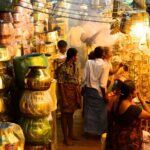

Street food tasting: the small option that changes the whole vibe
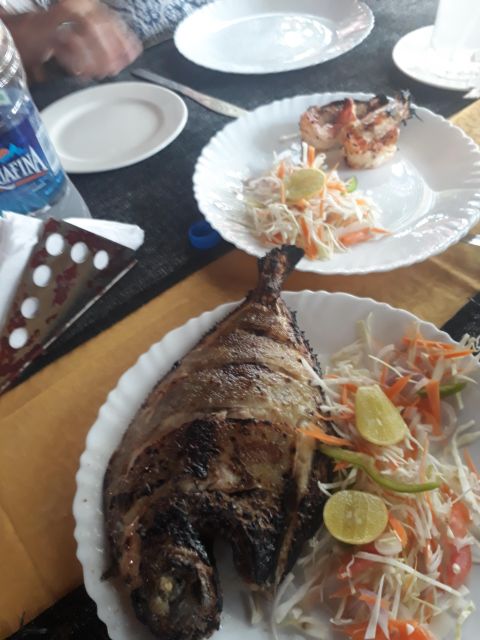
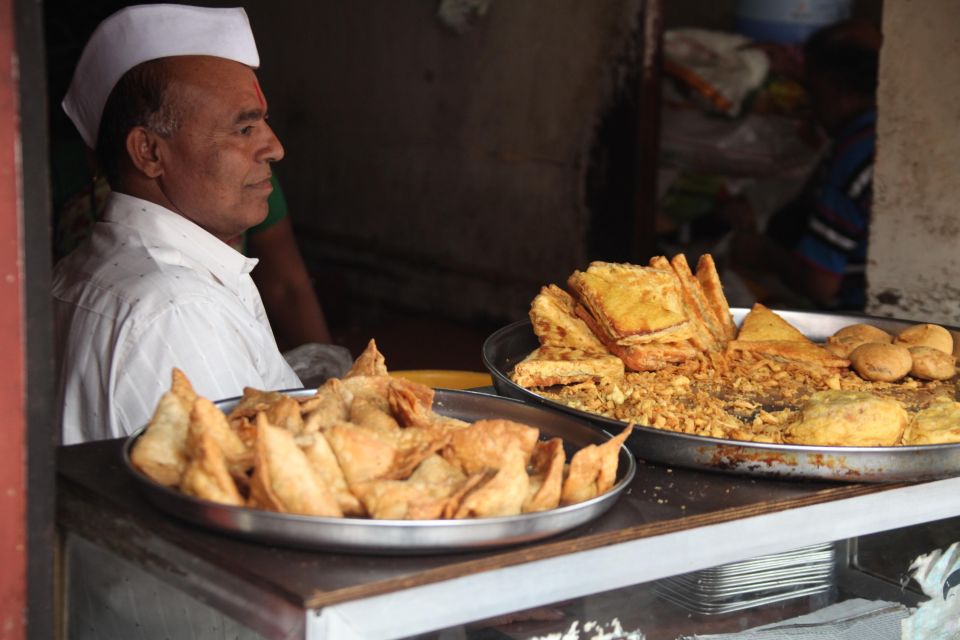
If you choose the street food tasting option, you’ll sample selected local South Indian snacks from trusted vendors. The tastings are intended to be simple and local, not an elaborate multi-course meal.
This is more than snack time. It’s a quick cultural download. You taste what people eat day-to-day, and you learn how flavors and textures work in South Indian cuisine. For a first visit, that kind of food moment is often what turns a “checklist day” into a personal memory.
A practical detail: food tasting is included only if you select that option. If you have dietary restrictions, you should inform the company in advance so they can adjust. That’s especially important because temple and busy-street environments make it harder to improvise later.
Also note this carefully: additional food and drinks beyond the tastings aren’t included. If you’re hungry after the tour, you’ll want a plan for afterward.
Price and logistics: is $72 fair for what you’re getting?
At $72 per person for a 4-hour private tour, the price makes sense when you look at what’s bundled. You’re not only paying for guide time. Entry fees and guided visits are included for major stops—Meenakshi Amman Temple and Thirumalai Nayak Palace—plus the Gandhi Memorial Museum when open. On top of that, you get:
- hotel pickup and drop-off within Madurai
- an English-speaking guide
- a guided rickshaw ride through older parts of town
- a market walk
- optional street food tastings
- ample photo opportunities
Where value can shift is around the “experience variable” parts: traffic permissions (which can affect rickshaw ride distance), temple access limits (some inner areas restricted), and museum closures. If your timing hits a Friday, you’ll still get heritage context, but the museum interior experience may not happen.
Still, for visitors who want to cover a lot without building a DIY plan, this tour is a solid deal. You’re paying to remove friction: tickets, route decisions, and cultural rule confusion.
One more fairness point: the rickshaw format can mean more direct income for the driver than if you were passing through in a car. That’s a small but real way your tourism money supports the local street economy.
Tips that prevent headaches on temple days
Here’s how to make the day smoother, based on what the tour rules signal and what commonly trips people up:
- Wear temple-ready clothes: shoulders and knees covered, no need for last-minute fixes.
- Expect shoe removal: plan for how you’ll manage your footwear and small items.
- Limit what you bring inside: if phones and cameras are restricted, you may need to store them. Keep only what’s necessary.
- Bring cash: the tour info specifically notes cash to have on hand.
- Expect noise and crowds: Madurai streets and temple areas can be busy and loud; that’s part of the authentic feel.
- Be ready for uneven roads: the rickshaw ride is real street travel, not a smooth ride.
- Skip alcohol/drugs: they’re not allowed on the experience.
Also, don’t ignore the “not suitable” note. The activity isn’t suitable for people over 95 years, likely due to walking segments and the nature of temple access.
Who should book this Madurai rickshaw tour (and who should not)
This tour is best for you if:
- you want maximum Madurai in minimal time
- you like street-level travel and local transport
- you’re okay with rules and modest dress for temple visits
- you want a guide to translate what you’re seeing (architecture, mythology, and museum themes)
- you appreciate a market walk and optional food tastings
It may be less ideal if:
- you hate uneven roads and traffic intensity
- you want guaranteed museum interior access regardless of weekday (Friday closure can change that)
- you’re very sensitive to crowded, noisy areas
One more thing I’d mention: guide energy can vary from day to day. The tour is built around explanations and timing, so if you’re the kind of traveler who feeds on active storytelling, it’s smart to ask your guide a couple of questions early. You’ll usually get the best experience when the guide and your curiosity match.
Should you book this Madurai Rickshaw Ride Tour?
I’d book it if you want a guided, high-efficiency day that mixes palace architecture, a major temple visit with rules clearly handled, old-street rickshaw travel, and a market walk. It’s the kind of tour that helps you feel oriented fast, then gives you memorable scenes without draining your schedule.
I would hesitate only if your priority list is extremely narrow—for example, if you need the Gandhi Museum interior and your trip date lands on a Friday. In that case, you can still take the tour, but go in knowing the museum piece may shift to an exterior/alternate stop.
If you’re flexible, comfortable with modest dress and shoes-off temple logistics, and you enjoy street travel that feels real, this is a strong way to spend 4 hours in Madurai.
FAQ
What does the tour include?
It includes private hotel pickup and drop-off in Madurai, a guided rickshaw ride with an experienced local driver, guided visits to Meenakshi Amman Temple and Thirumalai Nayak Palace, a guided visit to the Gandhi Memorial Museum (when open), and a walking tour of local markets. Street food tasting is included only if you select that option.
Is the rickshaw ride cycle or auto-rickshaw?
It depends on availability. You may ride a cycle rickshaw for a short distance or an auto-rickshaw (motorized three-wheeler). The ride is an authentic local experience, and roads can be uneven.
Can I bring my phone or camera into Meenakshi Amman Temple?
Cameras and phones may be restricted in certain temple areas. Your guide will help you understand what’s permitted during your visit.
Are there dress requirements for the temple?
Yes. Modest dress is mandatory, with shoulders and knees covered. You’ll also need to remove shoes while entering the temple (and church, if visited).
Is the Gandhi Memorial Museum always included?
The museum is closed on Fridays and certain national holidays. If it’s closed, the tour arranges an exterior visit or an alternate heritage stop.
Does the tour provide street food?
Street food tasting is available only if you select the option during booking. Tastings are described as simple local South Indian snacks from trusted vendors, and you should inform the provider of dietary restrictions in advance.
How much walking is involved?
Some portions require short walking segments, including time spent walking through local markets. The tour is not suitable for people over 95 years.