REVIEW · MADURAI
Private tour of Rameshwaram from Madurai with guide and lunch
Book on Viator →Operated by 5 Senses Walks · Bookable on Viator
A long drive pays off fast here. This private Rameshwaram day trip from Madurai strings together sacred sights, dramatic coast views, and the Ramayana stories people still take seriously. You get a guide, pickup, and lunch, plus key stops like the Ramanathaswamy temple with its long corridor and the shoreline at Dhanushkodi where a tsunami changed everything.
I especially love how the day is built around specific places with clear legends, so the sites feel connected instead of random sightseeing. I also like that you’ll have time at the big spiritual anchors like Ramanathaswamy Temple and the smaller temple stops that explain the Ramayana thread in plain language—my guide, Mani, was the kind of calm presence that helps you keep up and ask questions. The main drawback to plan for is the long day (about 12 hours) and the fact that this tour needs good weather, since part of the experience is tied to the coast.
In This Review
- Key Highlights You’ll Actually Feel
- The Big Picture: A Private 12-Hour Story Day From Madurai
- Pickup, Timing, and What “Private” Means in Real Life
- Stop 1: Agni Theertham and the Sita-Lakshman Fire Legend
- Stop 2: Ramanathaswamy Temple and the Long Corridor Feeling
- Stop 3: Kodanda Ramar Temple on an Island
- Stop 4: Adam’s Bridge (Rama Setu) Viewpoint, Minus the Bridge Itself
- Stop 5: Dhanushkodi Beach and the Aftermath of a Tsunami
- Stop 6: Sri Panchmukhi Hanuman Temple and the Floating Stones
- Stop 7: Ramar Padam, the High Point With Rama’s Imprints
- Lunch and Comfort: The Stuff That Makes a 12-Hour Day Work
- How to Judge the Value of $160 Per Person
- Who This Tour Fits Best
- Should You Book This Private Rameshwaram Day Trip?
- FAQ
- What time does the tour start?
- How long is the Rameshwaram day trip from Madurai?
- What’s included in the $160 per person price?
- Are admission tickets included for the stops?
- Can I cancel and get a full refund?
- What happens if the weather is poor?
Key Highlights You’ll Actually Feel
- A full private day: only your group goes, so questions don’t get squeezed out
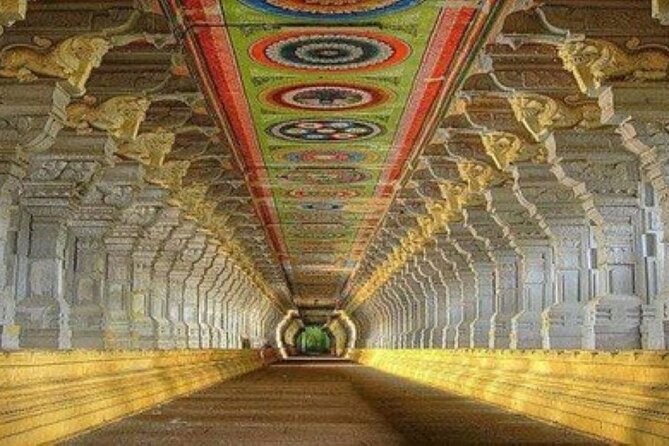
- Ramanathaswamy Temple’s long corridor plus holy tank settings tied to Ramayana belief
- Kodanda Ramar Temple on an island viewpoint energy over the Bay of Bengal and Gulf of Mannar
- Rama Setu (Adams Bridge) can’t be seen directly—you’re shown the submerged area instead
- Dhanushkodi’s white sand beach at the tip of India, with a tsunami history
- Floating stone legend at the Five-faced Hanuman temple site
The Big Picture: A Private 12-Hour Story Day From Madurai
This is a straight-shot day from Madurai to Rameshwaram, timed to start at 7:30 am. It’s long, but it’s also efficient: you’re not spending half the day asking your driver where things are. With a private setup and a guide, you get context as you move, not later when your notes are already back in your hotel room.
The tone here is devotional and myth-based. You’ll hear legends tied to each stop, like how Sita is associated with Agni Teertham or how Lord Ram is linked to prayers at the Ramanathaswamy temple. Even if you’re not deep into Hindu mythology, the guide helps you understand why people pause, why they walk certain areas, and why these places matter to local faith.
One more practical angle I like: this tour includes lunch. For a day that runs about 12 hours, that matters. It reduces the chance you’ll end up hungry, rushing, or paying for whatever food is nearest.
You can also read our reviews of more guided tours in Madurai

Pickup, Timing, and What “Private” Means in Real Life
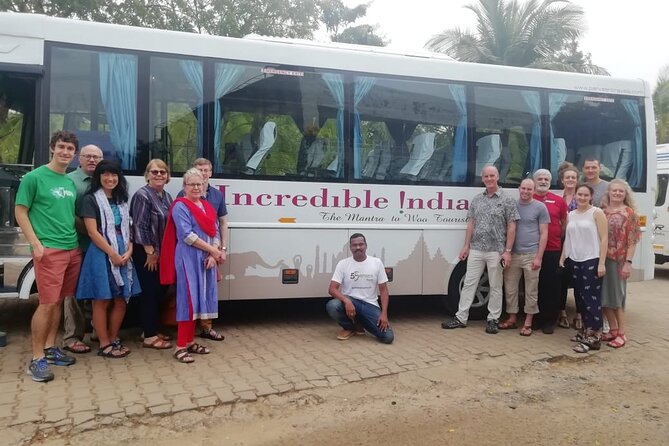
You’ll get pickup offered, and the meeting point is described as being near public transportation. That usually signals two things: the start is meant to be easy to find, and your day doesn’t hinge on an obscure meeting spot that only makes sense to locals.
Because it’s private, only your group participates. That’s a real quality-of-life benefit on a long day trip. If one person wants more explanation at a temple and another wants more walking, the guide can often pace it without turning the day into a herding exercise.
Price is $160 per person, and it’s booked about 40 days in advance on average. At this price point, the value comes from the combination: transportation from Madurai, a guide, lunch, and a schedule that actually hits multiple high-priority sites. If you’re traveling as a small group, group discounts can also help. If you’re solo, you may pay a premium for the private format, but you’re also paying to avoid time-sink logistics on your own.
Stop 1: Agni Theertham and the Sita-Lakshman Fire Legend
Agni Teertham is the kind of stop that could be easy to skim past, but it’s worth treating as a story anchor for the whole day. This is a large tank associated with Ramayana belief. The legend here connects to Sita asking Lord Lakshman to light a fire, and Sita sitting inside it as a test of purity.
What I like about starting here is that it sets the emotional tone. By the time you reach the temples later, you’re not just looking at architecture—you’re hearing why people come to water, why they pause near tanks, and why these spaces matter for devotees.
Practical note: the stop is listed at about 30 minutes. That’s enough time to understand the significance and take photos without turning your schedule into a bottleneck. Admission is shown as free for this stop, so you’re not juggling extra small payments.
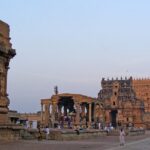
Stop 2: Ramanathaswamy Temple and the Long Corridor Feeling
Ramanathaswamy Temple is the big spiritual centerpiece of the day. It’s dedicated to Lord Shiva, and the legend links Lord Ram’s visit to praying for atonement for sins connected to the great war of the Ramayana.
One of the most impressive elements highlighted for this tour is the world’s longest corridor. In practice, that means you’ll experience a temple space that’s designed for slow movement and focused attention. Corridors like this often create a mental rhythm: you walk, you look, you listen for cues from your guide, and the whole place starts to feel intentional rather than just crowded stone.
You’ll spend about 1 hour here, and admission is listed as free. That hour is a good length for seeing key areas without feeling like you got dumped into a temple maze and told good luck.
If you’re the type who likes asking questions, this is a great spot to lean on your guide. Ask what people do here and why. A good guide will connect the corridor, the worship logic, and the overall Ramayana thread so you don’t just collect trivia.
Stop 3: Kodanda Ramar Temple on an Island
After the main temple, you head to Kodanda Ramar Temple, dedicated to Lord Ram and described as more than a thousand years old. The location is what makes this one feel different: it’s on an island surrounded by the Bay of Bengal and the Gulf of Mannar.
It’s also linked to the Ramayana episode involving Vibhishanan, which gives you another story anchor as you move away from the Ramanathaswamy complex. Think of this stop as your “myth meets geography” moment. The water all around gives the setting a sharper edge, like the place has its own atmosphere.
You’ll have about 45 minutes. That’s enough time to slow down, take in the island feel, and still keep the day’s momentum. Admission is also listed as free here, so you can focus on the experience instead of ticket logistics.
You can also read our reviews of more private tours in Madurai


Stop 4: Adam’s Bridge (Rama Setu) Viewpoint, Minus the Bridge Itself
Here’s the important detail you should know up front: the tour includes a viewpoint for Rama Setu (Adam’s Bridge), but the legendary bridge is now under water and cannot be seen directly. What you’ll see is the area under which the bridge sits, explained from the right vantage point near the Kodandarama temple.
This is one of those cases where expectations can trip you up. If you’re picturing a dramatic visible bridge, you’ll be disappointed. But if you treat it as a myth-place with a modern reality, the stop becomes more meaningful. It’s like standing on the edge of a story and realizing the story shifted under water, literally and figuratively.
The stop is about 20 minutes. That makes sense: it’s a targeted viewpoint rather than a long hangout. Use the time to get your bearings on how the sea and shoreline frame the story location, then move on before the heat or fatigue starts to dull the experience.
Stop 5: Dhanushkodi Beach and the Aftermath of a Tsunami
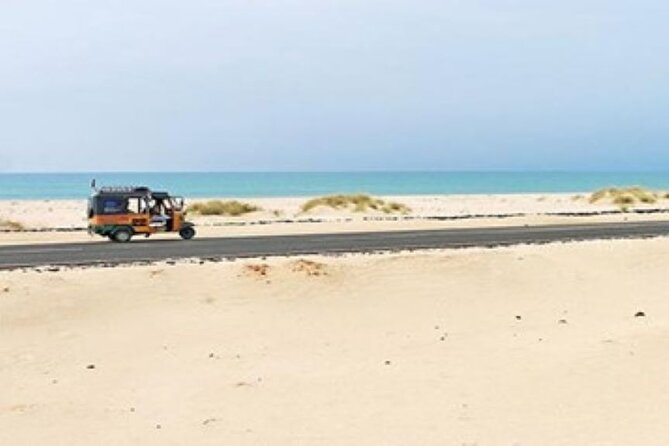
Next up is Dhanushkodi, described as an incredibly beautiful beach at the tip of India where the Bay of Bengal meets the Indian Ocean. It’s also identified as a thriving town that was destroyed by a tsunami, which adds a weight you feel more than you plan for.
You’ll spend about 1 hour at the beach. That’s plenty of time to walk the sand, take in the horizon, and let the place sink in. White sand is specifically mentioned, and the geography at the confluence matters: you’re not just at a random beach stop, you’re at an edge point.
One caution: since this part is outdoors, it connects to the tour’s weather dependence. If conditions aren’t good, your day could be altered or rerouted depending on what’s possible.
Stop 6: Sri Panchmukhi Hanuman Temple and the Floating Stones
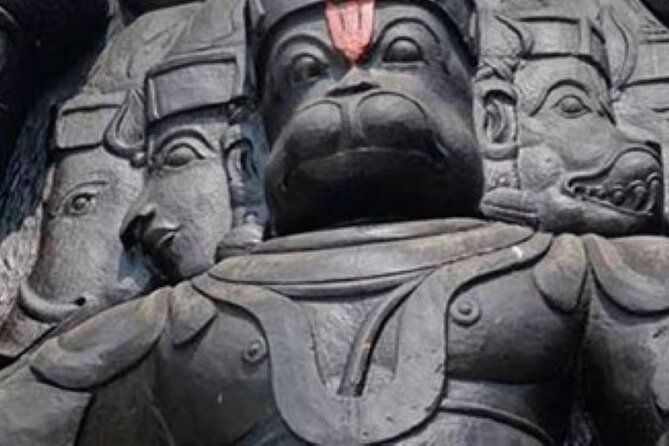
This stop adds an extra layer: not just temples and beaches, but a physical legend. You’ll visit the Sri Panchmukhi Hanuman temple linked to the floating stone—the one piece used to build Rama Setu, according to the local belief.
The temple is described as a five-faced Hanuman temple, with the face of Hanuman in the middle and other faces of Lord Narasimha and more figures (the description is cut off, but the key point is the five-faced layout). It’s a shorter stop at about 30 minutes, yet it can be a surprisingly memorable one because it gives you something to point to: this stone story is tied to an object, not just an abstract tale.
This is the kind of place where you’ll appreciate having a guide. Even if you’ve heard the Ramayana story before, a local explanation helps you understand what people feel they’re honoring in that exact spot.
Stop 7: Ramar Padam, the High Point With Rama’s Imprints
Finish strong with Ramar Padam, the highest point in Rameshwaram. The stop includes mention of imprints of Lord Rama on a chakra, plus belief that this was a resting spot for Lord Rama and his army before the assault was planned on Lanka.
You’ll have about 30 minutes. At a high point, your time often gets split between spiritual observation and practical reality: taking a moment, breathing easier, and then moving before you get stuck in the sun or wind too long.
This stop also closes the day’s story arc. You’ve gone from water and fire legend to major temple worship to sea-edge geography, and now you land on a “resting place” concept that ties the Ramayana sequence together with the terrain.
Lunch and Comfort: The Stuff That Makes a 12-Hour Day Work
Lunch is included, which is a big deal on a schedule like this. A long day can feel draining even when the sites are great, and food timing can make or break your energy level.
Outside of the included lunch, plan like it’s a full-day commitment. You’ll be outside for portions of the day, and you’ll be walking in and around temple areas. Wear comfortable footwear. Dress with respect for temple environments. Bring water if you tend to get dry in the heat.
Also, since the day starts early, bring some patience for the drive time from Madurai. The best tours don’t pretend travel time is fun; they use it well by giving you story context and keeping transitions organized.
How to Judge the Value of $160 Per Person
Let’s talk value without guessing.
You’re paying $160 per person for a private day trip with pickup, a guide, and lunch, plus multiple stops that are listed with free admission tickets. The day is roughly 12 hours, so you’re buying time, transport, and interpretation.
If you try to do this independently, you’ll likely spend your effort on routing, figuring out timing, and matching transport to temple entry windows. Those headaches cost mental energy even when money is cheaper. Here, the tour package is designed to remove that friction.
You also get something less easy to price: a guide who can explain why each stop matters, including the underwater reality of Rama Setu and the floating-stone legend. Without that, a lot of the Ramayana-linked places turn into scenery. With a good guide, they become a coherent narrative.
Who This Tour Fits Best
This day trip is a strong match if you want:
- a structured, single-day Ramayana-theme route without planning stress
- temple-focused sightseeing with clear explanations
- a private format where your group can set the pace
It may be less ideal if you want a slow, lounging vacation style. This is a day trip. It moves. You’ll see a lot, and you’ll need to be okay with that.
Should You Book This Private Rameshwaram Day Trip?
I’d book it if you like guided context and you want a single-day hit of Rameshwaram’s most story-rich places—temples, holy tanks, the island Kodanda Ramar setting, the Dhanushkodi shoreline, and the Ramar Padam high point. The price feels fair for what’s included, especially the guide + lunch + private format.
I’d think twice if your schedule is super tight, you hate long drives, or you’re traveling when weather might be questionable. Since the experience requires good weather and depends on outdoor portions, check conditions and be flexible.
If you’re ready for a long, meaningful day that strings legend to location, this is a solid way to do it.
FAQ
What time does the tour start?
The start time is 7:30 am.
How long is the Rameshwaram day trip from Madurai?
The duration is listed as about 12 hours.
What’s included in the $160 per person price?
It includes private tour services with a guide, lunch, and pickup offered.
Are admission tickets included for the stops?
The stops listed show admission ticket free, so admission isn’t an extra cost for those specific locations.
Can I cancel and get a full refund?
Yes. You can cancel up to 24 hours in advance for a full refund.
What happens if the weather is poor?
The experience requires good weather. If it’s canceled due to poor weather, you’ll be offered a different date or a full refund.