REVIEW · CHENNAI
Traditional Chettinad Cooking Class in a Local Home near Chennai
Book on Viator →Operated by Traveling Spoon · Bookable on Viator
Spices and dosa batter rule the day. This hands-on Chettinad cooking class takes you to Kamala’s home outside central Chennai, where you learn aromatic, spice-forward South Indian flavors and make items like pour dosa in real time. It’s an intimate way to see daily cooking rhythms instead of just watching food pass by.
Two things I especially like: you get a private instructor teaching a small set of dishes (usually 2–3), and you finish by eating the meal you helped make, traditionally served on a banana leaf. One possible drawback: the lesson is short, so you won’t master everything—plus the cooking participation can vary depending on the moment-to-moment flow in the kitchen.
In This Review
- Key moments that make this class worth it
- Getting to Kamala’s Kitchen Outside Central Chennai
- What You Actually Cook in Chettinad: Pour Dosa and a Short Menu
- Inside the Home Kitchen: Teaching Style, English, and Real Talk
- The Banana-Leaf Lunch: Eating How It’s Done
- Price and Value: Why This Is More Than a $74 Cooking Class
- Practical Tips Before You Go (So You Get the Most from the Hands-On Part)
- Who Should Book This Chettinad Class?
- Quick FAQ About the Class Near Chennai
- FAQ
- How long does the Chettinad cooking class take?
- Is hotel pickup and drop-off included?
- What will I cook during the lesson?
- Is there a vegetarian option?
- What do I eat at the end?
- What if I need to cancel?
- Should You Book Kamala’s Chettinad Cooking Class?
Key moments that make this class worth it

- Kamala’s home setting: a real kitchen in a traditionally decorated house, not a studio.
- Pour dosa focus: you learn a classic Chennai-style method that’s fun and practical.
- Taught in fluent English: you can actually ask questions and get clear answers.
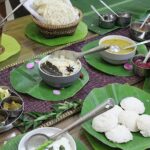
- Lunch on banana leaf: the food arrives in the serving style people grew up with.
- Round-trip hotel transfers: you spend less energy on logistics and more on cooking.
- Dietary adjustments welcome: you can request specific needs when you book.
Getting to Kamala’s Kitchen Outside Central Chennai
The experience starts with round-trip hotel pickup and drop-off, and the drive is part of the picture. Kamala’s home is about one hour outside central Chennai, along the route toward Mahabalipuram. If you’re the type who likes to see how locals live rather than just hit tourist stops, that “just outside the city” feeling matters.
On the way, you’re also near a few useful landmarks. Kamala’s home is about five minutes from the beach, and roughly 20 minutes from Dakshinachitra, an open-air museum of South Indian life and heritage. The class itself doesn’t turn into a sightseeing tour, but being close to those places means you’re not stuck with only one activity that day.
The transfer setup is also practical. Your hotel pickup and return are included, and the vehicle limits are up to four guests per vehicle. The tour itself is private, meaning only your group participates. That helps with pacing: when the class is small, it’s easier for your instructor to answer questions while you’re working.
You can also read our reviews of more cooking classes in Chennai
What You Actually Cook in Chettinad: Pour Dosa and a Short Menu
This is not a long cooking marathon. The hands-on class part runs about 1–2 hours, and the overall experience is around three hours. That short time is intentional: you learn a few core dishes and techniques rather than trying to do everything.
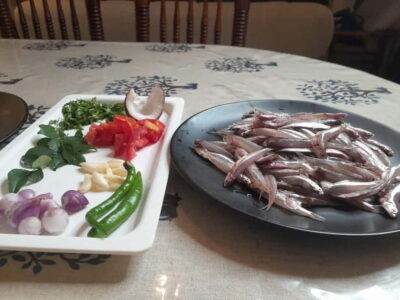
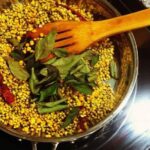
Chettinad cooking is known for aromatic flavors and for using freshly ground spices, especially in many non-vegetarian dishes. Even if you choose a non-veg menu, the learning angle is more than eating—it’s about understanding the spice logic. You’ll work through a menu that typically includes two or three dishes, such as:
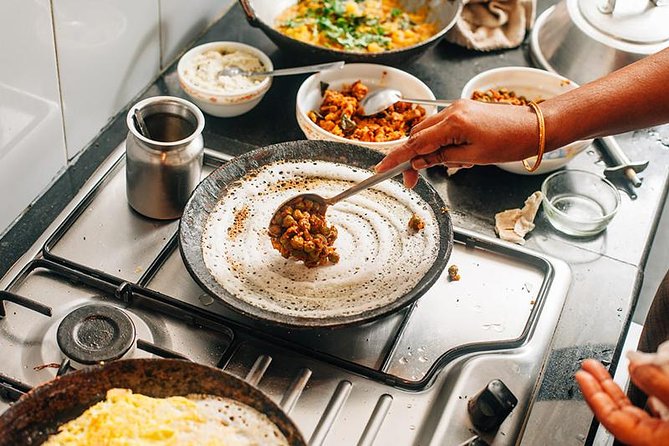
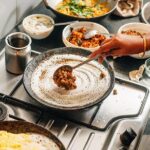
- Pour dosa: a savory roasted crepe made from fermented rice and lentil batter, with a method that involves pouring and cooking to get the right texture.
- One or more Chettinad-style mains: options can include items like curries and masala-based dishes, depending on the plan for your group.
- A starter or soup: you might find an additional Chettinad-style component added to the menu, keeping the meal balanced.
The exact lineup can shift, but the teaching structure stays similar. You’ll be guided through prep steps and cooking at Kamala’s pace, then you sit down for the meal you made.
One thing to keep in mind: because the menu is compact, you’ll want to go in with curiosity about techniques. If you’re hoping to leave with a full notebook of everything Chettinad, you may be slightly disappointed. If you’re happy with learning a few strong, repeatable skills, this format is a sweet spot.
Inside the Home Kitchen: Teaching Style, English, and Real Talk
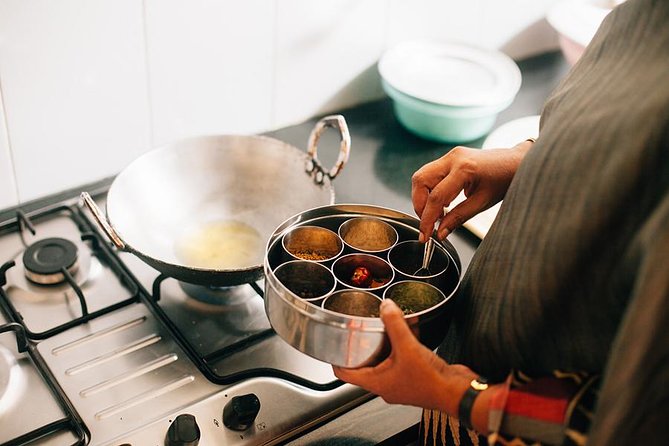
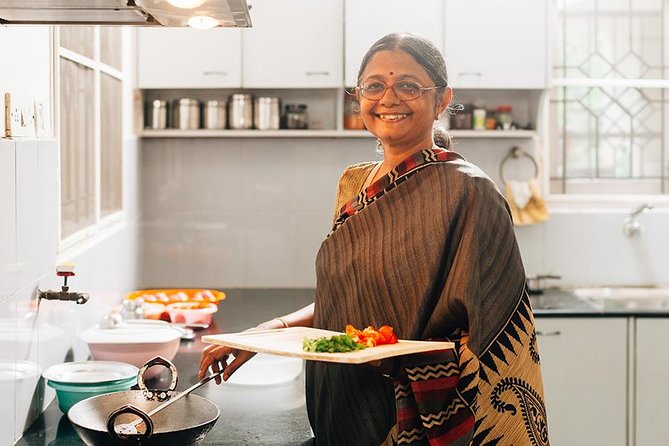
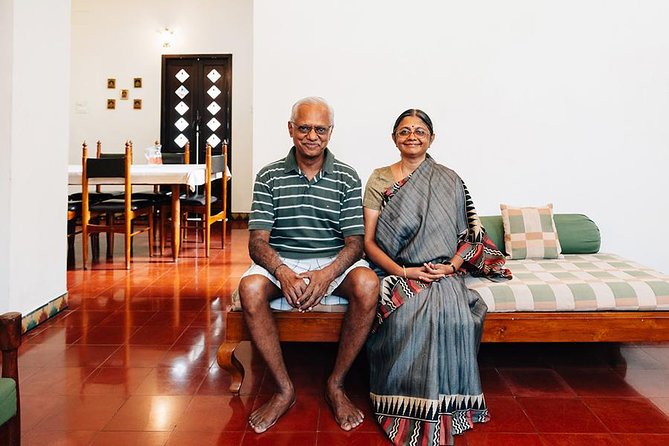
Kamala’s house matters. This isn’t a class where everything happens behind glass. You’re in a private home kitchen, in a setting that feels lived-in and personal. The result is that you’re not just learning recipes—you’re also learning how a cook thinks about flavor.
The teaching style is built for questions. Several past participants highlighted that Kamala speaks fluent English, which makes a difference. When you can talk easily, you can ask why something is toasted, what a spice paste is supposed to taste like at each stage, or how to adjust heat without guessing.
There’s also a welcome factor. People describe being made to feel at home quickly, which keeps the class from feeling like a transaction. That matters because cooking classes can feel tense if you’re being rushed or if you don’t understand the steps. Here, the pacing feels more like learning with a host than being processed through a checklist.
A small but valuable bonus: you may receive recipes to take away. That’s huge if you want to cook Chettinad again after you’re back home and your spice jars aren’t arranged the same way.
The Banana-Leaf Lunch: Eating How It’s Done
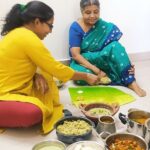
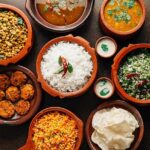
After the cooking lesson, you transition from the stove to the dining table. Your lunch is served traditionally—on a banana leaf—and you’ll also get non-alcoholic beverages with the meal.
Banana-leaf serving isn’t just a fancy plate choice. It shapes the meal experience. Food lands in sections that make it easy to mix bites, and the leaf helps keep things comfortable to eat in a hands-on way. If you’re used to eating with cutlery only, you might find it helpful to watch Kamala’s cues first and then follow along.
Food-wise, the meal is built from what you cooked. That makes it more satisfying than a class where you make one item and eat something else entirely. It’s also a good way to spot which flavors you loved most—because you can tell what you did that influenced taste.
If you have dietary restrictions, bring them up when you book. The class indicates that non-vegetarian options are available and that you should advise specific dietary requirements at the time of booking. That’s your best chance to get a menu that fits you instead of forcing substitutions on the day.
Price and Value: Why This Is More Than a $74 Cooking Class
At $74 per person, it’s not the cheapest dinner you can find in Chennai. But you’re paying for a few things that add up fast if you try to recreate them on your own:
- Hotel pickup and drop-off included (round-trip transfers).
- Lunch and non-alcoholic beverages included.
- A private instructor in a real home setting.
- A hands-on learning window (1–2 hours) with a clear meal payoff.
When a cooking experience includes transportation and a full meal, the cost becomes easier to justify. You’re not just buying ingredients—you’re buying time with a home cook who teaches technique, and you’re also buying convenience.
There’s also pricing flexibility built in. The experience notes group discounts, which can make it better if you’re traveling with friends or family. And because the class is private, the value tends to stay strong as long as you can split the cost across at least a couple people.
One more practical note: the class is often booked about five days in advance on average. That’s not a guarantee, but it’s a good reminder to plan ahead if you want a specific date.
You can also read our reviews of more tours and experiences in Chennai
Practical Tips Before You Go (So You Get the Most from the Hands-On Part)
If you want this to feel smooth, a little prep helps:
- Tell your dietary needs up front. The experience specifically asks for dietary requirements when you book. Do it early so Kamala can craft the menu.
- Ask questions during the cooking window. With fluent English communication, you can go beyond following steps and actually understand flavor-building.
- Arrive hungry. The cooking part works best when you’re mentally ready for the lunch that follows.
- Wear something you can cook in. Spice smells and kitchen steam are real. Comfortable clothes beat your best outfit.
- Be ready for the pace. The class is short by design, so don’t expect a full-day skill course.
One caution, based on how small kitchens can run: some people find cooking classes can end up with more watching than actively doing every step. In a home kitchen, there’s sometimes a balance between safety, timing, and keeping the meal on track. Still, if you communicate that you want to participate as much as possible, you’ll likely get more active time.
Who Should Book This Chettinad Class?
This is a good match if you want a “local home” experience in Chennai that feels practical, not performative. I’d especially recommend it to:
- Food lovers who want technique, not just a taste.
- People who like spice-forward regional cooking, especially Chettinad flavors.
- Small groups who can share the cost and enjoy a private setting.
- Families or parent-child groups who want something interactive, since the class is private and question-friendly.
If you’re traveling with someone who only wants pure sightseeing, this may feel too focused on the kitchen. Also, if your dream is to learn a huge list of dishes with deep troubleshooting, the short menu format might feel limiting. But for most visitors, the “few dishes done well” approach lands perfectly.
Quick FAQ About the Class Near Chennai
FAQ
How long does the Chettinad cooking class take?
The cooking class runs about 3 hours total, with roughly 1–2 hours of hands-on instruction.
Is hotel pickup and drop-off included?
Yes. Round-trip transfers are included from your hotel, with the vehicle accommodating up to four guests per vehicle.
What will I cook during the lesson?
You’ll prepare two or three traditional Chettinad dishes. The menu can include items such as pour dosa.
Is there a vegetarian option?
Non-vegetarian options are available, and you can advise specific dietary requirements when you book so the menu can be adjusted.
What do I eat at the end?
You’ll have lunch made from what you cooked, served traditionally on a banana leaf, plus non-alcoholic beverages.
What if I need to cancel?
You can cancel up to 24 hours in advance for a full refund.
Should You Book Kamala’s Chettinad Cooking Class?
If you want an authentic food day without the stress of logistics, this is an easy yes. You get private instruction, hotel transfers, and a full lunch built around what you learn, all in a real home kitchen. The menu is compact, so go with the right expectations: focus on learning technique and spice logic for a few dishes, especially pour dosa.
Book it if Chettinad flavors appeal to you and you’d like a day that feels more personal than a restaurant meal. Skip it only if you want a huge range of dishes in one session or you’re not comfortable doing (or at least watching closely) in a working kitchen.