REVIEW · CHENNAI
Mahabalipuram tour by Tourism Ministry approved company
Book on Viator →Operated by 5 Senses Walks · Bookable on Viator
Stone-age temples, one easy day. This private Mahabalipuram tour pairs door-to-door transport from Chennai with a fully narrated plan of UNESCO sites, and it keeps the hassle low by bundling lunch and entrance fees. You’ll spend the day in a tight loop of Pallava-era rock-cut wonders, finishing at the coast with views over the Bay of Bengal.
Two things I especially like. First, you’re not just looking at carvings; you get a local guide who explains what you’re seeing and how the stories connect to the monuments. Guides such as Kannan and Ramesh are repeatedly praised for clear facts and a pace that lets you ask questions and take photos. Second, the pricing covers the big day-cost items: entrance charges and lunch.
One possible drawback: it’s a full day, about 7 hours, with multiple short stops. If you prefer long, slow wandering at one site, you may wish you had a half-day break—also, beverages aren’t included, so plan for water or drinks on your own.
In This Review
- Key highlights worth your attention
- Why Mahabalipuram works as a Chennai day trip
- Price and value: what you’re actually paying for
- The private-day rhythm: pickup, pacing, and photos
- A stop-by-stop look at Mahabalipuram’s carved wonders
- Pancha Rathas: five monolith temples to start with
- Arjuna’s Penance: the long bas-relief you’ll actually notice
- Pancha Pandava Cave: sculptures on pillars and creature carvings
- Krishna’s Butter Ball: a famous stone with a big reputation
- Varaha Cave Temple: lions, granite, and a temple built over decades
- Trimurti Cave: the holy trinity, carved into stone
- Ganesha Ratha: one-stone chariot form with a shifting deity
- Old Light House: built in 640 and tied to the coast
- Mahishasuramardini Cave: two major bas-reliefs inside
- Shore Temple: the coast view that closes the loop
- Lunch included: what to expect and how to plan around it
- What the guide adds (and why it matters at UNESCO sites)
- Who this tour suits best
- Should you book this Mahabalipuram UNESCO day tour?
- FAQ
- How long is the Mahabalipuram tour from Chennai?
- What is the price per person?
- Is hotel pickup and drop included?
- Are entrance fees included for the sites?
- Is lunch included?
- Is this tour private?
- Is the tour fully narrated?
- Which places are visited during the day?
- Do I receive a mobile ticket?
- What is the cancellation policy?
Key highlights worth your attention
- Entrance fees included everywhere so you won’t do surprise math at ticket windows
- Lunch included in the day plan (just skip assuming drinks are covered)
- A local guide who narrates the myths and architecture as you go, including photo-friendly stops
- A strong Pallava hit list: rathas, caves, bas-reliefs, and the Shore Temple area
- Coastal history finish with the Shore Temple overlooking the Bay of Bengal and the old lighthouse context
Why Mahabalipuram works as a Chennai day trip
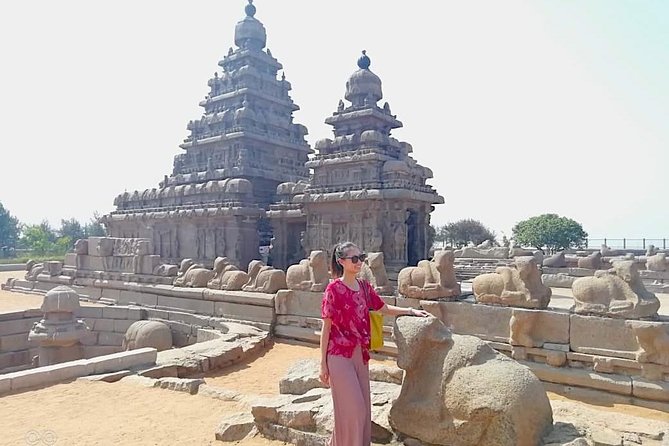
Mahabalipuram (also called Mamallapuram) is one of those places where one day can be surprisingly effective, as long as someone helps you connect the dots. The monuments sit close together along the coast, so a private car saves real energy versus piecing together transport and tickets on your own.
The tour format is also built for learning. A fully narrated day means you’re not guessing why a relief panel is so long, or why a cave temple has specific carvings. Instead, the guide’s running commentary helps you read the site like a storybook—except the pages are stone and dust gets everywhere.
And since this is a private tour, you’re not stuck with a hurry-up group rhythm. That matters at places like Krishna’s Butter Ball or the huge bas-reliefs, where you’ll likely want a minute to frame a photo and another minute to really look.
You can also read our reviews of more tours and experiences in Chennai.

Price and value: what you’re actually paying for
At $115 per person, the tour feels best if you like your day planned for you. The big value lever is that the price includes entrance charges for the sites and also includes lunch. That’s often where cheaper tours can quietly lose you money later.
Here’s what your money covers, based on the tour details:
- Professional tour guide
- Lunch
- Entrance charges
- Pickup and drop from your Chennai hotel
What it doesn’t cover: beverages. So treat the included meal as your guaranteed fuel, then budget a bit for water or soft drinks as needed.
Also, you’ll spend time in a private car. Reviews mention a comfortable, well-timed ride, with drivers described as courteous and safe. In practical terms, that’s not just comfort—it’s fewer stress points when you’re hopping between caves, open-air rathas, and coastal viewpoints.
The private-day rhythm: pickup, pacing, and photos
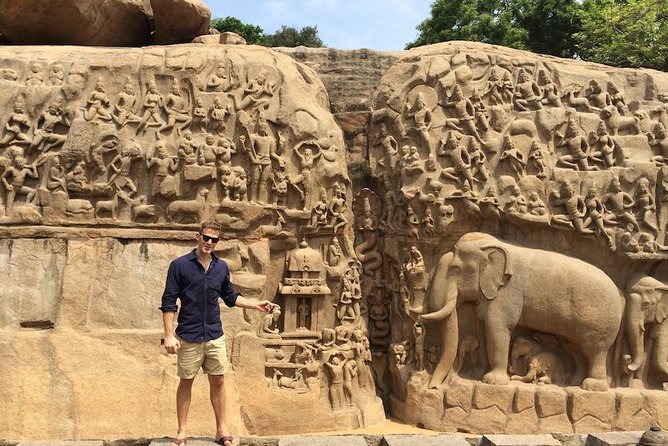
The tour is designed around a one-day loop from Chennai, with pickup and drop to your hotel. Most people will find the pace manageable because the stops are spaced out, and each one has a focused window rather than dragging endlessly.
A review note that fits the way this itinerary reads: the travel time is roughly about an hour each way, then the day is mostly about the monuments themselves and the meal. In plain terms, you’re trading a big chunk of sightseeing time for a lot less logistical hassle.
A good sign here is the emphasis on flexible pacing. Guides like Kannan are specifically mentioned as willing to take pictures when you ask, and guides are praised for not rushing you or pushing souvenir shopping. If you want photos without feeling like you’re sprinting between stops, this is the style that usually works.
A stop-by-stop look at Mahabalipuram’s carved wonders
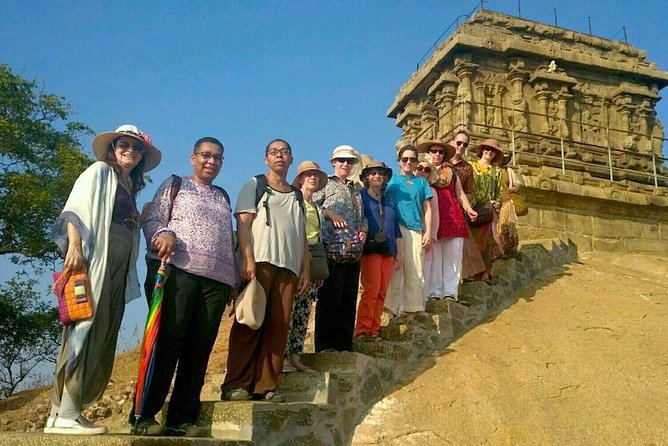
What I like most about this route is the variety. You go from monolith temples (rathas) to storytelling bas-reliefs to cave temples, then you shift to “how did a coastal port city even work?” with the lighthouse and Shore Temple. It gives your brain a full workout.
Below is what to expect at each stop and what’s worth your attention.
Pancha Rathas: five monolith temples to start with
You’ll begin at the Pancha Rathas, the five chariot-like monolithic temples built by the Pallavas. Expect this to be a strong “orientation stop”—it gives you the visual theme for the day: carved stone shaped like architecture.
Look closely at the textures and how the forms sit like giant sculptures. These are 7th-century rock-cut structures, so your guide’s narration here is usually what makes the date and style feel real instead of random.
Time on site is around 25 minutes, and entrance is included.


Arjuna’s Penance: the long bas-relief you’ll actually notice
Next is Arjuna’s Penance, famous for its bas-relief artwork. The monument is described as about 100 feet long and 45 feet tall, and it depicts scenes from the Mahabharata.
This is one of those stops where a guide helps a lot. Without context, you may see “a lot of figures.” With context, you start recognizing scenes and understanding how the storytelling is organized across the relief.
You’ll have about 20 minutes, which is enough time to take photos and still have a meaningful look—especially if you slow down at one section while the guide points out key elements.
Pancha Pandava Cave: sculptures on pillars and creature carvings
Then you head to Pancha Pandava Cave, described as the largest cave-temple at Mahabalipuram. It’s supported on six pillars and two pilasters, and the highlight includes Yali sculptures on the pillars—mythical creature forms that give the space visual intensity even before you start reading the deeper carvings.
Expect about 15 minutes here. Caves can feel darker and cooler than the open-air sites, so pace yourself and take a second to adjust your eyes before you start hunting details.
Krishna’s Butter Ball: a famous stone with a big reputation
The tour stops at Krishna’s Butter Ball, a granite boulder perched on a slope as if it breaks gravity’s rules. It’s described as looking like it shouldn’t stay in place, even though it has not moved.
This is partly a science-meets-myth photo moment, but it’s also a good chance to read how the stone sits within the landscape. If your guide does a quick explanation of why people find it puzzling, that adds a lot.
You’ll spend about 15 minutes.
Varaha Cave Temple: lions, granite, and a temple built over decades
Next is the Varaha Cave Temple, carved out of a huge granite piece and dating back to the 7th century. The notes include that the temple took several decades to complete, and squatting lions adorn the pillars.
Even if you’re not a cave-temple specialist, this stop helps you understand the craftsmanship involved. The lions and pillar work are usually where your eyes want to go first, because they give strong shapes against the stone.
Time is around 15 minutes, with entrance included.
Trimurti Cave: the holy trinity, carved into stone
At Trimurti Cave, you’ll find a rock-cut temple dedicated to Brahma, Vishnu, and Shiva. The guide’s narration is especially useful here because the “who” matters: the same physical cave experience can feel totally different when you know what the carvings are meant to represent.
The notes mention fine carvings of elephants, which are great for visual anchoring—elephants give you something concrete to “check” while you listen.
Again, expect about 15 minutes.
Ganesha Ratha: one-stone chariot form with a shifting deity
The itinerary then moves to Ganesha Ratha, an imposing chariot carved out of a single stone. It’s described as originally dedicated to Lord Shiva and later associated with Lord Ganesh, and it was built in the 7th century by King Mahendravarman I.
This stop is a reminder that these monuments weren’t just museum pieces. They existed in a living culture, and symbols could shift over time.
You’ll have around 15 minutes. If you want photos, arrive ready to angle your camera so you capture both the overall shape and the details.
Old Light House: built in 640 and tied to the coast
One of the more interesting non-temple stops is the Old Light House, built in 640. It’s described as India’s oldest light house and one of the oldest in the world, and it played a role in keeping mariners safe because Mahabalipuram was a busy port.
This is where the day stops feeling like only art history and becomes “how did people live here?” A quick narration can help you connect the shoreline sites to a practical port city reality.
Plan for about 15 minutes.
Mahishasuramardini Cave: two major bas-reliefs inside
Next is Mahishasuramardini Cave, with two impressive wall bas-reliefs described in the notes. One shows Lord Vishnu sleeping atop the coils of a serpent. The other is mentioned but the text cuts off, so all you should rely on is that it’s another major carved scene on the walls.
This is a stop where you’ll want to slow down for a minute. Bas-reliefs are best when you can compare figures and notice the spacing and depth.
Expect about 15 minutes.
Shore Temple: the coast view that closes the loop
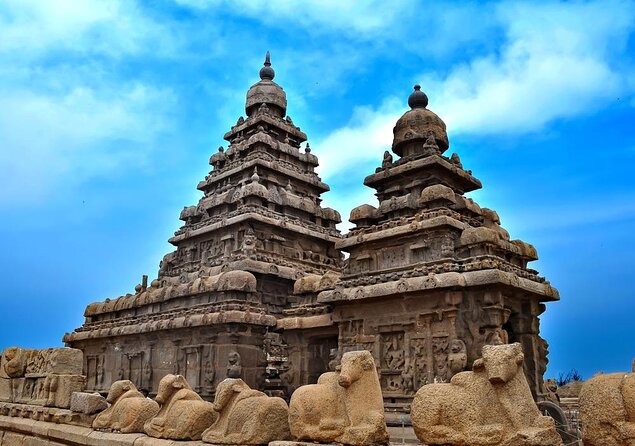
Finally, you’ll reach the Shore Temple, which overlooks the Bay of Bengal. It’s described as an important center during the Pallavas when Mahabalipuram was their main port.
This closing stop is where the day’s theme lands. After caves and carvings inland, you get a wide view—and you feel how the coastline shaped the city’s importance.
The tour also includes time in town, and the overview mentions a seashell museum as part of the experience. If you care about local crafts and material culture, this is a nice break from stone temples. If you’re temple-focused only, you can still use that window for a change of pace rather than another rapid monument stop.
Lunch included: what to expect and how to plan around it
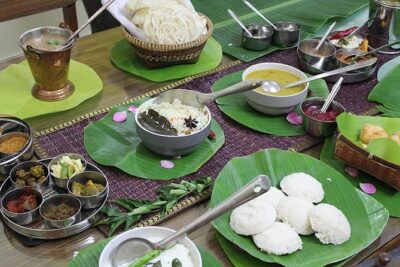
Lunch is included, but beverages aren’t. That means you’ll want to think of lunch as your guaranteed midday meal, then grab water separately as you go.
One practical tip: if you’re sensitive to heat, lunch timing can feel like a reset button. Even when the sites are short, you’ll still be outside enough that you’ll appreciate a proper sit-down meal.
If you’re picky about dietary needs, the tour data doesn’t specify options. So it’s smart to message ahead with your requirements rather than guessing.
What the guide adds (and why it matters at UNESCO sites)
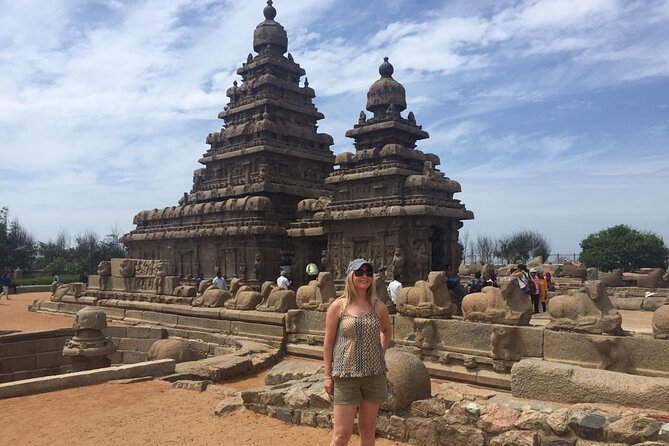
UNESCO sites can be stunning and still hard to “read” on your own. That’s exactly where a good guide earns their keep.
In this tour’s case, the guide’s job is to connect:
- The shape (ratha vs cave vs relief)
- The era (Pallavas and 7th century details appear across the stops)
- The story (Mahabharata scenes at Arjuna’s Penance, and deity themes in caves)
From the feedback around guides such as Kannan and Ramesh, you’ll likely get a mix of facts and storytelling, not just a list of names. It’s also noted that guides don’t push tourists into souvenir stops. For me, that’s a quality-of-day detail. It keeps your time on monuments, not mall detours.
Who this tour suits best
This is a strong fit for you if you:
- Want a private day with a local guide and minimal hassle
- Like temples and rock-cut architecture, especially the Pallava style
- Prefer clear structure over wandering without context
- Care about getting enough time to take photos and ask questions
It’s also a good option if you’re traveling with someone who would get bored at a loose, self-guided pace. The narrated loop gives both of you a shared framework.
If you’re traveling with very small kids or someone with limited mobility, the tour data only says most travelers can participate. Cave temples and walking between stops can still be tiring, so you’ll want to gauge comfort levels for your group before you commit.
Should you book this Mahabalipuram UNESCO day tour?
I’d book it if you want an efficient, guided UNESCO day that already solves the big costs: entrance fees and lunch. At $115 per person, the value is strongest because the itinerary covers a lot of high-impact sites in one loop, and the guide’s narration is clearly part of why people rate it so highly.
I’d hesitate only if you hate structured itineraries or want long, solitary time at one monument. This is a tour that moves. It’s designed for seeing many carved works, then finishing on the coast.
If you’re short on time in Chennai and want your one Mahabalipuram day to feel like more than just photos, this one is built for that exact goal.
FAQ
How long is the Mahabalipuram tour from Chennai?
The tour duration is about 7 hours.
What is the price per person?
The price is $115.00 per person.
Is hotel pickup and drop included?
Yes. Pickup and drop to your Chennai hotel are included.
Are entrance fees included for the sites?
Yes. Entrance charges are included for the stops on the tour.
Is lunch included?
Yes, lunch is included. Beverages are not included.
Is this tour private?
Yes. It’s a private tour/activity, and only your group participates.
Is the tour fully narrated?
Yes. The tour includes full narration by the guide.
Which places are visited during the day?
Stops include Pancha Rathas, Arjuna’s Penance, Pancha Pandava Cave, Krishna’s Butter Ball, Varaha Cave Temple, Trimurti Cave, Ganesha Ratha, Old Light House, Mahishasuramardini Cave, and the Shore Temple. The overview also mentions a seashell museum.
Do I receive a mobile ticket?
Yes. The tour includes a mobile ticket.
What is the cancellation policy?
You can cancel for a full refund if you cancel at least 24 hours before the experience start time. Free cancellation applies, but cancellations within 24 hours are not refunded.