REVIEW · CHENNAI
Spiritual Stories of Chennai: Guided Tour through Holy Sites
Book on GetYourGuide →Operated by Lets Go Far · Bookable on GetYourGuide
A temple walk can sound standard, but this one isn’t. You’ll start at Arulmigu Marundheeshvarar Temple, then follow a small-group route where your guide turns each stop into a living story. I like how the tour blends spirituality with practical context, so you’re not just looking at stone—you’re learning why people come, how they pray, and what the spaces mean. One thing to consider: it’s a walking-focused experience, and the path is meant to be flexible and sometimes surprising.
What I love most is the human touch. A guide named Nethaji stood out for being friendly, informative, and accommodating, and he even stayed a bit longer so the group could watch a ceremony at the final temple stop. The one drawback is simple: you need to plan for temple-friendly clothing and a steady walking pace, because this tour isn’t set up for wheelchairs and it doesn’t include transport.
In This Review
- Key Things That Make This Chennai Temple Tour Worth Your Time
- A 2-Hour Holy-Sites Walk That Feels Like Chennai, Not a Checklist
- Beginning at Arulmigu Marundheeshvarar Temple: Your Spiritual Starting Line
- The Paamban Kumaragurudhaasar Temple Stop: Quiet Strength in a Tranquil Atmosphere
- Shri Ashtalakshmi Temple: Eight Forms of Lakshmi and Chanting You Can Hear
- Arupadai Veedu Murugan Temple: Green Shade, Warrior Deity Focus, and Introspection Time
- How Your Local Guide Shapes the Experience (And Why That Matters)
- Price and Value: What $12 Gets You in Real Temple Time
- What to Bring and Wear: Sun-Ready Temple Rules
- Small Group Size and the Surprise Route: How to Make It Feel Effortless
- Who This Tour Suits Best (And Who Might Prefer Something Else)
- So, Should You Book Spiritual Stories of Chennai?
- FAQ
- Where does the tour start?
- How long is the guided tour?
- How much does it cost?
- How big is the group?
- What languages are the tour guide speaks?
- Is transportation included?
- What should I bring?
- Are shorts or short skirts allowed?
- What is not allowed during the tour?
- Is the tour suitable for wheelchair users?
Key Things That Make This Chennai Temple Tour Worth Your Time
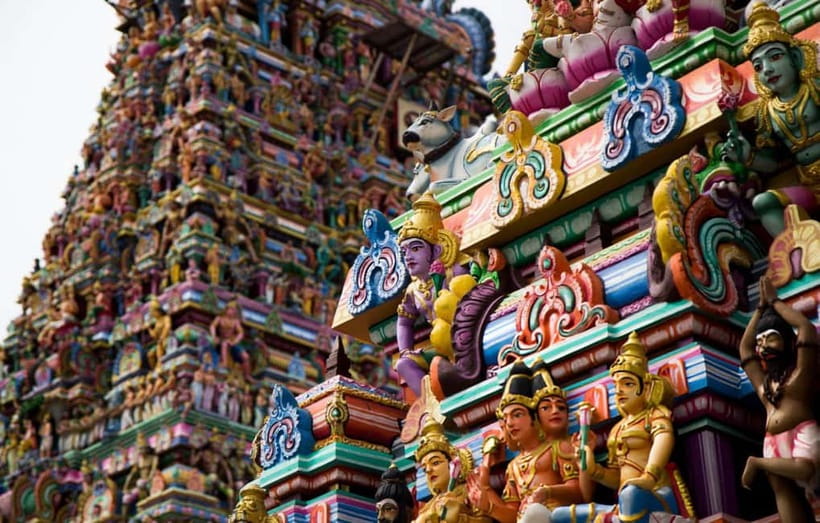
- Ten people max means you get real back-and-forth with your guide, not a lecture for a crowd.
- Stories tied to specific temples helps you understand rituals, legends, and how locals experience these sites.
- A healing-and-devotion opening at Marundeeswarar sets a meaningful tone from the first minutes.
- Multiple deities in one route (Shiva, Lakshmi, Murugan and saint traditions) gives you a fuller view of Chennai spirituality.
- You’re encouraged to respect the spaces with full-sleeve clothing and rules that keep the mood calm.
A 2-Hour Holy-Sites Walk That Feels Like Chennai, Not a Checklist
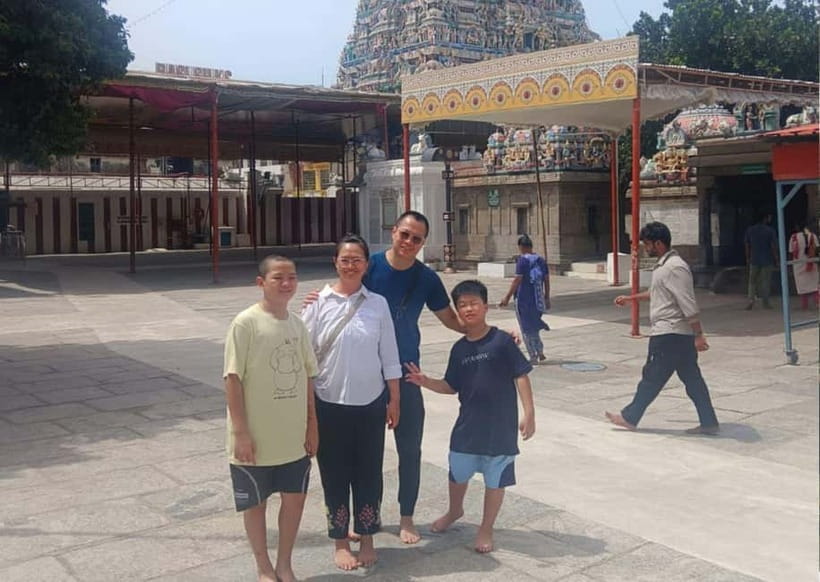
This tour works because it’s short and story-driven. Two hours is enough time to see several sacred places, but not so long that you feel dragged around. You start at the temple entrance, meet your guide, and the walk becomes your timeline. The route is described as a surprise path—so the goal isn’t ticking off exact spots, it’s following the journey and what your guide points out along the way.
The best part is that you don’t just see temples; you learn how they function in daily religious life. You get context for the legends, rituals, and customs connected to each stop. That matters in Chennai because many visitors assume it’s all the same experience everywhere. Here, you’ll see differences in atmosphere and focus—healing devotion at one place, serene saint veneration at another, goddess worship with chanting at a third.
And yes, the walk has that real-world city feel: you’re outdoors, you’re in the sun, and you’ll want to come ready. Pack water and basic sun protection—this isn’t the kind of tour where you can wander off and improvise halfway through.
You can also read our reviews of more guided tours in Chennai


Beginning at Arulmigu Marundheeshvarar Temple: Your Spiritual Starting Line
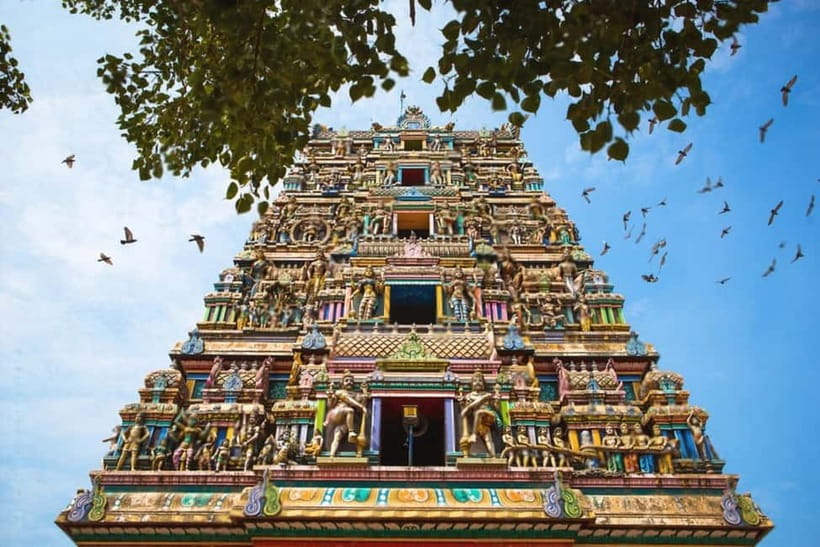
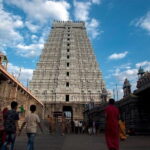
You’ll meet at the entrance of Arulmigu Marundheeshvarar Temple, and the tour’s first major experience begins there. This is dedicated to Lord Shiva, and it’s known for healing powers—so the energy you feel on arrival isn’t casual sightseeing energy. It’s pilgrimage energy.
Even if you don’t know the details, the setup tells you what matters here: people come seeking relief, support, and blessing. A lot of temple visitors spend the time trying to figure out where to look. On this tour, your guide helps you understand what to pay attention to and why—so you can follow the devotional rhythm instead of feeling lost.
Practical note: when the tour starts at the entrance, you’re already in the flow of other worshippers. You’ll want to keep your pace respectful and your voice down. Your guide is there to help you do that without turning it into awkward silence.
The Paamban Kumaragurudhaasar Temple Stop: Quiet Strength in a Tranquil Atmosphere
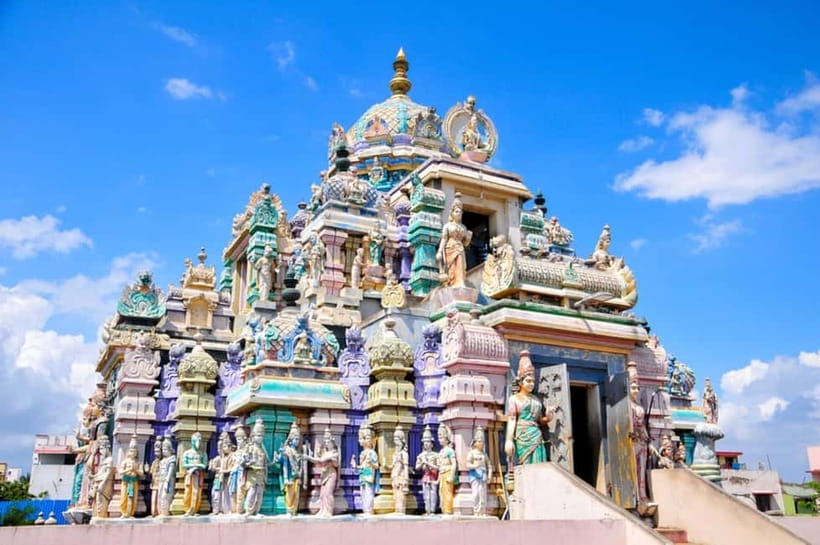
After you’ve got your bearings, the walk continues to the Paamban Kumaragurudhaasar Temple. This one is presented as a more serene, tucked-away kind of stop—an atmosphere where devotees gather for solace and blessings tied to a revered saint, Kumaragurudhaasar.
What I like about including a saint-focused temple in a city-temple route is that it broadens your understanding of faith. It’s not only about gods and formal deity worship. It’s also about the idea of spiritual presence—how stories of people and their lives become part of religious practice.
On this stop, expect a quieter feel compared with the first temple. You’re likely to notice how people slow down. Your guide’s job here is key: you’ll get the meaning behind why devotees come and what kind of mindset the space supports. If you’re looking for calm—this is one of the moments that can do it.
Shri Ashtalakshmi Temple: Eight Forms of Lakshmi and Chanting You Can Hear
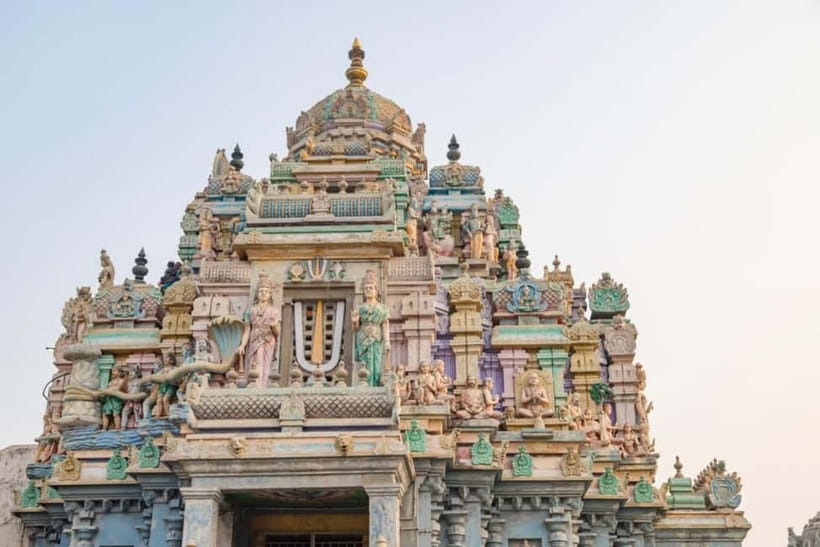
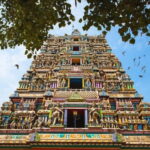
Next comes Shri Ashtalakshmi Temple, dedicated to the eight forms of Goddess Lakshmi. This is where the tour’s “learning” side becomes easier to feel, because the description emphasizes architectural splendor and rhythmic chants.
Goddess worship can be harder to understand as a visitor if you’re expecting a simple explanation. Here, the eight forms give you a framework. Even if you only remember a few details, you’ll better grasp why the chants and prayers have a specific focus. The guided storytelling helps connect the dots between what you see and what worshippers believe they’re calling in—protection, prosperity, and different aspects of feminine divine energy.
If you’re the kind of traveler who wants your photos to mean something, this is the stop. Just keep your behavior respectful. Temples like this can feel very “in the moment,” and you’ll get more out of it when you treat it as active worship space rather than a performance you’re watching.
Arupadai Veedu Murugan Temple: Green Shade, Warrior Deity Focus, and Introspection Time
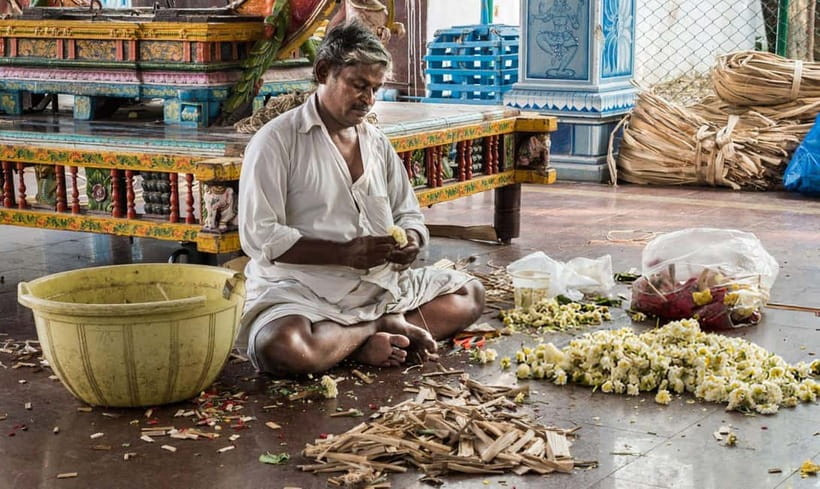
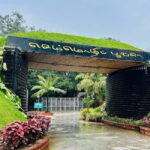
The final temple stop on the spiritual trail is the Arupadai Veedu Murugan Temple, dedicated to Lord Murugan. The way this stop is described leans into peace and strength, with a setting that includes greenery—plus a vibe that’s described as good for introspection and spiritual rejuvenation.
Murugan devotion has a distinct identity in Tamil spiritual culture, and including this temple as the last major stop works well. You move from Shiva-related healing devotion to saint solace, then to Lakshmi’s goddess energy, and finally into Murugan’s warrior deity focus. By the time you reach the last stop, the route starts to feel like a guided lesson in how different forms of devotion can share the same city.
This is also where one review really highlights the tour’s flexibility: Nethaji stayed over time so the group could watch an amazing ceremony at the last temple visit. That’s the kind of detail that can make a short tour feel memorable, because you’re not rushing past the most meaningful moment.

How Your Local Guide Shapes the Experience (And Why That Matters)
This tour is explicitly built around a live guide speaking English, Hindi, and Tamil, and it’s small—limited to 10 participants. That small-group size changes everything. You can ask questions, clarify what you’re seeing, and adjust your pace if you need a breather in the heat.
The guide’s role isn’t just to announce facts. You’ll hear legends, rituals, and customs connected to each sacred site. That turns temple visiting from passive observation into active understanding. It also helps you avoid common visitor mistakes, like treating rituals as a backdrop for photos or missing what people are actually doing and why.
Based on the guide behavior described in reviews, you’ll likely get a warm, accommodating style. Friendly and informative guides matter more on spiritual tours than on typical sightseeing, because you’re entering spaces with ongoing worship.
One more thing: the tour path is a surprise, meaning the guide is likely to choose the route and timing in a way that fits what’s happening at the temples. That flexibility is part of the value.
Price and Value: What $12 Gets You in Real Temple Time
At $12 per person for a 2-hour walking tour, this isn’t priced like a big museum experience. You’re paying for guided access to several key sacred spaces plus the stories that connect them.
Here’s why that price can be good value:
- You get multiple temple visits, not just one stop.
- Your guide is live and multilingual, and you’re in a group of up to 10.
- You’re getting interpretation of rituals and traditions, which is the part you can’t easily DIY at speed.
The trade-off is that transportation isn’t included. Also, you’ll need to bring your own water. So your real budget is the $12 plus basic supplies and the cost of getting yourself to the meeting point.
Still, if you enjoy learning while walking and want a spiritual-focused intro to Chennai, this is a straightforward buy.
What to Bring and Wear: Sun-Ready Temple Rules
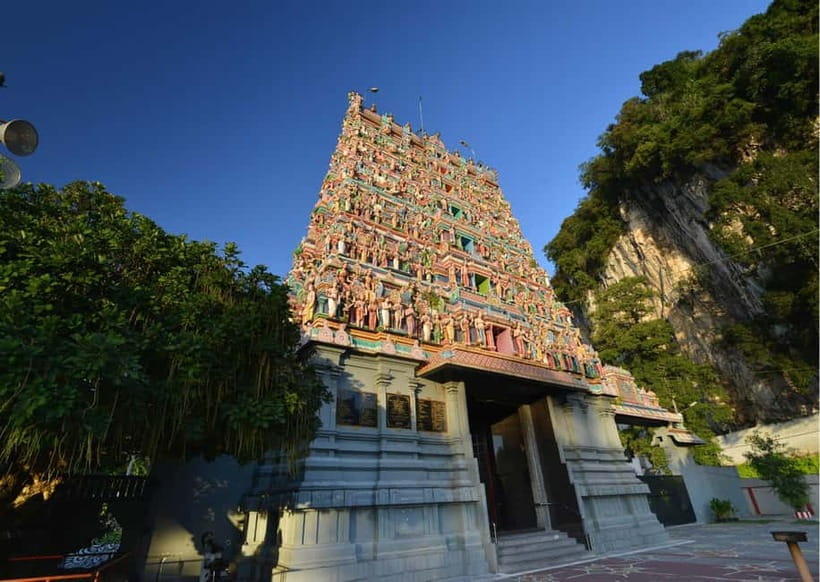
This tour asks for practical preparation because you’ll be walking outdoors and moving between sacred areas.
Bring:
- Water
- Sunglasses and sunscreen
- A sun hat
- Flip-flops for comfort on your feet
- A long-sleeved shirt and long pants
Wear rules matter here. You’re asked to respect spiritual places and wear full sleeve clothes. Shorts and short skirts aren’t allowed, and that’s not just about modesty—it’s about keeping the visit appropriate for active worship.
Not allowed:
- Weapons or sharp objects
- Smoking
- Intoxication, alcohol, drugs, or explosive substances
If you forget clothing basics, you’ll probably feel stressed at the start. So plan ahead and dress temple-friendly from the beginning. It makes the whole walk smoother.
Also note: wheelchair users aren’t suitable for this tour. If you have mobility needs, this route likely won’t match your comfort level.
Small Group Size and the Surprise Route: How to Make It Feel Effortless
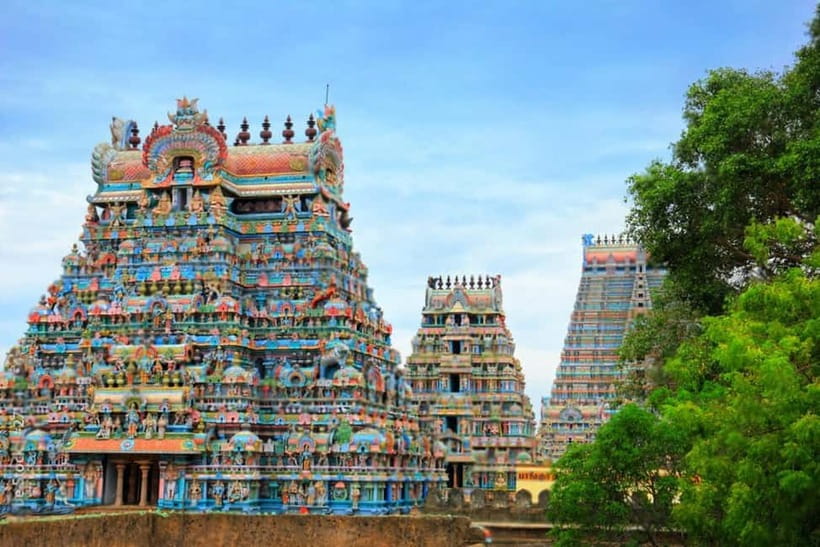
A small group (up to 10) helps you stay connected with the guide. But the surprise route part means you shouldn’t expect a fixed, predictable path where you can pre-plan every photo angle and rest stop.
To make it feel easy:
- Arrive on time at the meeting point entrance of Arulmigu Marundheeshvarar Temple.
- Keep your pace steady and be ready to follow the guide’s adjustments.
- Treat each temple moment as something you participate in, even quietly.
If you’re the kind of traveler who likes control, this route may feel slightly less structured. But if you prefer a local-led flow that follows what’s happening spiritually that day, it’s a strength.
Who This Tour Suits Best (And Who Might Prefer Something Else)
This is ideal for you if:
- You want a spiritual walkthrough of Chennai’s holy sites in a short time.
- You like explanations of rituals and legends, not just architecture.
- You’re comfortable walking for about 2 hours and dressing appropriately.
It may not be ideal if:
- You need step-free routes or wheelchair access.
- You hate sun and don’t want to plan for water and heat.
- You’re looking for broad sightseeing beyond temple spirituality.
The tour fits most well with travelers who enjoy slow attention—people-watching in a respectful way, listening to chants, and asking questions when something catches your eye.
So, Should You Book Spiritual Stories of Chennai?
I’d book this if you want a compact, guided temple experience with real context and a small-group feel. The $12 price looks fair for what you get: multiple sacred stops, a live multilingual guide, and stories that help you understand what you’re seeing. The standout detail for me is the guide flexibility—Nethaji’s willingness to stay longer so the group could watch a ceremony adds meaning to a short tour.
Skip it if you want a bus-style itinerary, you need guaranteed accessibility, or you don’t want to dress temple-appropriate and walk in the sun.
If your goal is Chennai spirituality—Shiva healing devotion, Lakshmi’s eight forms, Murugan’s strength, plus saint-centered solace—this tour gives you a clean, guided way to start.
FAQ
Where does the tour start?
You meet at the entrance of Arulmigu Marundheeshvarar Temple. Arrive on time to avoid delays.
How long is the guided tour?
The duration is 2 hours.
How much does it cost?
The price is $12 per person.
How big is the group?
It’s a small group limited to 10 participants.
What languages are the tour guide speaks?
The live guide speaks English, Hindi, and Tamil.
Is transportation included?
No. Transportation is not included.
What should I bring?
Bring water, sunscreen, sunglasses, a sun hat, and wear long-sleeved clothing and long pants. Flip-flops are mentioned for footwear.
Are shorts or short skirts allowed?
No. Shorts and short skirts are not allowed.
What is not allowed during the tour?
Smoking is not allowed, and weapons or sharp objects are not allowed. Intoxication, alcohol, drugs, and explosive substances are also not allowed.
Is the tour suitable for wheelchair users?
No, it is not suitable for wheelchair users.