REVIEW · CHENNAI
Chennai: St. Thomas Trail & Madras War Cemetery
Book on GetYourGuide →Operated by 5 Senses Tours · Bookable on GetYourGuide
St. Thomas left clues you can still see. In Chennai, this tour strings together the main holy sites linked to St. Thomas with a final stop that slows everything down: the Madras War Cemetery.
I like how the day is built like a story—tomb, cave, martyr site—so it’s not just sightseeing. I also really liked the way the guide handled the human side of the places, including one moment of help with flowers and even getting over a closed gate so a personal visit could still happen.
One thing to plan for: you’ll be walking between religious sites, and you’ll want comfortable shoes plus modest clothing to keep things easy.
In This Review
- Key points you should care about
- Santhome Basilica: neo-Gothic over St. Thomas’ burial site
- Little Mount cave: hiding in AD 68, and the handprints
- St. Thomas Mount: the Dec 21, AD 72 martyrdom site
- Madras War Cemetery: a quiet ending that hits hard
- Price and logistics for a 5-hour private tour (and why it may feel fair)
- What you’ll likely learn (beyond the obvious attractions)
- Who this tour suits best
- Should you book St. Thomas Trail & Madras War Cemetery?
- FAQ
- What sites are included on the St. Thomas Trail and war cemetery tour in Chennai?
- How long is the tour?
- What’s included in the price?
- Is the tour private?
- Do I need comfortable shoes and modest clothing?
- Where does the tour start and end?
Key points you should care about
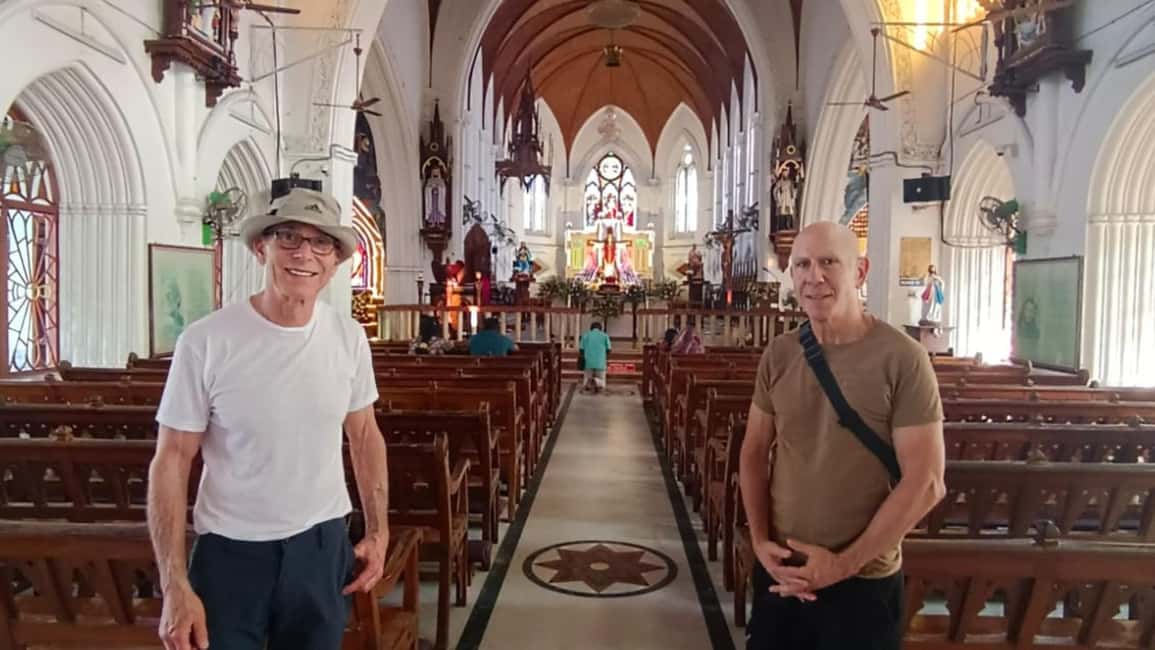
- Santhome Basilica’s tomb setting: a neo-Gothic church built over the burial site tied to St. Thomas
- Portuguese-era details: you’ll see the 16th-century neo-Gothic structure that gives the basilica its dramatic look
- Little Mount’s cave prints: the hand/palm marks associated with St. Thomas’ hiding in AD 68
- Specific martyrdom markers: St. Thomas Mount includes a shrine and an altar tied to the Dec 21, AD 72 account
- Madras War Cemetery is genuinely reflective: orderly white Portland stone headstones and family-chosen messages
- Your guide can matter a lot: English live guidance from 5 Senses Tours, with the very helpful Hareesh mentioned in a review
Santhome Basilica: neo-Gothic over St. Thomas’ burial site
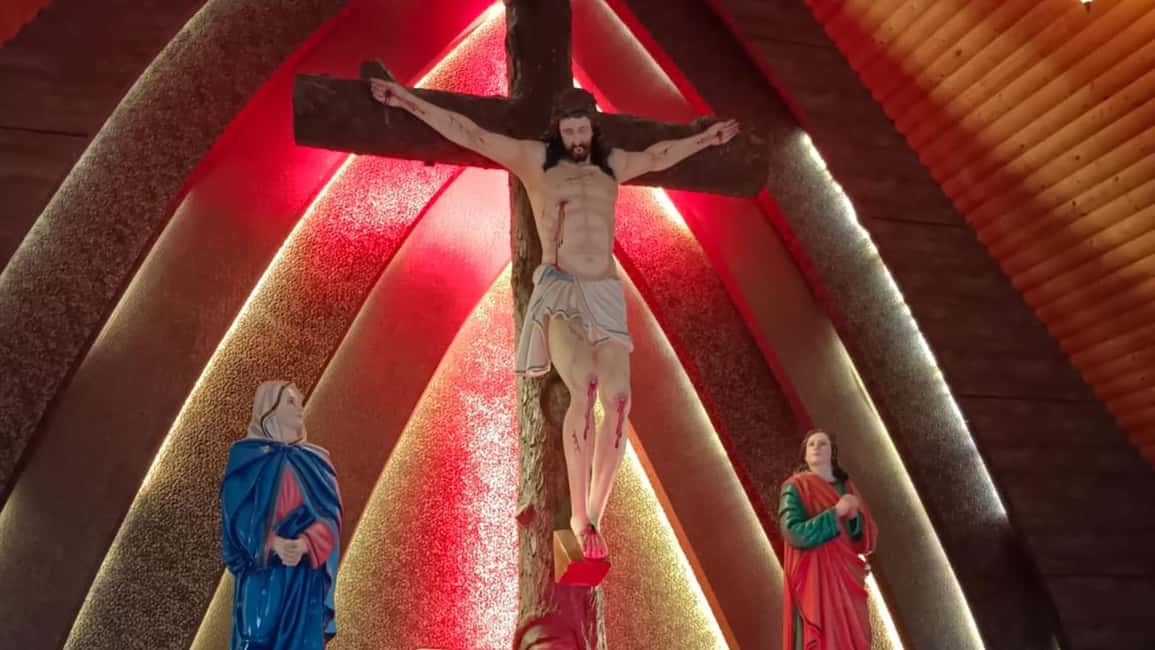
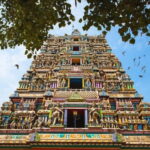
Most “holy sites” tours just point and move on. This one starts with a stronger feeling of place: Santhome Basilica, built over the burial site associated with St. Thomas. The setting is part history, part spirituality, and part architecture lesson—so you get more than one way to connect.
I love the mix here. You’re not only looking at a church interior; you’re inside a landmark with layers. The area around Santhome traces back to a village founded in the 10th century by Christians from Persia, and that adds an extra thread to the story before you even get to the basilica itself. Then the building turns dramatic: the Portuguese explorers of the 16th century created a neo-Gothic structure, giving the place a bold skyline presence for Chennai.
Inside, the focus shifts to relics and testimony of faith. You’ll see the shrine that preserves a small bone of the saint and the head of the lance with which he was pierced. Whether you’re religious, curious, or both, it helps to know that these items are shown as part of the tradition around St. Thomas’ life and death. They make the story feel concrete instead of abstract.
Practical note: churches can ask a bit of patience. Plan for steady walking, time to look, and modest dress so you don’t feel rushed or uncomfortable.
You can also read our reviews of more tours and experiences in Chennai.
Little Mount cave: hiding in AD 68, and the handprints
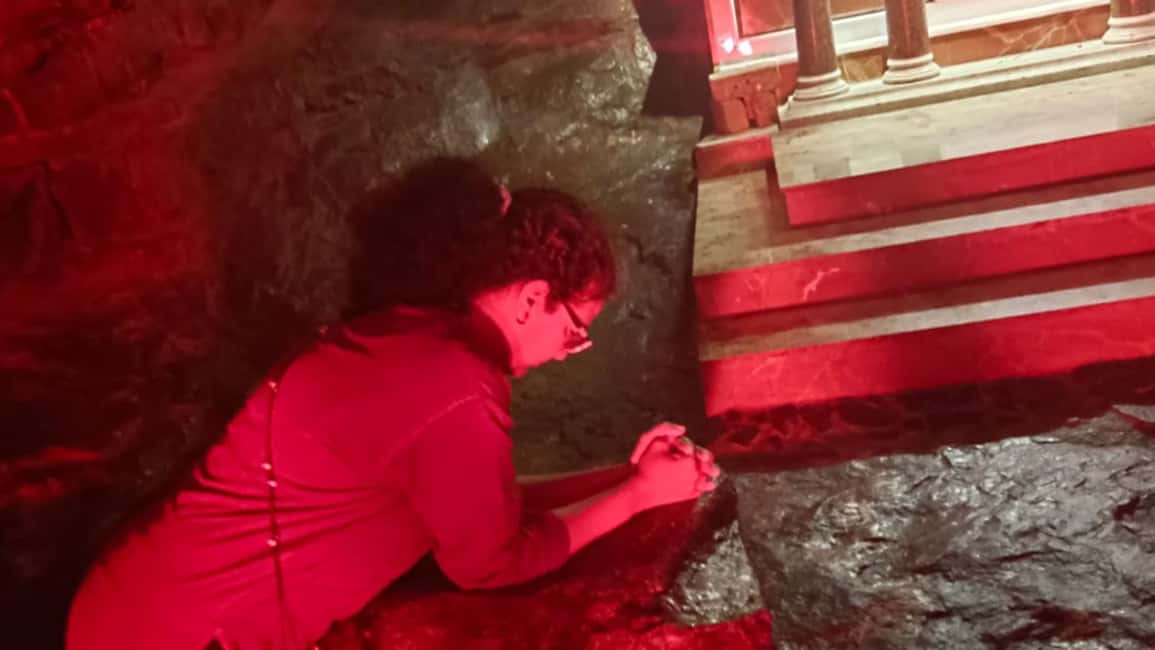
From Santhome, the experience tightens into something more physical: Little Mount. This is where the timeline gets very specific. You visit a cave connected to the period when St. Thomas hid in AD 68 and did penance. That detail matters, because it changes the tone from “grand church” to “human refuge.”
The standout feature here is the tunnel entrance and the prints near it. You’ll see the palm print and handprint that are believed to be those of St. Thomas. Even if you think of them as devotional signs rather than literal proof, they still do what the best religious landmarks do: they connect you to a narrative that believers have kept alive for centuries.
If you’re the type who likes to understand why people travel for spiritual reasons, Little Mount is a good stop. The cave setting compresses the story. Instead of wide space and architecture, you’re dealing with rock, darkness, and a small moment of imagined quiet—penance instead of pageantry.
Also, it’s a smart pacing choice. After the basilica’s neo-Gothic grandeur, the cave feels like a reset: quieter, more intimate, and easier to slow your thoughts down.
St. Thomas Mount: the Dec 21, AD 72 martyrdom site
Then you move to St. Thomas Mount, the site connected to the martyrdom of St. Thomas on December 21, AD 72. The day’s arc becomes clearer here. Santhome emphasizes burial and relics. Little Mount emphasizes hiding and penance. St. Thomas Mount emphasizes what happened at the end of the story—when the narrative turns from survival to sacrifice.
You’ll see a shrine dedicated to Our Lady of Expectation, built in 1523. That adds another layer: it’s not only about St. Thomas. It’s also how local Christian communities interpreted and honored the story over time. You’ll also admire an altar built on the spot where St. Thomas was murdered, and there’s a gateway marked by four arches topped by a cross bearing the inscribed date 1547.
I like how the mount combines several kinds of markers: a shrine, an altar, and architectural dates. That gives you multiple entry points to understand why the site stayed important across centuries. Even if you’re not into religious archaeology, the place tells its own timeline.
One consideration: because it’s a religious site, you’ll want to keep your voice low and move respectfully. You’ll get more out of the time if you let your attention settle instead of trying to rush through.
Madras War Cemetery: a quiet ending that hits hard
The last leg is the stop that changes the temperature of the day: Madras War Cemetery. It’s maintained meticulously by the Commonwealth War Graves Commission, and it shows. You’ll walk among neat rows of white Portland stone headstones, each with personal messages chosen by families. That detail is what makes it more than a memorial plaque. It’s human-scale grief, repeated.
The cemetery covers more than World War II. You’ll see tribute to over 850 Commonwealth service personnel who sacrificed their lives during World War II. There’s also a separate memorial stone honoring over 1,000 who fell in World War I. So you’re not just looking at one war. You’re looking at a broader record of loss that spans multiple generations.
I’m going to be honest: this stop is the reason I’d recommend the tour to anyone who wants their travel to mean something. The contrast is powerful. You start at sites tied to faith and ancient storytelling, and you end at a place where history is pinned down in individual names, dates, and family-chosen messages.
It also stands out because the guide support can be personal here. In a review tied to this tour, Hareesh helped with flowers and even assisted with getting access when a gate was shut—because the traveler’s visit was about paying respects to a specific family member. That kind of attention matters. It reminds you that the cemetery isn’t a photo stop; it’s for reflection.
Bring a minute for your own thoughts. If you try to treat this like the last checkbox, you’ll miss what it’s offering.
Price and logistics for a 5-hour private tour (and why it may feel fair)
This tour runs about 5 hours, and it’s a private group with an English live guide. You’re picked up from your hotel lobby and dropped back in an AC car. Entry charges are included, and lunch is provided as South Indian vegetarian food.
At $87 per person, the value depends on what you want from your guide time. For me, the big “value lever” is the combination of three St. Thomas sites plus the Madras War Cemetery in one guided format, all while handling entry and navigation. In a city as busy as Chennai can feel, getting door-to-door pickup and a set route can save energy so you can focus on the places themselves.
The lunch helps too. You don’t have to hunt for food between stops, and it keeps the day from stretching. That matters because religious sites tend to set the pace: you’ll want time to look, read, and sit with what you’re seeing.
If you’re traveling with someone who cares about faith traditions, history markers, or memorial sites, private guiding usually pays off. You can ask questions, get translations, and adjust your pace without feeling like you’re slowing a group down.
One more practical point: this is walking. Wear comfortable shoes and keep your outfit modest.
What you’ll likely learn (beyond the obvious attractions)
Even if you know St. Thomas mainly as a Christian figure, this route gives you a clearer map of how traditions took root and how stories stayed anchored in specific locations.
At Santhome, you see how a burial tradition links to later architecture—Portuguese neo-Gothic design over earlier sacred claims, with relics presented as part of ongoing devotion. At Little Mount, you get the story’s “middle act” around AD 68: hiding and penance, shown through cave space and prints near a tunnel entrance. At St. Thomas Mount, you reach the ending markers: shrine, altar, and the gateway dated 1547, all tied to the martyrdom date December 21, AD 72.
Then comes the shift to modern history. The war cemetery turns the ancient story into a shared human one. It’s not “religion vs. history.” It’s both, in different keys: faith traditions honoring a saint on one side, families remembering the dead on the other.
If you’re someone who likes to connect dots—how different communities mark time and meaning—this itinerary is set up well for that.
Who this tour suits best
This is a strong choice if you want:
- A guided route through major St. Thomas locations in Chennai in a single half-day
- A respectful look at religious sites without feeling lost in details
- A meaningful final stop at a Commonwealth War Graves Commission cemetery
- Lunch and door-to-door comfort via an AC car and hotel pickup
It may be less ideal if you dislike walking, need a very laid-back pace, or prefer a tour that skips memorial sites for something lighter.
Should you book St. Thomas Trail & Madras War Cemetery?
Yes, if you want your time in Chennai to feel purposeful. The pairing of St. Thomas sites with the Madras War Cemetery gives you a morning-to-evening emotional arc, even though the day is only five hours. And the tour’s value gets stronger when you appreciate guided context, included entries, and lunch instead of piecing everything together on your own.
If you’re unsure, ask yourself one question: do you like travel that mixes story, place, and reflection? If the answer is yes, this is the kind of tour that leaves you thinking after you’re back at your hotel.
FAQ
What sites are included on the St. Thomas Trail and war cemetery tour in Chennai?
You’ll visit Santhome Basilica, Little Mount (including St. Thomas’ handprints), St. Thomas Mount, and the Madras War Cemetery.
How long is the tour?
The tour duration is 5 hours.
What’s included in the price?
The tour includes a guide, entry charges, a South Indian vegetarian lunch, and pick-up and drop-off in an AC car.
Is the tour private?
Yes, it’s a private group with a live English-speaking guide.
Do I need comfortable shoes and modest clothing?
Yes. The tour involves walking, so comfortable shoes are important, and the sites are religious, so modest dress is recommended.
Where does the tour start and end?
Pick-up is from your hotel lobby in Chennai, and the tour returns you back to Chennai after the final stop.