REVIEW · CHENNAI
Neighborhood Market Tour & South Indian Cooking Class in Chennai
Book on Viator →Operated by Traveling Spoon · Bookable on Viator
Cooking in a Chennai home beats restaurants. In about five hours, you’ll shop a neighborhood market with Jyashree and then learn South Indian basics that go way beyond recipes.
I love that the market visit is practical: you see produce and flowers up close, and you get real explanations from Jyashree and her husband Rabi. I also love the payoff meal—an Iyer sapaad lunch served on a banana leaf with dosas, rasam, pickles, and chutneys.
One consideration: there’s no hotel pickup and drop-off, so you’ll need to get yourself to the meeting point in Besant Nagar.
In This Review
- Key highlights at a glance
- Meeting in Besant Nagar and Starting with Tea (Not Coffee-Table Food)
- The Neighborhood Market Tour: Produce, Flowers, and Real Explanations
- Inside the Kitchen with Jyashree: Learning the Building Blocks of Iyer Cooking
- Cooking Your Own Lunch: An Iyer Sapaad on Banana Leaf
- Pickles, Chutneys, and Seasonal Small Bites That Make the Meal
- What the “Private” Format Actually Gives You
- Value and Price: Is $152 Worth It for a 5-Hour Chennai Class?
- Practical Logistics That You Should Plan For
- Who This Chennai Market and Cooking Class Fits Best
- Should You Book This Chennai Experience?
- FAQ
- How long is the Chennai market tour and cooking class?
- What is included in the price?
- Is there hotel pickup or drop-off?
- What does the cooking class cover?
- What kind of meal will I eat?
- Can the hosts accommodate allergies or dietary restrictions?
- What is the cancellation policy?
Key highlights at a glance
- Market shopping with Jyashree (plus Rabi) for regional produce you’d never notice on autopilot
- A full cooking lesson (about 1–2 hours) focused on South Indian favorites like poriyal, flavored rice, and rasam
- A proper Iyer sapaad vegetarian meal, served on a banana leaf, not a “demo” plate
- Seasonal pickles and chutneys, with examples like tender mango pickle or green tomato chili-garlic chutney
- Non-alcoholic drinks and coffee at the start, so you’re comfortable from the first minute
- Private format so you can ask questions without a crowd cutting you off
Meeting in Besant Nagar and Starting with Tea (Not Coffee-Table Food)
This experience starts in Besant Nagar, at 39, MG Ramachandran Rd, Kalakshetra Colony. You’ll meet right where you begin, then head out together—so think of it as more “hosted day out” than “tour bus program.”
Before you shop, you’ll have a traditional South Indian coffee at your host’s home. It sets the tone: casual, local, and focused on everyday life. That matters, because the rest of the time is built around what families actually buy and cook—not a staged show.
Timing is also friendly. The whole thing runs about 5 hours, so you get a complete arc: market, cooking, then eating. If your Chennai schedule is tight, this is a satisfying way to spend a half-day without feeling like you disappeared for the entire day.
You can also read our reviews of more shopping tours in Chennai


The Neighborhood Market Tour: Produce, Flowers, and Real Explanations
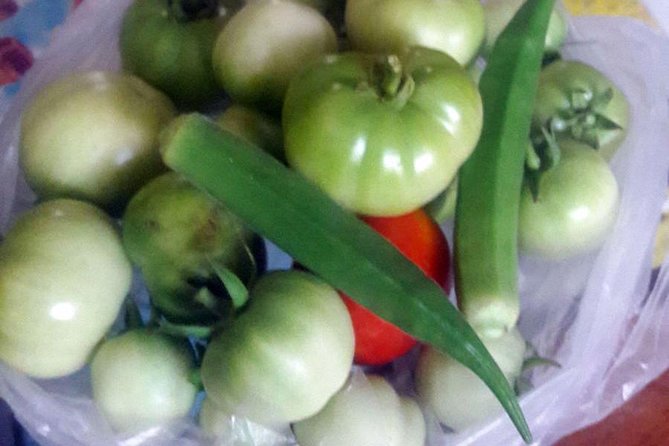
The market visit is where you get your bearings for South Indian cooking. You won’t just walk past stalls. You’ll explore vegetable and flower vendor areas, and you’ll learn how local shoppers think about ingredients.
Jyashree (and often Rabi alongside her) helps you connect foods to dishes. You’ll see varieties of regional produce and learn what’s used and why. That’s huge for you as a cook at home later. When you understand the ingredient logic—what’s seasonal, what’s common, what tastes right together—you can recreate flavors with less guesswork.
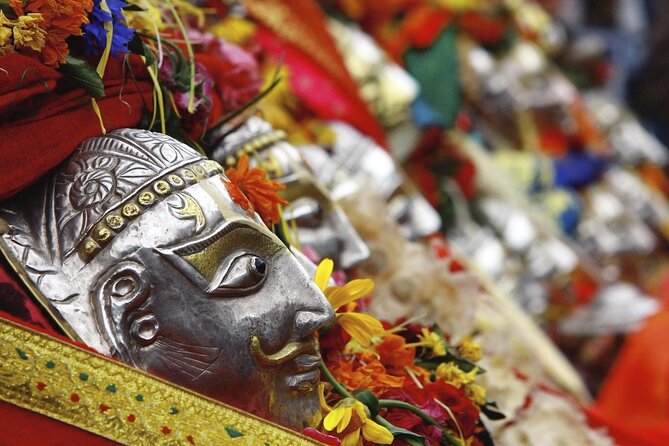
You’ll also notice the flower side of the market, which is easy to miss in typical travel food plans. Even if you don’t plan to cook with flowers, the fact that they’re part of daily shopping tells you something about food culture here. It’s not only about taste; it’s about what’s used in family kitchens and daily routines.
Practical tip: wear comfortable shoes and expect some time standing and walking. Markets are active spaces, and you’ll want your feet to be happy.
Inside the Kitchen with Jyashree: Learning the Building Blocks of Iyer Cooking
After the market, you’ll go to the kitchen and start the class with Jyashree. The cooking lesson lasts about 1–2 hours, and it’s structured around core dishes that make a South Indian meal feel complete.
You’ll learn to make several items that are central to an Iyer vegetarian spread, including:
- Vegetable poriyal (sautéed spiced vegetables)
- Flavored rice
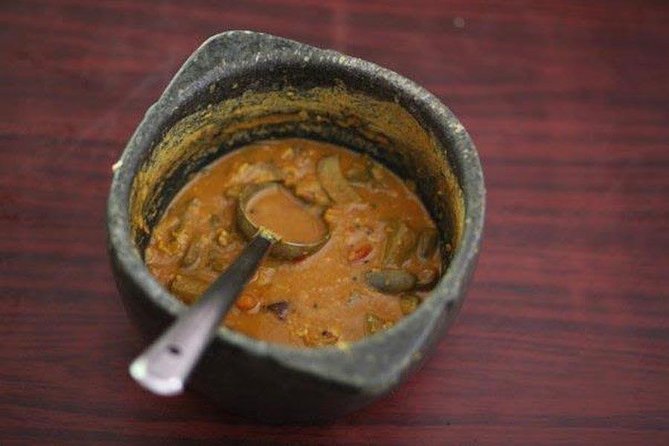
- Rasam (a peppery broth meant for eating with rice and ghee)
What I like about this menu is that it teaches patterns, not just one dish. Poriyal teaches spicing and texture. Rasam teaches how to build a broth that’s lively and comforting. Flavored rice shows you how rice becomes the anchor of the plate.
This is also a good class if you want techniques you can reuse. South Indian home cooking tends to make a lot from a few smart steps—tempering spices, balancing sour and heat, and using fresh aromatics. Once you learn those basics, you can adapt them across seasons.
And yes, you’re not just watching. You’ll participate, and the kitchen time is long enough that you’ll feel like you actually cooked—then you’ll eat your work.
Cooking Your Own Lunch: An Iyer Sapaad on Banana Leaf
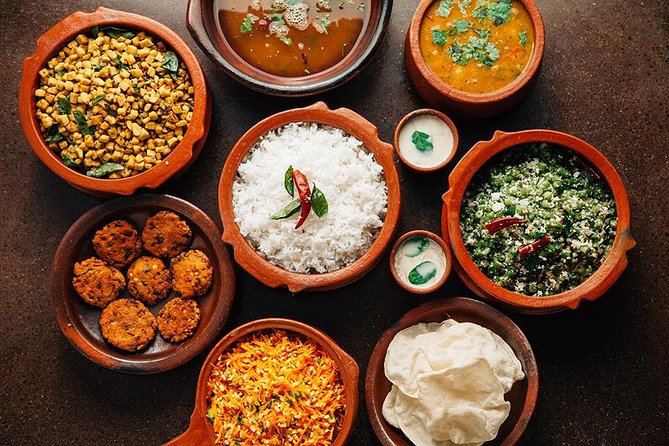
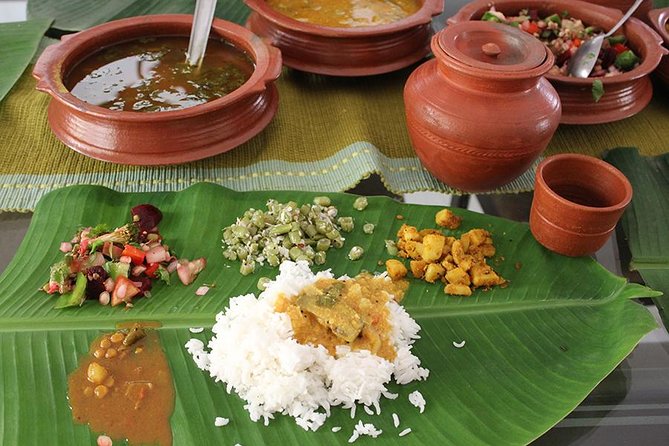
When the dishes are ready, you sit down for a traditional South Indian Iyer sapaad. This isn’t a random assortment of foods. It’s an intentional vegetarian meal, and it’s served with the banana leaf tradition.
You’ll eat what your class helps create, along with dishes prepared in advance. The meal includes a range of components that work together:
- Rice and handmade dosas (crispy South Indian crepes)
- Rasam as the peppery, rice-friendly broth
- Poriyal and flavored rice you learned
- A spread of pickles and chutneys that change with the season
- A sweet dessert to close it out
Serving on a banana leaf is more than a nice visual. It shapes how families eat. The setup keeps the meal feeling connected: each item has a place, and you move through the flavors as a unit. It’s also a strong sensory reminder of how everyday dining works in South Indian homes.
Pickles, Chutneys, and Seasonal Small Bites That Make the Meal
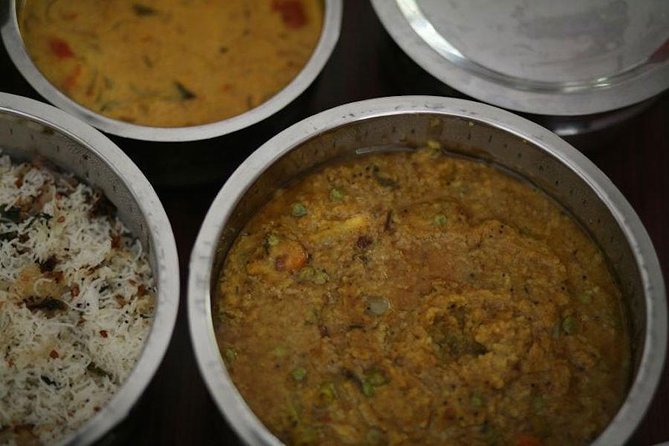
One of the most “Chennai” parts of the experience is the pickles and chutneys. These aren’t treated like side quests. They’re part of the flavor system that makes rice and dosa taste alive.
You’ll sample homemade options, which can vary by season. The examples given include tender mango pickle and a green tomato, chili and garlic chutney. That combo alone tells you a lot about the approach: sweet-tangy fruit pickles alongside sharper, garlicky chutneys that cut through starchy food.
I find this section especially useful if you like to cook later. Chutneys and pickles are often easier to reproduce than full entrées. If you learn the flavor direction, you can rebuild the taste at home even if ingredient availability changes.
You’ll also notice that the spreads are made fresh around what’s available, which is why the exact menu can shift. That’s not a problem. It’s part of what makes the class feel like a living home routine rather than a fixed “tour meal.”
You can also read our reviews of more tours and experiences in Chennai



What the “Private” Format Actually Gives You
This is a private tour/activity for your group only. That matters more than it sounds. In a cooking class, you want time to ask questions without feeling like you’re stealing from a shared schedule.
Because it’s private, you can also raise dietary concerns. Jyashree is happy to accommodate allergies and dietary restrictions, and you’re asked to share requests at booking. That gives you a realistic path to a comfortable meal, not a generic “we’ll try” response.
It also means the market stops and kitchen pacing can feel more personal. If you’re slow at asking questions or you want extra time with a specific step—like how rasam gets its personality—you’re more likely to get that attention.
Value and Price: Is $152 Worth It for a 5-Hour Chennai Class?
At $152 per person for about 5 hours, this isn’t the cheapest food activity in Chennai. But it also isn’t trying to be. You’re paying for three things that often cost more separately:
- A hosted market visit with explanation of regional produce and flowers
- A real 1–2 hour cooking lesson where you participate
- A home-cooked meal that includes an Iyer sapaad spread plus non-alcoholic drinks
When you compare it to paying for restaurant food plus a separate market guide, the price starts to make sense. You’re not just eating. You’re getting guided ingredient knowledge and hands-on cooking for dishes you’ll actually want to repeat at home.
Also, the pacing is the right length. A long cooking day can drag. A short class can feel like a teaser. This hits the middle: enough time to learn and then eat properly while everything is still fresh and hot.
If you value authentic, skill-based cooking over a photo-heavy meal, this is a strong use of your time.
Practical Logistics That You Should Plan For
A few practical notes make your day smoother:
- No hotel pickup or drop-off: you’ll handle getting to the meeting point in Besant Nagar.
- The activity ends back at the meeting point, so you won’t be dropped somewhere unfamiliar.
- It’s near public transportation, which helps if you’re using local transit.
- You’ll receive confirmation within 48 hours of booking, subject to availability.
- Service animals are allowed.
If you’re planning this around other Chennai activities, give yourself a buffer for travel time to Besant Nagar. Since there’s no pickup, arriving late can cut into your market and cooking time.
Who This Chennai Market and Cooking Class Fits Best
This experience is ideal if you want:
- Real South Indian vegetarian cooking skills, especially Iyer sapaad staples
- A market visit that teaches ingredient thinking, not just a stroll
- A relaxed day with conversation—food culture, family life, and how dishes fit daily routines
- A meal experience that feels like dining with a family host, not eating on a tight script
It’s especially suited for people who plan to cook after the trip. If you’re hoping to learn specific dishes like vegetable poriyal, rasam, and dosa basics, you’ll get a lot from the structure.
If you’re someone who wants only street snacks and you don’t care about cooking, this might feel more hands-on than you want. But if you like to learn and eat well, it’s a very good match.
Should You Book This Chennai Experience?
Yes—if you want a serious cooking lesson plus a proper home-style meal. The combination is the point. You shop ingredients locally with Jyashree and Rabi, you learn key South Indian dishes in the kitchen, then you sit down to an Iyer sapaad served the traditional way on a banana leaf. That arc gives you both context and technique, and it ends with food that actually tastes like someone’s day-to-day life.
Book it especially if:
- You’re interested in South Indian vegetarian cooking beyond generic curry
- You like market-to-plate experiences with real ingredient explanations
- You want a private format where questions are welcome
Don’t book it if:
- You strongly rely on hotel pickup and don’t want to manage local arrival by yourself
- You only want restaurant-style tasting with no cooking participation
If you’re on the fence, my advice is simple: this is one of those Chennai experiences that leaves you with flavors you can recreate, not just photos.
FAQ
How long is the Chennai market tour and cooking class?
The experience lasts about 5 hours.
What is included in the price?
It includes the private market tour and cooking class with your host Jyashree, plus a home-cooked South Indian vegetarian meal. Non-alcoholic drinks are included as well.
Is there hotel pickup or drop-off?
No. You meet at the provided address in Besant Nagar, and the activity ends back at the meeting point.
What does the cooking class cover?
You’ll learn to prepare dishes such as vegetable poriyal, flavored rice, and rasam. You also help with the meal.
What kind of meal will I eat?
You’ll enjoy a traditional South Indian Iyer sapaad vegetarian spread, served on a banana leaf, along with rice and handmade dosas, pickles, chutneys, and a sweet dessert.
Can the hosts accommodate allergies or dietary restrictions?
Yes. Jyashree is happy to accommodate allergies and dietary restrictions—share your requests at booking.
What is the cancellation policy?
You can cancel for free, and a full refund is available if you cancel at least 24 hours before the experience’s start time.