REVIEW · CHENNAI
Chennai Walk of Divinity
Book on Viator →Operated by Yo Tours · Bookable on Viator
Temples, but with a brain behind it. Chennai’s Walk of Divinity is a 2-hour, in-town walk that uses temple stories to connect healing traditions with the way people think and feel, and then keeps moving through small-group back-lane Chennai instead of big-city traffic. You’ll see Shiva, Murugan, Lakshmi, and even a Gothic Catholic shrine in one coherent route, guided by a storyteller who frames faith as something practical, not just mystical.
I like that the guide doesn’t treat religion like a museum label. The stops are picked for how they function in daily life, from curative worship to quiet nature settings. One consideration: there’s no hotel pickup, so you need to get to the start at Lalitha Nagar, Thiruvanmiyur on time, and I’d double-check the exact meeting spot on Google Maps before you go—some groups have lost time when the starting point wasn’t communicated clearly.
In This Review
- Key things you’ll notice on this walk
- Price and value: $12.60 for 2 hours of meaning
- How the route feels: a walk that turns inward (and still moves fast)
- Marundeeswarar Temple: Shiva as the God of Medicines
- Pamban Swami Temple: a quiet spiritual stop in sandy nature
- Arupadai Veedu Murugan Temple: one of Tamil Nadu’s six Murugan abodes
- Ashtalakshmi Temple: Lakshmi and her eight primary forms
- Annai Vailankanni Shrine: Gothic Catholic pilgrimage with a small museum
- The guide: conversations make or break this kind of tour
- Meeting points and timing: plan like a local, not like a passenger
- Who should book this walk (and who should skip it)
- Quick checklist before you go
- Final call: should you book Chennai Walk of Divinity?
- FAQ
- How long is the Chennai Walk of Divinity?
- What does the tour cost?
- Is hotel pickup included?
- Where does the tour start and end?
- What’s included in the tour?
- Is cancellation free?
Key things you’ll notice on this walk
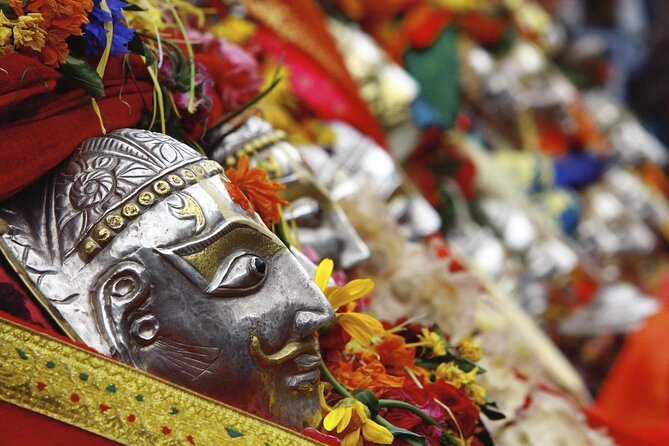
- Shiva as Aushadeeswarar (God of Medicines) at Marundeeswarar Temple, explained through the temple’s curative role
- Sandy stillness at Pamban Swami Temple, where the natural setting is part of the spiritual message
- Arupadai Veedu Murugan Temple, tied to one of the six Murugan abodes in Tamil Nadu
- Ashtalakshmi Temple’s eight forms of Lakshmi, with a clear guide-led breakdown of what you’re looking at
- Annai Vailankanni Shrine’s Gothic Catholic character, plus a small museum that helps you read the site fast
- A maximum of 15 people, which keeps the pace conversational rather than rushed
Price and value: $12.60 for 2 hours of meaning
At $12.60 per person for about two hours, this walk is priced like a budget-friendly city experience, not a full-day tour. The value comes from how the time is used: you’re not just passing buildings—you’re walking between sites that connect by theme, and the guide is built into the product.
What you get that matters:
- A friendly storyteller/guide who can speak English & Hindi
- Access to lanes and in-between places, not only postcard fronts
- Local tips to help you spend less and move smarter in Chennai
- Conversation-based explanations, which is the whole point of the “Walk of Divinity” idea
A practical note: water bottle and hotel pickup/drop are not included. So plan on bringing your own water or buying one near the start, and treat this as a self-arrive, self-return-style outing.
You can also read our reviews of more tours and experiences in Chennai.
How the route feels: a walk that turns inward (and still moves fast)
The concept is simple: most tours keep you looking outward at sights. Here, the guide pushes you to look inward—at the meanings people attach to illness, devotion, learning, and the mind’s role in wellbeing.
That may sound abstract, but it lands in concrete ways at the temples. For example, Marundeeswarar Temple isn’t presented only as architecture. It’s presented as a place connected to curative worship, specifically tied to Shiva as Aushadeeswarar, the God of Medicines. The same idea shows up again and again: you’ll be asked (gently) to connect spirituality, religion, and what feels like everyday logic—why certain practices exist, why people return, and how these spaces shape behavior.
The pace is also important. With a maximum of 15 travelers and a focused set of stops, you get enough time at each place to understand what you’re seeing without feeling stuck.
Marundeeswarar Temple: Shiva as the God of Medicines
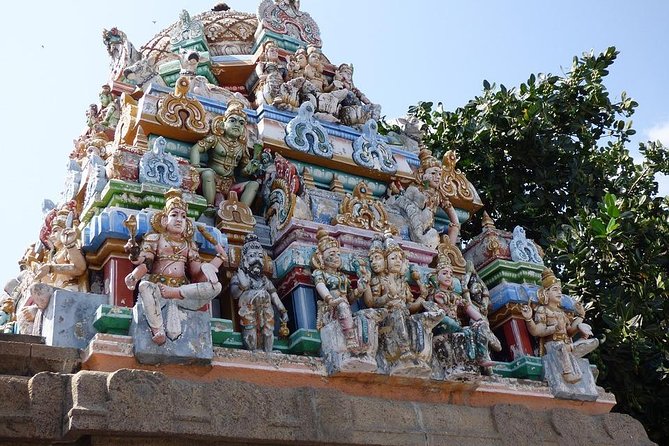
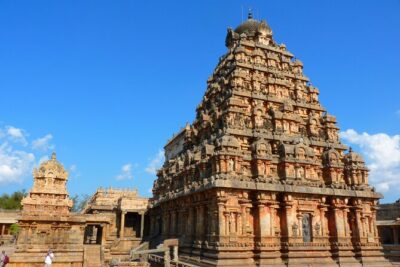
Your first major stop is Marundeeswarar Temple, dedicated to Shiva in the form of Aushadeeswarar, the God of Medicines. The temple uses Dravidian architecture, and it’s known as a place of curative worship for people with diseases.
What I think you’ll appreciate here is that the guide makes the healing theme visible. Even if you don’t share the religious beliefs, you can still read the logic of why this space matters to visitors: it’s built as a community center for hope and care. Instead of treating the temple like stone and incense only, you’ll be guided to understand why people come, what they seek, and how the temple’s identity shapes the experience.
A practical tip: temples can be active places. Dress respectfully, keep your phone use modest, and be ready for slower moments while you observe. If you want photos, take a quick overview first—then let the guide explain details without constant interruptions.
Potential drawback: if you’re expecting a fast photo tour with minimal explanation, this stop may feel more reflective than you planned for. But if you like meaning-making, it’s a highlight.
Pamban Swami Temple: a quiet spiritual stop in sandy nature
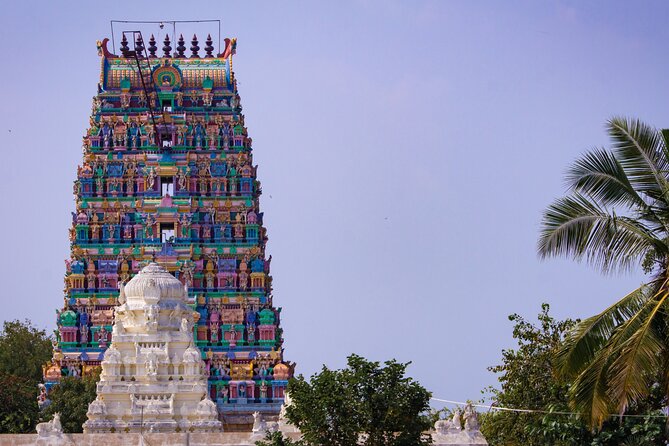
Next is Pamban Swami Temple, dedicated to the Hindu religious scholar Pamban Swamigal. Unlike a tight urban temple, this one sits among acres of sandy land with trees, birds, and a serene environment.
This stop works because the setting is part of the message. The guide leans into that idea: the natural environment is presented as a force that supports the spiritual power of the place. That means you’ll get more than visuals—you’ll likely feel the shift in soundscape and tempo as the walk continues.
If you’re someone who enjoys stopping to notice birdsong, shade, and open air, this can be refreshing. It breaks up the denser temple clusters with something that feels slower and more grounded.
A small consideration: because the location is described with natural terrain (sand, trees, outdoor feel), you’ll want to think about weather and footwear. Comfortable walking shoes are your friend here, especially if the route includes uneven ground.
Arupadai Veedu Murugan Temple: one of Tamil Nadu’s six Murugan abodes
Then you move to Arupadai Veedu Murugan Temple, dedicated to Murugan—the son of Lord Shiva. In Tamil Nadu, Murugan is linked to six abodes (called Arupadai Veedu), and this temple is one of them.
What makes this stop useful is clarity. A good guide will help you understand what “six abodes” means in practice—why devotees think of geography as part of devotion. You’ll be nudged to see the temple not as a random stop, but as a chapter in a wider spiritual map.
If you’re unfamiliar with the Murugan tradition, that’s not a problem. The guide is there to connect symbolism to what you see on the ground. And if you’re already curious about Tamil Hindu traditions, you’ll likely leave with better organized mental notes than you’d get by reading alone.


Ashtalakshmi Temple: Lakshmi and her eight primary forms
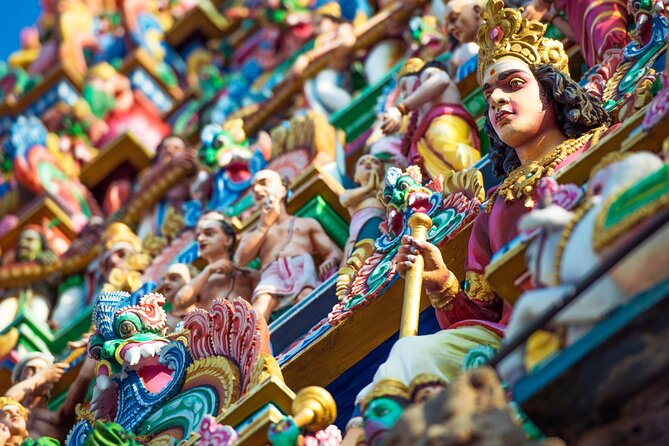
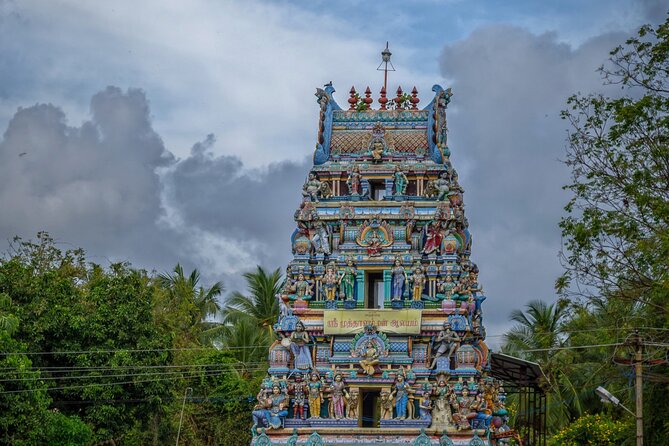
Next is Ashtalakshmi Temple, dedicated to the goddess Lakshmi and her eight primary forms. The word Ashtalakshmi itself points to the number, and the guide-led approach is the key here: without explanation, these temples can blur together visually, especially if you’re not tracking which form is which.
With a guide, you can turn the visit into a structured learning session. You’re not only seeing goddess imagery—you’re learning the concept of eight forms and how devotion works through variation. It’s the kind of stop that can change how you read other Lakshmi-related visuals later in the city.
Practical suggestion: take a quiet minute between points of interest. This is a temple where attention pays off. If you’re rushing, you’ll miss the guide’s connective tissue.
Annai Vailankanni Shrine: Gothic Catholic pilgrimage with a small museum
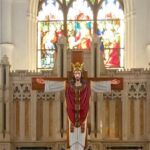
The walk ends at Annai Vailankanni Shrine on Annai Velankanni Road in Besant Nagar, at Odaimanagar. This is a Gothic-style Catholic pilgrimage destination, and it also has a small museum.
This ending matters because it flips the religious frame without breaking the travel story. You’re still in a “devotion space,” but you’re now reading Catholic pilgrimage culture—architecture, visitor flow, and the way the site explains itself through a museum component.
If you like practical context, the small museum is a bonus. It helps you understand what you’re looking at instead of guessing. You’ll also get the satisfaction of seeing how Chennai’s spiritual life isn’t one-note. Hindu temples earlier in the walk and a Catholic shrine at the end make the route feel bigger than any single tradition.
The guide: conversations make or break this kind of tour
This tour is built around a highly trained storyteller/guide who speaks English & Hindi. That’s not a side detail—it’s the product.
One guide name you may see referenced is Mr Nanda, described as notably knowledgeable and honest about Hinduism, with explanations that made the significance clear even for visitors who aren’t Hindu. Whether or not you get him, aim for the same vibe: ask questions, and let the guide steer you away from assumptions.
The best way to get value from this setup:
- Ask what a specific symbol represents and why people care about it
- If you’re not religious, still focus on meaning and community function
- Let the guide explain first, then take photos
Meeting points and timing: plan like a local, not like a passenger
The start is Lalitha Nagar, Thiruvanmiyur, Chennai. The tour ends at Annai Vailankanni Shrine in Besant Nagar. There’s no hotel pickup, but it’s described as near public transportation.
This matters because you control your schedule. Show up early enough to settle in, and don’t rely on a taxi driver interpreting something offhand if you’re not showing clear directions. I’d also arrive with the meeting address loaded in Google Maps and a little buffer, since one past group experience included losing about 90 minutes when the starting point wasn’t clear.
Also note: it’s a mobile ticket format. Have your ticket ready on your phone when you meet the guide.
Who should book this walk (and who should skip it)
You’ll probably love this tour if:
- You enjoy temples with explanation, not just temple sightseeing
- You want a short, organized way to understand Tamil religious life
- You like reflective walks where the guide connects tradition to human experience
- You’re curious how Chennai holds different faiths in the same day
You may want to skip if:
- You prefer tours that are purely visual and quick
- You have strict time limits and zero flexibility for any start-point confusion
- You’re only interested in one religion and don’t want the route to mix traditions
Quick checklist before you go
- Bring water (it’s not included)
- Wear respectful temple-appropriate clothing and comfortable shoes
- Have your mobile ticket ready
- Confirm the start point address on Google Maps ahead of time
- Keep expectations realistic: it’s a 2-hour walk, so you’ll get understanding, not a full museum-style education
Final call: should you book Chennai Walk of Divinity?
If you’re open-minded and you like guides who explain why people do what they do, this walk is a strong value. For a modest price, you’ll get a tight route through major Tamil Hindu sites plus a Catholic pilgrimage shrine—built with conversation and a clear theme of spirituality meeting everyday logic.
Book it if you want meaning, not just monuments. If you hate logistics or you need hotel pickup, I’d choose a different option. But if you can meet the guide at the start and you’re ready to pay attention, this is the kind of Chennai experience that stays with you after the photos fade.
FAQ
How long is the Chennai Walk of Divinity?
It’s about 2 hours.
What does the tour cost?
The price is $12.60 per person.
Is hotel pickup included?
No. Hotel pickup and drop are not included.
Where does the tour start and end?
It starts at Lalitha Nagar, Thiruvanmiyur, Chennai, Tamil Nadu 600041 and ends at Annai Vailankanni Shrine, Annai Velankanni Road, Odaimanagar, Besant Nagar, Chennai, Tamil Nadu 600090.
What’s included in the tour?
Included are a friendly English & Hindi-speaking guide/storyteller, great local tips, and access to hidden lanes and places, along with interesting conversations.
Is cancellation free?
Yes, it offers free cancellation. You can cancel up to 24 hours in advance for a full refund.