REVIEW · CHENNAI
Shopping and Bazaar trail in Chennai
Book on Viator →Operated by 5 Senses Walks · Bookable on Viator
Chennai’s markets hit fast, in all senses.
This shopping and bazaar trail is a straight-to-the-point way to see how the city trades—wholesale lanes in the early morning, then leather, antiques-style stalls, and a crafts stop at Victoria Technical Institute. Guides such as Nivi, Hareesh, and Jainaith come up in real experiences for their calm, practical guidance, so you’re not fumbling your way through a maze.
I particularly like that the tour removes two big headaches: hotel pickup/drop-off and language/haggling pressure. I also love the variety packed into one day—flowers and produce in the first market, then leather and market-style shopping, with lunch provided so you don’t lose time hunting food.
One thing to consider: you’ll be walking through busy market lanes for several hours, so you’ll want a moderate fitness level and comfortable shoes. Also, drinks aren’t included, so plan for water.
In This Review
- Key things to know before you shop
- What this Chennai bazaar tour is really about
- Morning start: Koyambedu’s wholesale lanes for flowers, fruit, and veg
- Burma Bazaar: leather market shopping without the scramble
- The middle of the day: fish and flea market stops
- VTI Chennai crafts emporium: traditional handicrafts at Victoria Technical Institute
- Lunch included: a real break, not a pause you resent
- Price and value: is $90 worth your day?
- How small-group touring changes the shopping game
- What to bring (so the markets feel easy, not annoying)
- Should you book this Chennai shopping and bazaar trail?
- FAQ
- What time does the tour start?
- How long is the experience?
- Is hotel pickup and drop-off included?
- What markets and shopping areas will we visit?
- Is lunch included?
- Are drinks included with lunch?
- Is this tour private?
- Do I need a certain fitness level?
- What do I receive for entry/check-in?
- What’s the cancellation policy?
Key things to know before you shop
- Early start, big payoff: you’re in the first wholesale market in the morning when the action is real.
- Guides who make it feel safe and simple: the group stays focused, and help comes fast when you need it.
- A real mix of trades: flowers/fruits/vegetables, then leather and craft shopping, with extra market stops during the day.
- Lunch is included: you’re not juggling timing while you shop.
- Admissions are handled: market and emporium access is built into the price.
- Small-group feel: you get personal attention without being lost in a crowd.
What this Chennai bazaar tour is really about
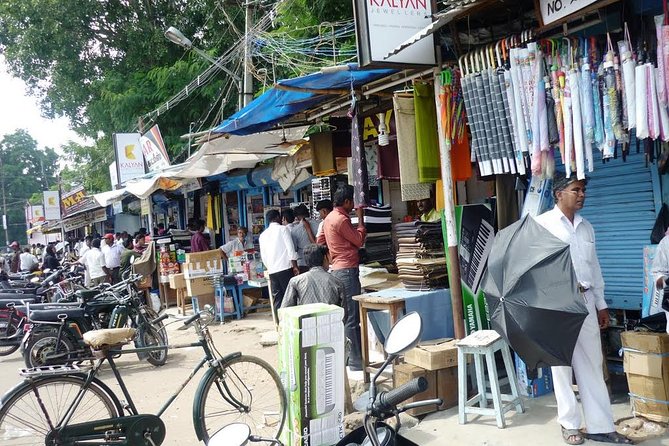
This isn’t a scenic tour where you stop for photos and drift off. It’s a shopping-and-market day, with the emphasis on getting you into places where locals actually buy and sell.
That matters in Chennai because markets aren’t just markets. They’re networks. You’re walking the lanes where traders bring in stock, workers move between stalls, and buyers do business at speed. If you tried this on your own, you’d spend a lot of the day figuring out where to go next, how to communicate, and what’s worth your time. With a guide, you can spend your energy deciding what you want to bring home.
The best part is how the structure helps you shop smarter. You get round-trip transfers from your hotel, a small group, and a plan that strings together different types of trading—produce/flowers first, leather and other market goods next, and then a crafts emporium.
And yes, lunch is included, which sounds minor until you remember that market days can run long.
You can also read our reviews of more shopping tours in Chennai


Morning start: Koyambedu’s wholesale lanes for flowers, fruit, and veg
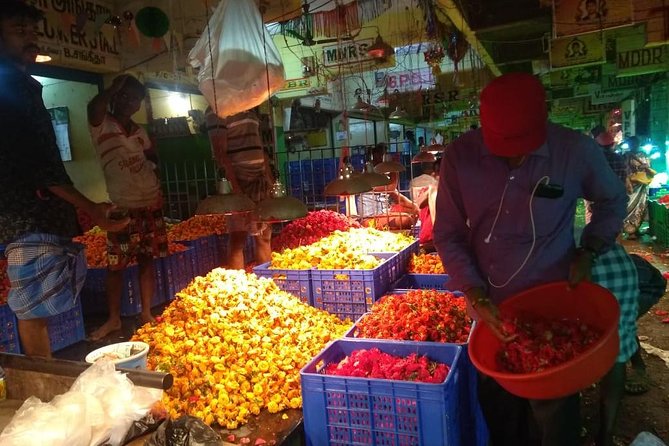
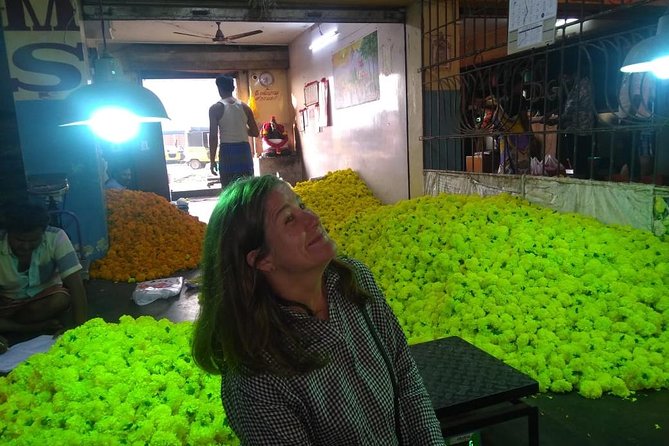
The day kicks off early. Your guide meets you and you head to Koyambedu, a wholesale hub for flowers, fruits, and vegetables. The time on the ground is designed for walking the lanes, not just passing by.
Here’s what makes this stop worth it:
- It’s visual and practical. Flowers arrive and move fast; produce looks and feels different in bulk than it does in retail stores.
- You see the workflow. Even if you don’t buy anything, you start to understand how Chennai’s supply lines operate.
- It sets the tone. This is where your guide can help you interpret what you’re seeing—what’s common, what’s seasonal, and what’s traded most.
A good tip from the spirit of how guides work on this route: if you want to shop later (sarees, crafts, leather goods), pay attention here to how the vendors display stock and how negotiation usually works. Your guide can translate both the language and the rhythm.
Comfort matters on this stop. Plan for uneven walking and crowds. If you’re the type who hates being too hot too early, bring a cap and expect Chennai mornings to feel busy quickly.
Burma Bazaar: leather market shopping without the scramble
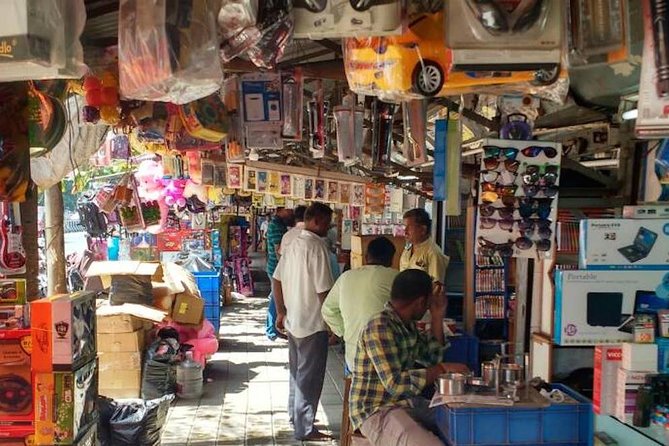
After the produce-and-flower lanes, you shift to Burma Bazaar, known for leather trading and a market setup that draws merchants from beyond the city. This is where you’ll see the “business” side of shopping: materials, finished goods, and vendor-to-vendor comparisons in a tight area.
Why I like this stop:
- It’s focused. Instead of wandering random shops, you’re in a place with a clear theme: leather and related merchandise.
- You get context. A guide can help you understand product categories and how different stalls position their goods.
- You spend less time guessing. Language barriers and haggling uncertainty can turn “shopping” into stress.
About haggling: the tour is built to reduce the hassle. You still make choices and you still negotiate if that’s part of your shopping style, but you don’t have to do it cold. The guide acts as the bridge, and the small-group setup means your questions don’t get swallowed.
What to watch for here is quality variation. Leather goods often differ in thickness, finish, stitching, and lining. If you’re buying something you’ll use regularly—bags, belts, wallets—slow down and compare carefully. The point of this tour is to put you in the right place to compare, not to rush you into buying.
The middle of the day: fish and flea market stops
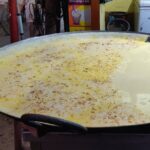
The highlight list for this experience includes time for additional markets during the day, including a fish market and a flea market stop.
This is the part of the tour that gives it its “Chennai texture.” These aren’t polished retail spaces. They’re lively, working areas where you’ll notice the difference between wholesale logistics and consumer shopping.
If seafood markets are new to you, expect it to be intense: strong smells, active movement, and vendors handling goods quickly. Your guide will keep you moving and help you decide what’s comfortable to look at versus what’s worth skipping if you’re sensitive.
For the flea market side, the value is often in the hunt. This is where small crafts, everyday oddities, and bargain-style browsing can happen—especially if you like the idea of finding a quirky item rather than buying something expensive. If you’re not into “searching,” you can still enjoy the atmosphere and let your guide steer you toward the better chances to find something you’d actually use.
VTI Chennai crafts emporium: traditional handicrafts at Victoria Technical Institute
Later in the day, the tour heads to VTI Chennai (Victoria Technical Institute)—a crafts emporium connected to an institute established in 1887 to commemorate Queen Victoria’s golden jubilee. Today it promotes traditional handicrafts, so this is less about trading lanes and more about shopping with a cultural thread.
Why this stop is a smart move after the markets:
- You get variety with less pressure. Craft shops typically let you browse longer at a comfortable pace.
- You can buy with meaning. Even if you don’t care about the backstory, it helps to know you’re not just buying souvenirs off a generic rack.
- You finish the day with something giftable. Handicrafts tend to travel better than big leather items, and they make great practical souvenirs.
In the real-life experience of shoppers, craft and textile browsing often becomes a key moment of the day—especially if you came with shopping goals like sarees or wedding attire. The guide’s job here is to keep you aligned with what you want, not just pushing you toward one “best seller.”
If you’re buying gifts, keep your priorities simple: size/weight for packing, and whether the item is sturdy enough to travel. Your guide can help you figure out what to look for, but you should still check seams, finish quality, and how the piece is made.
You can also read our reviews of more tours and experiences in Chennai




Lunch included: a real break, not a pause you resent
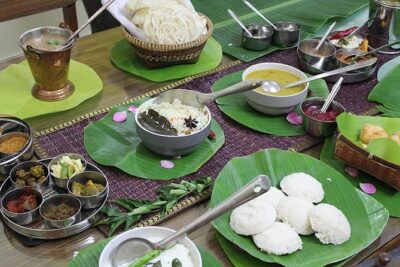
Lunch is included at no extra cost. That sounds like standard tour wording, but in market days it’s a big deal. You’re up early, walking, and making decisions. A meal that doesn’t come with extra hassle keeps the day enjoyable instead of turning into “hangry shopping.”
South Indian food is often a highlight on this kind of route, and one practical pro move: if you don’t want to translate menus yourself, ask the guide to order for you. That’s not about surrendering control—it’s about using local knowledge to get a better spread quickly.
One more detail: drinks aren’t included. Bring a plan for water, especially if you’re out in the morning heat and crowds.
Price and value: is $90 worth your day?
At $90 per person, this is priced like a “full day service” rather than just entry fees. Here’s what you’re getting built into that price:
- Hotel pickup and drop-off
- Small group format
- Lunch
- Market/emporium admissions (included)
- All taxes, fees, and handling charges
- A mobile ticket for smoother check-in
If you tried to do this alone, you’d likely pay for transport and time. Chennai market visits can also become expensive if you get lost and end up backtracking. The biggest value is not just convenience—it’s efficiency: fewer dead ends, fewer language bumps, and less time wasted between stops.
So, who gets the best value? People who want the real markets but don’t want the logistical grind. If you’re a confident self-planner who already knows exactly where to go and what to buy, you might feel the cost is less justified. But for most first-time visitors, $90 buys a calm way to shop like a local without turning the day into a scavenger hunt.
How small-group touring changes the shopping game
This tour is designed for small groups, with personal attention from your guide. That small-group feel matters because markets move fast. If you’re in a large group, you lose the ability to ask questions or take extra time checking quality.
With a smaller setup, you can:
- Ask about products without feeling rushed
- Get help navigating busy lanes
- Stay oriented when the market layout gets confusing
Guides like Nivi, Hareesh, and Jainaith come up in real experiences for doing exactly this—keeping people moving while still letting them shop. One review vibe that really rings true: a good guide makes you feel safe enough to focus on the shopping, not the surroundings.
If you’re traveling solo, this also helps. You’re not alone, but you’re not stuck waiting for a big herd either.
What to bring (so the markets feel easy, not annoying)
You don’t need fancy gear. Just common-sense market prep:
- Comfortable shoes for walking market lanes
- A hat and water plan (drinks aren’t included)
- A small bag you trust for wallets and smaller items
Also, think about purchases in terms of travel. Leather and some crafts can be bulky. If you’re flying, keep an eye on what can go in carry-on versus checked luggage. Your guide can help you compare options, but you still control what you pack.
Should you book this Chennai shopping and bazaar trail?
Book it if:
- You want the real market experience with far less stress.
- You like shopping where the city actually trades, not just tourist strips.
- You appreciate hotel pickup, lunch, and admissions handling—so you can focus on shopping.
Skip it (or consider a shorter option) if:
- You hate crowded spaces and strong market smells.
- You want a relaxed sightseeing day instead of a shop-with-purpose day.
- You’re only looking for one very specific store and already have exact directions.
If it’s your first day in Chennai, this kind of structure is especially useful. You get your bearings fast, you learn how the market areas work, and you can come back later with a clearer sense of what you want.
FAQ
What time does the tour start?
The tour starts in the early morning, with hotel pickup around 6:00 AM and the first market visit at 6:30 AM.
How long is the experience?
It runs for about 7 hours.
Is hotel pickup and drop-off included?
Yes. Hotel pickup and drop-off are included.
What markets and shopping areas will we visit?
You’ll visit Koyambedu Market for flowers, fruits, and vegetables, Burma Bazaar for leather and related goods, plus a traditional art and crafts emporium at VTI Chennai. The experience also includes time at other market stops such as a flea market and a fish market.
Is lunch included?
Yes. Lunch is included and provided at no extra cost.
Are drinks included with lunch?
No. Drinks aren’t included.
Is this tour private?
Yes. It’s described as private, meaning only your group participates.
Do I need a certain fitness level?
The experience notes a moderate physical fitness level is recommended.
What do I receive for entry/check-in?
You’ll receive a mobile ticket.
What’s the cancellation policy?
You can cancel for a full refund up to 24 hours before the experience’s start time. Changes within 24 hours aren’t accepted.