REVIEW · MUNNAR
Munnar Tea Trail Tour , Tea factory visit & Tea Tasting
Book on Viator →Operated by munnar valley trekking & tours · Bookable on Viator
Tea trails beat the usual Munnar loop. This Munnar Tea Trail mixes a practical plantation walk with a Lockhart Tea factory visit, so you get both the field and the machine side of how tea becomes tea. I also love the structured tea tasting portion, where you practice blending and tasting in a staged program.
One thing to keep in mind: guide quality and English comfort can vary, based on what’s been reported. If you care a lot about explanations, I’d go in ready with a few simple questions and keep expectations flexible—especially for the walking segment.
In This Review
- Key Highlights You’ll Care About
- Where the Tour Starts in Munnar (And Why It Matters)
- Walking the Lockhart Tea Trail (Field Views and Real Work)
- Tea Factory Visit at Lockhart: Orthodox Tea and Old Machinery
- Tea Tasting and Blending: How the Session Is Structured
- Price and Value: Is $14 Worth Your Time?
- Timing, Weather, and What to Bring
- Who This Tour Suits Best
- Should You Book the Munnar Tea Trail Tour?
- FAQ
- How long is the Munnar Tea Trail tour?
- How much does the tour cost?
- What’s included in the experience?
- Where does the tour start and end?
- How big is the group?
- Is there tea tasting training, or is it just samples?
- Do I need good weather to go?
- What’s the cancellation policy?
Key Highlights You’ll Care About

- Lockhart tea estate walking for about 2 to 3 hours, with views toward Chokramudi Peak and Idli hills
- Tea workers in action during the plucking and farm-life portion of the day
- Orthodox tea factory visit at a site built in 1936, with old machinery and a clear tea-making briefing
- Tea tasting + blending practice, designed as a multi-level training program (9 levels)
- Small group size (maximum 10 travelers), which usually makes questions easier
- Short total time (about 3 hours), which is ideal if you want tea culture without losing a whole day
Where the Tour Starts in Munnar (And Why It Matters)

Your day kicks off back at the meeting point: Rijo Villa (Nature Glade Cottage), near the KSRTC bus stand on Amman temple street, behind Sree paravathi, in Moolakadai, Munnar. Since this tour ends back at the same spot, you don’t have to worry about figuring out transport at the end in the middle of tea-country roads.
A practical tip: arrive a bit early and confirm you’re with the right group before you set off into the plantation areas. The tour runs with a mobile ticket and sends booking confirmation, but having your bearings helps you stay calm when the group size is small and the schedule is tight.
You can also read our reviews of more food & drink experiences in Munnar

Walking the Lockhart Tea Trail (Field Views and Real Work)

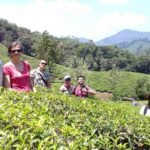
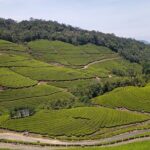
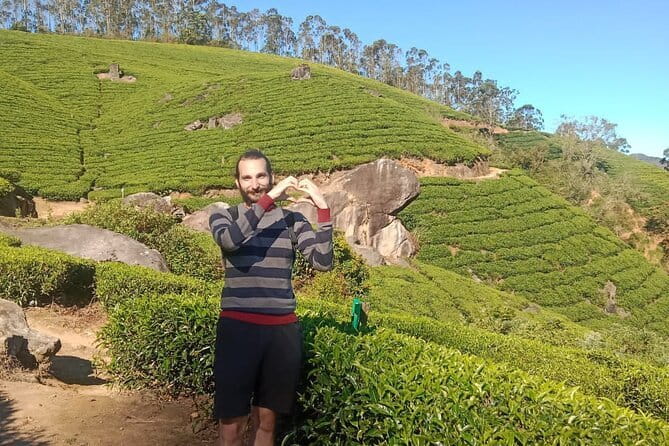
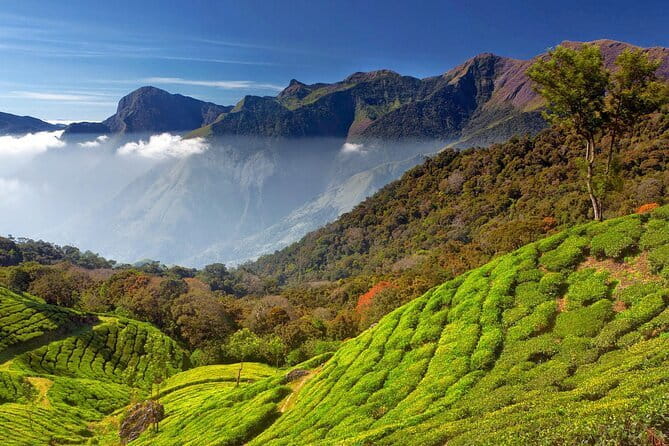
The heart of this experience is the plantation walk through Lockhart tea estate. Expect roughly 2 to 3 hours of walking, spread out through tea fields with chances to slow down and look around. This isn’t a museum walk where everything is explained from one sign. You’re moving through the working landscape, so you get a better sense of what tea farming looks like day to day.
I like this part because it gives you more than pretty rows of bushes. You also spend time around how tea pluckers work, and you can pick up how local routines shape the tea industry here. The tour also points out the broader local culture and lifestyle, which matters because tea in Munnar isn’t just an export product—it’s tied to livelihoods.
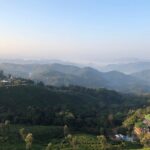
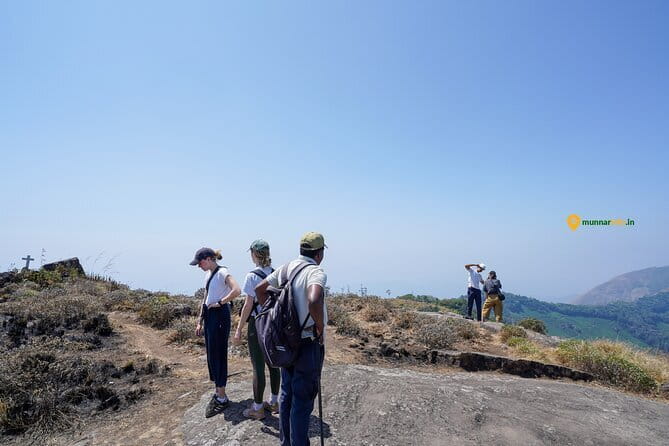
You’ll also get the kind of scenery that makes photos actually worth it: the route includes views of Chokramudi Peak and Idli hills. Even if you’re not a professional picture-taker, this is one of the better “I’m glad I walked” payoffs in town.
Possible drawback: you’re committing to a real walk. Wear comfortable shoes, and don’t plan to treat it like an easy stroll. Tea estates can be uneven, and the pace is often guided by field conditions, not by your smartwatch.
Tea Factory Visit at Lockhart: Orthodox Tea and Old Machinery
After the field time, you shift from hands-on farming to the processing stage with the tea factory visit. The visit is about 1 hour, and it’s focused on how tea is made—especially Orthodox tea, produced in a traditional way.
Here’s what you’re aiming to see and understand:
- The tea-making process, explained step by step
- The factory’s history and context
- Why tea is often linked with health benefits (the tour includes a briefing on this)
One of the most specific and interesting details is that this Lockhart tea factory was built in 1936, and it still uses old machinery. That matters because it gives you something you don’t get at modern factories: a stronger sense of craft and continuity. It’s not just a quick stop for photos. You’re given a briefing, and the focus is on the transformation from harvested leaves to finished tea.
In the tour description, visitors are also shown a working setup, described as an old man working in the factory area. Even if the exact person you see changes day to day, the point is clear: you’re not only watching a screen. You’re seeing the production environment and how machinery fits into the workflow.
A small consideration: factory time is relatively short. If you want a lot of detail, keep asking during the briefing while you have the guide’s attention. In a short slot, your questions are what turn the visit from passive to useful.
Tea Tasting and Blending: How the Session Is Structured
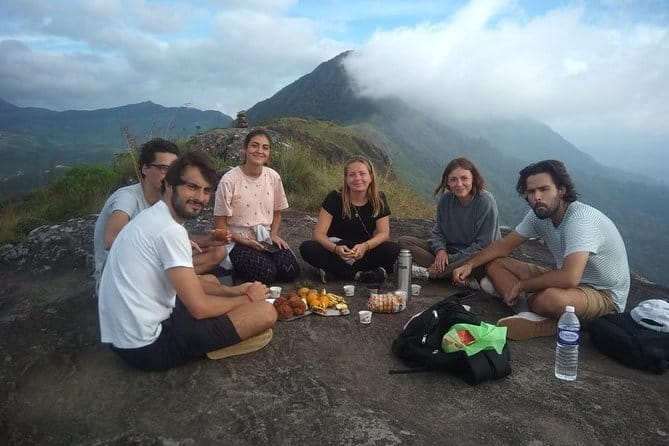
Then comes the part tea lovers usually wait for: tea tasting. The tour includes a tea-tasting section designed like training, not like a one-off sip-and-smile. The program includes both a Tea Blending Course and a Tea Tasting Course.
You also get a staged structure: the program has 9 levels, arranged to gradually build your understanding. That’s valuable for you because it turns tasting from guesswork into a method. Instead of just saying this one tastes stronger, you learn how to notice differences and think about how blending affects the cup.
You’ll also get basic context behind what you’re tasting. The tour notes that tea comes from Camellia sinensis, originally linked to the wider area between India and China. That botanical context may sound academic, but it helps you understand why tea varieties and processing choices matter.
Practical expectation: tasting sessions can feel fast, especially if you’re not used to comparing flavors. Pace yourself. Take notes if you like (even on your phone). And don’t worry if you can’t identify every subtle difference right away—the whole point of the multi-level approach is that you learn as you go.
Price and Value: Is $14 Worth Your Time?
At $14 for about 3 hours, this tour looks good on paper, but value depends on what you want from it.
Here’s why it can be a great deal:
- You get both plantation context and a factory visit in a single half-day block
- You get a guided walk plus a formal tea tasting program, not just a stop at a viewpoint
- The group is capped at 10 travelers, which helps keep the experience from feeling like a crowded bus tour
- The factory portion focuses on Orthodox tea and includes a briefing, which adds real learning
Where you should be careful:
- If your main goal is deep explanations during the entire walk and factory time, you may want to be prepared for uneven guide English comfort. The tour description says a well-trained local guide, but reported experiences suggest language can vary.
- The walk portion is time-based (2 to 3 hours). If you’re limited on walking, you might find it harder to enjoy the rest.
My take: if you like hands-on learning and you’re okay with a brisk schedule, this is strong value for Munnar. If you want a long, slow, super-linguistic deep dive, you might find the short duration makes it feel rushed.



Timing, Weather, and What to Bring
This tour requires good weather. If conditions are poor, it may be canceled and you’ll be offered a different date or a refund. That’s not small talk—tea estate walking changes fast with rain and mist, and trails can get slippery.
Bring:
- Comfortable walking shoes
- Water
- A light layer for changing conditions
- Basic rain protection if the forecast looks iffy
Also, keep in mind that you’re moving from outdoors to an indoor/outdoor factory setting and then to a tasting area. It helps to dress in layers so you’re comfortable the whole time rather than waiting for the “right moment” to feel warm or cool.
Who This Tour Suits Best
This experience is a good fit if you:
- Want a compact tour that still covers farm + factory + tasting
- Like learning how a product is made, not only where it’s grown
- Enjoy tea culture and want a structured tasting/blending session
- Prefer small groups (up to 10)
You might think twice if you:
- Have limited mobility for a 2 to 3 hour walk
- Need consistently high English detail during every segment
- Are expecting a full-day adventure; this is built to be efficient
Should You Book the Munnar Tea Trail Tour?

I’d recommend booking if you want a practical look at tea in Munnar: walk the working tea fields, see how Orthodox tea is produced at an older 1936 factory, and then taste with a real structured approach. For the price and time, it’s one of the more “you leave with understanding” options.
Before you go, do one simple thing: check your own priorities. If you’re here for the walking views toward Chokramudi Peak and Idli hills, and you’re happy to learn through observation plus a tasting lesson, you’ll likely enjoy the flow. If you want long explanations and a perfectly consistent guide performance, message the operator ahead and ask about language support.
If everything matches your expectations, this is an easy yes.
FAQ
How long is the Munnar Tea Trail tour?
It runs for about 3 hours (approx.).
How much does the tour cost?
The price is listed as $14.
What’s included in the experience?
You’ll do a tea plantation walk, a tea factory visit for about 1 hour, and a tea tasting section that includes blending and tasting.
Where does the tour start and end?
It starts at Rijo Villa (Nature Glade Cottage) near the KSRTC bus stand area in Munnar, and it ends back at the same meeting point.
How big is the group?
The tour has a maximum of 10 travelers.
Is there tea tasting training, or is it just samples?
The tasting section is described as a training course with a blending course and a tasting course, organized into 9 levels.
Do I need good weather to go?
Yes. The experience requires good weather, and if it’s canceled due to poor weather, you’ll be offered a different date or a full refund.
What’s the cancellation policy?
Free cancellation is available up to 24 hours in advance for a full refund. If you cancel less than 24 hours before the start time, the amount is not refunded.