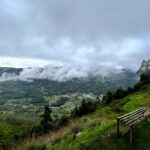
Sunset over tea starts with your shoes. This walk in Munnar mixes an easy guided hike through tea and spice areas with a payoff at Chithirapuram View Point as the light turns golden. You get more than scenery: you learn how tea is grown and processed while you walk.
Two things I really like: the small group size (10 max), which makes it feel personal, and the guide-led explanations—some guides (like Swami, Ramesh, Reamesh, Raja, and Saneesh) share clear stories about tea picking and plantation life. One possible drawback: the route is outdoor and weather-dependent, so if it’s rainy you’ll want to plan for bugs and slippery ground.
In This Review
- Key things to know before you go
- Meeting at Munnar Info and timing your sunset walk
- The tea garden hike: an easy walk with real explanations
- Spices, plantation life, and how guides connect it all
- Chithirapuram View Point: where the light changes
- What’s included (and what you should plan yourself)
- How hard is it, really?
- The value question: is it worth $8.38?
- Who should book this Munnar sunset tea walk?
- Should you book it?
- FAQ
- What time does the tour start, and how long does it last?
- Where do I meet, and where does the tour end?
- Is bottled water included?
- How big is the group?
- Is private transportation included?
- What if the weather is poor or I need to cancel?
Key things to know before you go
- 4:30 pm start means you’re walking while the day cools and saving energy for sunset
- Tea + spice gardens on the way gives you variety instead of one single straight path
- Local guide storytelling turns the walk into a quick lesson on tea production
- Bottled water included helps you stay comfortable without extra stops
- Chithirapuram View Point is the classic Munnar sunset moment
- 10-person maximum keeps questions easy and the pace not rushed
Meeting at Munnar Info and timing your sunset walk
This tour begins at the Munnar Info office (Moolakadai, Munnar). The timing matters: it starts at 4:30 pm, and it runs about 3 hours total. You’re not doing a long all-day trek—this is built as a late-afternoon experience, when plantations look softer and the air feels more pleasant.
One practical bonus: the meeting point is close to public transportation, so you’re not forced into hiring a private driver just to start your day. Private transport isn’t included, so if you’re farther out, you’ll want to arrange your own ride or local transit ahead of time.
You’ll also get a mobile ticket, which is handy when you’re in and out of small places and don’t want to fuss with printed paper. The walk ends back at the meeting point, so you don’t have to figure out how to get home mid-sunset.
You can also read our reviews of more evening experiences in Munnar

The tea garden hike: an easy walk with real explanations
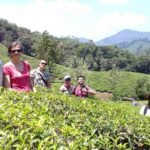
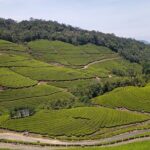
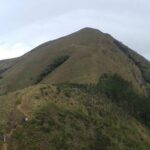
The main part of the experience is the guided walk through tea gardens and nearby areas where you’ll see more than just tea. The pace is generally manageable, and the goal is to let you look around, ask questions, and take photos without feeling sprinty.
You’ll spend roughly 1.5 to 2 hours walking, and that time is where your guide makes the difference. Guides explain what goes into tea production, including tea-picking basics and how plantation life works day to day. It’s not a lecture-only setup; it’s tied to what you’re seeing, so the plants and the processes start to make sense fast.
What I like about the way this is structured is simple: you’re moving through working countryside instead of standing at a single viewpoint for a photo. That gives the guide time to point out details you’d otherwise miss—like how the plantation environment shapes the growing and harvesting rhythm.
One small thing to consider: this is still a walking tour in outdoor terrain. If you’re wearing very slick sandals, you might regret it once the ground is damp. Comfortable shoes matter more here than you’d expect.
Spices, plantation life, and how guides connect it all
In Munnar, tea is the star, but spices show up alongside it, and this walk leans into that mix. As you head into the plantation areas, you’ll get a guided look at the “home-made spice farm area” portion of the route, plus the tea gardens themselves.
The best part is how the guide talks through everyday details. Some guides share personal context—family connections to the plantation, or how their community understands tea cultivation. That personal angle helps you see the plantation as a living workplace, not just an attraction.
If you’re the type who likes practical learning, you’ll appreciate what you can walk away with: the logic behind tea growing and the work involved in harvesting. Even if you only remember a few points, it changes how you look at the leaves and rows once you’re standing among them.
Also, if you care about photos, ask your guide for timing and angles. One guide’s approach to photography came up in guidance style, and on a sunset walk that can mean the difference between a flat photo and one with depth.
Chithirapuram View Point: where the light changes
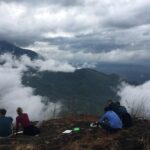
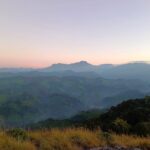
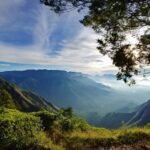
After the walking portion, you’ll head to Chithirapuram View Point. This is where you get the sunset view—Munnar’s classic “wow” moment, but earned by walking there instead of arriving by car and rushing.
The view point is the second stop on the route, and it’s also your chance to slow down. Tea country looks different as the sun drops: darker greens, longer shadows, and a sky that shifts fast. This is the part of the tour that feels calm and cinematic, with your guide still around to point out what to focus on.
If you want photos, arrive ready to wait a few minutes. Sunset timing can be unpredictable, and moving around too much can miss the best light. Keep water nearby, and keep your phone charged—sunset is when you’ll want it most.
What’s included (and what you should plan yourself)
Included is straightforward: bottled water. That’s a real help in warm weather and saves you from hunting for a shop during the walk.
Not included: private transportation. The tour ends where it starts, so you’ll want a plan for getting to the Munnar Info office at 4:30 pm and then getting back afterward. If you’re already in town near public transit, that’s easy. If you’re staying far out, factor in your ride time so you don’t feel rushed.
You should also bring your own basics:
- sun protection (even late afternoon sun can be strong)
- a light layer (some people find the evening cool)
- comfortable shoes for uneven ground
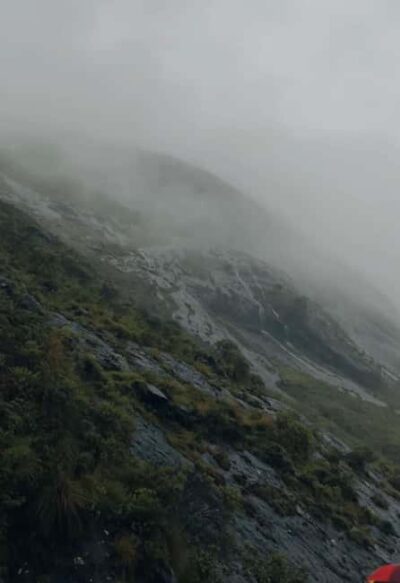
One more tip that matters if rain is in the forecast: if it’s wet, watch for leeches and wear high socks and long pants. A simple clothing choice can prevent an annoying end to an otherwise perfect walk.


How hard is it, really?
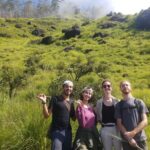
Based on how the experience is described, this isn’t an extreme hiking day. The walk is typically easy going, designed for good views rather than athletic endurance. Most people can participate, so it’s a good option if you still want a nature experience without signing up for a strenuous trek.
That said, outdoor walking still means:
- uneven ground
- occasional damp patches
- slippery spots after rainfall
So if you have knee issues or you dislike hiking on uneven terrain, be honest with yourself about your comfort level. You can still enjoy the sunset, but the walking portion is the core of the tour.
The value question: is it worth $8.38?
At $8.38 per person, this tour is priced like a practical local experience—not a luxury bus-and-buffet deal. You’re paying mainly for two things you’d struggle to recreate alone:
1) a guided walk through working tea gardens
2) a sunset stop that’s timed for views at Chithirapuram View Point
The best value comes from the small group feel. When you have up to 10 people, you can actually ask questions and get answers that fit what you’re seeing. That turns your money into understanding, not just motion.
The guide adds another layer of value. When they explain tea production and plantation work in a way that clicks, you leave with context. That kind of “aha” memory lasts longer than a single photo.
Who should book this Munnar sunset tea walk?
This is a great fit if you want:
- a guided walk that teaches you something without feeling like school
- a late-afternoon plan that ends back near where you started
- a small-group experience rather than a crowded tour
- an easy-to-moderate nature outing with strong sunset payoff
It may not be the right choice if you dislike walking outdoors, get uncomfortable with uneven ground, or have a hard rule about avoiding insects entirely—especially on rainy days. In that case, you could still enjoy the viewpoint on your own, but you’d miss the tea-production explanation that makes the walk worthwhile.
Should you book it?
I’d book this if you’re doing Munnar for more than just selfies and you want a real slice of daily life behind the tea. The combo of tea garden walking + sunset viewpoint is exactly the kind of time-efficient experience that makes a short stay feel longer.
Book it with confidence if you:
- can show up at 4:30 pm
- wear decent shoes
- bring long pants and high socks if rain is possible
Skip or reconsider if you’re not comfortable with outdoor walking or you know you’ll be miserable in wet conditions. Otherwise, this is one of those Munnar experiences where the price feels almost too low for the quality of guidance and the final sunset view.
FAQ
What time does the tour start, and how long does it last?
It starts at 4:30 pm and lasts about 3 hours (approx.).
Where do I meet, and where does the tour end?
You meet at Munnar Info – Meeting point (Moolakadai, Munnar, Kerala 685612). The tour ends back at the same meeting point.
Is bottled water included?
Yes. Bottled water is included.
How big is the group?
The tour has a maximum of 10 travelers.
Is private transportation included?
No. Private transportation is not included, so you’ll need your own way to reach the meeting point.
What if the weather is poor or I need to cancel?
This experience requires good weather. If it’s canceled due to poor weather, you’ll be offered a different date or a full refund. For cancellations, you can cancel up to 24 hours in advance for a full refund; within 24 hours, the amount paid is not refunded.