REVIEW · KOCHI
Kochi Village Life Experience tour – The Real Tour of Kochi !
Book on Viator →Operated by Biju's Tours · Bookable on Viator
A day that starts with real work, not tourist sets. The Kochi Village Life Experience tour is built around village workshops and working harbors, so you get practical glimpses into daily life around Fort Kochi. I like the pickup and drop-off convenience, which removes the usual headache of hopping between scattered spots, and I also like how the stops stay hands-on, from coconut oil drying to coir making. One thing to consider: you’re on the move for about four hours, so if you want lots of long, slow viewpoints, this route may feel like it has a fast beat.
You’ll meet your driver around Fort Kochi and head out toward local sites where fishing, farming, and small-scale production are the point. Names you might hear in the local guide team include Sabeer and Shaji, who are known for being friendly and helpful, and drivers like Thomas get credit for keeping the day running smoothly. If you come with curiosity and comfy shoes, this kind of tour tends to pay off fast.
In This Review
- Key Points to Know Before You Go
- Kochi Village Life: Why This Tour Feels More Real Than a Checklist
- Pickup, Timing, and the Route That Handles the Logistics
- Fish Farms and the Catch Chain: From Tactics to Export Prep
- Coconut Oil Factory: Drying, Processing, and Fresh Oil
- Traditional Fishing Nets and Boat Making Craft
- Coir Factory Skills: Natural Fiber Into Floor and Door Mats
- Fort Kochi Spice Markets and Local Shops for Real Souvenirs
- Price and Value: Is $25 a Good Deal for a Four-Hour Day?
- Who This Tour Suits Best (and Who Might Want Something Else)
- Practical Tips for a Smooth, Comfortable Day
- Should You Book the Kochi Village Life Experience Tour?
- FAQ
- How long is the Kochi Village Life Experience tour?
- What time does the tour start?
- Where does the tour begin and end?
- Is hotel pickup and drop-off included?
- What’s included in the price?
- Is lunch included?
- Do I need to arrange transport between stops?
- Is the tour suitable for most people?
- What is the cancellation policy?
Key Points to Know Before You Go
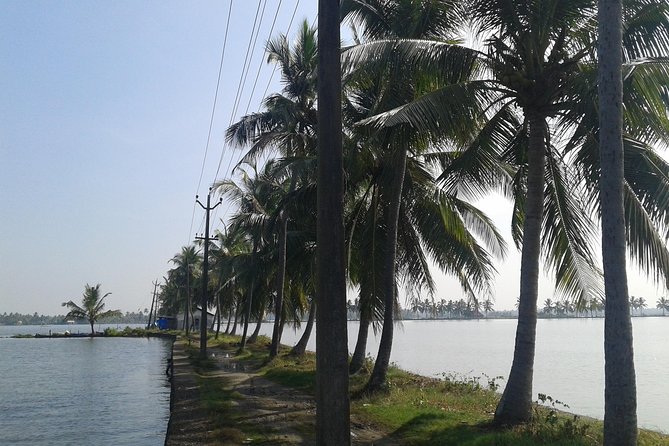
- Select hotel pickup and drop-off keeps you from wrestling with taxis across dispersed villages
- Fishing village + fish farms let you see different catch methods, not just seafood on a plate
- Coconut oil production shows how drying and processing turn coconuts into fresh oil
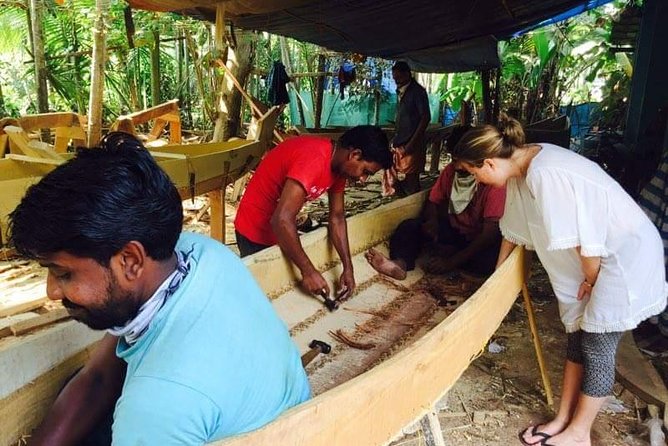
- Handmade fishing boats and traditional fishing nets highlight craft you won’t find in a museum
- Coir factory stop focuses on natural fiber making and everyday products like floor and door mats
- Fort Kochi spice markets and local shops add a final hit of color and shopping freedom
Kochi Village Life: Why This Tour Feels More Real Than a Checklist
If you’ve ever walked around a destination and felt like you were watching life from the outside, this tour is designed to fix that. You’re not chasing monuments; you’re watching how people earn a living and making simple things that keep coastal homes running.
I like that the day mixes several village economies in a single arc. You’ll see fishing-related production, coconut processing, and coir fiber work—then you’ll finish with Fort Kochi spice markets and craft-style shopping. That variety matters because it helps you understand Kochi as a working region, not only a scenic postcard.
The practical tradeoff is time. The tour is about four hours, and the sites are spread out, so you’ll spend some of that time riding between villages. If you prefer a very slow itinerary with lots of quiet breaks, you may want to pair this with a later, more relaxed day in the city.
You can also read our reviews of more tours and experiences in Kochi.

Pickup, Timing, and the Route That Handles the Logistics
This experience starts at 9:00 am and ends back at the meeting point. The meeting point is Fort Kochi, Kochi, Kerala, India, and the tour is built around a driver moving you between multiple sites, which means you don’t have to figure out navigation or transport on your own.
Pickup and drop-off are offered for selected hotels only, so before you go, confirm whether your hotel is on the pickup list. The tour also uses an air-conditioned car or van, and there can be tuk-tuk transport depending on the route options. That split can be useful: the car handles the longer links, and the tuk-tuk helps you reach areas where larger vehicles may not fit.
You’ll also get bottled water, plus a local expert/driver as part of the team. Having a real person with you isn’t just comfort—it helps you make sense of what you’re seeing when the work gets detailed and visual.
Fish Farms and the Catch Chain: From Tactics to Export Prep
One of the most memorable parts of the day is the stop around the fish farms. Instead of treating fish as an end product, you get to watch the methods people use for catching and storing what they need. This is the kind of knowledge you can’t easily guess by looking at a harbor from a distance.
The itinerary also includes a crab store stop, where they collect live mud crabs for exporting. Even if you don’t know the process yet, seeing the live-collection side of the supply chain gives you a stronger picture of how seafood moves from local work to wider markets.
You’ll likely notice that different techniques look different on the water. The point isn’t to memorize names—it’s to see the logic: gear choice, timing, and how workers manage the process day after day. If you’re the type of traveler who likes practical detail, this section tends to be a highlight.
Tip: If you’re sensitive to strong smells near working fishing areas, plan to keep your expectations grounded. This is real production space, not a curated view platform.
Coconut Oil Factory: Drying, Processing, and Fresh Oil
Next comes a change of pace: a coconut oil factory where you can see coconut drying, processing, and making fresh coconut oil. This stop works well because it explains how a common ingredient becomes a working product through steps you don’t usually see.
Look for the workflow. Drying is where many production stories begin, and then processing follows—turning dried coconut into oil and related outputs. You’ll come away with an idea of why coast regions rely on coconut-based production, since coconuts are central to the landscape and household needs.
This is also a great stop for learning with your eyes. Even without technical explanations, you can usually tell which stages are about reducing moisture, preparing material, and then producing oil. The best part is that you’re not just tasting or buying at the end—you’re watching the route from raw to finished.
Tip: If you buy coconut oil afterward, ask what it’s used for in local households. You’ll get more value from your purchase when you know how locals actually use it.
Traditional Fishing Nets and Boat Making Craft
After the oil workshop, the tour shifts into maritime craft. You’ll head toward the fishing nets, where you can explore the traditional way of catching fish using smaller Chinese fishing nets. These nets are recognizable, but what makes the stop valuable is seeing how they’re used in context.
Then comes what many people treat like the star attraction: the handmade fishing boats experience. The itinerary frames this as an absolute wonder, and the reason is simple. Boat building isn’t theoretical. You see the craft decisions and the hands-on build approach, and it makes the fishing economy feel even more human.
This combination—nets plus boat making—helps you connect the dots. Nets catch. Boats carry. And workers maintain both. In one afternoon you can understand the whole chain better than you would by spending days only looking at the water.
Consideration: This is workshop-style viewing, so expect working areas and close contact with active craft environments. Wear shoes you don’t mind getting a little dusty.



Coir Factory Skills: Natural Fiber Into Floor and Door Mats
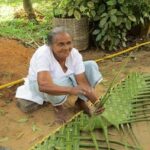
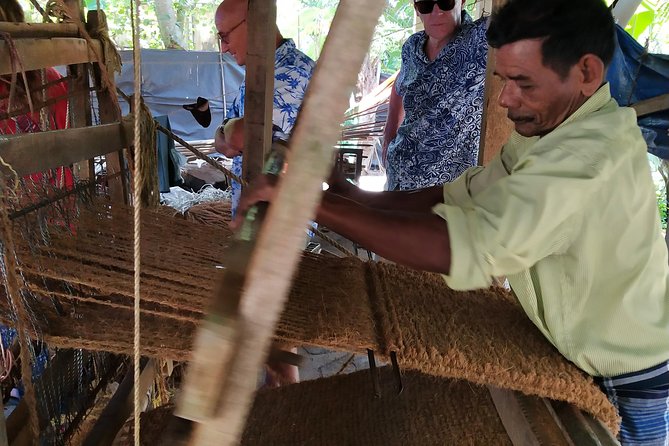
A coir factory stop adds a land-based skill to the day’s coastal theme. Coir is natural fiber, and you’ll get to watch how village women make coir used for products like floor mats and door mats.
This part of the experience is valuable because it shows how coastal communities keep making and selling practical goods year-round. Coir production isn’t glamorous in the way of jewelry markets, but it’s deeply useful—and that’s why it matters.
Watch how the process transforms raw fiber into items. Even if your interest is only casual, you’ll probably start noticing how much craft effort goes into something that looks straightforward when it’s finished.
If you’re shopping during the later Fort Kochi segment, your coir stop gives you a reference point. You’ll be able to ask better questions and spot quality choices more confidently.
Fort Kochi Spice Markets and Local Shops for Real Souvenirs
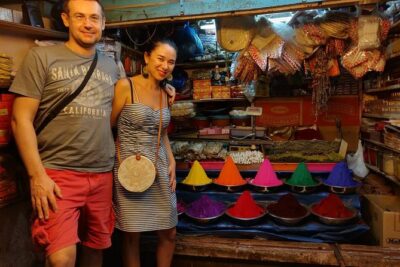
By the time you reach Fort Kochi, the day turns toward the senses: spice markets, a craft shop, and a local market. This is where you’ll likely want to slow down a little and look for what fits you—edible souvenirs, small gifts, and practical items tied to what you saw earlier.
Spices are the obvious draw, but the real value is that you now understand the background of Kerala’s production logic. After seeing coconut and coir production, it’s easier to appreciate why spices play such a big role in local food culture and trade.
This portion is also your chance to pick up items without trying to force it into the work stops. You’ve already learned the story; now you can buy with more confidence.
Tip: Bring cash if you can. The tour includes a driver and bottled water, but the markets may have their own payment preferences.
Price and Value: Is $25 a Good Deal for a Four-Hour Day?
At $25 per person for an about four-hour experience, the value depends on what you want from Kochi. If you’re hoping for one stop, one viewpoint, and a quick photo, this is probably not the best fit. If you want multiple village-style workshop and working-fishing stops plus transport, it’s priced in a way that can be very reasonable.
Here’s what you’re getting in practical terms:
- Hotel pickup and drop-off (selected hotels only)
- A driver/local expert to connect the dots
- Bottled water
- Air-conditioned transport, with possible tuk-tuk legs
- A route that covers several working industries instead of repeating the same type of scenery
Also, the tour is described as a private tour/activity, meaning it’s just your group. That can matter if you’re traveling with friends or family and want to ask questions without feeling rushed.
You’ll still want to budget for lunch, since it’s not included, plus any souvenir photos you might choose to buy. But overall, the day’s focus on production and craftsmanship makes it feel more like an educational outing than a basic sightseeing loop.
Who This Tour Suits Best (and Who Might Want Something Else)
This Kochi Village Life Experience tour fits best if you’re into hands-on culture and you like learning how things work. It’s also ideal if you’re staying around Fort Kochi and want to reach places beyond the main tourist strip without handling transport yourself.
It can also work well if you enjoy photography, but with a realism check. You’re photographing people working and craft areas in motion, so keep your attention on respect and ask before shooting when it feels appropriate.
If you’re someone who wants iconic landmarks, long viewpoints, and minimal time in transit, you might find the schedule a bit packed. In that case, consider pairing Kochi village work with separate, slower sightseeing days.
Practical Tips for a Smooth, Comfortable Day
A few practical things will make the day easier.
Dress for real work environments. The experience operates in all weather conditions, and the advice is to dress appropriately. If it’s humid, lightweight layers help. If it’s rainy, bring something to handle wet pavement near markets and workshops.
Wear shoes that handle dust and uneven surfaces. Even if a stop is brief, you’re moving between sites and entering areas connected to production.
Bring small cash for markets if you can, and keep your expectations flexible. The itinerary covers multiple areas, and the best experiences tend to come from being curious rather than rushing to tick boxes.
Also, share a valid contact number and WhatsApp number for better pickup and emergency help. That small step prevents the common travel annoyance of miscommunication.
Should You Book the Kochi Village Life Experience Tour?
If your goal is to understand Kochi through how people fish, make oil, craft coir, and build boats, I think this tour is a strong choice. The route is designed to reduce stress with a driver and included transport, and the stop mix gives you a clearer picture of local life than a single-purpose excursion.
I’d skip it only if you want a relaxed, slow sightseeing day or if you dislike workshop-style settings with real-world production. Otherwise, this is one of those tours where the value comes from access and context, not from luxury.
If you book, I’d go in with one mindset: watch the process, ask a few simple questions, and let the rhythm of village work set your pace.
FAQ
How long is the Kochi Village Life Experience tour?
It runs for about 4 hours.
What time does the tour start?
The start time is 9:00 am.
Where does the tour begin and end?
It starts in Fort Kochi, Kochi, Kerala, India, and ends back at the meeting point.
Is hotel pickup and drop-off included?
Hotel pickup and drop-off are included for selected hotels only.
What’s included in the price?
Included are hotel pickup and drop-off (selected hotels), a driver/local expert, bottled water, private tour, transport by air-conditioned car/van and tuk-tuk depending on options, and an air-conditioned vehicle.
Is lunch included?
No, lunch is not included.
Do I need to arrange transport between stops?
No. A driver transports you between dispersed villages and sites, so you do not need to handle navigation or transport yourself.
Is the tour suitable for most people?
Yes, most travelers can participate.
What is the cancellation policy?
You can cancel for a full refund up to 24 hours before the experience starts. If it’s canceled due to poor weather, you’ll be offered a different date or a full refund.