REVIEW · MUNNAR
Munnar: Tea trail, Tea Factory, and Tea Tasting Tour
Book on GetYourGuide →Operated by Munnar Info · Bookable on GetYourGuide
Tea leaves in Munnar come with a story.
I love how the guided tea plantation walk turns rows of bushes into a real working community, with practical tips on plucking and cultivation you can actually remember later. I also love the tea tasting at the end, where you learn to spot differences in aroma and flavor across tea grades instead of just drinking whatever gets poured.
There is one catch to plan around: this tour includes walking on uneven ground in tea estates. It’s not a good fit if you have mobility limits or use a wheelchair, and you’ll want to stay mindful because you’re also not allowed to touch the plants.
In This Review
- Key Highlights Worth Planning Around
- Why This Tea Trail Tour Works Better Than a Photo-Stop
- Plantation Walk: What You’ll Learn in 1–2 Hours of Tea Estate Walking
- What to pay attention to as you walk
- The main drawback here is simply terrain
- Lockhart Tea Factory & Museum: Watching Orthodox Processing Up Close
- What the factory tour includes
- A practical note: sound and group size
- Tea Tasting Session: Learn to Taste Black, Green, and Specialty Teas
- How the tasting is set up
- Make it easier on yourself
- Timing, Meeting Point, and Transport Notes That Actually Matter
- When to show up
- How you move between plantation and factory
- Price and value
- What to Bring (and What to Wear) So You Don’t Spend the Tour Fussing
- Who Should Book This and Who Should Skip It
- You’ll likely love it if you:
- It might not be for you if you:
- Should You Book the Munnar Tea Trail and Lockhart Tea Factory Tour?
- FAQ
- How long is the Munnar tea trail, tea factory, and tea tasting tour?
- Where does the tour start and where does it end?
- What’s included in the $13 per person price?
- Is transportation to and from the factory included?
- Do I need a ticket, or is there a skip-the-line option?
- What should I bring for the walk?
- Is the tour suitable for wheelchair users or limited mobility?
Key Highlights Worth Planning Around
- Lockhart Tea Factory & Museum (est. 1936): see how tea gets processed, plus exhibits that connect tea to Munnar’s past.
- Community-style guide storytelling: many guides (including Mari, Raja, and Raj) explain the day-to-day life behind tea, not just the facts.
- Orthodox-style manufacturing view: watch the traditional processing steps and vintage machinery during the factory tour.
- Tasting with a purpose: compare black, green, and specialty teas, then learn what makes each one taste different.
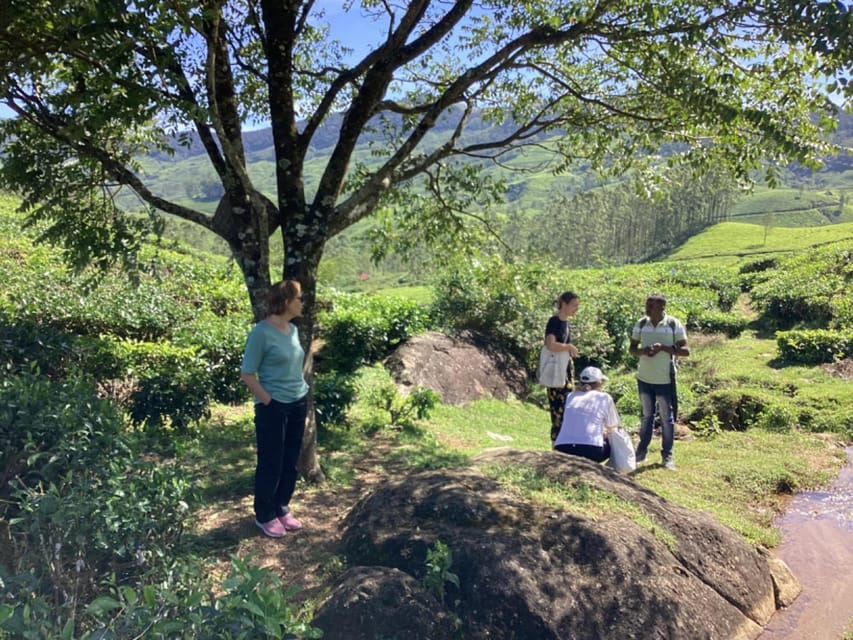
- Small moments in the plantation: breaks in shade and even snacks like bananas may pop up along the walk, depending on the guide.
Why This Tea Trail Tour Works Better Than a Photo-Stop
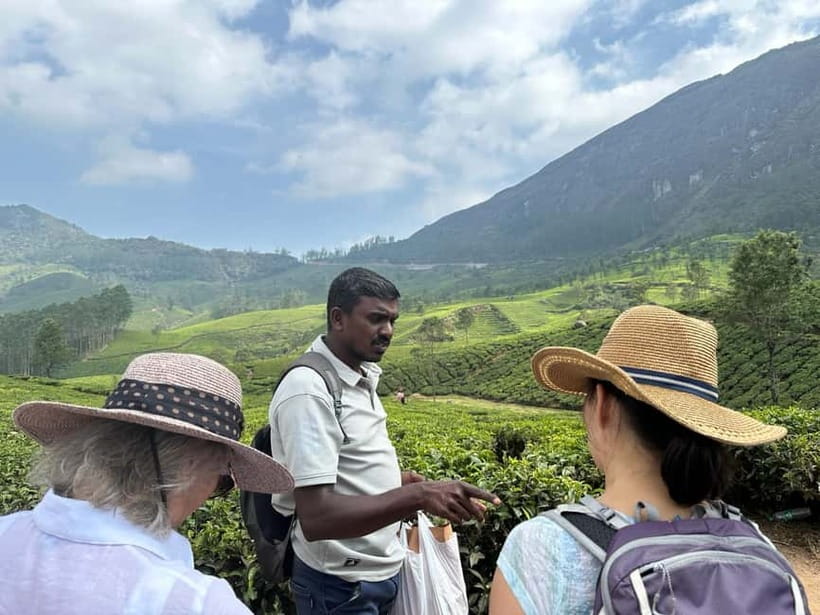
Munnar’s tea estates are stunning from the road. The problem with many quick tours is that they stop at scenery and photos. This one moves at walking speed, so you learn what you’re looking at.
You start with a guided walk through the tea plantation, and that matters. The guide helps you understand the logic of how tea grows on hillsides, what the workers do during the day, and why plucking and processing timing affects the cup. It’s less about memorizing trivia and more about building an actual mental map: leaf to factory to flavor.
Then the tour shifts gears into the Lockhart Tea Factory & Museum, where you see traditional Orthodox tea processing and vintage machinery. Even if you’re not a tea nerd, the smell inside the factory alone tells you you’re somewhere real. The tasting that follows doesn’t feel like an afterthought. You get a guided session that helps you connect what you just watched to what you’re about to drink.
You can also read our reviews of more food & drink experiences in Munnar

Plantation Walk: What You’ll Learn in 1–2 Hours of Tea Estate Walking
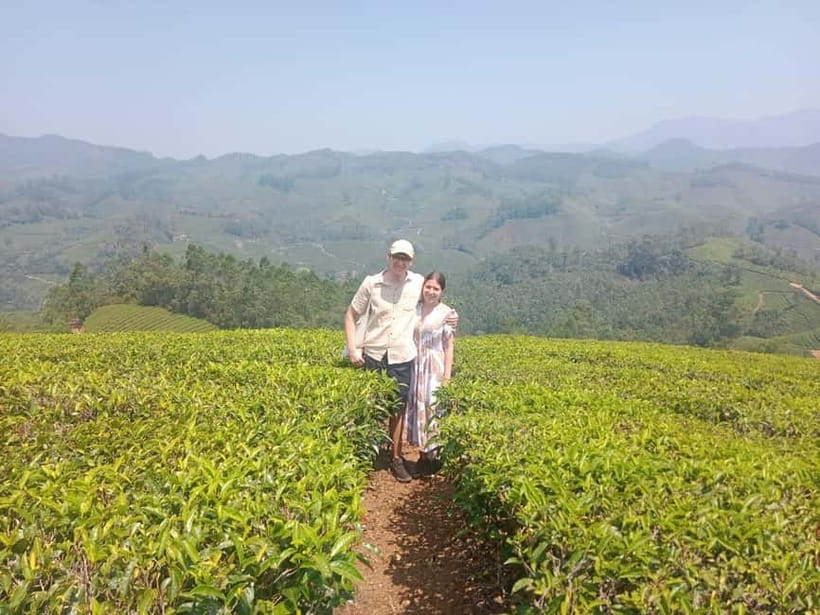
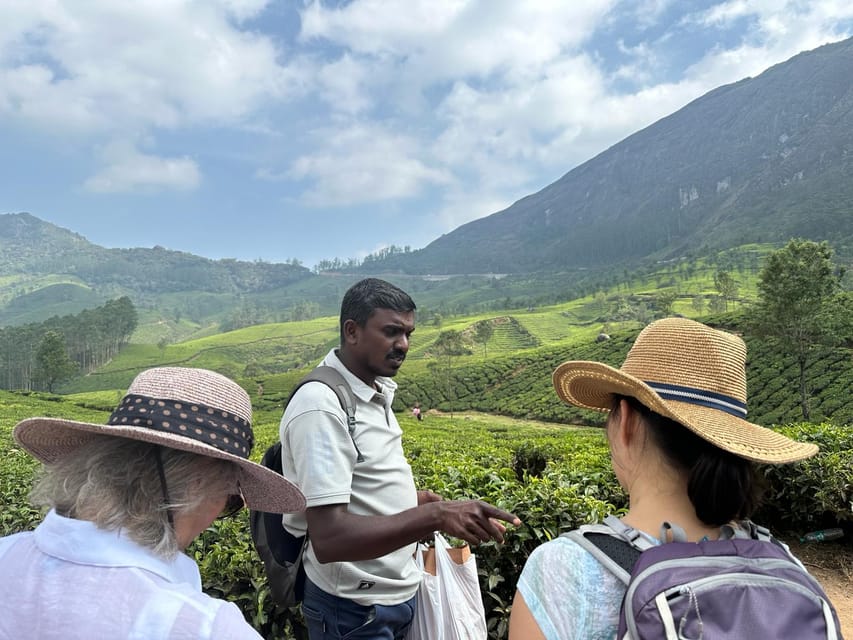
The plantation part is your “living classroom.” You walk through rolling tea terraces, breathe the mountain air, and get stops for viewpoints and explanations. This is when the guide’s role is most visible: they point out how tea cultivation works and what harvesting looks like in practice.
What to pay attention to as you walk
I’d treat this as an active lesson, not a stroll. Here are the things worth focusing on:
- How the tea bushes are arranged across slopes and terraces, so you grasp why the hills matter.
- How plucking works and why it’s linked to the final quality of tea leaves.
- The way the guide explains daily work and local culture around tea.
The guides I saw highlighted in the experience notes include Mari and Raja, and they tend to be the type who chat while teaching. One guide also made a snack stop and brought along bananas during the walk. That kind of small, human detail is a big part of why this tour feels more personal than a standard estate drive-by.
The main drawback here is simply terrain
The walk is on uneven ground. You’ll be on paths that can feel slippery or steep when you’re on tea estate slopes. Bring comfortable shoes, and keep your pace steady. Also remember the rule: you can’t touch the plants.
If you’re prone to rushing, force yourself to slow down. You’ll enjoy the views more, and your guide will have time to explain how what you’re seeing turns into tea.
Lockhart Tea Factory & Museum: Watching Orthodox Processing Up Close
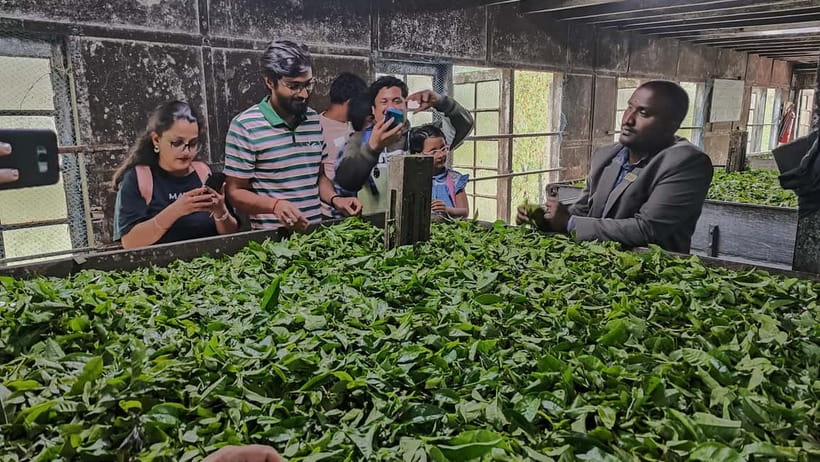
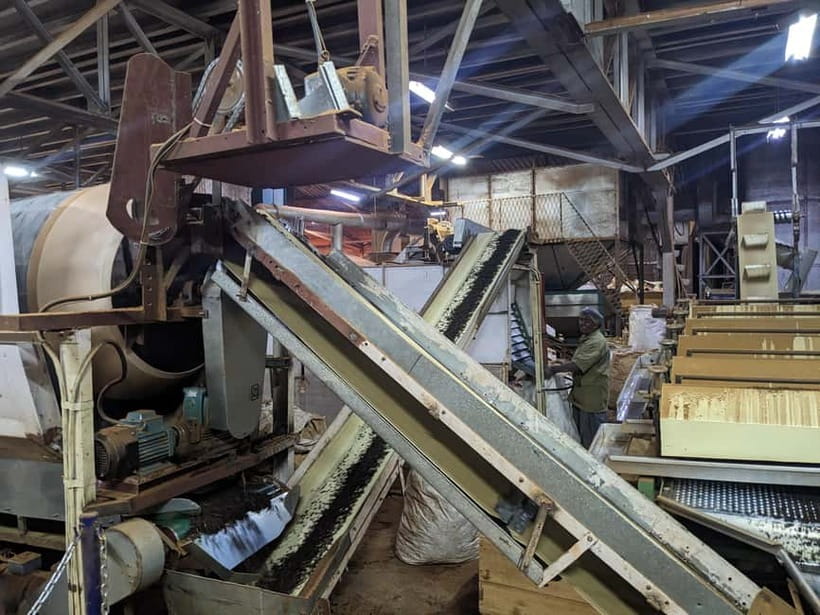
The Lockhart Tea Factory & Museum visit is the part many people remember most. It’s not just a quick look at equipment. You move through processing areas and get a guided explanation of how tea goes from freshly handled leaves into the grades you later taste.
The factory is one of the older functioning tea factories in Munnar, and it includes a museum element. That helps you understand tea as an industry with history, not a modern souvenir machine. You’ll also hear about how tea production evolved in the region, with exhibits that connect the timeline of tea to the people who worked it.




What the factory tour includes
Expect to see:
- Traditional Orthodox-style tea processing steps
- Vintage machinery used in production
- Rooms or stations where different stages happen
Inside, the air has that unmistakable tea-leaf smell. One reason this feels authentic is that you’re not watching everything from behind glass. The tour is built so you can get close to how the process actually works.
A practical note: sound and group size
The factory can get busy. In some cases, you might be with a larger set of people once you enter the main factory area, and machinery noise can make it harder to hear every detail. If you care about the explanations, position yourself where you can actually catch the guide’s voice, especially during the most technical steps.
Tea Tasting Session: Learn to Taste Black, Green, and Specialty Teas
This tour’s tasting is guided, which is a big deal. Without guidance, tastings often turn into guessing games. With guidance, you learn how to notice aroma and flavor differences and how brewing choices can affect what you taste later.
The session runs about 30 minutes and focuses on comparing multiple grades. You can expect tea categories like black, green, and specialty teas.
How the tasting is set up
You’ll get help with:
- Identifying flavor and aroma differences
- Understanding textures and how a tea feels in your cup
- Connecting terroir (the tea-growing conditions) to taste
In at least one experience, participants sampled around 5–6 teas, which feels like enough variety to notice patterns. And you’re not pressured to buy. At the end, you typically have the option to purchase tea from the factory store, and you can browse at your own pace.
Make it easier on yourself
Try to slow down during tasting. Take a real moment between sips to describe what you’re noticing in your head. Your guide’s job is to teach you the words and the logic, but you’ll get more out of it if you stay present instead of multitasking with photos.
Timing, Meeting Point, and Transport Notes That Actually Matter
This is a 3-hour tour, and the pacing reflects that. It’s designed so you can do the plantation walk and still reach the factory and tasting without feeling like you’re racing across Munnar all day.
When to show up
You should report about 5 minutes early. There’s also an important reality check: there’s no mobile connectivity in the area, so you need to connect with the guide or the tour team at least 1 hour before the tour if you’re trying to confirm anything.
How you move between plantation and factory
Transportation to and from the factory isn’t included as a blanket promise. What you may experience instead is that movement between the plantation area and the factory is handled during the tour, sometimes via tuk-tuks arranged for the group. Still, if your plan is to get from your homestay directly to the starting spot and then back again, you may need to arrange your own private driver or local transport.
So the practical approach is simple: figure out how you’re getting to the meeting/start location first. Then ask what the tour day includes for the internal transfer portion.
Price and value
At $13 per person, this is good value for what you get: a guided plantation walk, tea tasting, the Lockhart Tea Factory visit, and entry fees. The “value” part isn’t just the price tag. It’s the fact that the tour compresses a working estate experience and a factory tour into a short time window.
If you’re the type who likes guided context—how things work, why they taste different—that price makes a lot of sense.
What to Bring (and What to Wear) So You Don’t Spend the Tour Fussing

This tour lives outdoors, and the tea estate sun can be intense. Pack for comfort first, photos second.
Bring:
- Comfortable walking shoes
- Hat and sunscreen
- Water (carry it, especially for the walk)
- Modest clothing suitable for walking
Also keep in mind the rule: you can’t touch the plants during the plantation walk. It’s for your safety and to protect the estate plants, but it also means you should use your eyes and your guide’s explanations, not your hands.
If you’re a person who gets sunburned easily, treat this as a sunscreen day. Several guides and participants emphasize how quickly the sun can catch you during the walk.
Who Should Book This and Who Should Skip It
You’ll likely love it if you:
- Want an honest tea education without turning it into a lecture
- Enjoy guided walks and small cultural context tied to daily work
- Like tastings where someone teaches you how to notice differences
- Want to hit plantation + factory in about 3 hours
It might not be for you if you:
- Have mobility impairments or need wheelchair-friendly routes (the walk is on uneven surfaces)
- Hate noisy indoor areas (factory sound can interfere with hearing explanations for larger groups)
- Don’t like guided tours and prefer wandering freely
This is also a good choice for solo travelers who want a guide to point out what matters. If you’re traveling with friends, it can work nicely too since the tasting and factory stops are still structured and not chaotic.
Should You Book the Munnar Tea Trail and Lockhart Tea Factory Tour?
I’d book it if you want more than tea scenery. This tour is built around three steps that connect smoothly: plantation basics, factory process, then tasting with guidance. That structure makes it easier to remember what you learned because you see it in sequence.
Also, the guide quality seems to be a core strength. Names like Mari and Raja come up again and again, and their style is typically hands-on and explanatory, with small human touches like shade breaks and even snacks during the walk.
If your schedule is tight and you want a tea experience that feels real—work-based, not just postcard-based—this is a strong pick.
FAQ
How long is the Munnar tea trail, tea factory, and tea tasting tour?
It lasts about 3 hours total.
Where does the tour start and where does it end?
The tour starts at the Munnar Tea Trail Tour meeting location, and it finishes at Lockhart Tea Factory.
What’s included in the $13 per person price?
You get a guided plantation walk, a tea tasting session, a visit to Lockhart Tea Factory, and all entry fees.
Is transportation to and from the factory included?
Transportation to and from the factory is not included. The tour may include internal movement during the experience, but you should plan your own transport for getting to the starting point and for any return travel.
Do I need a ticket, or is there a skip-the-line option?
You get a skip-the-ticket-line benefit.
What should I bring for the walk?
Bring comfortable shoes, a hat, sunscreen, and water.
Is the tour suitable for wheelchair users or limited mobility?
No. The tour involves walking on uneven surfaces and is not suitable for mobility impairments or wheelchair users.