REVIEW · THIRUVANANTHAPURAM
Spiritual Walk Tour Trivandrum (Guided Walking Experience)
Book on GetYourGuide →Operated by Yo Tours · Bookable on GetYourGuide
Fort temples have a way of quieting you. This 2-hour spiritual walk through Trivandrum’s fort zone brings the big names and the smaller lanes into focus, and I love the temple-by-temple storytelling plus the time your guide gives for questions. One thing to plan for: it’s a real walk through temple corridors and lanes, and you’ll need to follow the dress rules (no shorts, no sleeveless shirts, etc.) and expect shoe rules inside.
What makes it work is the guide. You’ll hear English and Hindi from a story-first local who can name what you’re looking at and explain the why behind it, with guides like Gokul, Siddharth, Arunkumar, Hari, and others mentioned in recent outings. The only potential mismatch is that if you want strict museum signage and zero spiritual talk, this tour leans into faith and practice.
In This Review
- Key Highlights Worth Showing Up For
- A 2-Hour Spiritual Walk Starting at East Fort
- East Fort Meets the Ananthankadu Sree Nagaraja Temple Trust
- Kuthira Maliga Palace Museum: When Royal Space Explains Religious Space
- Methan Mani: Small Landmarks, Purposeful Stops
- Sree Padmanabhaswamy Temple: The Centerpiece With Meaning
- Pazhavangadi Ganapathi Temple and Padmatheertha Pond: Places Most Walkers Skip
- Sundara Vilasom Palace and West Fort: Ending With the City’s Power in View
- What the Guide Brings: Storytelling, Access, and Question Time
- Price and Value: Why $14 Often Feels Like More
- Practical Tips: What to Wear, Bring, and How to Act
- Timing: Morning vs Evening and Why It Changes Everything
- Who This Tour Fits Best
- Should You Book This Spiritual Walk Tour in Trivandrum?
- FAQ
- How long is the Spiritual Walk Tour in Trivandrum?
- Where does the tour start and where does it finish?
- What languages are the guides available in?
- Is hotel pickup or drop included?
- What should I wear?
- Is water included in the price?
Key Highlights Worth Showing Up For
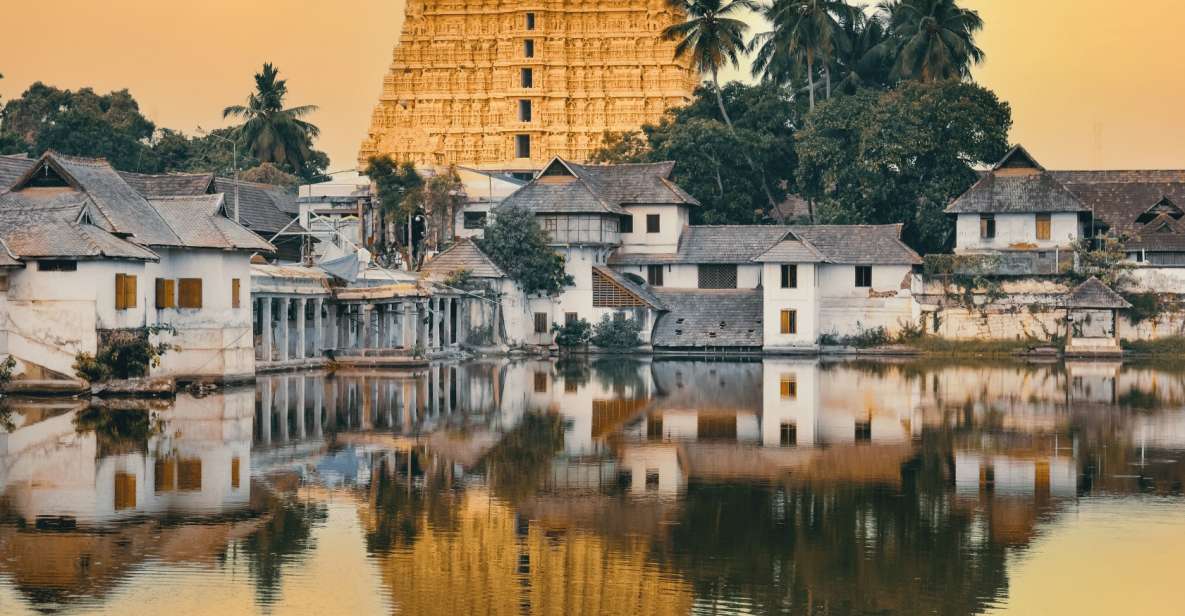
- Sree Padmanabhaswamy Temple: the world-famous centerpiece, visited with guided context that helps you read the place beyond the entrance gate.
- Fort-area route: East Fort to West Fort, with stops that connect palaces, temple trusts, and courtyard-style shrines.
- Pazhavangadi Ganapathi and Padmatheertha Pond: two details many self-guided walks miss, even when you’re close by.
- Royal layers at Kuthira Maliga Palace Museum and Sundara Vilasom Palace: you get the palace story alongside the temple story.
- A guide built for questions: people highlight patient explanations, room to pause for photos, and guidance on what not to photograph.
A 2-Hour Spiritual Walk Starting at East Fort
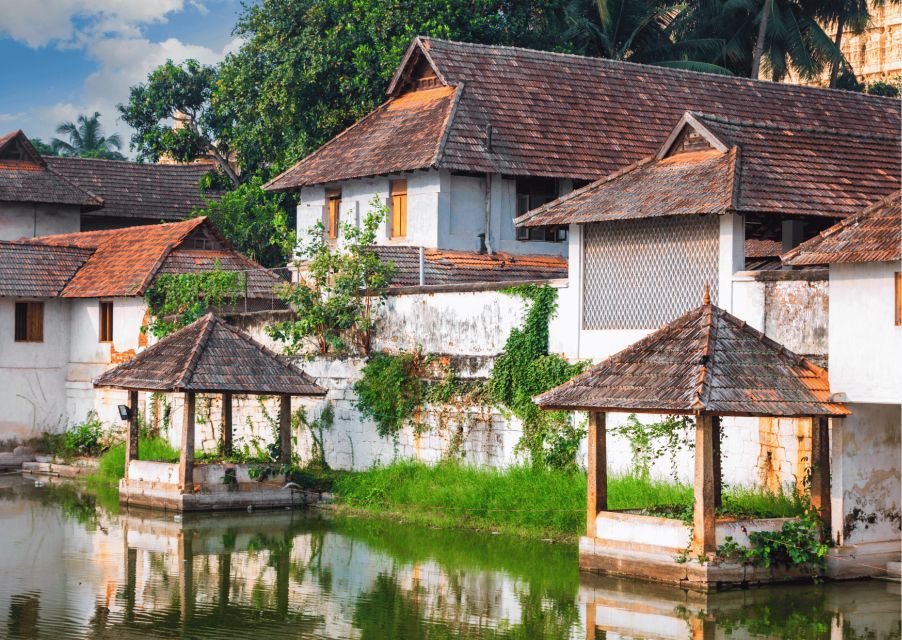
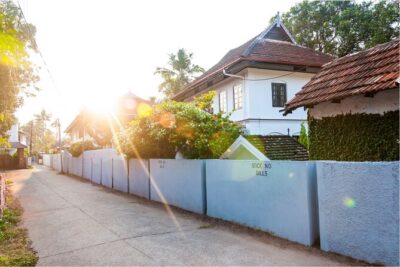
This is the kind of walking tour that helps you get oriented fast—not just on a map, but on the meanings of the places. You start around East Fort, in the thicker, older part of Thiruvananthapuram (Trivandrum), where temples and royal sites feel like neighbors.
The format is simple: your guide keeps moving at a walking pace, but you’re not rushed. A lot of value here comes from the “why,” not the “what.” If you’ve ever stood outside a temple wondering what you’re looking at, this tour is designed to fix that.
I also like the length. Two hours is long enough to feel you actually went somewhere, but short enough that you can still eat, rest, or explore more of Kerala after. And at $14 per person, you’re paying mostly for access, explanations, and navigation through lanes you might not find on your own.
You can also read our reviews of more walking tours in Thiruvananthapuram

East Fort Meets the Ananthankadu Sree Nagaraja Temple Trust
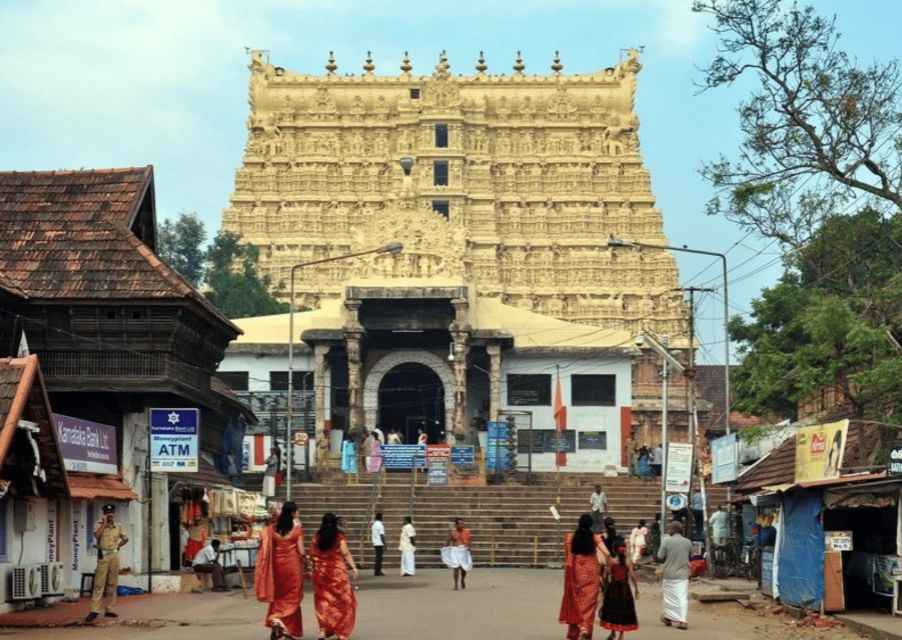
The walk begins with the Ananthankadu Sree Nagaraja Temple Trust, where you get a guided look and time to take in the atmosphere. This is the kind of stop that sets the tone: you’re not starting with the biggest postcard name. You’re starting with the local spiritual layer that helps the later major temple make more sense.
Why I think this works for you: a fort district can feel like a cluster of buildings until you know what each place is doing in the city’s spiritual rhythm. Here, you’re learning that rhythm right away—through your guide’s explanation and the way you’re guided to notice what matters inside.
One practical point: even when the pacing is calm, you’ll be walking and standing for short guided segments. Wear comfortable clothes you can move in, because you’ll need to keep your pace steady through temple courtyards and narrow areas.
Kuthira Maliga Palace Museum: When Royal Space Explains Religious Space
Next comes Kuthira Maliga Palace Museum, a stop that helps you read Trivandrum like a layered story. In many cities, you have “temple area” and “palace area” as separate interests. Here, the tour deliberately stitches them together.
You’ll get a guided visit and a walk/passing segment, which is helpful because palace museums often feel abstract if you only read plaques. With a guide, the setting turns into context: what kind of power lived here, and how that power relates to the religious institutions around it.
A detail I’d keep in mind for your expectations: this isn’t just about objects behind glass. You’re also learning how palaces and temples coexisted as part of how the city understood authority, ritual, and community life. That’s one reason people describe the tour as “calm,” not chaotic.
Methan Mani: Small Landmarks, Purposeful Stops
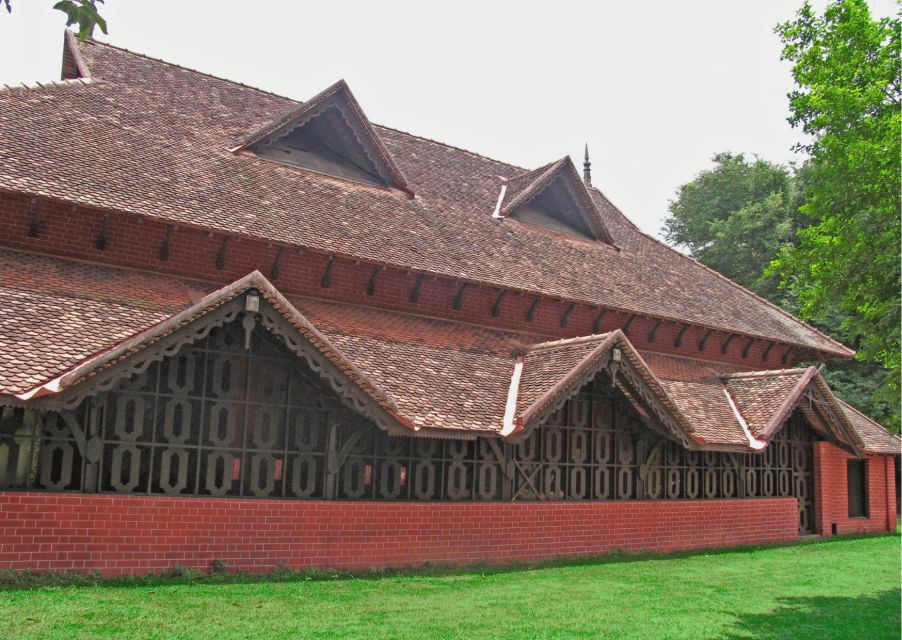
You’ll also stop at Methan Mani for a guided segment. The name alone doesn’t tell you much, and that’s exactly the point. This is one of those places that’s easier to appreciate with local context than with guesswork.
In a short tour like this, stops like Methan Mani matter because they prevent the experience from becoming only a checklist of major sights. Your guide’s job here is to connect dots—how a fort district functions as one system, where even a smaller landmark can point to a larger story.
If you love details, you’ll likely enjoy how the guide points out what you might otherwise overlook. If you’re more “show me the highlights,” you still benefit, because these intermediate stops make the main temple visit feel less sudden and more earned.
Sree Padmanabhaswamy Temple: The Centerpiece With Meaning
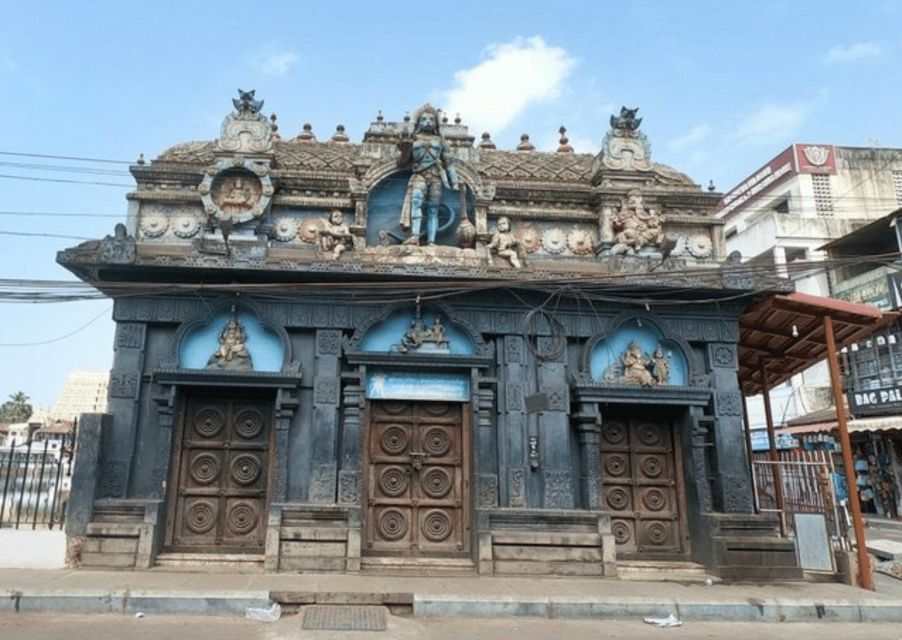
Then you reach Sree Padmanabhaswamy Temple, widely considered among the world’s richest. But the real value of this stop is not the headline. It’s how the visit is guided so you understand what you’re seeing and why people treat the place with such seriousness.
Even better: multiple guides for this tour type are described as patient and careful about context, with time for questions. That matters here, because a major temple isn’t something you should rush through. The guide helps you notice details and understand temple routines and symbolism at a pace you can handle.
From recent experiences, the best moments often come during temple activity—when you’re there while rituals are happening, not only when the doors are closed or the place is still. If you can time your booking for an evening slot around 5 pm, you may get the atmosphere people mention most: lamps, colored light, and the feel of the city turning toward night.
You can also read our reviews of more guided tours in Thiruvananthapuram


Pazhavangadi Ganapathi Temple and Padmatheertha Pond: Places Most Walkers Skip
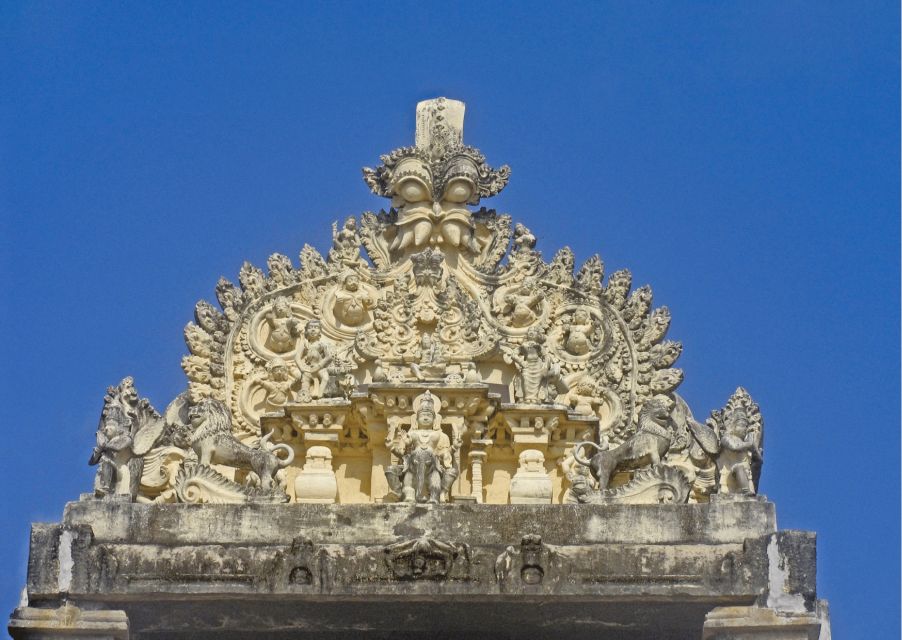
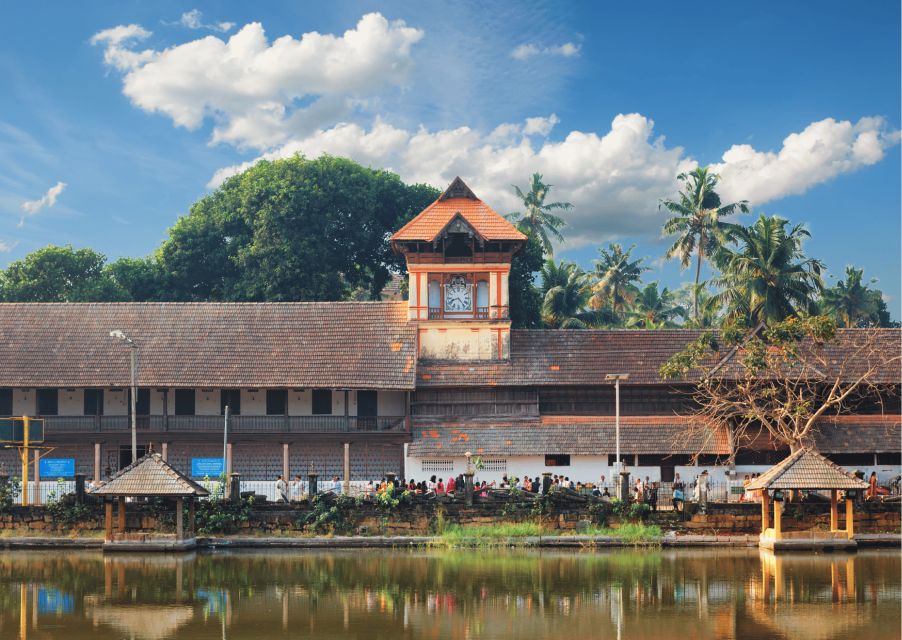
After the main temple focus, the route continues toward the Pazhavangadi Ganapathi Temple and Padmatheertha Pond. These are exactly the kinds of stops that separate a guided walk from self-guided wandering.
Why? Pond areas and secondary shrines often sit just off the obvious route. Even when you’re near them, you might not know where to stand, what to look for, or what the place is connected to. Your guide’s explanations help you see them as meaningful parts of the same spiritual geography.
This is also where the “infotainment” style really helps. You’re not just listening to a lecture; you’re walking, pausing, taking in the setting, and then learning how it fits into the larger story of Trivandrum’s temple life.
Sundara Vilasom Palace and West Fort: Ending With the City’s Power in View
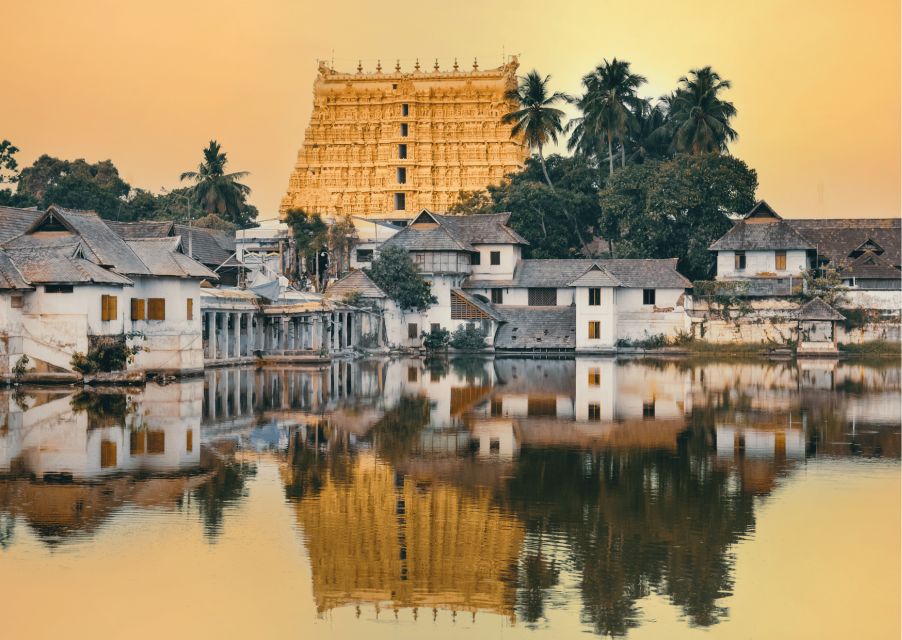
The highlights also mention Sundara Vilasom Palace and the West Fort, and you’ll end your walk around West Fort, Pazhavangadi. That ending choice is smart. You finish with royal and fort imagery in your head, so the city doesn’t blur into “temples everywhere.”
Finishing at West Fort is useful if you want to keep exploring afterward, because you’re in an area that feels like it belongs to the same old city system you just learned to read. Many guides are also described as thoughtful about keeping the group together and making sure everyone leaves safely, which can be comforting at the end of an active walking experience.
What the Guide Brings: Storytelling, Access, and Question Time
The “ticket” here is partly access and navigation—but the bigger value is the guide’s method. People repeatedly mention that guides like Gokul and Siddharth take their time, answer questions patiently, and explain temple significance on the spot.
That shows up in a few practical ways you’ll feel during the walk:
- You learn what you’re looking at before you’re finished seeing it.
- You get guidance on respectful behavior in temples, including photo boundaries. Priests sometimes give gentle warnings about when to take photos, and your guide helps you follow that.
- You get insider recommendations for what to do and where to eat after, even if the tour itself doesn’t include meals.
I also appreciate the group-care element that comes up in recent accounts: guides make sure people are okay at each pause point, and they don’t just vanish at the final stop.
Price and Value: Why $14 Often Feels Like More
Let’s talk money honestly. $14 for about two hours is low for a guided experience that includes a live storyteller, guided temple time, and access to areas you may not find by yourself.
Here’s the value breakdown that matters for you:
- You’re paying for interpretation, not just motion. Temple architecture and ritual rules are hard to decode alone.
- You’re paying for entry and guidance. Some tours only show you the outside. This one is structured around guided visits.
- You’re paying for local tips that can save you time and help you avoid missteps.
It’s also a “cheap enough to try” kind of experience. If you’re tired of tourist scripts and want something more human, this lets you sample that style without a big budget hit.
Practical Tips: What to Wear, Bring, and How to Act
The rules are clear: bring comfortable clothes, and avoid short skirts, shorts, and sleeveless shirts. That dress code isn’t just about politeness—it’s about being able to enter smoothly and avoid delays.
You’ll also want to plan for shoe rules inside temples. One recent account specifically mentioned being prepared to remove shoes and walk barefooted. You’ll likely also hear cues like not bringing hats, depending on what’s permitted at that moment.
What about water and snacks? Water bottle, drinks, and food are not included, so bring your own water, especially if you’re booking during warmer hours. You might get ideas for food as part of the local recommendations, but don’t assume you’ll be fed on the walk.
If you care about photos, go in with flexibility. Your guide may tell you when priests or staff advise against photography in certain spots, and it’s best to follow that guidance quickly.
Timing: Morning vs Evening and Why It Changes Everything
You’ll have options based on starting times. Some departures are described as starting around 5 pm, and those are popular because you can catch the temple activity plus the evening light.
An evening tour tends to feel more cinematic: colored lamps, shifting shadows in corridors, and a calmer, later-day rhythm. You also may hit the moment when rituals are active, which makes the whole place feel more alive than a quiet exterior visit.
If you’re deciding when to go, think about your energy level. Evening works well if you want atmosphere and don’t mind a slightly longer day. Morning might feel easier on your legs, but the “lights and puja timing” people mention will be more tied to later slots.
Who This Tour Fits Best
This walking experience is a strong match if you want:
- A guided way to understand Hindu temples in Kerala beyond surface facts.
- A route through fort-area sites where palaces and temples are part of the same story.
- A pace that gives you time to ask questions and take photos without being shoved along.
It may be less ideal if you:
- Want a strictly secular history-focused walk only.
- Have limited mobility for a walking route through narrow areas and temple courtyards.
- Prefer a tour that sticks only to outside viewing.
Should You Book This Spiritual Walk Tour in Trivandrum?
If you’re in Trivandrum and you want a guided spiritual lens that also teaches you how the city’s old power structures fit around temples, I’d book it. The price is reasonable, the route makes sense, and the biggest promise here—explaining what you’re seeing while you’re seeing it—keeps showing up in recent feedback.
Book this tour if you like questions, patient explanations, and respectful guidance inside active religious spaces. Skip it only if you know you want zero spiritual context or you can’t do a real walking loop around forts and temples.
FAQ
How long is the Spiritual Walk Tour in Trivandrum?
The tour lasts about 2 hours.
Where does the tour start and where does it finish?
It starts at East Fort and finishes around West Fort, Pazhavangadi, Thiruvananthapuram, Kerala.
What languages are the guides available in?
The guide provides a live experience in English and Hindi.
Is hotel pickup or drop included?
No, hotel pickup and drop are not included.
What should I wear?
Wear comfortable clothes and avoid short skirts, shorts, and sleeveless shirts.
Is water included in the price?
No, a water bottle is not included.