REVIEW · THIRUVANANTHAPURAM
Trivandrum:A Guided Tour of Heritage & Local Flavours
Book on GetYourGuide →Operated by Travinco Travel Solutions · Bookable on GetYourGuide
Trivandrum hits you with a lot, fast. This guided day threads together Padmanabhaswamy Temple, Napier Museum’s architectural mix, royal residences, and a wind-down on Shanghumukham Beach, so you leave with both stories and sights. The small-group size (up to 10) also keeps it human, not herding.
I especially like the way the tour pairs major landmarks with the quieter, palace-and-art details that explain Kerala’s culture through people, not just monuments—then tops it off with local breakfast and lunch stops. One consideration: there’s a fair amount of walking and you’ll be spending time outdoors, so it’s not the best fit for people with back problems, and religious-site dress rules plus photo restrictions can affect your plans.
In This Review
- Key things to know before you go
- Trivandrum in one day: how this route actually makes sense
- Padmanabhaswamy Temple: Dravidian architecture with real-world restrictions
- What I’d watch for
- Napier Museum: architecture you can read, artifacts you can understand
- Kuthira Malika: horses, carved wood, and Travancore’s royal self-image
- A small caution
- Swathi Thirunal residence, Kanakakkunnu Palace, and Amma Veedu: royal culture you can feel
- Tip for this stretch
- Art and science stops: Raja Ravi Varma, Chithralayam, and the Natural History Museum
- The main drawback
- Lunch and breakfast: where local flavors change the whole day
- If you have dietary needs
- Shanghumukham Beach: sea views and the Jalakanyaka mermaid statue
- Price and value: what $38 really covers (and what doesn’t)
- Getting ready: shoes, sun, and the rules that keep things smooth
- Who should book this tour, and who should reconsider
- Should you book this guided day?
- FAQ
- How long is the tour?
- Is pickup included, and where do they pick you up?
- What languages is the live guide available in?
- Are museum and gallery entry fees included in the price?
- Are there dress code and photography rules?
- Is this tour suitable for people with back problems?
Key things to know before you go
- Padmanabhaswamy Temple rules first: guided entry, and entry is restricted for foreign nationals, with dress code and photography limits in play
- Napier Museum is more than objects: the building itself shows cultural blending, and the collection includes sculptures, bronze idols, and Kerala chariots
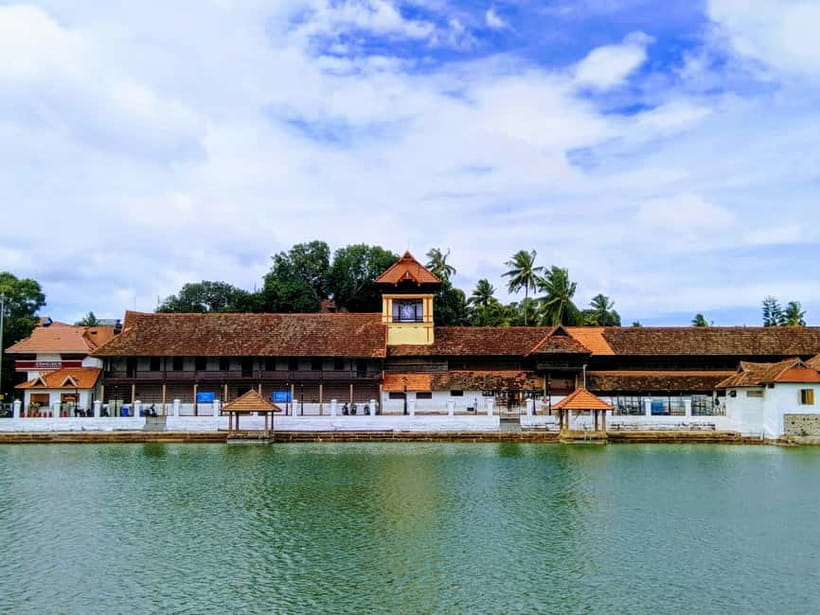
- Kuthira Malika is a head-turner: carved wooden ceilings and more than 120 horse sculptures on the facade
- Royal culture isn’t just for show: you’ll see Swathi Thirunal’s music legacy, plus Travancore-era residences like Kanakakkunnu Palace and Amma Veedu
- The day balances brains and sea air: art galleries and natural history meet a real cooldown at Shanghumukham Beach and its Jalakanyaka mermaid statue
- A good guide helps the schedule breathe: Akhil’s flexibility around real-life events (like Onam) can make your pacing feel less rushed
Trivandrum in one day: how this route actually makes sense
Trivandrum (Thiruvananthapuram) can be a bit much if you try to DIY everything in one day. This tour works because it groups big themes together: faith, art, royal life, then nature and sea views. Instead of bouncing randomly, you get a logical flow from sacred architecture to museums, to palace spaces, and finally to the beach.
It’s also practical. Pickup is included from hotels or stays within the city, and you’re not stuck figuring out transport between scattered landmarks. With a small group of up to 10, you can ask questions without shouting over a crowd.
The biggest payoff is that you get “context time.” The guide isn’t just naming buildings; the stops are framed around what each place meant in Kerala and especially in Travancore-era culture.
You can also read our reviews of more guided tours in Thiruvananthapuram

Padmanabhaswamy Temple: Dravidian architecture with real-world restrictions
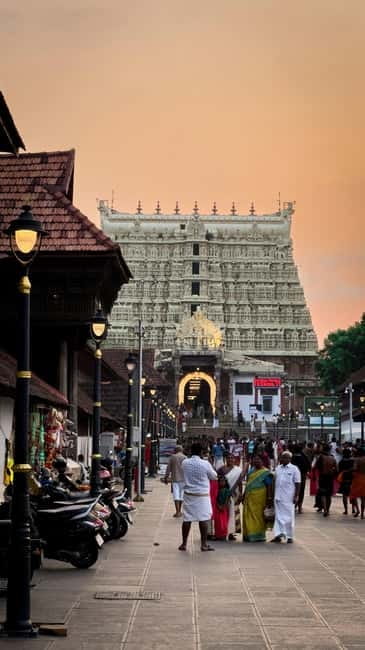
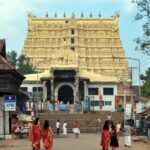
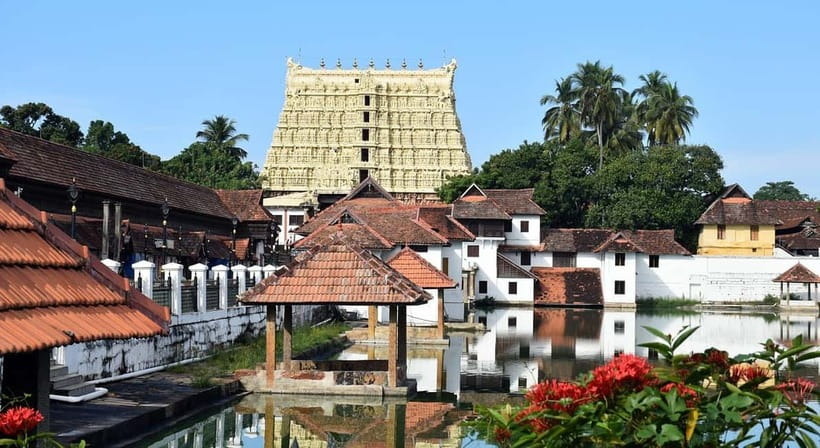
The day starts with Padmanabhaswamy Temple, one of the most famous religious sites in Kerala, dedicated to Lord Vishnu. Expect intricate Dravidian architecture and a strong sense of royal connection—this isn’t a quick photo stop, it’s a place with rules and rhythm.
Before you go in, keep expectations aligned with the logistics. The guided tour is included, but entry is restricted for foreign nationals. So if you’re traveling on a passport that falls under those restrictions, you may not get the full access you’d hope for.
Also plan your body and outfit. Dress code applies at religious sites, and photography restrictions can be part of the experience. If you’ve got a camera, bring it, but keep your flash off and stay ready to follow staff instructions fast.
What I’d watch for
- Wear comfortable footwear that handles temple grounds, and bring water because this part can take longer than you think.
- Keep your hat handy; even early in the day, the sun can be strong once you’re moving outdoors.
Napier Museum: architecture you can read, artifacts you can understand
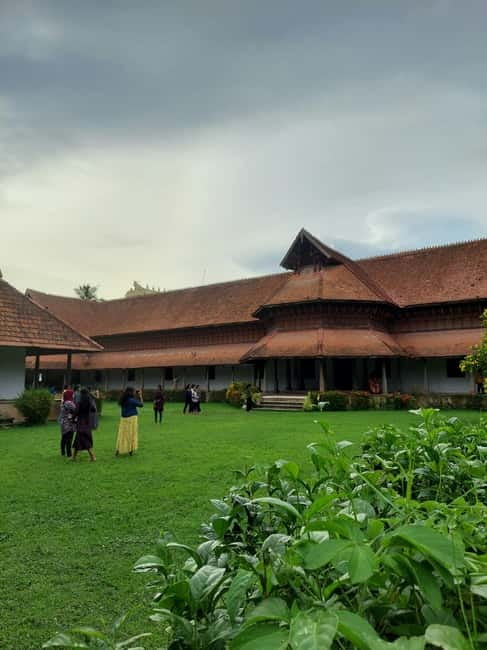
Next up is the Napier Museum, where the building itself tells a story. It’s known as an architectural fusion, and that matters because it helps you see how Kerala’s arts met outside influences without losing their own identity.
Inside, you’re looking at a well-chosen spread of artifacts: ancient sculptures, bronze idols, and Kerala chariots. The way the collections are presented makes it easier to connect what you see with what the objects were for—religious practice, court life, and regional craftsmanship.
This stop is a good “brain break.” After temple time, a museum gives you a steadier pace. You’ll still walk, but you’re not battling the same rules and crowds you might face at major sacred sites.
Kuthira Malika: horses, carved wood, and Travancore’s royal self-image
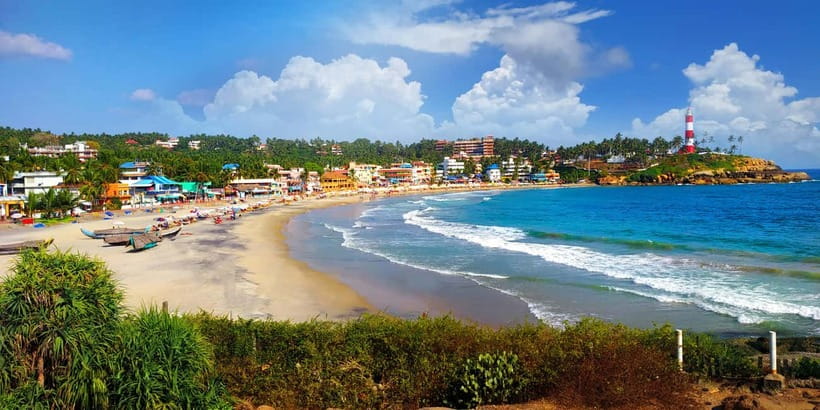
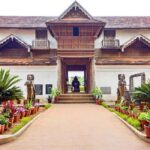
If Napier is about museum learning, Kuthira Malika is about visual impact. This palace museum (also called Mansion of Horses) leans hard into Travancore’s royal identity, and it shows on the facade where you’ll see over 120 horse sculptures.
Look up at the carved wooden ceilings too. Those details are the kind you can miss if you’re rushing, so slow down here. The horses aren’t random decoration; they’re part of how the palace framed status and power.
You can also read our reviews of more historical tours in Thiruvananthapuram
A small caution
Because it’s a palace interior and exterior combination, you might do more steps and uneven surfaces than you expect. If your back already gets cranky, this is where you’ll want to pace yourself and ask your guide for small adjustments.
Swathi Thirunal residence, Kanakakkunnu Palace, and Amma Veedu: royal culture you can feel
This part is where the tour gets personal. You walk through the residence of Swathi Thirunal, the music-loving Maharaja. Instead of treating music as an abstract art, the stop ties it to a person and his environment, which is exactly how culture sticks.
Then you move to Kanakakkunnu Palace, a hilltop relic of Travancore heritage. It often hosts cultural events and traditional art performances, depending on timing. Even when there’s no performance underway, the setting gives you a sense of why royals built around views and ceremony.
Finally, the tour includes Amma Veedu, a royal residence that lets you witness regal traditions and architectural splendor. This is one of those stops that helps your brain connect the dots. Palaces and temples aren’t separate worlds here; they’re part of the same cultural logic around patronage, aesthetics, and public life.
Tip for this stretch
If you can, keep your camera ready but your posture relaxed. You’ll want the photos, but you’ll also want to watch how spaces are organized—courtyards, corridors, and the way decorative work is distributed.
Art and science stops: Raja Ravi Varma, Chithralayam, and the Natural History Museum
The tour doesn’t only run on monuments. It also includes several stops that explain Kerala’s identity through art and nature.
- Raja Ravi Varma Art Gallery: you’ll explore masterpieces tied to Raja Ravi Varma, with expert narration that helps you see what makes his work distinctive.
- Chithralayam Gallery: this is more about understanding Kerala’s artistic heritage through guided commentary, so you’re not just looking at frames—you’re learning what to notice.
- Natural History Museum: you get a practical education about Kerala’s biodiversity and history, which is a nice balance after all the architecture and royal storytelling.
These are the stops that make the tour feel worth it even if you’re not obsessed with any single category. Art lovers will like the storytelling. Nature-minded folks get a grounding in what makes Kerala different beyond its buildings.
The main drawback
Museums can be slow if you’re the type who likes to linger. The good news: the guide can adjust the pace, and flexibility matters a lot on a day with multiple sites.
Lunch and breakfast: where local flavors change the whole day
Food stops aren’t just included “because.” They’re part of how you experience Trivandrum as a living city.
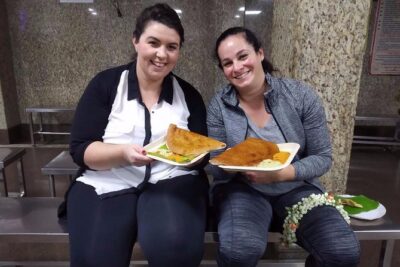
Breakfast and lunch are at local restaurants, with recommendations designed to keep you in the Kerala rhythm. Lunch especially has a focus on fresh seafood options, which fits the coastal setting without requiring you to make decisions under time pressure.
I like this approach because you’re not stuck hunting for something that looks safe, or trying to translate menus while also keeping up with the group. You eat, you reset, then you head to the next place with better energy.
If you have dietary needs
The tour data doesn’t list specific dietary accommodations. If you need vegetarian-only, allergy-safe meals, or something strict, it’s smart to tell your guide at the start and ask how your lunch plans will work.
Shanghumukham Beach: sea views and the Jalakanyaka mermaid statue
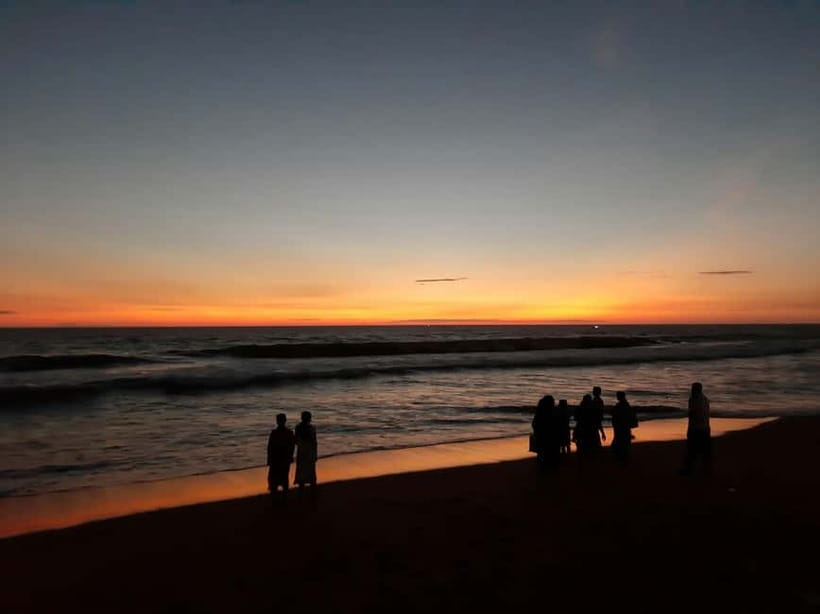
The tour ends with a payoff you can feel in your shoulders: Shanghumukham Beach. This is where the day slows down. You get views of the Arabian Sea and a chance to relax after temple and museum time.
On the walk around the beach, you’ll also find Kalmandapams and old structures, giving the seaside area more depth than it first appears to have. And then there’s the Jalakanyaka mermaid statue, a unique cultural touch that makes it easier to connect the sea with local imagination.
If you time it right, the beach is great for sunset-style views. Even if you’re not chasing dramatic photos, the sea air helps you process everything you saw earlier.
Price and value: what $38 really covers (and what doesn’t)
At $38 per person for an 8-hour guided day, the value comes from the combination of things you typically pay separately: expert guidance, multiple major stops, and two meals (breakfast and lunch). For a city day that would be hard to replicate efficiently on your own, that’s the core reason the price works.
One cost detail matters for planning: museum and art gallery entry fees are not included. You’ll likely pay around $2.5 per person per museum for access. Since the tour includes several museums and galleries, those smaller fees add up, but they’re still usually manageable compared to full admission bundles.
Also, the guide isn’t a “ride-along.” Local interpretation is the part that makes the architecture and artifacts stick in your mind.
Getting ready: shoes, sun, and the rules that keep things smooth
This is the practical packing list that actually helps on a day like this:
Bring:
- Comfortable shoes
- Hat
- Sunscreen
- Water
- Camera (for the places where photography is allowed)
Not allowed:
- Smoking in the vehicle
- Flash photography
- Alcohol and drugs
And follow the religious-site etiquette. Dress code applies, and photography rules can vary by area. If you keep your clothing comfortable and respectful, you’ll spend less time negotiating with the day and more time enjoying it.
Who should book this tour, and who should reconsider
This tour is a strong fit if you want a structured day in Trivandrum that mixes faith, royal-era architecture, art, and a beach cooldown—without making a dozen transport decisions yourself. The small group size helps too, especially if you like asking questions while you walk.
It’s also a good match if you’re flexible about pacing. The guide can adjust your day based on what’s happening locally, and real events can shift timing.
It’s not suitable for you if you have back problems. Between temple grounds, palace spaces, and museum walk-throughs, the physical demand can be too much. If your mobility is limited, you might want a shorter, fewer-stop plan instead.
Should you book this guided day?
I’d book this tour if you want one day in Trivandrum that explains the city instead of just showing photos. The best part is the pairing: Padmanabhaswamy Temple gives you the spiritual spine, Napier and the galleries add the art lens, Kuthira Malika gives you a visual wow, and Shanghumukham Beach gives you a clean ending.
I wouldn’t book it if you hate rules at religious sites, you can’t manage walking, or you prefer a slower, do-one-thing-only day. But for most people wanting a balanced culture-and-flavors day, this one is a solid deal, especially with a guide who keeps things moving without turning the day into a sprint.
FAQ
How long is the tour?
The experience is listed as 8 hours.
Is pickup included, and where do they pick you up?
Pickup is included from hotels or stays within Trivandrum city.
What languages is the live guide available in?
The guide is available in English, Hindi, Tamil, and Malayalam.
Are museum and gallery entry fees included in the price?
The tour includes guided visits, but access entry fees for museums and art galleries are not included. The cost is approximately $2.5 per person, per museum.
Are there dress code and photography rules?
Yes. There is a dress code at religious sites, and flash photography is not allowed. Photography restrictions may apply in certain areas.
Is this tour suitable for people with back problems?
No. It’s specifically noted as not suitable for people with back problems.