REVIEW · CHENNAI
From Chennai: Private Kanchipuram and Mahabalipuram Day Tour
Book on GetYourGuide →Operated by Chuttibaaz · Bookable on GetYourGuide
Stone gods and sea cliffs, all in one day. This private 12-hour drive from Chennai strings together Kanchipuram’s temple world and Mahabalipuram’s UNESCO stone carving sites, with an English-speaking guide to make sense of what you’re seeing.
I love how the day hits key places without feeling like a stampede. I also like the contrast: Shiva temples in Kanchipuram on one side, then Mahabalipuram’s Pallava-era rock-cut masterpieces by the sea.
One thing to plan for: it’s a long day in temples, and you’ll need to remove shoes and dress modestly. If you’re not into heat, crowds inside compounds, or changing footwear habits, this may feel like a workout.
In This Review
- Key things that make this tour worth your time
- From Chennai to Kanchipuram: a temple morning that starts early
- Entering Kanchipuram’s temple world: Kailasanathar, Ekambareswarar, and Varadharaja Perumal
- Kailasanathar Temple: Dravidian carvings that reward slow looking
- Ekambareswarar Temple: the Earth element idea you’ll actually remember
- Varadharaja Perumal Temple: Vishnu, tall gateways, and sculpture you can’t fake
- Photo stops and guided time: how to make those 3 hours feel right
- Silk weaving in Kanchipuram: watching craft where the temples live
- Drive to Mahabalipuram: trading temple bells for sea air
- Mahabalipuram’s UNESCO lineup: Shore Temple, Five Rathas, and Arjuna’s Penance
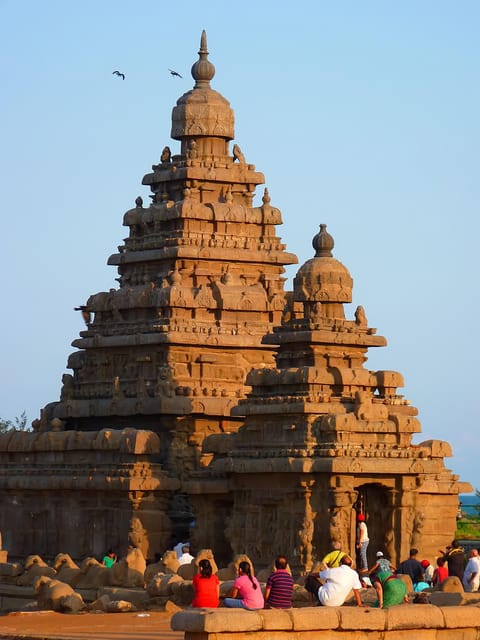
- Shore Temple: early stone architecture with a coastal mood
- Five Rathas: rock-cut temples carved from single stone blocks
- Arjuna’s Penance: mythology spelled out in stone
- Timing matters here: when to stop for photos
- Price and logistics: what $104 per person covers (and why that can be fair)
- What the best guides do for you at each temple
- Who should book this tour, and who should skip it
- Should you book the Chennai to Kanchipuram and Mahabalipuram day tour?
- FAQ
- What sites are included in the tour?
- How long is the tour?
- How far do you travel from Chennai?
- Is hotel pickup and drop-off included?
- Is an English-speaking guide provided?
- Are monument entry fees included?
- Are meals included?
- Do I need to remove my shoes in temples?
- Is the tour suitable for wheelchair users or elderly travelers?
Key things that make this tour worth your time
- Kanchipuram’s “must-see” temples in one guided morning: Kailasanathar, Ekambareswarar, and Varadharaja Perumal
- Vishnu at Varadharaja Perumal with intricate sculpture work and the tall gateway tower
- Mahabalipuram UNESCO sites: Shore Temple, Five Rathas, and Arjuna’s Penance
- Silk weaving in a temple-town setting, not just a quick shop stop
- Private door-to-door logistics with a guide, entry fees, and bottled water
From Chennai to Kanchipuram: a temple morning that starts early
This is the kind of outing that makes sense if you’re based in Chennai and want to feel like you left the city, fast. Pickup is from your hotel or chosen address, then you roll about 75 km to Kanchipuram, famous for temples and silk weaving.
Expect an early start. That matters here. The temples are active places, and you’ll get better viewing time when you arrive before everything hits peak. You’ll also be less rushed when photos, shoe changes, and quiet moments of looking over carvings all take longer than you think.
You can also read our reviews of more private tours in Chennai


Entering Kanchipuram’s temple world: Kailasanathar, Ekambareswarar, and Varadharaja Perumal
Kanchipuram is often described as the City of a Thousand Temples—and even if that number is poetic, the density of sacred architecture is real. What makes this stop special is not just the famous names. It’s the way each temple tells a different story of South Indian religious art.
Kailasanathar Temple: Dravidian carvings that reward slow looking
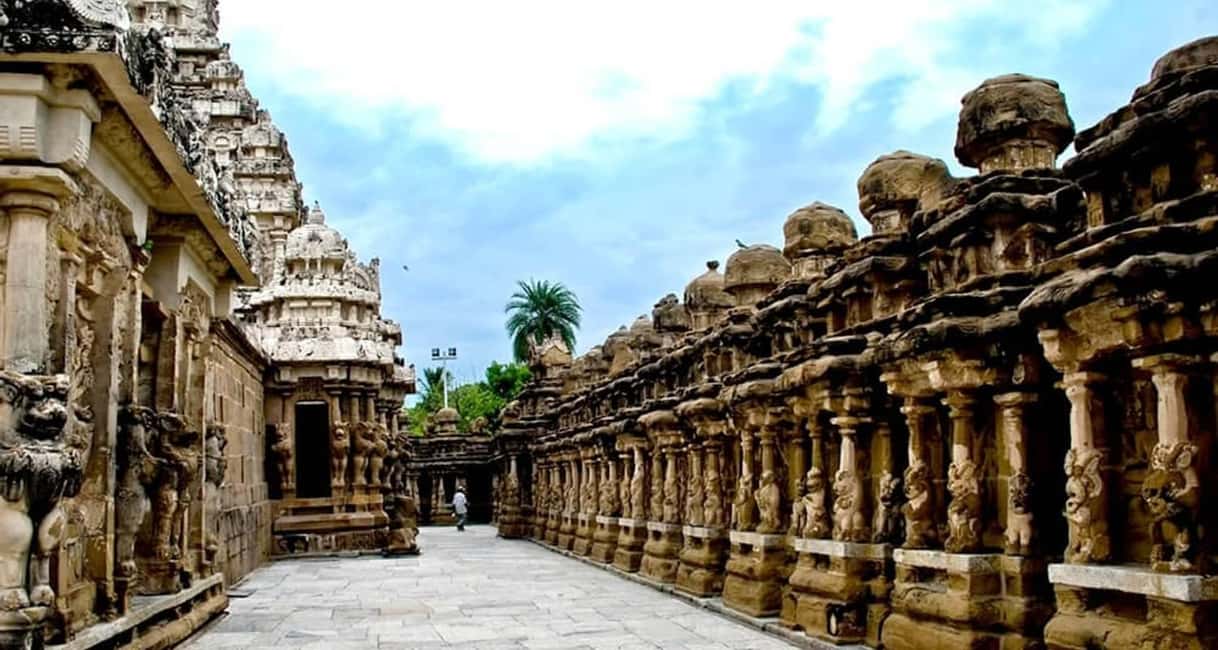
You start with Kailasanathar Temple, known for Dravidian-style architecture and carved details dedicated to Lord Shiva. The buildings are impressive at first glance, but the real win is seeing how much labor went into the stonework.
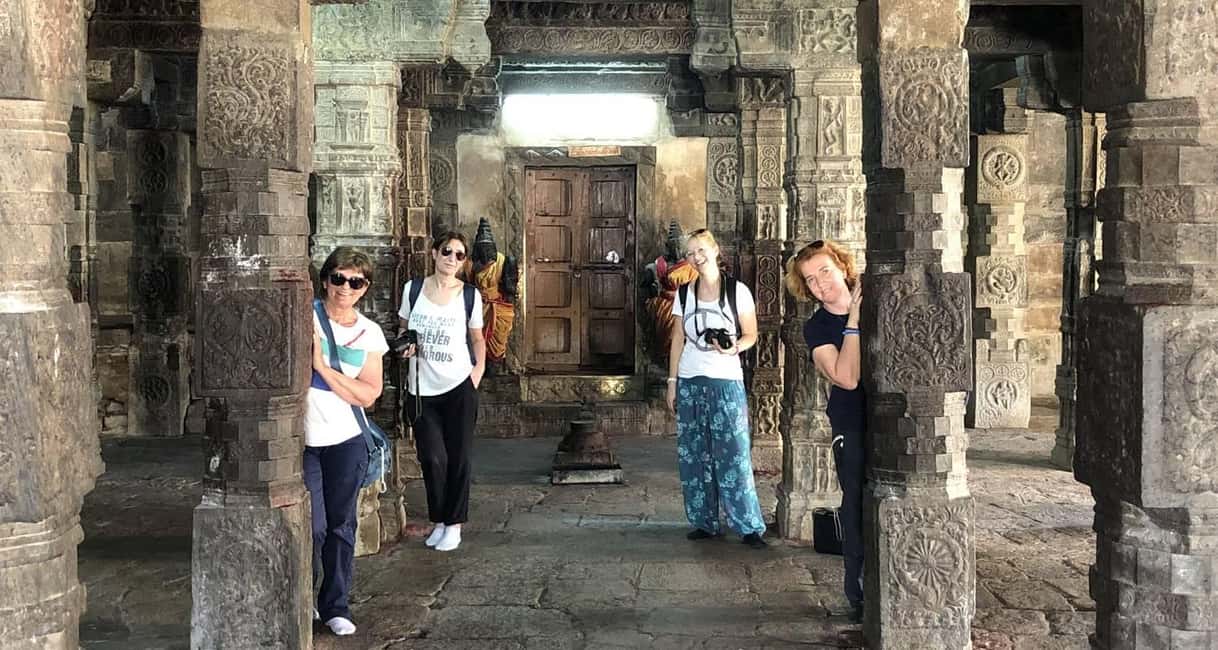
Practical tip: give yourself permission to pause. Don’t treat it like a checklist. If you walk through with your eyes on the details—columns, figures, and decorative bands—the carvings stop looking like ornament and start looking like the “language” of the place.
Ekambareswarar Temple: the Earth element idea you’ll actually remember
Next is Ekambareswarar Temple, representing the Earth element among five sacred Shiva temples in South India. That one concept gives you a way to connect symbols to geography and belief.
I like this kind of interpretation. It turns a temple visit from I saw a building into I understand what the builders wanted you to think about.
Varadharaja Perumal Temple: Vishnu, tall gateways, and sculpture you can’t fake
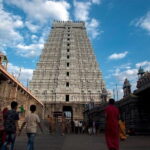
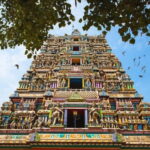
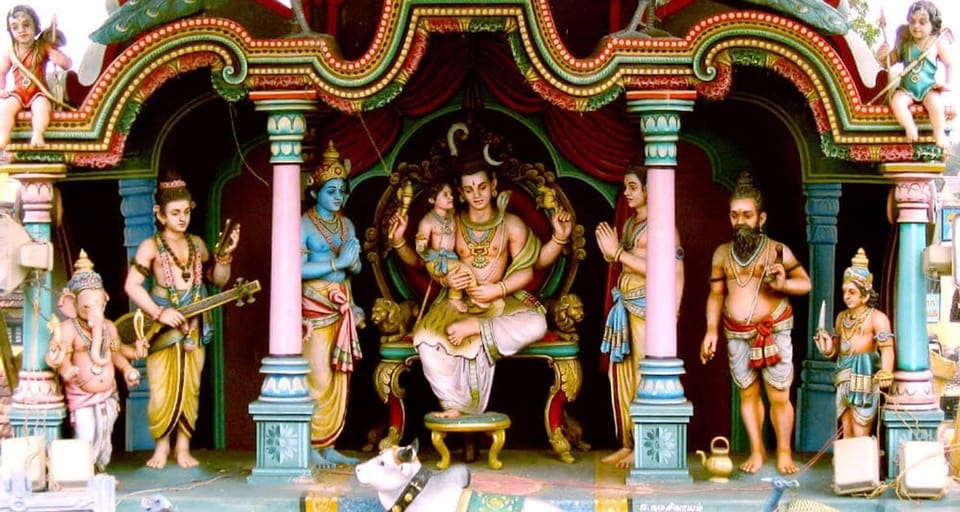
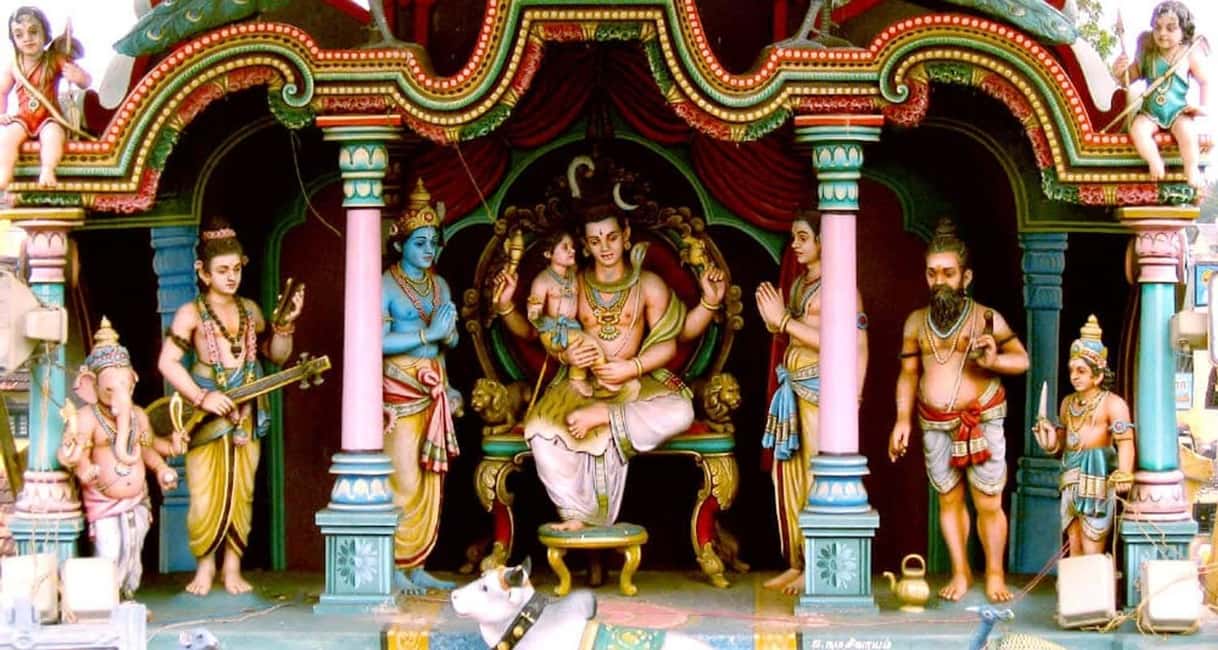
Then you move to Varadharaja Perumal Temple, dedicated to Lord Vishnu. This is where the day often clicks for people who thought they were coming for architecture only. You’ll notice the intricate sculptures and a tall gateway tower, and it feels more like a living shrine than a museum.
If you like figuring out how faith shows up in design choices—placement, scale, and the way devotees interact with the space—this temple is a strong payoff.

Photo stops and guided time: how to make those 3 hours feel right
You’ll have a guided window (about 3 hours allocated for Kanchipuram, including photo stops). The best strategy is simple: don’t split your attention. Either listen with intention during explanations, or focus on visual details during quieter moments.
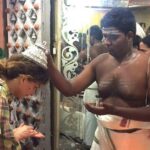
And yes, shoes come off in temples. Wear slip-on sandals you can manage fast.
Silk weaving in Kanchipuram: watching craft where the temples live
Kanchipuram doesn’t just look ancient. It still produces real, traditional textiles, and this tour includes time to witness silk weaving in the temple town.
This matters because it keeps the day from becoming pure stone-and-history. You’re seeing a craft that still supports livelihoods, and that’s part of Tamil culture, not a staged performance.
A practical note: shopping is usually part of this territory. If you want to buy silk, set expectations before you get inside—prices can vary, and you may want to compare options carefully.
Drive to Mahabalipuram: trading temple bells for sea air
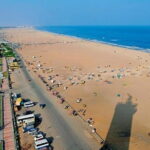
After Kanchipuram, you’ll travel about 65 km to Mahabalipuram, a UNESCO World Heritage Site on the coast. The drive is part sightseeing, part recovery time. You’re going from inland temple compounds to a shoreline setting where stone carvings meet sea views.
When the day is running long, I like this mid-point change of scenery. It refreshes your eyes and helps the later sites land better.
Mahabalipuram’s UNESCO lineup: Shore Temple, Five Rathas, and Arjuna’s Penance
Mahabalipuram is where Tamil heritage becomes sculpted storytelling. The places here aren’t just pretty. They’re dense with scenes, styles, and eras, carved into stone or built as rock-cut temples.
This is a guided 3-hour sightseeing block, so you’ll move through the key monuments in a way that’s meant to be coherent, not chaotic.
Shore Temple: early stone architecture with a coastal mood
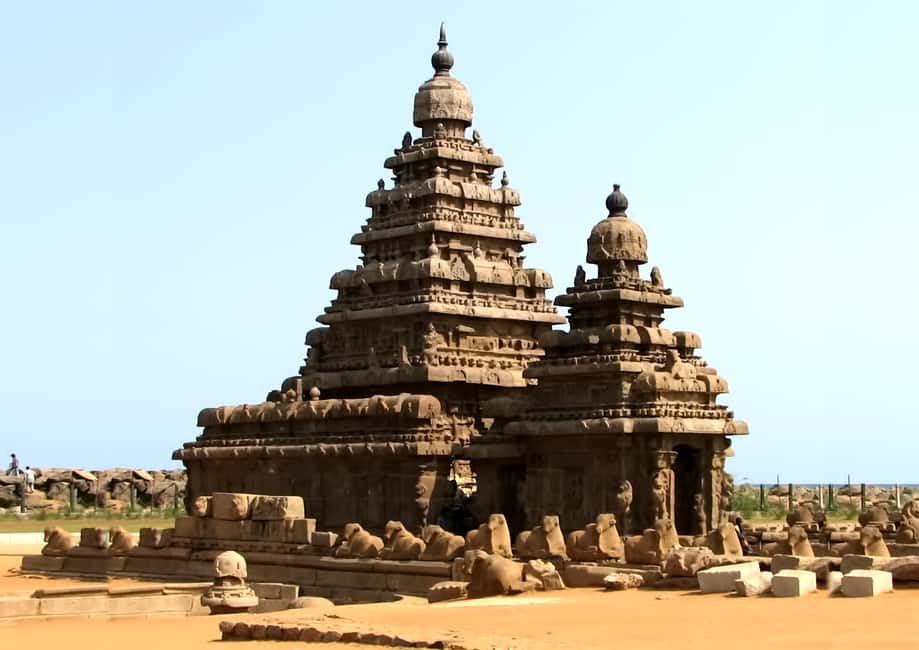
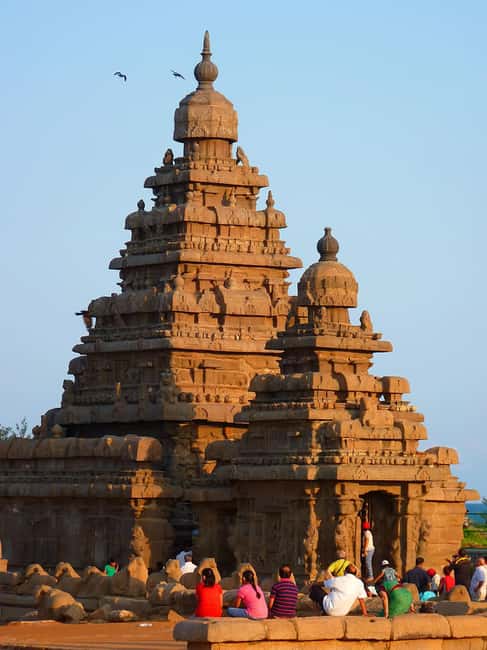
You begin at the Shore Temple, known for sea views and early stone architecture. Even if you’ve seen other temples before, you’ll feel the difference here. The setting changes how you read the building—light, horizon, and the way waves shape the atmosphere.
Give yourself a minute to step back and look at the temple as a whole before you zoom in on details. That’s when it starts to make sense.
Five Rathas: rock-cut temples carved from single stone blocks
Next are the Five Rathas, rock-cut temples carved from single stones, each with its own style. This stop is a dream for people who enjoy patterns and design variation.
The trick is to keep your eyes moving. If you look at just one ratha for too long, you’ll miss what makes the group interesting: the comparisons.
Arjuna’s Penance: mythology spelled out in stone
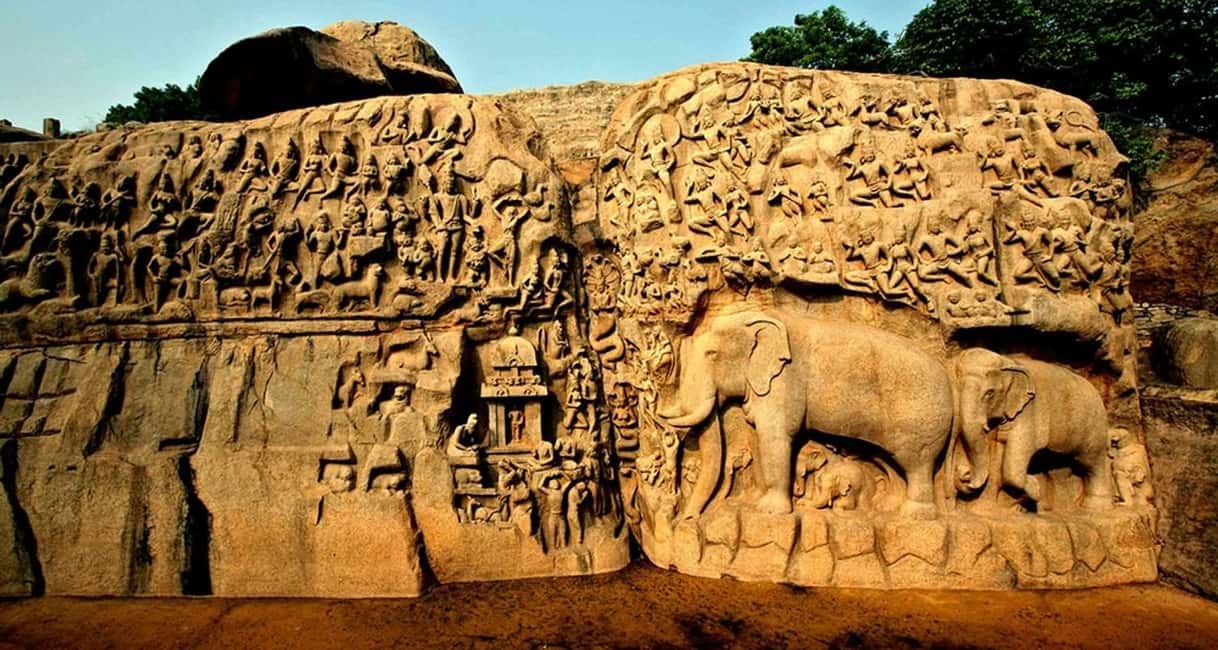
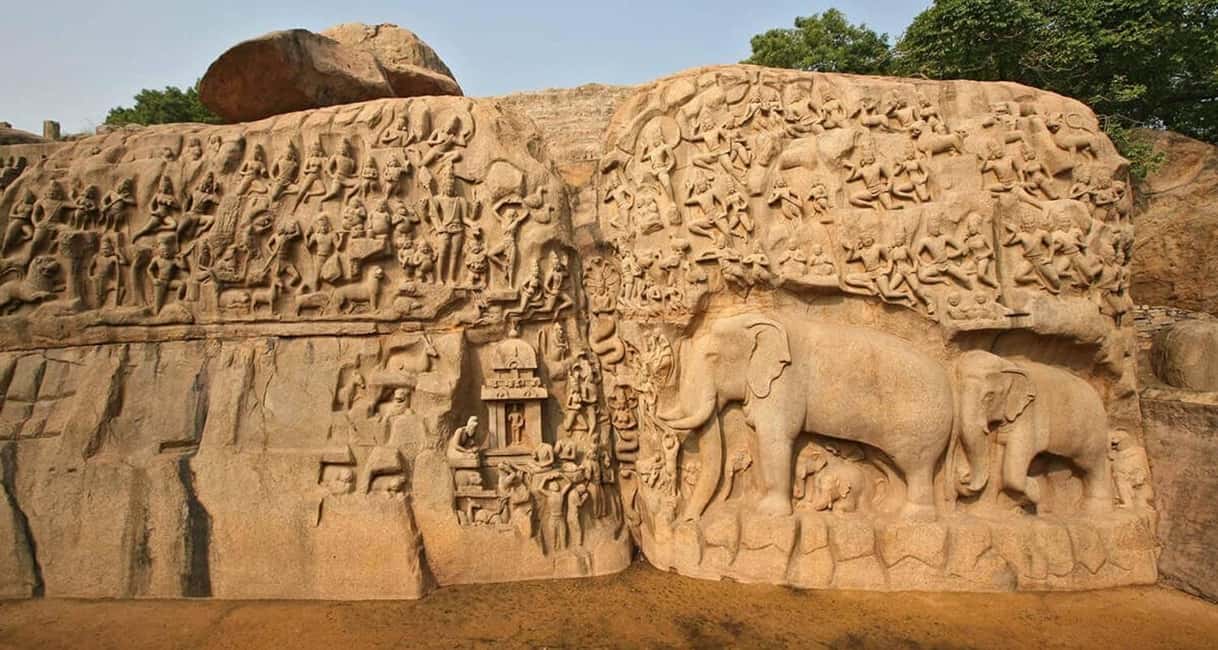
Finally, Arjuna’s Penance takes over the scale. It’s a large rock carving filled with detailed scenes from Hindu mythology. This is the kind of artwork where a guide helps a lot, because there’s a lot happening in the same space.
If you want to get more from it, don’t rush to the widest view first. Spend a few minutes scanning for recurring characters or narrative sections, then let the full scene sink in.
Timing matters here: when to stop for photos
You’ll have photo opportunities built into the pacing. Use them, but don’t let camera mode steal your attention completely. For carvings like these, your memory will come from what you notice, not what you record.
Price and logistics: what $104 per person covers (and why that can be fair)
At $104 per person for a private day tour, the value depends on what you’d otherwise do on your own.
Here’s what’s included:
- Private car with hotel pickup and drop-off
- English-speaking guide
- Bottled water
- Entry fees to the monuments
- Sightseeing according to the program
- Taxes and service charges
So you’re paying for transportation plus a guide plus admission. If you were to hire a driver separately, pay entry fees one by one, and still try to navigate temples and timings on your own, the total often creeps up fast.
What’s not included: meals and drinks are not listed. Plan to buy lunch on your own. In the real world, a good guide will usually know where to send you for something clean and convenient, whether you want a vegetarian South Indian thali style meal or seafood when you reach the coast.
Also: it’s private. That’s not just comfort. It’s control. You can ask questions at each stop and adjust your pace without negotiating crowds or waiting on other people.
What the best guides do for you at each temple
This route is popular because it’s structured. But the quality factor is your guide’s ability to explain what you’re looking at.
From the guide styles that show up on this route, the winners tend to do three things:
- They help you understand the logic behind each temple’s focus (Shiva vs Vishnu, symbolism, architectural differences).
- They manage practical temple behavior smoothly—when to pause, where to stand, how to treat the space respectfully.
- They keep the day flowing while still leaving time for actual observation.
If you end up with a guide who can connect carvings to stories and belief, your photos will look better later—because you’ll remember what the scenes mean.
Who should book this tour, and who should skip it
This is a great fit if you:
- Want a one-day overview of Kanchipuram and Mahabalipuram without logistical headaches
- Enjoy temples, stone carving, and guided context
- Like private pacing more than group shuffles
It’s less ideal if you:
- Use a wheelchair (the tour is not suitable)
- Are over 95 years (also not suitable)
- Want a slow, low-effort day. This is active sightseeing with removals of shoes and regular walking inside temple areas.
And one more reality check: it’s a full day. Comfortable footwear is a must. You’ll be taking shoes on and off, and you’ll want to do it quickly.
Should you book the Chennai to Kanchipuram and Mahabalipuram day tour?
If your goal is to see major South Indian temple art and UNESCO rock-cut heritage in one efficient sweep, I’d book it. The private car plus English guidance plus monument entry fees makes the day feel like a handled plan, not a stressful DIY project.
I’d book especially if you care about understanding what you’re seeing. Temples like Kailasanathar, Ekambareswarar, Varadharaja Perumal, and the Mahabalipuram carvings can feel like “big stone stuff” if you don’t have context. With the right guide, they become storytelling you can actually follow.
If you’re sensitive to long days or strict temple rules, or you want a purely leisure beach afternoon, then consider a lighter option.
FAQ
What sites are included in the tour?
You’ll visit Kanchipuram temples including Kailasanathar, Ekambareswarar, and Varadharaja Perumal, then go to Mahabalipuram to see the Shore Temple, the Five Rathas, and Arjuna’s Penance.
How long is the tour?
The duration is 12 hours.
How far do you travel from Chennai?
The drive from Chennai to Kanchipuram is about 75 km, and the drive from Kanchipuram to Mahabalipuram is about 65 km.
Is hotel pickup and drop-off included?
Yes. Pickup and drop-off from your hotel or preferred location in Chennai is included.
Is an English-speaking guide provided?
Yes. The tour includes an English-speaking live guide.
Are monument entry fees included?
Yes. Entry fees to monuments are included.
Are meals included?
Meals and drinks are not mentioned as included, so you should plan to pay for them yourself.
Do I need to remove my shoes in temples?
Yes. You need to remove shoes when entering a temple, church, or mosque.
Is the tour suitable for wheelchair users or elderly travelers?
No. It is not suitable for wheelchair users and people over 95 years.
If you want, tell me your travel dates and whether you prefer a morning-focused pace or more breaks. I can suggest what to prioritize when you arrive at each temple so the carvings don’t blur together.