REVIEW · THIRUVANANTHAPURAM
Heritage & Cultural Walk of Trivandrum Guided Walking Tour
Book on GetYourGuide →Operated by Yo Tours · Bookable on GetYourGuide
A 2-hour walk that feels like orientation. This heritage route strings together royal-era sites, museums, churches, and one of the city’s best old markets, with a story-first guide who helps you make sense of what you’re seeing. You get a quick look at Trivandrum’s layers without bouncing between tickets and guesswork.
I really like the storytelling approach, where the guide adds fun context (and a little cheeky gossip about royals and celebrities) while you walk. I also like that you’re not stuck only in “big-ticket” places—there’s access to hidden lanes and local recommendations that make you feel like you’ve got a friend in the city.
One consideration: the pace can feel fast. A few stops are more “brief tour + pass-by” than long sightseeing time, so if you want slow wandering and lots of photos at each spot, this may not feel leisurely.
In This Review
- Key highlights at a glance
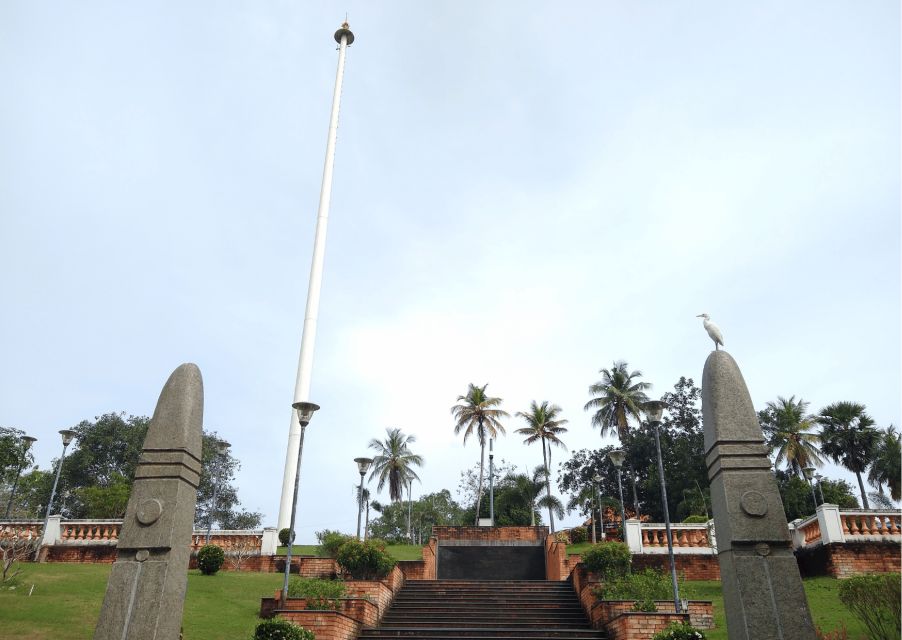
- Starting at Kanakakunnu: the tallest national flag view
- Napier Museum: art and natural history without the headache
- Keralam Museum of History & Heritage, plus Mateer Memorial Church
- Rama Rao Lamp and the old-house streets: where Trivandrum gets architectural
- Memoriam of Men of the Indian Army and St. Joseph’s Cathedral
- Connemara Market in Palayam: arched entrance, old-school variety
- How the guide makes it work: English, Hindi, and the right kind of stories
- Timing and pacing: arrive early and expect quick stops
- Value for $14: what you’re really paying for
- Who this tour is best for
- Should you book this heritage walk?
- FAQ
- Where does the tour start?
- How long is the Heritage & Cultural Walk of Trivandrum?
- What is the price?
- Which languages are used by the guide?
- What’s included in the tour?
- What is not included?
- What should I bring?
- Where does the tour finish?
Key highlights at a glance

- Tall national flag at Kanakakunnu Palace: a dramatic start with instant photo payoff
- Napier Museum’s mix of art and natural history: two kinds of exhibits in one visit window
- Keralam Museum of History & Heritage: helps you connect the dots between culture and place
- Rama Rao Lamp and old-house streets: an architectural and urban-history reset
- Memorials and Palayam Cathedral: history with a more reflective tone
- Connemara Market’s arched entrance: the old-school shopping scene to end on
Starting at Kanakakunnu: the tallest national flag view

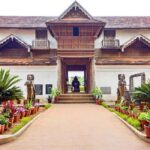
The tour kicks off at the Kanakakunnu Flag Post side, and that’s a smart move. Before you even hit museums, you get a landmark that anchors the whole walk in modern national pride inside a palace-like setting.
You’ll likely pause for a look and a few photos, then roll forward on foot. What I like about this start is how it sets expectations: this isn’t just about old buildings; it’s about how Trivandrum presents its identity in public space. Even if you’re tired from travel, it’s an easy first step—mostly walking and brief stops.
You can also read our reviews of more walking tours in Thiruvananthapuram

Napier Museum: art and natural history without the headache
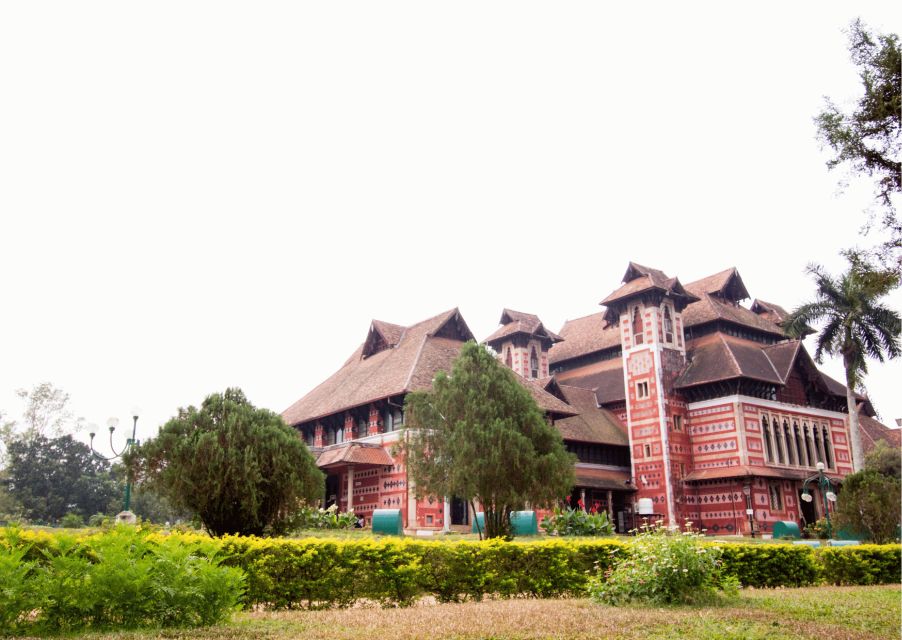
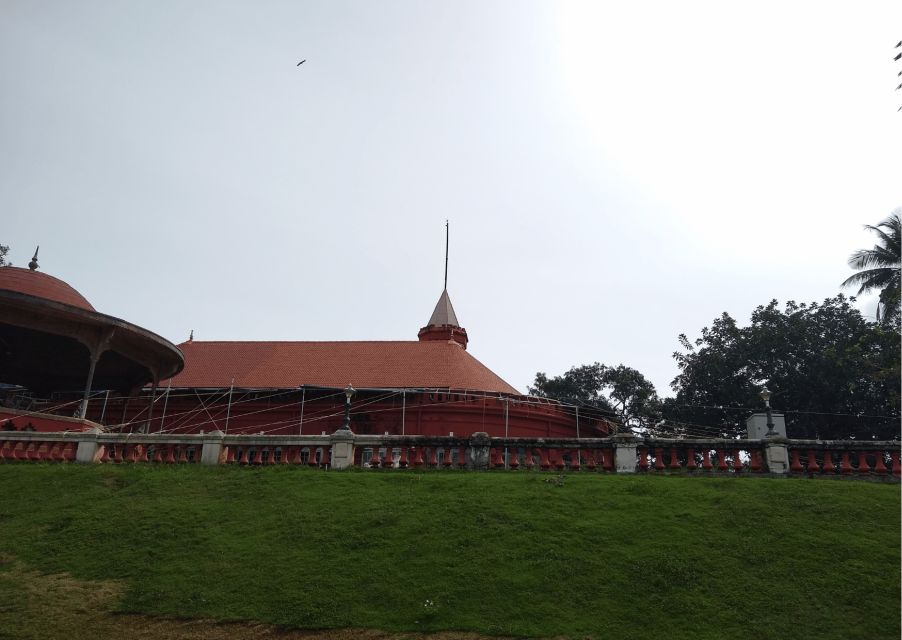
Next is Napier Museum, an art and natural history museum that holds historical artifacts. This matters because it gives your brain a shortcut: Trivandrum didn’t just preserve culture in buildings and churches—it also collected knowledge in museum form.
In a short time window, you won’t see everything. Instead, think of this as an orientation stop: you’re learning what kinds of collections the museum is known for, and why it’s a good “first culture hit” on foot. If you enjoy museums but hate getting lost, a guide helps you pick up the right threads quickly—what to notice, what to connect, and what might surprise you.
Possible drawback: the stop is brief, so if you’re the type who likes to read every label and linger for an hour, you’ll want extra time on your own later.
Keralam Museum of History & Heritage, plus Mateer Memorial Church
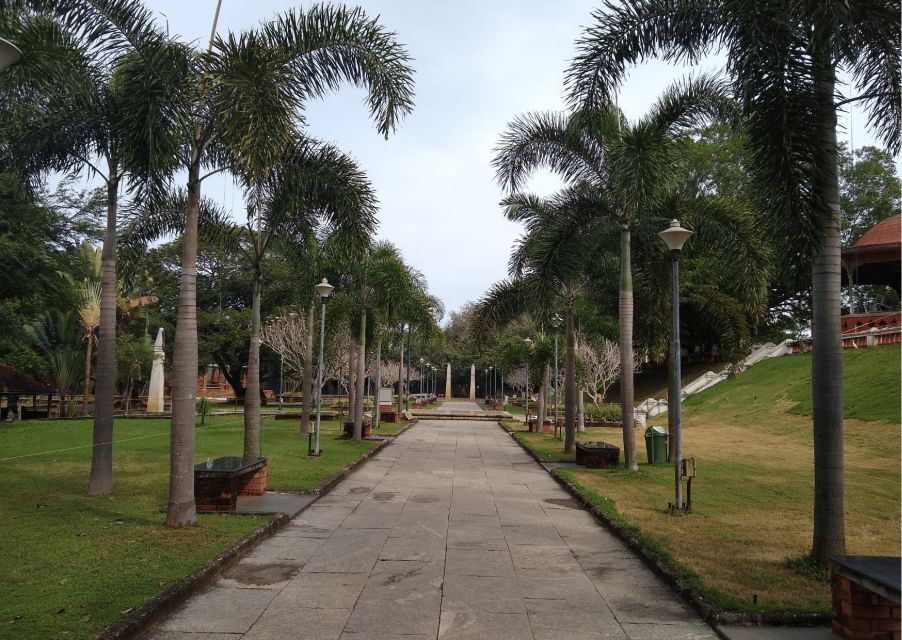
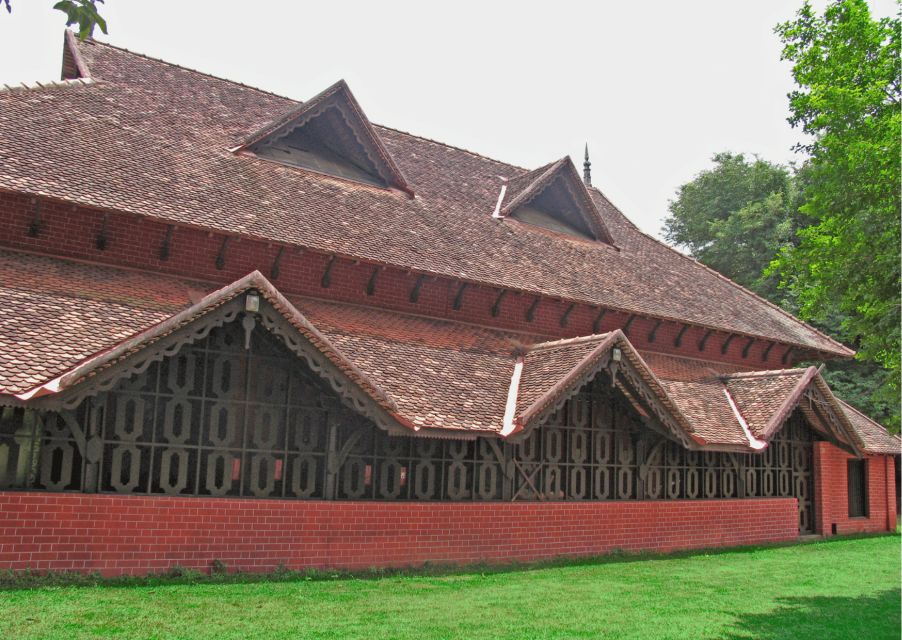
Then comes Keralam – Museum of History and Heritage, followed by Mateer Memorial Church. Together, these stops shift the tone from royal-palace atmosphere to everyday-life history and faith communities.
Why this pairing works: museums can sometimes feel like a static list of facts. Adding a church stop keeps it human. You start seeing how heritage shows up not only in artifacts but also in how communities built institutions and made meaning around the places they gathered.
If you like cultural context—how people lived, what they valued, how public identity formed—this is one of the most useful parts of the walk. It also helps you understand the neighborhoods you’ll pass through next, including older streets where architecture and local institutions still tell stories.
Rama Rao Lamp and the old-house streets: where Trivandrum gets architectural
After that, the walk turns toward Rama Rao Lamp and then the feel of older Kerala—through old houses, plus sights connected with the state library and an old university.
This is the “slow down even if the schedule moves” part, even if you only get a few minutes. Traditional Kerala neighborhoods can look subtle if you rush. A good guide points out what to watch for: the rhythm of streets, the way older structures sit in the urban layout, and the small details that explain why these areas feel different from newer blocks.
Even though you’re mostly passing through, you’ll get a sense of why guides insist on walking. A map doesn’t show how a street bends, how a facade frames the road, or how a landmark like a lamp or campus building anchors the area.
Memoriam of Men of the Indian Army and St. Joseph’s Cathedral
Next you’ll see the Memoriam of Men of the Indian Army, followed by St. Joseph’s Latin Catholic Metropolitan Cathedral in Palayam.
This portion adds balance. Up to now, the emphasis is on culture and architecture. Here, the mood gets more reflective, and you’re reminded that public spaces also carry remembrance and civic identity.
Then the cathedral stop gives you a contrast in design and atmosphere. You’re not just learning dates—you’re watching how religion and community life show up in stone, scale, and street presence. It’s especially helpful if you’re not familiar with how the Christian heritage in Kerala developed alongside other traditions.
If you want to take a moment, do it here. This is one of the places where even a quick visit can leave an impression because the space naturally slows people down.
You can also read our reviews of more guided tours in Thiruvananthapuram


Connemara Market in Palayam: arched entrance, old-school variety
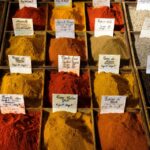
The walk ends by heading to Connemara Market in Palayam. This is described as an oldest Connemara Market, known for a variety of items—and it’s notable for its arched entrance.
Markets are where you learn how a city shops, not just how it looks. Even if you don’t plan to buy much, you’ll see the energy of everyday life: vendors, locals moving with purpose, and the kind of variety that doesn’t translate well to Instagram.
This stop is also practical for your future self. You’ll come away with a better sense of where to look for day-to-day things, gifts, or snacks on later days, and you’ll know how the market fits into the Palayam area.
After that, you finish at the Kerala Government Secretariat, which gives the tour a clear end point in the central civic zone. It’s a helpful way to “place” everything you saw earlier along the path of city life—from heritage institutions to today’s administrative heartbeat.
How the guide makes it work: English, Hindi, and the right kind of stories
A big part of the experience is the guide. This is built as an infotainment-style walk: historical explanation plus fun anecdotes, with enough humor to keep it from turning into lecture mode.
The guide is listed as speaking English & Hindi. In past tours, you may see names like Siddharth and Hareesh Das mentioned for their passion and ease. One reason people rate this walk highly is that the guide doesn’t just name places; they connect them. You start to understand the “why” behind the sites—how a palace setting, a museum, and a church all fit into the city’s identity.
There’s also a social payoff. The tour includes great conversations and local tips to save money and explore. In at least one case, a guide helped a visitor plan additional days, including ideas like Kanyakumari, Varkala beach, and even booking a Kerala massage before a flight home. You don’t need that much structure, but it’s a nice sign that the guide is thinking beyond the two hours.
Timing and pacing: arrive early and expect quick stops
The duration is 2 hours, and most stops are described as guided walk-throughs and pass-bys. That means you’re meant to cover more than you could on your own in the same time, but it also explains why the pace can feel tight at some sights.
If you’re sensitive to rushing, here’s how to handle it:
- Wear comfortable shoes and light layers (comfortable clothes are recommended).
- Don’t plan this tour as your one and only museum day. Treat it as an opener.
- Keep your phone camera ready early, because the most photogenic moments (like the flag post and market entrance) can be quick.
One more practical note: there can be mild schedule confusion on arrival in some cases, so I recommend you show up a bit early at the Kanakakunnu Flag Post side. It’s the simplest way to avoid stress.
Also, water isn’t included, so bring your own bottle. Two hours in Kerala can feel warmer than you expect when you’re walking between landmarks.
Value for $14: what you’re really paying for
At $14 per person for a 2-hour guided walk, this is strong value if your main goal is to get your bearings fast and understand what you’re looking at.
Here’s where the price makes sense:
- You’re paying for interpretation, not just movement.
- You get a path through major heritage points plus lanes and nooks you might miss alone.
- You also get local recommendations that can save time (and money) later.
If you’re the type who likes to “do it yourself,” you could eventually map these stops. But walking with a guide saves the tedious part: guessing why a place matters and which details you should notice. That’s especially true in a city where heritage isn’t only in one museum or one monument.
The only real value trade-off is time. Because some stops are brief, you may still want to return on your own if a particular museum or street feel hits you.
Who this tour is best for
This walk fits best if you want:
- A fast introduction to Trivandrum’s palaces, museums, churches, and market life
- A guide who can explain connections between culture, institutions, and neighborhoods
- A mix of sites you’d struggle to string together efficiently without local help
It may feel less ideal if:
- You want long stays inside museums or worship spaces
- You prefer a slow pace with extended photo time and minimal movement
- You’re only interested in one theme (like only museums, only churches, or only markets)
Should you book this heritage walk?
Yes—if you want a smart starter dose of Trivandrum, this is a very reasonable pick. The strongest reason to book is the guide style: story-driven, practical, and focused on what you’ll actually notice as you walk. Add in the variety—flag post, Napier Museum, Keralam Museum, old-house streets, memorials, cathedral, and Connemara Market—and you get a complete feel for the city in just two hours.
I’d hold off only if you hate fast pacing or you’re looking for deep, slow museum time. In that case, treat this as the opener and plan separate time afterward.
FAQ
Where does the tour start?
Meet at the Kanakakunnu Flag Post side.
How long is the Heritage & Cultural Walk of Trivandrum?
The tour runs for 2 hours.
What is the price?
It’s $14 per person.
Which languages are used by the guide?
The guide speaks English and Hindi.
What’s included in the tour?
You get a storyteller/guide who can speak English and Hindi, access to hidden lanes and places, and local tips and recommendations. The tour also includes conversation and interesting stories.
What is not included?
Hotel pickup and drop-off and a water bottle are not included.
What should I bring?
Wear comfortable clothes, and it’s a good idea to bring your own water bottle since water isn’t included.
Where does the tour finish?
The tour finishes at the Kerala Government Secretariat.