REVIEW · KOCHI
From Cochin: Fort Kochi and Mattancherry Sightseeing Tour
Book on GetYourGuide →Operated by Carnival Tours Kochi · Bookable on GetYourGuide
Fort Kochi and Mattancherry pack a lot of culture into a short window. I like how the route mixes Christian landmarks with Jewish heritage, and you’ll also get the story behind the Chinese fishing nets. One thing to plan for: there’s a small amount of walking, and some worship places have a strict dress code.
You start from your ship with a port pickup, then settle into a smooth rhythm of stops. The guide support matters here; one guide named Jude earned praise for being friendly, knowledgeable, and flexible, and that kind of care makes the sights easier to connect and understand. The tour is straightforward, but you should bring comfortable shoes and cover up for churches and the synagogue.
The payoff is how well the area’s mix of cultures shows up in real places: Portuguese churches, Dutch-era connections around the palace area, and South India’s oldest active synagogue. It’s history you can see with your own eyes, not just names on a sign.
In This Review
- Key Highlights You’ll Actually Notice
- Fort Kochi and Mattancherry, Fast and Focused
- Chinese Fishing Nets: The Story You’ll Hear Before You See
- Santa Cruz Basilica: Frescoes That Make the Portuguese Presence Real
- St. Francis Church and Vasco da Gama’s Burial Place
- Mattancherry Palace Murals: Hindu Tales on Portuguese- Built Ground
- Paradesi Synagogue: The Oldest Active Synagogue in South India
- Price and Value: What $27 Covers (and What It Doesn’t)
- Getting the Timing Right on Ship Days
- Dress Code and Practical Tips That Save You Stress
- Closures to Know: Synagogue and Palace Days
- Who Should Book This Fort Kochi and Mattancherry Tour
- Should You Book It?
- FAQ
- What does the tour include?
- What sights will I see in Fort Kochi and Mattancherry?
- How long is the tour?
- What’s the meeting point?
- Is food or lunch included?
- What dress code do I need to follow?
- When will the synagogue and Dutch palace be closed?
- Is the tour suitable for mobility impairments?
Key Highlights You’ll Actually Notice
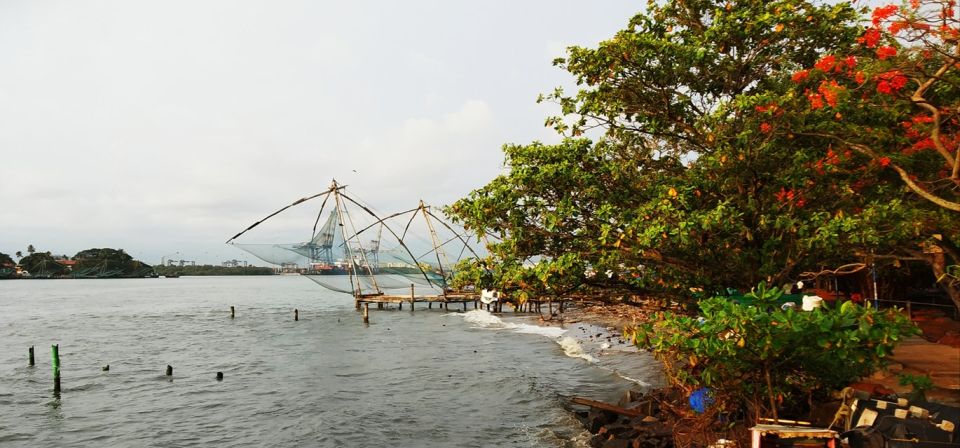
- Chinese fishing nets tied to 14th-century trade stories around Kochi
- Santa Cruz Basilica with interior frescoes, murals, and Christ-life paintings
- St. Francis Church and the connection to Vasco da Gama’s burial place
- Mattancherry Palace murals that depict Hindu tales on Portuguese-built grounds
- Paradesi Synagogue with brass pulpit, glass chandelier, and hand-painted Chinese porcelain floor tiles
Fort Kochi and Mattancherry, Fast and Focused
This is a classic shore-excursion setup: 4 hours, port pickup and drop-off, and an English-speaking local guide. It’s designed for ship days, so you won’t spend your time negotiating taxis or trying to figure out routes. Instead, you get a guided loop through Fort Kochi and Mattancherry that hits the headline sights and the “how did all this happen here?” context.
The geography also helps. Fort Kochi and Mattancherry are close enough that the tour feels like one coherent theme: coastal Kochi as a trading crossroads. That means you see Portuguese-era Christian architecture, Chinese-influenced fishing gear, and a Jewish community that has deep roots in South India. If you’re short on time, this kind of focused route is the most efficient way to get the big picture.
The one “consideration” piece is physical and cultural. There’s small walking, and you’ll need to follow a dress code in places of worship and selected museums: no shorts or sleeveless tops, and both men and women must cover knees and shoulders. If you show up in casual beach gear, you might get refused entry.
You can also read our reviews of more tours and experiences in Kochi.
Chinese Fishing Nets: The Story You’ll Hear Before You See
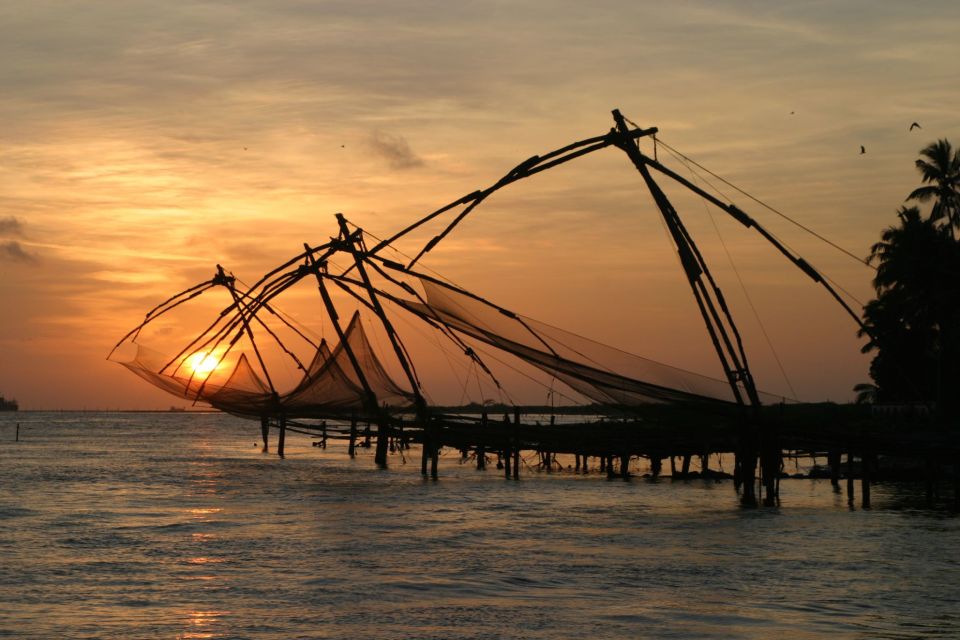
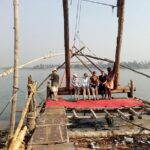
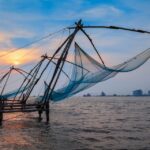
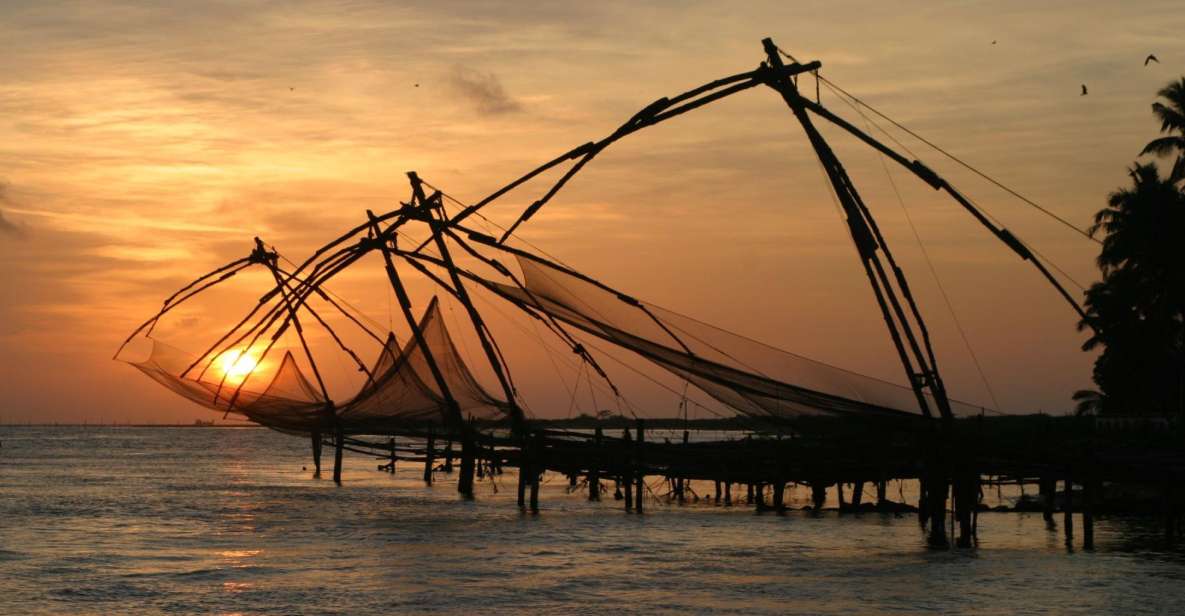
One of the first things you should look for is the Chinese fishing nets—the kind that look like giant wooden frames with a pulley system. The tour frames them as part of a 14th-century story: traders connected to the court of Kublai Khan introduced the technique in Kochi.
Here’s why this matters beyond “cool photo op.” Those nets are visual proof of Kochi’s long trading links. You’re not just seeing an old craft. You’re seeing the way movement of people and ideas shaped everyday life along the coast. A good guide will connect the nets to the broader theme of the tour: Fort Kochi as a layered meeting point of cultures.
Quick practical tip: when you’re near working areas, watch your footing and don’t wander off toward ropes or poles. You want photos and understanding, not to become a problem for the fishers.
Santa Cruz Basilica: Frescoes That Make the Portuguese Presence Real
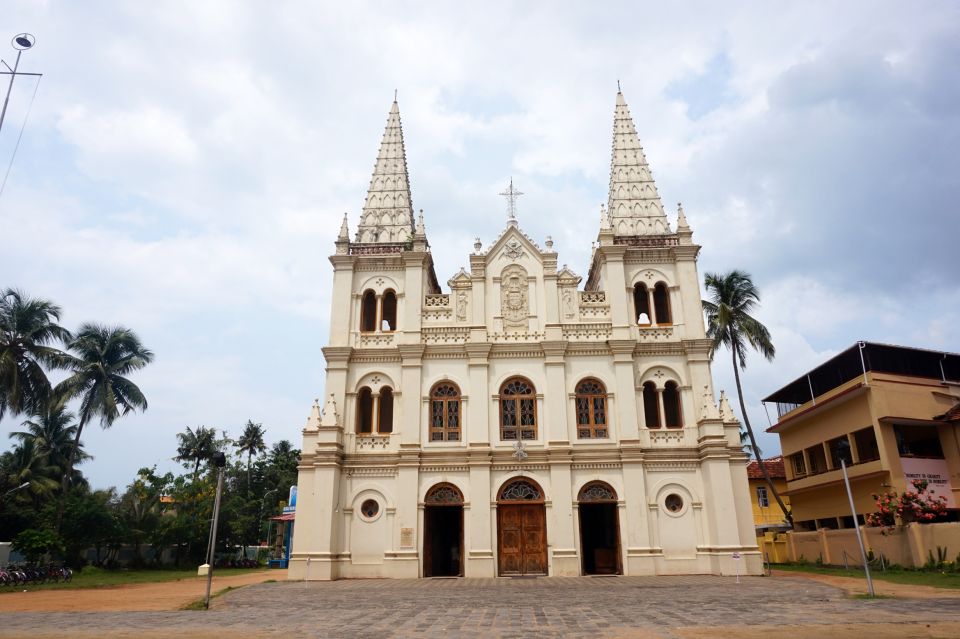
Next comes Santa Cruz Basilica, one of the most visually rewarding stops on the route. The standout is the interior: frescoes, murals, and paintings that depict scenes from the life of Christ.
Why I like this kind of church stop on a shore tour: it gives you a “sense of place” that photos outside can’t. You get a feeling for what Portuguese-influenced Christianity looked like on the ground here—through artwork, not just architecture. Even if you’re not a church-history person, the murals act like a guided story wall.
A practical note: this is one of the places where dress code matters. Cover knees and shoulders. If you’re wearing a sleeveless top, expect trouble at the entrance. It’s worth carrying a light scarf or thin layer just in case you need to adjust fast.
Also plan to take it slowly inside. Places of worship can feel crowded with tour groups, so don’t rush through the paintings. Let your eyes catch up to the details the guide is pointing out.
St. Francis Church and Vasco da Gama’s Burial Place
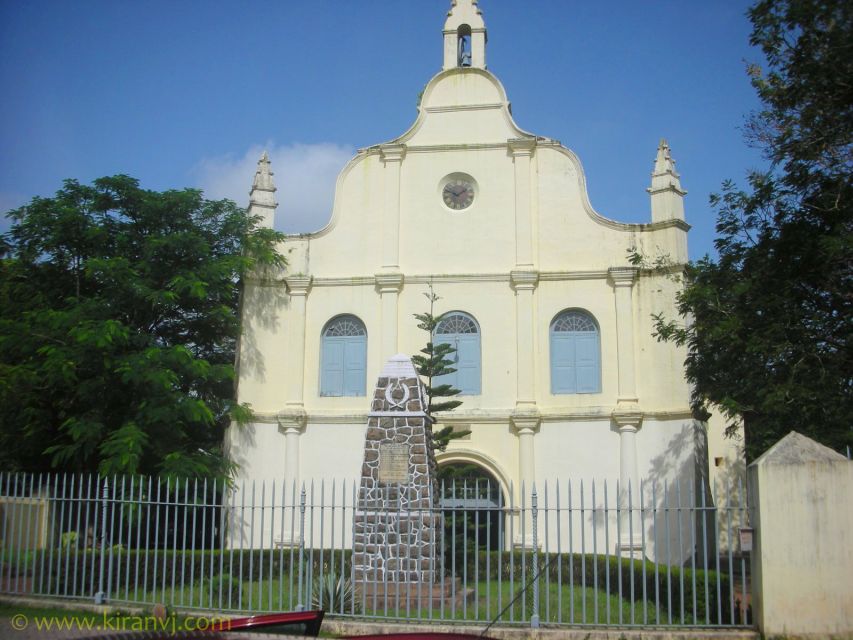
From there, the tour moves into Fort Kochi’s big European-era storyline with St. Francis Church, described as the oldest European church in India. The “why this is a must” detail is the connection to Vasco da Gama, including his burial place in the area.
This is where the tour’s cultural mix clicks into focus. Kochi wasn’t just a stopover—it became part of the Portuguese world in a lasting way. When you stand in or near the church, you’re seeing how European exploration left physical marks, and you’re also seeing how those marks fit into a coastal landscape that had older networks too.
Again, dress code rules apply here as well. Comfortable shoes help, because you’ll likely move between areas and spend time standing around viewpoints and entrances.
If you’re sensitive to crowds or need lots of quiet time, consider arriving with the mindset that this is a popular stop on ship days. A guide who manages pacing well will make it feel orderly rather than rushed.
Mattancherry Palace Murals: Hindu Tales on Portuguese- Built Ground
Then you shift to Mattancherry Palace, built by the Portuguese. The key detail on this stop is the murals. You’ll see scenes from Hindu tales, painted onto walls within a palace connected to European construction.
That contrast is the point. It’s easy to think of colonial-era buildings as one-style, one-culture boxes. Here, you see a more complicated reality: local stories and local visual language continue inside structures influenced by foreign powers. It’s a great moment to remember that cultures weren’t just “placed side by side.” They mixed in real spaces.
What to watch for: mural scenes can be busy, and lighting inside may not be perfect for every detail. Use your guide’s cueing—if they explain what you’re looking at, the stop becomes much more than a hallway of pictures. It’s also a relief on a shore day: you get a strong visual payoff without needing hours.
One caution: the palace area can be affected by closure schedules tied to Jewish observances (see FAQ). If your tour date falls on days when the Paradesi Synagogue and the Dutch palace are closed, timing and what you can access may change.

Paradesi Synagogue: The Oldest Active Synagogue in South India
Right next door is the main cultural anchor for many visitors: the Paradesi Synagogue, described as the oldest active synagogue in South India. This stop is quietly impressive because it’s both religious space and living heritage.
The details are specific and worth looking for: a brass pulpit, a glass chandelier, and hand-painted Chinese porcelain floor tiles. That porcelain detail is a great reminder of Kochi as a trade hub. Materials and influences weren’t limited to one group. They traveled, arrived, and found their way into sacred spaces too.
Here’s how to get more out of it: don’t only scan for the prettiest elements. Pause at the pulpit and chandelier, then look down at the porcelain tiles. The guide’s context helps you understand why these objects matter in daily worship and community identity—not just as decoration.
Dress code applies here too, since it’s a place of worship. Cover shoulders and knees, and skip sleeveless tops and shorts. Plan to handle entry checks calmly; this stop runs smoother when everyone follows the rules without debate.
Price and Value: What $27 Covers (and What It Doesn’t)
At about $27 per person for a 4-hour guided shore excursion, the value comes from what’s included, not just the sticker price.
Included essentials:
- Port pickup and drop-off
- Entrance fees
- Bottled water
- Driver and transportation by air-conditioned vehicle
- Local English-speaking guide
What’s not included:
- Food and drinks
- Lunch
This matters because Kochi can make you spend extra quickly if you’re trying to fill gaps on your own between sights. Here, you’re covering the main entry costs and local transport. The only real gap is eating. Since lunch isn’t included, plan your meal strategy: either eat before you go, or plan a simple post-tour stop near your ship or your next activity.
Also note the “time value” angle. If you’re on a ship day, losing hours to logistics can ruin the trip. This kind of structured loop helps you keep your day intact while still seeing major landmarks.
Getting the Timing Right on Ship Days
Your departure depends on when your ship arrives. Tours run at set times such as:
- 8:30 AM departures for ship arrival at 7:00 AM
- 9:15 AM departures for ship arrival at 8:30 AM
- 12:45 PM departures for ship arrival at 12:00 PM
So the best approach is to look at your ship’s arrival time first, then match it to the tour departure window. If you’re the type who likes buffer time, remember you need a little breathing room for meeting the driver and settling into the vehicle.
Meeting point tip: you’ll be picked up at the ship’s berth, with a representative holding a sign under a blue umbrella. The name on the sign can appear as a platform-style sign like GetYourGuide, or it can say Carnival. In practice, your visual cue is the blue umbrella at the berth.
Dress Code and Practical Tips That Save You Stress
This tour includes multiple places of worship and selected museums, so dress code isn’t optional trivia. You’ll need:
- No shorts
- No sleeveless tops
- Both men and women must cover knees and shoulders
If you don’t, you risk being refused entry.
That’s the big practical rule. The second rule is about feet. There’s a small amount of walking, so wear comfortable walking shoes. You don’t want to arrive with sandals and then spend half the tour thinking about your aching toes.
Mobility note: it’s not suitable for people with mobility impairments. That’s worth taking seriously, because the itinerary includes walking and movement between sites.
If you want to keep the tour feeling smooth, carry a simple day bag with water (you’ll have bottled water), a light layer for modesty, and anything you’ll need for the day after your excursion.
Closures to Know: Synagogue and Palace Days
There’s one schedule wrinkle that can matter a lot: the Paradesi Synagogue / Dutch Palace will be closed on:
- Fridays and Saturdays
- Jewish holidays
- Jewish Passover days
If your shore day lands on one of those, you may not be able to visit the synagogue and the Dutch palace area as planned. If you’re deciding whether to book and the synagogue stop is your top priority, check the calendar for your specific visit date before you lock it in.
Who Should Book This Fort Kochi and Mattancherry Tour
This tour is a strong fit if:
- You want a high-coverage Fort Kochi and Mattancherry overview in one go
- You care about architecture plus the human stories behind it
- You enjoy cultural contrasts: European churches, Hindu mural scenes, and Jewish heritage in the same neighborhood
- You’re on a ship schedule and need a structured, port-friendly plan
It may be less ideal if you:
- Have mobility limitations that make short walks hard
- Don’t want to deal with dress code rules
- Prefer long, unhurried wandering time instead of a guided route
If you’re traveling with limited time, this tour is one of the most efficient ways to see the area’s key landmarks without turning your day into a logistics puzzle.
Should You Book It?
I’d book this tour if you want the Fort Kochi and Mattancherry highlights in a single, guided 4-hour loop—and you’re excited by cultural crossovers. The value is real because entrance fees and port transport are included, and the route hits the big anchors: Chinese fishing nets, Santa Cruz Basilica, St. Francis Church, Mattancherry Palace murals, and the Paradesi Synagogue with its distinctive brass pulpit, glass chandelier, and Chinese porcelain tiles.
Skip it or rethink dates only if your visit falls on days when the synagogue/palace are closed, or if dress code and mobility constraints are likely to be an issue for you. If those aren’t problems, this is a smart, time-efficient way to get a grounded sense of Kochi’s layered coastal story.
FAQ
What does the tour include?
It includes port pickup and drop-off, entrance fees, bottled water, a driver, transportation by air-conditioned vehicle, and a local English-speaking guide.
What sights will I see in Fort Kochi and Mattancherry?
You’ll see Chinese fishing nets, Paradesi Synagogue, Mattancherry Palace, Santa Cruz Basilica, and St. Francis Church (including the connection to Vasco da Gama’s burial place).
How long is the tour?
The duration is 4 hours.
What’s the meeting point?
A tour representative will be waiting at your ship’s berth holding a sign with a blue umbrella.
Is food or lunch included?
No. Food and drinks, including lunch, are not included.
What dress code do I need to follow?
For places of worship and selected museums, you must not wear shorts or sleeveless tops, and both men and women must have knees and shoulders covered.
When will the synagogue and Dutch palace be closed?
They will be closed on Fridays, Saturdays, Jewish holidays, and Jewish Passover days.
Is the tour suitable for mobility impairments?
No. It’s listed as not suitable for people with mobility impairments.