REVIEW · BANGALORE
Private Walking Tour of Old Bangalore
Book on Viator →Operated by Yours Truly India · Bookable on Viator
Old Bangalore has a pulse. This private walking tour is a slow, street-level way to understand how Bangalore’s old neighborhoods work, with stops that range from a 10th-century Hindu temple to a historic Muslim dargah. You’ll move through areas like Avenue Road, Balepete, and finish near Cottonpet Circle, all at a comfortable walking pace for about 3 to 4 hours.
What I really loved was the way the tour starts with local coffee or tea before you even hit the temples and old streets. Second, the guide gives inside tips that turn sights into context, including a city history overview that’s made clearer with old photos and on-the-ground details you won’t get from a quick drive-by.
One thing to plan for: the tour involves a dress code and lots of shoe changes. Because you’ll enter places of worship, you’ll need knees and shoulders covered, and you should expect to remove footwear in several spots. If you show up in shorts or sleeveless tops, you may be refused entry.
In This Review
- Key Highlights You’ll Want to Know Before Booking
- Avenue Road: Where Bangalore’s Old Town Shows Up in Real Life
- Sri Ranganatha Swamy Temple: A Calm 10th-Century Stop (With Real Etiquette)
- Balepete: Wrestling House Traditions and a Glimpse of Healing
- Dargah Hazrat Tawakkal Shah Mastan Soharwardy Rehmatullah: Faith, Story, and Cottonpet Ending
- Coffee and Guide-Given Context: The Real Value You Feel on the Walk
- Price and Logistics: When $67 Makes Sense for Old Bangalore
- Who This Tour Fits Best (and Who Might Want Another Plan)
- Should You Book This Private Old Bangalore Walking Tour?
- FAQ
- How long is the Private Walking Tour of Old Bangalore?
- What’s included in the price?
- Where do I meet and where does the tour end?
- Do I need to pay for admission at the stops?
- Is this tour private?
- What should I wear?
Key Highlights You’ll Want to Know Before Booking
- Private group feel on narrow streets: only your group participates, which makes it easier to ask questions and move at a human pace.
- Coffee and/or tea included: a neighborhood start that sets the tone, not just a quick meetup.
- Temple visits across religions: a Hindu temple followed by a Muslim dargah, with explanations about how and why both matter locally.
- Avenue Road’s 16th-century roots: you walk the oldest area where the city grew into life, tied together with stories from older buildings.
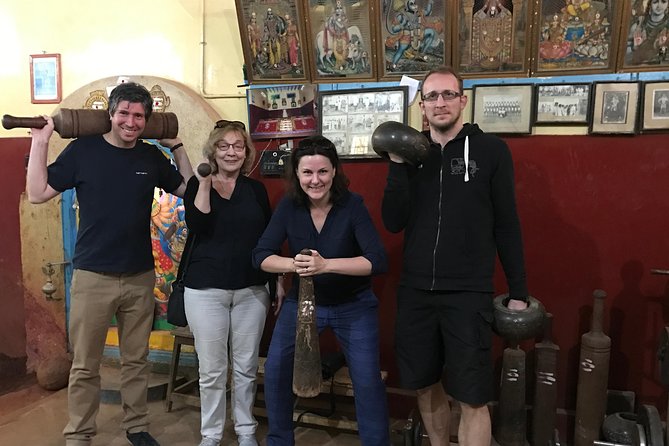
- Balepete stops that go beyond photos: a traditional wrestling house and a glimpse at traditional healing.
- You’ll need the right clothes and shoes: knees/shoulders covered and expect to remove footwear repeatedly.
Avenue Road: Where Bangalore’s Old Town Shows Up in Real Life
Avenue Road is the tour’s opening act, and it does a good job of setting your expectations. You’ll be walking down one of the oldest parts of Bangalore, tied to the city coming to life in the 16th century. The experience isn’t staged. You’re on foot through narrow streets and around older buildings, so you start to see how the neighborhood rhythm works: where people gather, where storefronts pull you in, and how daily life sits right beside religious and cultural landmarks.
What I like about starting here is that it gives you grounding. If you jump straight to a temple without context, you might miss the point of the place. Here, you get the street layout and the “why” behind it first. Your guide shares stories woven into the lanes, and that’s what makes the walking feel more like a guided conversation than a checklist.
There’s also a practical benefit: walking early helps you pace the rest of the tour. You’re not tired and rushing into worship spaces. You’re awake, alert, and ready to listen. That matters because some of the later stops require patience and a calm tone, especially when you’re asked to remove shoes or dress conservatively.
Wear comfortable clothes you can keep on, and plan on taking shoes off more than once. This is one of those tours where your feet will be part of the itinerary. If you’re someone who hates shoe-off moments, you’ll still get through it, but you’ll want footwear that slips off easily and stays comfortable when you put it back on.
You can also read our reviews of more walking tours in Bangalore


Sri Ranganatha Swamy Temple: A Calm 10th-Century Stop (With Real Etiquette)

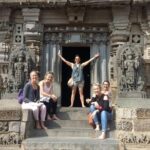
Next comes Sri Ranganatha Swamy Temple, described as a 10th-century temple. This is the kind of stop where the timing is short, but the meaning isn’t. You’ll spend about 20 minutes here, and the focus is on two things: what the temple is, and how Hinduism shapes everyday life for people in the area.
The most important thing is how you enter and behave. This tour includes time inside a place of worship, so you’ll need to follow the rules. Knees and shoulders must be covered for both men and women. Shorts and sleeveless tops are a no-go, and you risk being turned away if you don’t meet the dress requirements.
Expect a quieter atmosphere than the streets. In practical terms, it’s also where the tour’s “slower” pace shows up. You’re not just taking photos. You’re learning basic context so the space makes sense. Your guide explains things in a straightforward way, so you leave with a clearer idea of what you saw and why it matters to the community.
A drawback for some people: if you’re traveling during hot weather and you’re dressed in the wrong layer (too warm, wrong coverage), worship etiquette can feel harder than it needs to be. So dress smart. Light, breathable fabric with covered shoulders and knees makes a big difference.
And because this stop is only about 20 minutes, it’s also a good fit if you prefer cultural sights without a long, drawn-out program. You get the core experience, then you’re back outside for the street-side stories.
Balepete: Wrestling House Traditions and a Glimpse of Healing
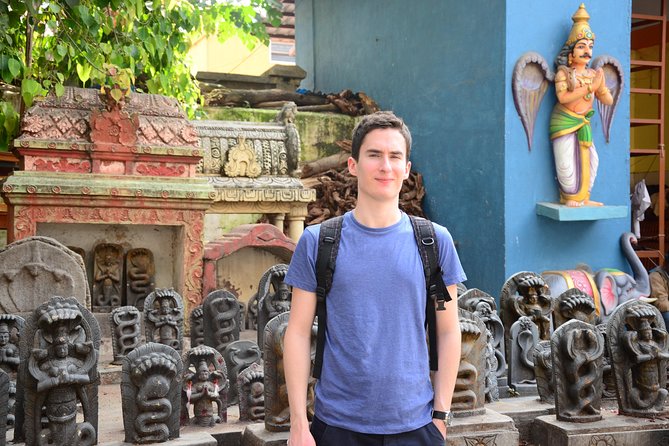
Balepete is where the tour gets more unusual in a good way. Instead of another “pretty building,” you get a look at cultural practices that feel tied to daily identity. You’ll walk to this area on foot and spend about 20 minutes here.
One key stop is a traditional old wrestling house, where you learn about ancient practices from the past. It’s not just history as dates on a page. It’s the idea that training, physical culture, and community life used to sit together. You get the sense that these traditions were part of a wider system of values—discipline, mentorship, and local reputation.
Right nearby, you also get a glimpse of traditional healing through a healing shop. This part is interesting because it broadens the tour beyond places of worship into how people historically handled wellbeing. You’ll hear how traditional healing and medicine fit into local life, which helps you connect the dots between spirituality, health, and community routines.
The trade-off is that this isn’t a stop where you can “read everything” like a museum. You’re seeing and listening. So it helps if you’re comfortable asking questions. If you’re the type who loves explanations, Balepete is a standout.
Also, Balepete can involve additional shoe-off moments. The tour’s guidance specifically says to wear footwear that’s easy to take off and slip on, since you’ll remove them in many places. If you show up in lace-up boots that take time, you’ll lose rhythm and maybe even feel rushed during quieter parts of the tour.
If you want Bangalore that feels lived-in—less glossy, more human—Balepete is a big reason this tour gets such strong ratings.
Dargah Hazrat Tawakkal Shah Mastan Soharwardy Rehmatullah: Faith, Story, and Cottonpet Ending
The tour closes with a major shift in atmosphere: Dargah Hazrat Tawakkal Shah Mastan Soharwardy Rehmatullah Dargah. You’ll spend about 20 minutes here at the Muslim place of worship described as old and historically significant for the Muslim community.
This stop is fascinating for one reason: the story of the dargah’s existence and why people of all religions come. That detail matters. You’re not just seeing architecture or religious practice. You’re learning how this site works as a shared space, not only for one community.
It’s also where the tour’s respectful pacing really comes through. Since this is a place of worship, the dress code rules still apply. Plan covered shoulders and knees again, and remember that the tour ends at a worship site, so you’re finishing your experience in a place where etiquette is part of the point.
Timing-wise, this final stop is short, which works well. You’ll learn enough to feel connected to the site’s meaning, without feeling like you need to spend hours to “complete” the visit.
After the tour, the meeting-end note is practical: the main road is a short distance away for catching a cab back to your place. If you’re worried about transport at the end, you don’t have to. The tour finishes in an area where you’re not stuck inside a maze with no easy exit.
One more consideration: if you’re someone who likes plenty of time for shopping or wandering on your own, this tour keeps the schedule tight. You’ll get what the guide wants you to see, then you’re done. The upside is you won’t waste time, especially if you’re visiting Bangalore for the first time and want a concentrated cultural walk.
Coffee and Guide-Given Context: The Real Value You Feel on the Walk
A walking tour can fail in a simple way: it becomes a list. This one doesn’t, because the start and the guidance are built for understanding.
You begin with coffee and/or tea at a neighborhood restaurant, before you head into temples and older streets. That’s not just a perk. It’s a smart way to help you settle in, meet the guide, and ask early questions without feeling rushed. You also taste Bangalore in a small, everyday setting, not a tourist-branded stop.
Then your guide layers in context as you go. You learn how areas like Avenue Road connect to older chapters of the city, what people do at or around the temple spaces, and how traditional practices show up at places like Balepete. You’re not only looking. You’re interpreting.
A detail I especially liked is how the history comes through not only through explanations but also through old photos referenced during the walk. That kind of visual anchoring makes it easier to understand what changed and what stayed. You end the tour feeling like you can picture older Bangalore, not just repeat a few facts.
And the small-group setup helps. Even though it’s a private tour (only your group participates), it’s still structured as a walk you can actually enjoy. You’re not stuck behind crowds. You can ask, pause, and hear answers in a calm way.
If you like cultural travel that makes you feel oriented—where you understand the “why” behind what you’re seeing—this is the kind of tour that fits.
You can also read our reviews of more private tours in Bangalore


Price and Logistics: When $67 Makes Sense for Old Bangalore
At $67 per person, this tour sits in the mid-range for a private walking experience. The value comes from what’s included and how the time is used.
You get:
- A tour guide
- Coffee and/or tea
- Stops at multiple religious and cultural sites
- A walking route through several neighborhoods
- Entrance tickets marked as free at the listed stops
Even though the total time is only around 3 to 4 hours, you’re not repeating the same type of sight. You get street history, then a Hindu temple context, then Balepete’s cultural practices, then a historic dargah with an explanation of cross-religious appeal.
The logistics are also worth noting. There’s no hotel pickup or drop-off, and you meet at a specific spot near the State Bank of India at Cauvery Bhavan, Kempegowda Rd, Anchepet in Chickpet. The tour also says it’s near public transportation, which helps if you’re planning to reach the start point on your own.
Also, the tour uses a mobile ticket. That sounds small, but it saves you time when you’re moving through a city you’re still learning.
Possible drawback for value: if you’re expecting a long, slow, museum-style day with lots of seated rest stops, this isn’t that. It’s a focused walk. You’ll cover a moderate amount of distance and spend short periods at each stop.
Bottom line: if you want high-quality local guidance in old neighborhoods, and you’ll actually enjoy walking, the price feels fair.
Who This Tour Fits Best (and Who Might Want Another Plan)
This walking tour works best if you:
- Enjoy cities on foot and like street-level details
- Want a local guide’s explanations rather than a drive-by highlight reel
- Are curious about both Hindu and Muslim sacred spaces, plus cultural practices like wrestling traditions and traditional healing
- Can handle worship etiquette and shoe removal calmly
It’s also a strong pick for first-timers who want orientation in old Bangalore without committing to a full day. In one morning or afternoon block, you see a cross-section of how different communities live around historic sites.
It might be less ideal if you:
- Have mobility limits that make moderate walking difficult
- Hate dress codes or shoe removal and don’t want to plan around it
- Need a lot of built-in free time for wandering or shopping at each stop
The guide also asks for weather-dependent timing. If the weather isn’t favorable, you’re offered an alternative date or a full refund. So you do have a safety net, even though the day still depends on conditions.
One more point: children must be accompanied by an adult. If you’re traveling with kids, plan on making sure everyone meets the dress requirements and can follow the pace.
Should You Book This Private Old Bangalore Walking Tour?
I think you should book this tour if you want Bangalore that feels human and historical at the same time. The tour’s biggest strength is the mix: oldest lanes at Avenue Road, a 10th-century temple stop with Hindu life explained, Balepete’s wrestling house and traditional healing glimpse, then a historic dargah where stories connect across faiths. You get meaning, not just sights.
It’s also a good deal for what you get because entrance is free at the stops and coffee/tea is included. Add a private-group feel, and you’re far more likely to come away with real understanding.
Just be honest with yourself about logistics. If you can’t or don’t want to follow the worship dress code, or you dislike removing shoes, this won’t feel comfortable. If you’re ready for that, you’ll probably enjoy it a lot.
FAQ
How long is the Private Walking Tour of Old Bangalore?
The tour runs about 3 to 4 hours (approximately).
What’s included in the price?
The tour includes a guide and coffee and/or tea.
Where do I meet and where does the tour end?
You start at State Bank of India, Cauvery Bhavan, Kempegowda Rd, Anchepet, Chickpet, Bengaluru. You end at Dargah Hazrat Tawakkal Shah Mastan Soharwardy Rehmatullah Dargah on Akkipete Main Road near O.T.C. Road in the Chickpete/Upparpete/Cottonpete area.
Do I need to pay for admission at the stops?
No. The listed stops show admission ticket free.
Is this tour private?
Yes. It’s a private activity, and only your group participates.
What should I wear?
Because the tour includes places of worship, you must cover knees and shoulders. Shorts and sleeveless tops can get you refused entry. The tour also recommends footwear that is easy to take off and slip on because you’ll remove shoes in many places.