REVIEW · BANGALORE
Bangalore: Palace, Temples, Fort & Markets Walking Tour
Book on GetYourGuide →Operated by Bangalore and Beyond · Bookable on GetYourGuide
Old Bangalore hits you fast. In just 3 hours, you get Tipu Sultan’s Summer Palace, a 320-year-old Vishnu temple, and the kind of market noise you can’t fake. I love how the tour turns history into something you can see with your own eyes, not just read on a sign. I also like the balance of temple calm and street-level daily life, from devotees at prayer to the fruit-and-flower market smells.
There’s one thing to plan for: you’ll walk through crowded, narrow streets, and temple etiquette matters. You’ll want to follow the dress rules for the Jain temple, bring a headscarf, and come with walking shoes (spare socks can be a lifesaver).
In This Review
- Key reasons this walking tour works so well
- A 3-hour walkthrough of old Bangalore, on foot
- Tipu Sultan’s Summer Palace: teak wood and royal vibes
- Bangalore Fort: the 16th-century backbone of the city
- KR Market (KR Bengaluru): fruit, flowers, and sensory overload that’s worth it
- Vishnu temple prayers: 320 years of devotion in action
- Jain temple quiet and carvings: where covering up pays off
- What the 3-hour timing gets you (and what it doesn’t)
- Transport is optional, and it can make your day easier
- How the guide changes the experience
- Who should book this tour
- Should you book this Bangalore Old City tour?
- FAQ
- How much does the tour cost?
- How long is the walking tour?
- What’s included in the price?
- Are food and drinks included?
- Is hotel transport included?
- Where does the tour start and where does it end?
- Do I need a specific dress code?
- Should I bring anything besides my clothes?
- Is the tour in English?
- Is entry guaranteed at every stop?
Key reasons this walking tour works so well

- Tipu Sultan’s teak palace sets the tone: history you can stand inside, not just look at
- Old Bangalore, in a short loop: fort, markets, and temples packed into 3 hours
- KR Market sights and scents: fruits, flowers, and daily trading energy up close
- Temple visits with local rules: you’ll cover up for the Jain temple and keep things respectful
- Small group feel (up to 10): easier navigation when streets get tight
- Guides who keep the group together: helpful in crowds and good for practical photo spots
A 3-hour walkthrough of old Bangalore, on foot
This is the kind of tour that helps you get your bearings fast. You start in the older core of Bangalore and move through a mix of power, faith, and everyday commerce. The time window is short enough to fit into a busy itinerary, but long enough to feel like you actually touched the city, not just rushed past it.
The format is simple: a live English guide, a small group capped at 10, and frequent moments to stop, look closely, and ask questions. If you like your travel with real-life texture—voices, bikes, carts, shoppers—this tour is built for that.
You can also read our reviews of more walking tours in Bangalore

Tipu Sultan’s Summer Palace: teak wood and royal vibes
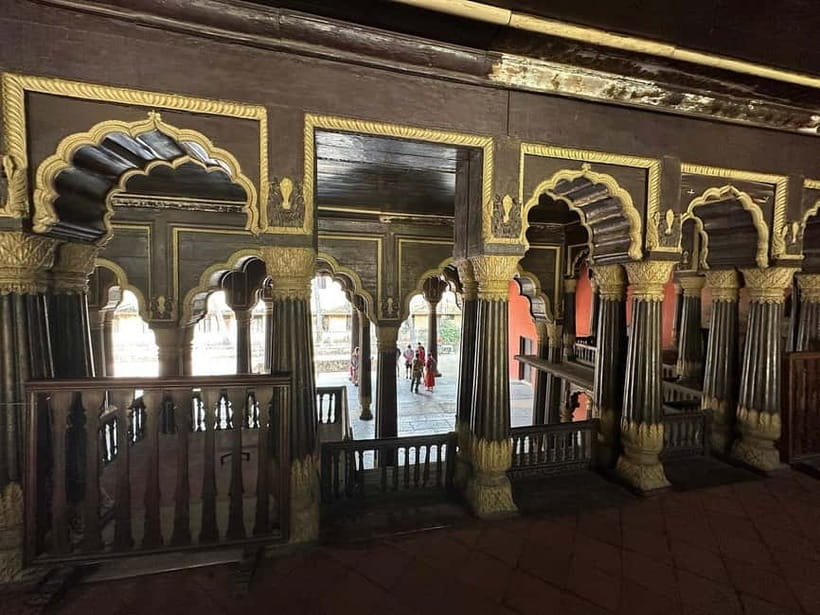
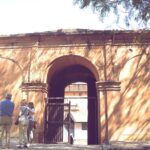
You begin at Tipu Sultan’s Summer Palace, a structure that’s about 230 years old and built out of teak wood. Even if you’re not a deep-dive history person, the feel of the place gives you a quick sense of how power worked here: materials, design, and the sheer fact that these walls have lasted.
This start point also helps you understand the city’s timeline. Bangalore didn’t become important overnight. The tour frames it as a place shaped by multiple rulers—starting from Kempegowda and moving through Tipu Sultan, then later the British influence that laid foundations for what came next. You don’t just hear dates; you get a route that makes those shifts feel real.
Practical note: you’ll meet your guide at the gates, so plan to arrive a little early and ready to head in.
Bangalore Fort: the 16th-century backbone of the city
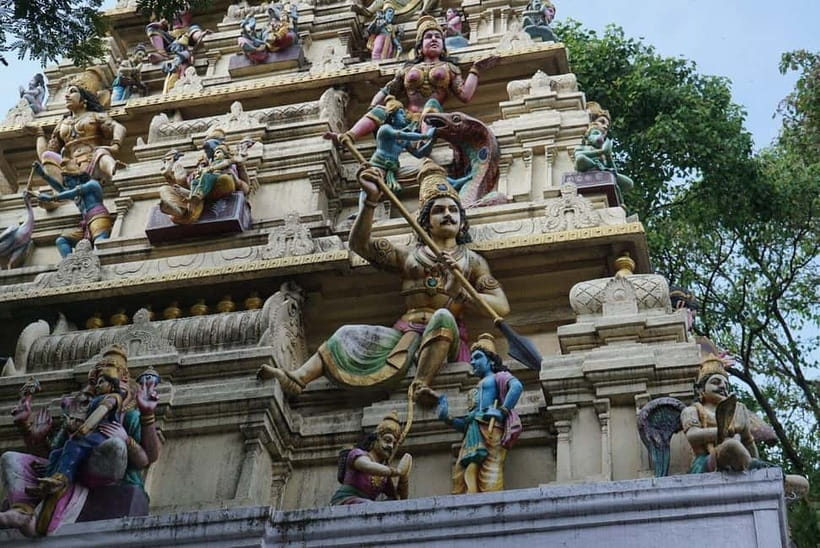
Next up is Bangalore Fort, a site tied to the 16th century and later renovated. Forts can feel intimidating from the outside, but on foot you get a better sense of scale. You can see how a defensive structure becomes, over time, part of a city’s daily identity.
What I like here is the way the tour connects the fort to the broader story of Bangalore’s growth. You’re not only seeing stone; you’re seeing a turning point in how the city defended itself, organized itself, and endured through different eras.
If you’re the type who likes understanding why a place looks the way it does, the fort stop gives you an anchor. It also breaks up the day between palace-era power and the market energy that comes next.
KR Market (KR Bengaluru): fruit, flowers, and sensory overload that’s worth it
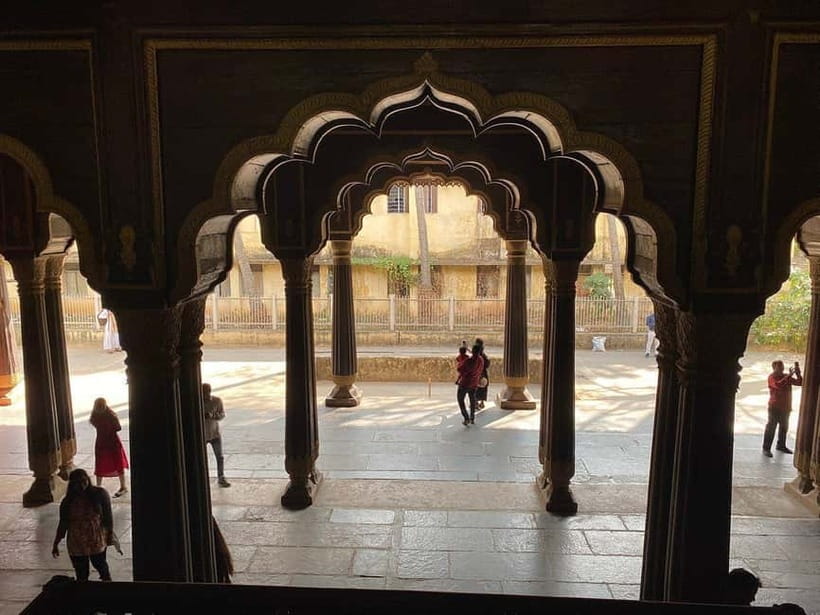
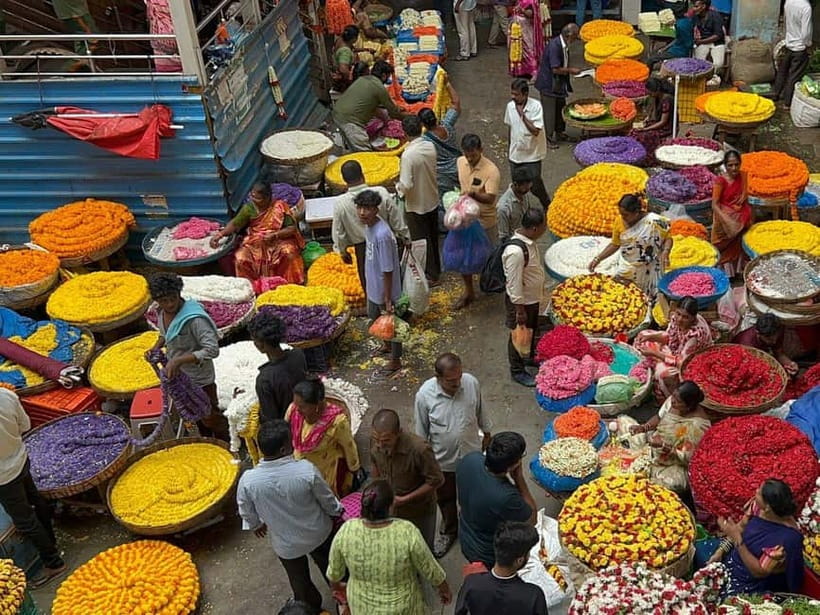
Then the tour shifts from monuments to noise—in the best way. You’ll walk into KR Market, a place famous for its fruit and flower market energy. This is where Bangalore’s daily rhythm shows up on the street: sellers, buyers, vehicles, and the movement of people trying to get things done.
The fruit and flower market section is one of the big reasons to book. You’ll get the smells and the sounds, not just photos. And you’ll learn how people use small, everyday items—especially in the floral side of the market—to create decorations and offerings.
Crowd reality check: this stop can be busy, especially around weekends. The key advantage of a guided group is that you’re not wandering alone through tight lanes. Your guide keeps the group together and helps you focus on what’s most interesting (and where it’s realistic to pause for photos).
Vishnu temple prayers: 320 years of devotion in action
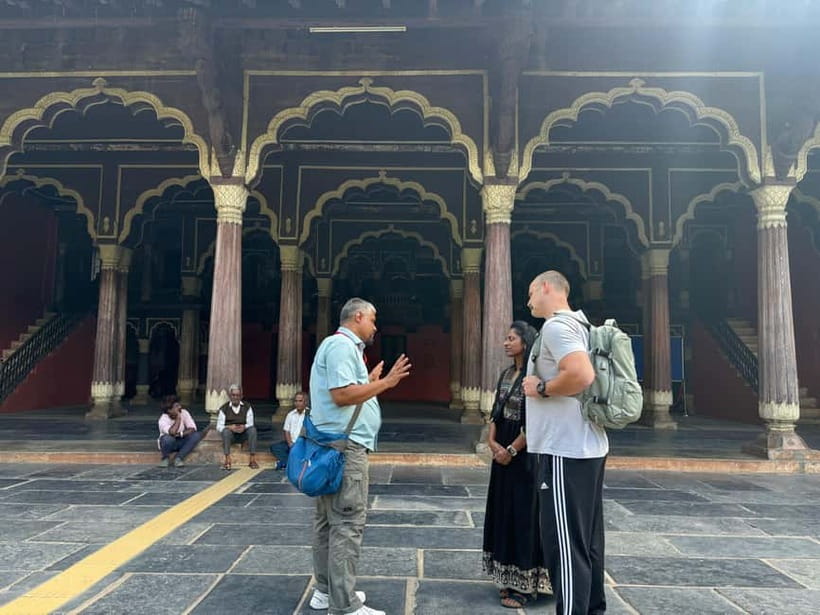
After the market, the pace shifts again with a visit to a Vishnu temple that’s about 320 years old. This isn’t just sightseeing. The tour sets you up to watch what’s happening respectfully—Hindu devotees thronging for prayer, with the atmosphere of worship in full motion.
This kind of temple stop works well because it teaches you how to look. Instead of treating the visit like a checklist, you learn to notice the rhythm of faith: people arriving, praying, and continuing their day. The guide’s role matters here because temple context can be hard to pick up on your own without local framing.
Dress note repeats in practice: rules and etiquette can be strict at religious sites, and your guide will help you navigate it. If you’re careful with clothing and behavior, you’ll feel welcome.




Jain temple quiet and carvings: where covering up pays off
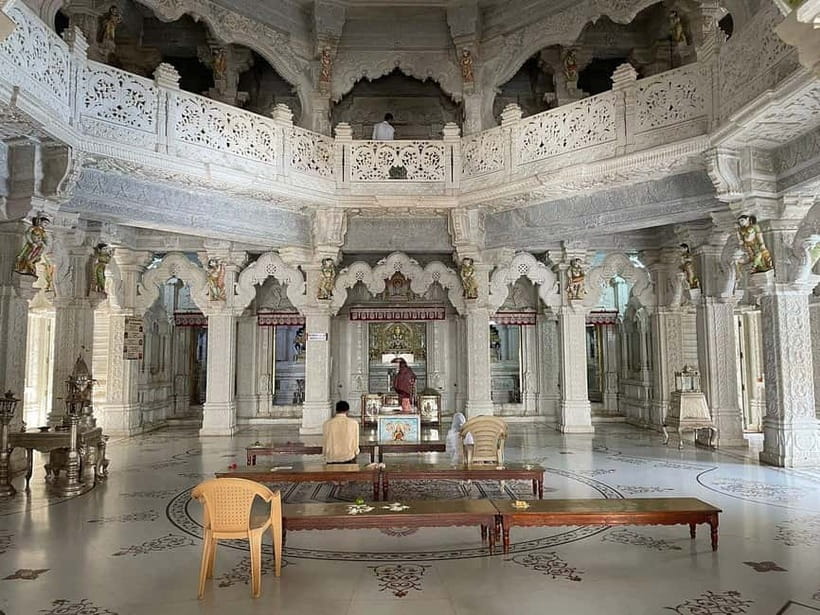
The last stop is Shri Adinath Jain Shwetamber Mandir. This is where the tour gives you a different kind of beauty: quietude, fine carvings, and inlay work that’s meant to reward slow looking. You’re not racing through this part—you’re ending with a change in mood.
But there’s also a clear preparation requirement. Since you’re visiting a Jain temple, you should wear a dress that covers your legs and shoulders. The tour specifically asks for a headscarf, and it’s smart to bring spare socks since you’ll be walking and streets can be uneven.
Also, the tour notes that entry and working hours can vary seasonally, so don’t assume every temple time slot will match a calendar you find online.
If you’ve ever felt that some walking tours just point at details, this one feels more intentional here. The final temple is calmer, and that makes it easier to actually notice craftsmanship.
What the 3-hour timing gets you (and what it doesn’t)
For $32 per person, this tour is built around density. You’re paying for three things: a guide to connect the dots, entries to major stops, and structured time in areas where you’d otherwise feel lost.
You’re not paying for a long, sit-down lunch day. Food and beverages are not included. That can be good value if you’d rather spend time outside the walls and keep moving. After the tour, you can choose your own style of meal.
The other tradeoff is that it’s a fixed loop. Expect a lot of walking through crowded, narrow lanes. The tour isn’t designed to be strenuous, but you should still wear proper shoes and be ready for close quarters.
Transport is optional, and it can make your day easier
Transport from your hotel to the walk venue and back is available for an additional fee. It’s not included in the base price.
If Bangalore streets feel intimidating to you, or if you want to start the tour relaxed rather than navigating your own route, this add-on can be a smart move. The tour’s main challenge is the street layout and crowding, and getting dropped at the right meeting point helps.
How the guide changes the experience
Small group tours work best when your guide is part teacher, part street-smart organizer. From the way this tour is run, guides like Vasuki, Vijay, Vanaja, Ramesh, Raghu, Varun, and Govinda are repeatedly mentioned as friendly, engaging, and able to handle crowds calmly. That matters on this route more than on a quiet museum walk.
A few practical ways a strong guide shows up here:
- Keeping the group together in tight market lanes
- Explaining context so temples and forts don’t feel disconnected
- Pointing out photo-friendly angles without losing time
- Helping you understand local expectations about clothing and respectful behavior
Also, some guides go beyond the strict route and help with small practical extras—like suggesting places to shop for silk scarves or spices, or helping with how to move on afterward. That’s not guaranteed, but it’s worth asking.
Who should book this tour
This is a great fit if you:
- Have only a few hours in Bangalore and want a real sense of old-city life
- Like street scenes—markets, traders, and daily routines—paired with major sites
- Want context for rulers and major historical shifts, not just isolated landmarks
- Prefer a small group (up to 10) over a big coach-style experience
It’s not ideal if you want a slow, low-effort stroll with lots of free time sitting down. You’ll be on your feet, and you’ll be in busy areas.
Should you book this Bangalore Old City tour?
I’d book it if you want a smart, high-value introduction to old Bangalore: palace power, fort structure, temple devotion, and a market stop that hits all your senses. The combination of entries, a guided story, and a tight 3-hour loop makes it a solid way to understand the city quickly.
Skip it if you hate crowds or if temple dress rules sound like a hassle you won’t follow. Also, if you’re extremely sensitive to walking on uneven ground or in tight lanes, you may find the market segments stressful.
If you do book, pack for the Jain temple rules, wear comfortable shoes, and keep your expectations realistic: the goal is connection and clarity, not a long leisure day.
FAQ
How much does the tour cost?
The price is $32 per person.
How long is the walking tour?
The tour lasts 3 hours.
What’s included in the price?
You get a guided tour of old Bangalore, entry to Tipu Palace, the Vishnu temple, Bangalore Fort, and the Jain temple, plus time to experience the local markets.
Are food and drinks included?
No. Foods and beverages are not included.
Is hotel transport included?
No. Transport from your hotel to the walk venue and back is available for an additional fee.
Where does the tour start and where does it end?
The guide waits at the gates at Tipu Sultan’s Summer Palace. The tour ends at Shri Adinath Jain Shwetamber Mandir.
Do I need a specific dress code?
Yes. Since you visit a Jain temple, you should cover your legs and shoulders. Short skirts, sleeveless shirts, skirts, and see-through clothing are not allowed. A headscarf is recommended.
Should I bring anything besides my clothes?
Bring a headscarf. The tour also suggests carrying spare socks, which can help on a walking day.
Is the tour in English?
Yes. The guide provides the tour in English, and it’s a live guided experience.
Is entry guaranteed at every stop?
Entry and working hours for temples and monuments can vary seasonally, so schedules may shift.