REVIEW · BANGALORE
Experience Bangalore – City Tour, Authentic Food & market (Food/Culture/History)
Book on Viator →Operated by Adventuresome · Bookable on Viator
Temples, gardens, and markets in one strong day. This Bangalore tour strings together major landmarks with a practical food-and-culture route, built for orientation as much as sightseeing. You start early, ride in an air-conditioned vehicle, and get a guided flow through the places that explain how Bengaluru thinks, prays, shops, and rules.
I like the pick-your-own pace flexibility: you can choose any 5 places from the route. I also love that lunch is included and the tour is led by an English-speaking heritage expert, so you get context while you’re walking instead of just collecting photos.
One consideration: it’s a long stretch (roughly 7 to 11 hours depending on what you select), so bring water and expect a day with some standing in sun and lines for entries. And like any outdoor-heavy day, it runs best when the weather cooperates.
In This Review
- Key highlights that make this tour work
- How the Bangalore route is designed for first-time orientation
- Lalbagh Botanical Garden: your calm first stop in Bangalore
- Bull Temple and Dravidian architecture you can actually see
- ISKCON Temple: a peaceful counterpoint to the city rush
- Bangalore Palace: Tudor-style grandeur with royal-era storytelling
- Vidhan Soudha and Attara Kacheri: where state power looks physical
- Cubbon Park and Commercial Street: break time plus real city life
- KR Market and the Tipu Sultan area: food, flowers, and power history close together
- Kote Venkataramana Temple and Bangalore Fort: finishing with old-Bengaluru texture
- Price and included value: what $65 really buys you
- Who this tour suits (and who might want the half-day)
- What guides and drivers tend to do well on this tour
- Should you book this Bangalore food and culture city tour?
- FAQ
- How long is the Bangalore city tour?
- Can I choose which places to visit?
- Is lunch included?
- Is hotel pickup and drop included?
- Which attractions have admission included?
- Is this a private tour?
- What happens if weather is bad?
Key highlights that make this tour work
- Choose any 5 sites to match your interests, from gardens to government buildings to old-city temples
- Lalbagh Botanical Garden plus temple stops create a smart morning rhythm
- Admission tickets included for major stops like Lalbagh, Bull Temple, ISKCON, Bangalore Palace, and Vidhan Soudha
- KR Flower Market and local shopping streets give you real texture beyond monuments
- Private group setting keeps the pace comfortable and questions answerable
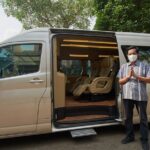
- Lunch + air-conditioned vehicle keep the day efficient and easier on your feet
How the Bangalore route is designed for first-time orientation
This tour is built for people who want to understand Bangalore fast. Instead of hopping randomly, the route moves through a clear storyline: nature and everyday city life, major religious landmarks, royal-era architecture, the seat of government, then markets and old-city context.
The structure also matters for your energy. You get a good morning start (the main tour begins at 7:30 am for about 8 hours), which helps you see the big outdoor and temple stops before the hottest part of the day. Then you transition to palaces, government buildings, and parks, before finishing in shopping and market areas where you can actually snack and browse.
If you’re short on time, there’s also a shorter half-day option starting at 4:00 pm that focuses on old Bangalore’s bazaars in Pettahs, with a walking segment tied to landmarks like Tipu Palace and Kote Venkateshwara Temple. That’s a nice match if you want market texture without a full-day schedule.
You can also read our reviews of more food & drink experiences in Bangalore
Lalbagh Botanical Garden: your calm first stop in Bangalore
Lalbagh Botanical Garden is the kind of early morning stop that makes the rest of the day easier. The garden covers 240 acres and includes more than 1,800 species of plants, shrubs, and trees. Translation: you get shade, walking space, and a break from traffic noise almost immediately.
This is also one of the few stops where you can slow down. The best use of this time is to let your guide point out the “why” behind the garden’s reputation, not just the “what.” You’ll get admission included, and the garden’s scale makes it feel like Bangalore has more breathing room than you might expect.
Small practical note: since you’ll be outdoors early, wear breathable clothes and bring a hat. Even when the city is cooler in the morning, the sun can still feel strong once you start moving.
Bull Temple and Dravidian architecture you can actually see
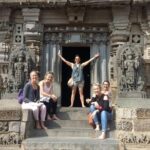
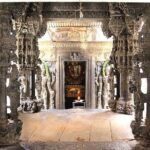
After Lalbagh, the route shifts into religion and local iconography with the Bull Temple in Basavanagudi. This temple centers on Nandi Bull, associated with Lord Shiva. The architecture is described as Dravidian style, and that matters because you can spot the style in the stonework and the way the structure is shaped.
This isn’t a “quick photo and leave” stop. The guide’s job here is to connect the big statue to what it represents in local belief. That connection helps you appreciate why this temple is an identity marker for the city, not just another monument.
What to watch for: you’ll likely spend about an hour here, and temple environments can mean slower pacing at entrances and along the interior route. Wear shoes you can walk in comfortably, and keep your phone secured while you’re moving through crowded areas.
ISKCON Temple: a peaceful counterpoint to the city rush
Next comes the ISKCON Temple Bangalore. It’s rooted in the International Society for Krishna Consciousness, founded in 1966 in New York City by A. C. Bhaktivedanta Swami Prabhupada. Even if you’re not coming for religious practice, the value of this stop is how it shows Bangalore’s global religious connections.
You’ll have about an hour here, with admission included. The best way to use the time is to treat it like a reset. The tone is typically calmer than market streets, and it’s a good chance to take a breather before the route turns more architectural and shopping-focused.
If you’re traveling with people who like art, chants, or devotional spaces, this is often the kind of stop that earns a “worth it” nod even from those who usually skip temples.
Bangalore Palace: Tudor-style grandeur with royal-era storytelling
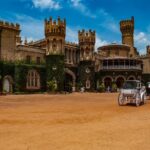
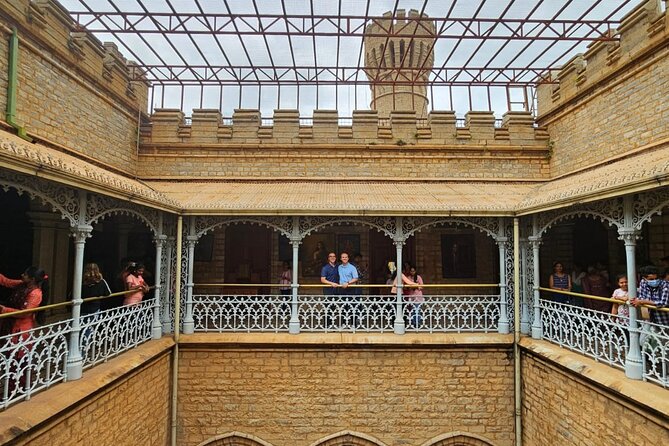
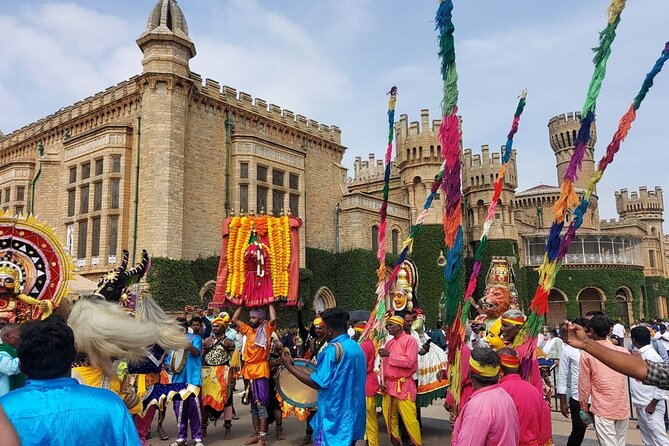
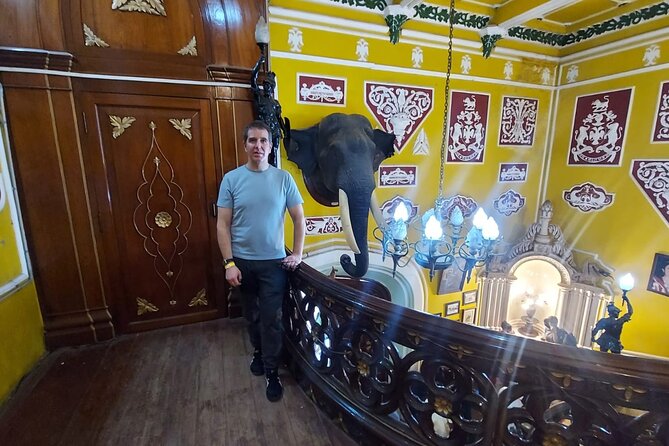
Bangalore Palace gives you a different visual language from the earlier temple stops. It belongs to the Wodeyar Kings of Mysore and is described as Tudor style, with fortified towers, battlements, and turrets. The interiors are noted for elegant wood carvings, which is a big clue about what you should pay attention to when you’re inside.
This stop is about more than scenery. The value is in understanding how royal influence shaped Bengaluru’s built environment. It also sets up the later history angle at the Tipu-related sites.
Practical tip: you’ll have about 1 hour 30 minutes here in the overall schedule (the stop itself is listed as 1 hour in the details), so don’t rush. Look at the layout and the carved wood. If you like photography, this is one of the better stops on the day for it—just be respectful of where photos are allowed.
You can also read our reviews of more tours and experiences in Bangalore


Vidhan Soudha and Attara Kacheri: where state power looks physical
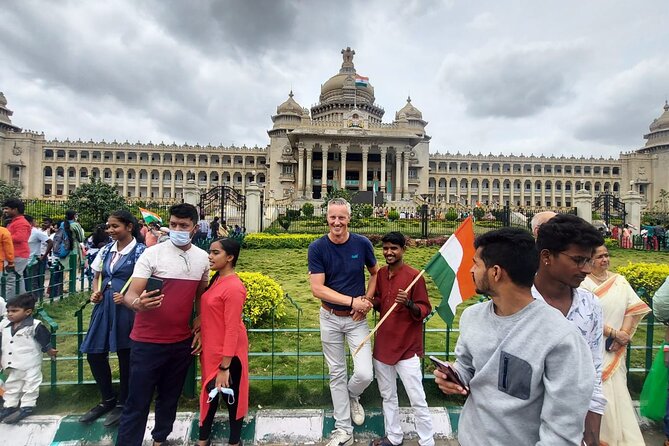
The tour then moves into government and civic identity with Vidhan Soudha and Attara Kacheri. Vidhan Soudha is described as one of Bangalore’s most famous landmarks and houses the state legislative chambers. The building is characterized by its scale—your schedule note mentions three hundred rooms—so it’s one of those places where your first reaction is usually size.
This is where the tour becomes educational in a non-boring way. Government buildings can feel like “just another structure,” but with a heritage expert explaining what you’re seeing, you’ll start noticing how architecture signals authority and how that shows up in the city’s everyday life.
You’ll also get admission included for Vidhan Soudha. Plan for a quick but focused stop: you’ll have a short window, so arrive ready to look up and take in details rather than just walk straight through.
Cubbon Park and Commercial Street: break time plus real city life
From civic buildings, you step into the rhythm of everyday Bangalore with Cubbon Park and Commercial Street.
Cubbon Park is a historic park in the heart of the city, spread across about 300 acres, originally created in 1870 by the British. It’s a classic “locals and tourists mix here” type of stop, and even with a short visit (the schedule shows about 15 minutes), it gives you greenery and a breather between major landmarks.
Then you head to Commercial Street, one of the central shopping districts. It’s known for trendy fashion boutiques, street vendors, and restaurants—so this is where your day becomes more sensory: sounds, movement, and browsing. The schedule gives you about an hour here.
What makes this practical for you: shopping streets are also good for people-watching and for understanding local tastes and pricing habits. You can keep it casual—window-shop, buy a snack, or pick up small items—without needing a strict “I must shop” mindset.
KR Market and the Tipu Sultan area: food, flowers, and power history close together
The tour’s market-and-history section is where the route starts feeling most like Bangalore. You’ll visit the Tipu Sultan Summer Palace area and then connect to KR Market and KR Flower Market.
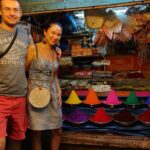
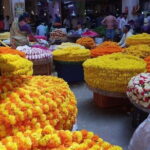
KR Flower Market is described as the largest flower market in Bangalore, with colorful fresh flowers sold in bulk. If you’re the kind of traveler who likes to see how a city smells and looks before you leave, this is a great stop. Even if you don’t buy flowers, it’s a strong visual—and it often comes with the kind of casual market energy that makes photos more interesting than temple exteriors.
In the same block, you’re also looking at Tipu Sultan-related heritage. The Tipu Sultan Summer Palace is noted as built in the late 18th century and described as an example of Indo-Islamic style architecture. This pairing—market sights plus power-era buildings—helps you connect “everyday commerce” with “big history,” which is exactly what makes this area feel real.
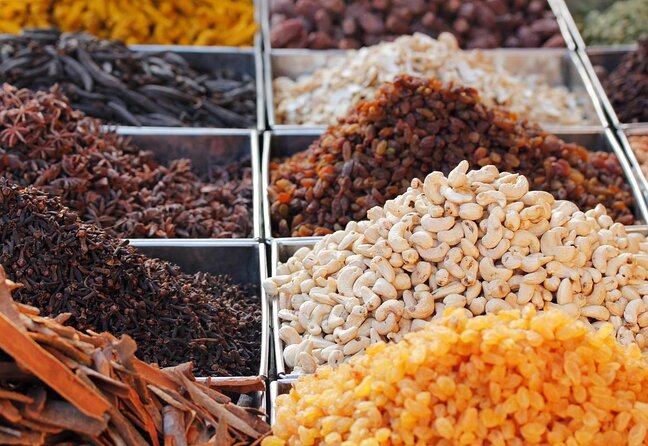
Food angle: lunch is included earlier, but market time is where you’ll likely want quick bites and fruit or snacks while you browse. The tour’s overall theme is food and culture, so having market access is the point, not an extra.
Kote Venkataramana Temple and Bangalore Fort: finishing with old-Bengaluru texture
To close the day, you get two more heritage stops that lean toward the city’s deeper religious and historical roots.
Kote Venkataramana Temple is a revered Hindu temple dedicated to Lord Venkataramana, described as ancient and significant, with architectural grandeur and a spiritual ambiance. You’ll have about 30 minutes here, which means you should treat it like a concentrated stop: look at the exterior details, then absorb the interior vibe without rushing.
Then you head to Bangalore Fort, also known as Tipu Sultan’s Fort. The schedule notes it was built in the 16th century by Kempe Gowda, founder of Bangalore, and that it underwent significant later changes. This is a good finish because it brings the “Bangalore has layers” idea into one frame: early city founding, later rulers, and shifts over time.
Best way to enjoy the finish: keep your questions for the guide’s last stretch. This is when context tends to click—how different rulers and beliefs shaped the same city space.
Price and included value: what $65 really buys you
At $65 per person, this tour is priced as a mid-range day out that concentrates value in three areas:
First, you get lunch included plus an air-conditioned vehicle, which matters in Bangalore where traffic and heat can drain time and patience. Second, the tour includes entry/admission for several major stops—Lalbagh Botanical Garden, ISKCON Temple, Bangalore Palace, Bull Temple, and Vidhan Soudha—so you’re not scrambling for tickets during the day. Third, the guide is a professional English-speaking heritage expert, which is the difference between seeing buildings and understanding why they matter.
Pickup and drop are included as well, though there’s a note about possible extra charges of $15 to $25 if your pickup is far from Vittal Mallya Road. So if you’re staying close to the central areas, you’ll likely avoid those extra fees. If you’re farther out, it’s worth asking before the day to avoid surprises.
Also, the tour is private for your group, which is a big deal for comfort. You’re not fighting for attention in a crowded bus group. You can ask follow-up questions and move at a pace that works for your energy.
Finally, there’s a mobile ticket, which is simple and modern—good when you’re arriving from another city and want less paperwork.
Who this tour suits (and who might want the half-day)
This works especially well if you:
- Want a first trip to Bangalore that feels organized and meaningful
- Like mixing nature, temples, architecture, and markets in one day
- Appreciate a guide who can explain history and local belief without making it dry
- Prefer hotel pickup and not relying on transit for a full itinerary
It may not be ideal if you:
- Hate long days or want only one type of sight (for example, only temples or only markets)
- Get tired standing in queues and sun, because the day can run long depending on your selected stops
- Are extremely flexible with weather needs, since the experience requires good weather to run as planned
If you want markets more than monuments, the half-day option starting at 4:00 pm is a smart compromise, especially because it focuses on Pettahs bazaars established in 1537 and includes a walking segment to landmarks like Tipu Palace and Kote Venkataramana Temple. That route also highlights textiles, spices, and gold items—useful if you’re shopping or just curious about everyday commerce.
What guides and drivers tend to do well on this tour
The standout praise is consistent around two things: strong guidance and smooth handling of logistics. You’ll often hear names like Prashant for the on-the-ground explanations and Deepak as another guide, plus drivers such as Kumar, Yogesh, and Suresh for friendly, communicative driving and practical help getting around.
That doesn’t mean every moment is perfect, but it does point to a real strength: the tour tends to be flexible. If you’re curious, you can usually ask. If your group needs a bit more time at a market or inside a palace, the guide’s job is to keep the day moving without turning it into a checklist.
One small caution that shows up in feedback: for some departures, people had to initiate contact to confirm pickup details. So if you have a tight schedule, I suggest double-checking your pickup plan ahead of time.
Should you book this Bangalore food and culture city tour?
Yes, if you want a single-day structure that blends history, temples, palace architecture, and market life—and you want it handled with pickup, admissions, and lunch already planned. The $65 price feels most fair when you actually want multiple major stops in one go and don’t want to spend your day bargaining over tickets and timing.
I’d say book it early in your trip. Getting this kind of orientation makes it easier to choose what to revisit later, whether you’re chasing more temple detail, more shopping, or more food.
If your group has mixed interests, this is a strong match because you get natural calm at Lalbagh, religious variety with Bull Temple and ISKCON, royal grandeur at Bangalore Palace, and then market energy at KR Market and Flower Market. That mix is exactly what makes the day feel like Bangalore instead of just a list of sites.
FAQ
How long is the Bangalore city tour?
The main tour starts at 7:30 am and is listed as about 8 hours. The experience duration is also described as roughly 7 to 11 hours, depending on what you choose.
Can I choose which places to visit?
Yes. You can choose any 5 places from the itinerary based on your preferences.
Is lunch included?
Yes. Lunch is included.
Is hotel pickup and drop included?
Yes. Hotel pickup and drop are included, but extra charges of $15 to $25 may apply if pickup is far from Vittal Mallya Road.
Which attractions have admission included?
Admission tickets are included for Lalbagh Botanical Garden, Bull Temple, ISKCON Temple Bangalore, Bangalore Palace, and Vidhan Soudha.
Is this a private tour?
Yes. It’s private, meaning only your group participates.
What happens if weather is bad?
The experience requires good weather. If it’s canceled due to poor weather, you’ll be offered a different date or a full refund.