REVIEW · BANGALORE
Bengaluru by Tuk Tuk
Book on Viator →Operated by Unventured Expeditions Pvt Ltd · Bookable on Viator
Bangalore turns into a street show in 7 hours. I like the way this tour uses a tuk-tuk to cut through traffic and keep the day moving, while still making time for real landmarks. I also love the focus on KR Market—you don’t just see it, you walk the lanes and feel how the city trades flowers, spices, and silk every day.
The only catch: the schedule is packed, so expect several short walks and quick transitions. If you hate crowds or you want long, slow temple time, this route may feel a bit fast.
In This Review
- Key things that make this tour worth your time
- Bangalore by Tuk-Tuk: Why This 7-Hour Route Feels Right
- Price and Value: What $87 Gets You (and Why It Adds Up)
- MG Road Start at Hard Rock Café: The Easy Beginning
- Tipu Sultan’s Summer Palace and the Fort Zone: Indo-Islamic Power in Plain View
- Kote Venkataramana Temple: Look Closely at Vijayanagara Carvings
- Bangalore Fort: Colonial-Era Stories on Historic Walls
- KR Market on Foot: Flower, Spice, and Silk Lanes You Can Smell
- Nagarathpete Breakfast and Artisan Workshops: Food First, Then Craft
- Cubbon Park Stroll: A Breathing Space Between City Sides
- Vidhana Soudha and Attara Kacheri: Architecture Tied to Freedom-Era Stories
- St. Andrew’s Church: Gothic Details, Plus a Pipe Organ
- Ulsoor Kali Temple: A Spiritual Pause in the Middle of the City
- How the Day Flows: Pace, Stops, and Why the Order Matters
- What to Wear and Bring for Comfort
- Who Should Book This Tuk-Tuk Tour (and Who Might Skip It)
- Should You Book This Tuk-Tuk Tour?
- FAQ
- How long is the Bangalore by Tuk Tuk tour?
- What does the price include?
- Where does the tour start and what time does it begin?
- What are the main stops on the route?
- Are monument entry fees included?
- Is there an age requirement or dress code?
Key things that make this tour worth your time
- Tuk-tuk first, cars later: you start with an auto-rickshaw style day that feels local from minute one
- Tipu Sultan’s Indo-Islamic palace: a standout stop with included admission and a clear historical story
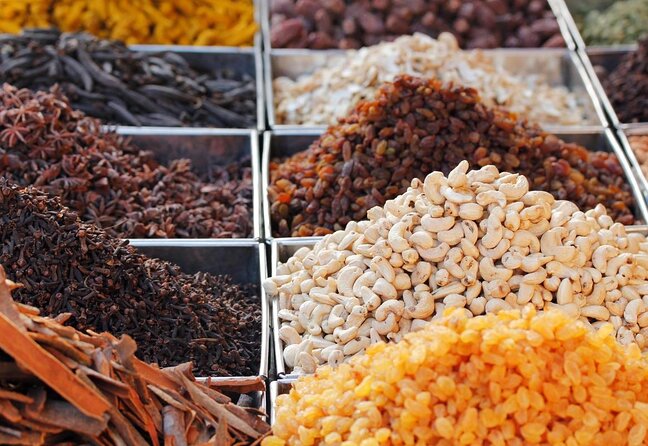
- KR Market by foot: flower, spice, and silk lanes where you’ll actually notice the details
- Nagarathpete food plus crafts: a South Indian brunch followed by workshop time for silk weaving and jewelry-making
- Big-city landmarks, not just temples: Cubbon Park and major government architecture also fit in
- Guides who bring the city to life: past groups mention guides like Ajith, Midhu, Sandra, Gladys, and Pallavi leading with energy and good explanations
Bangalore by Tuk-Tuk: Why This 7-Hour Route Feels Right
This tour works because it’s built like a local day: you begin in central Bangalore, then move outward in a loop that mixes monuments with markets. Instead of treating Bangalore as a checklist, it connects the dots—rule, religion, trade, and everyday life—using a ride that keeps you close to the street.
You’ll spend time on the big, recognizable stops (palace, forts, major public buildings) and also on the places that usually eat up your time when you’re on your own: market lanes and artisan workshops. The guide’s job is to translate what you’re looking at into a story you can remember.
You can also read our reviews of more tours and experiences in Bangalore.

Price and Value: What $87 Gets You (and Why It Adds Up)
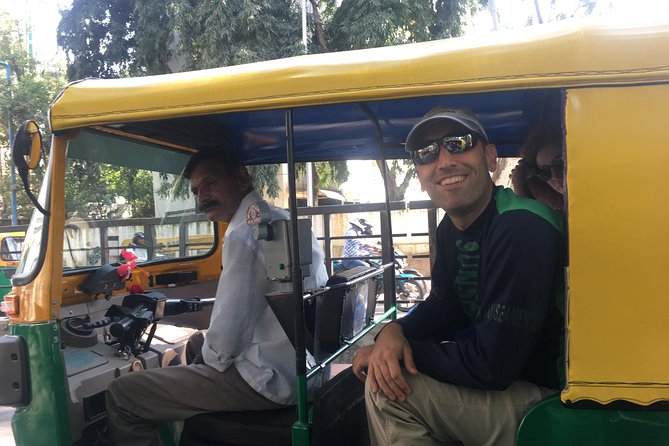
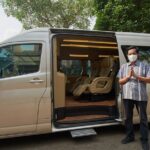
At $87 per person for about 7 hours, the value comes from what’s included. You get a tour guide, good-quality tuk-tuks, and—most important—entry fees and taxes for the monuments and places of interest. You also get the meals laid into the plan, including the traditional South Indian brunch.
If you’re budgeting for Bangalore, the trick is that costs add up fast once you factor in guides plus admission tickets plus food stops. Here, the structure handles those “extra” charges for you. It’s especially good for first-time visitors who want a guided framework without spending your whole day booking transport and searching for tickets.
Also worth noting: the group size is capped (up to about 15 per booking), so you’re not stuck in a huge bus crowd for the whole day.
MG Road Start at Hard Rock Café: The Easy Beginning
You meet at Hard Rock Café Bengaluru on St Mark’s Road around 8:00 am. It’s a simple starting point in the city centre, and it helps you avoid the usual morning scramble of finding a tour vehicle.
From here, the guide gets you into the flow—where to look, what you’ll see next, and how the day connects. That matters in Bangalore, because the “big sights” are spread out, and a guide helps you not waste time staring at things that look impressive but don’t make sense until someone explains them.
Tipu Sultan’s Summer Palace and the Fort Zone: Indo-Islamic Power in Plain View
One of the first major stops is Tipu Sultan’s Fort and Palace, with included admission. This is the Indo-Islamic summer palace, and the story tied to it is all about resistance and power during colonial pressure.
What I like about this stop (and what you should expect) is that it’s not presented as just ornate walls. It’s framed as a turning point—one of the ways you can understand Bangalore’s shift from local rule to outside influence. Even if you’re not a hardcore history person, you’ll still come away with a clearer sense of why this site matters.
Kote Venkataramana Temple: Look Closely at Vijayanagara Carvings
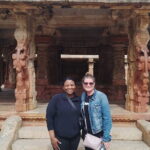
Next you visit Kote Venkataramana Temple, a 15th-century site known for intricate carvings in the Vijayanagara style. This stop lasts about 45 minutes, which is a good window: enough time to notice details without feeling rushed.
Practical tip: temples are where small visual cues help. Watch for the design language in the carvings and the way the space is organized. A guide can point out what you might otherwise miss—especially when you’re visiting in the middle of a busy city day.
Because temples are active cultural spaces, the tour also asks for attire that covers knees and shoulders. If you show up in shorts and a tank top, you’ll have a less smooth experience than you want.


Bangalore Fort: Colonial-Era Stories on Historic Walls
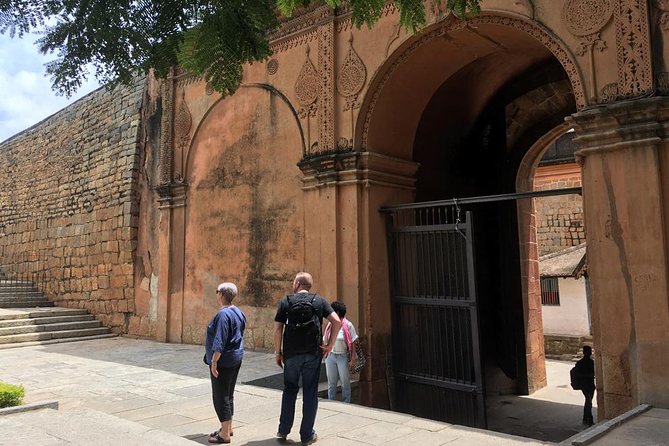
You then head to Bangalore Fort, with a short walk along the historic walls (about 15 minutes). The focus here is the fort’s connection to colonial-era events and how those events shaped the city’s later identity.
This stop is quick, but it’s not pointless. Fort walls do something parks and museums often can’t: they give you the physical shape of power—thick boundaries, defensive edges, and the sense of a city built for protection.
KR Market on Foot: Flower, Spice, and Silk Lanes You Can Smell
The biggest “street-life” moment is KR Market. It’s about an hour, and it’s where Bangalore feels most like a living working city rather than a sightseeing route.
You’ll walk through lanes known for flowers, spices, and silk trading. It’s not just colorful; it’s functional. The market’s energy comes from people doing real errands: buying, bargaining, loading, and moving goods.
A tip that’s worth taking seriously: this is a place where your senses lead. Expect strong smells from spices and flowers. If you’re sensitive, plan for that. If you like shopping, this is where you’ll understand what’s actually available—especially when it comes to garlands and bangles, since one past guest highlighted gifts picked up during the market stop.
Nagarathpete Breakfast and Artisan Workshops: Food First, Then Craft
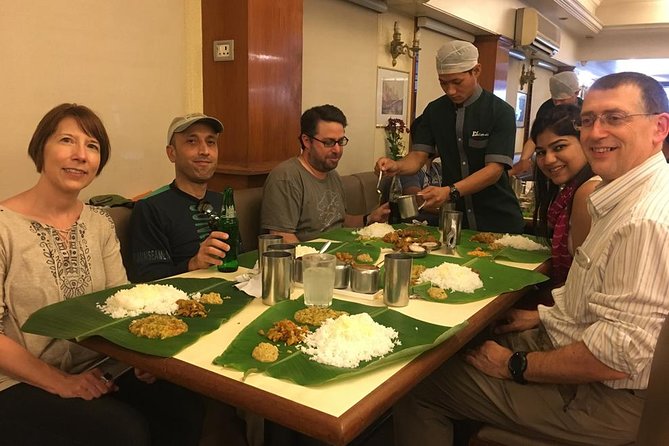
After the market, the tour moves to Nagarathpete, starting with a traditional South Indian breakfast/brunch at an iconic restaurant area. Expect crisp dosas and tangy chutneys as part of the meal. One reviewer specifically called out a hole-in-the-wall restaurant that would be hard to find on your own.
This is a smart sequencing move. After walking market lanes, your brain wants a reset. Eating here also gives you a better feel for the city’s daily rhythm—not just a tourist meal in a fancy dining room.
Then you get the crafts. You’ll visit silk weaving and jewelry-making workshops for about 45 minutes. This is the part that can surprise you if you expect only factories or mass production. The point is to see hands-on work tied to Bangalore’s craft traditions—how materials turn into finished goods through patient effort.
If you’re into handmade processes, you’ll likely enjoy watching the steps and asking questions. If you’re short on patience, it can still be satisfying because the crafts connect back to what you saw earlier in the silk trading lanes at KR Market.
Cubbon Park Stroll: A Breathing Space Between City Sides
You get about 30 minutes at Cubbon Park, a well-maintained 300-acre garden in central Bangalore. The tour frames it as a natural divider: it separates the market areas from the cantonment side.
This is one of those stops that works best if you let it. Don’t treat it like another monument stop. Use it to slow down, take photos, and regroup. In a day that’s heavy on walking and sights, Cubbon Park is your pressure-release valve.
Vidhana Soudha and Attara Kacheri: Architecture Tied to Freedom-Era Stories
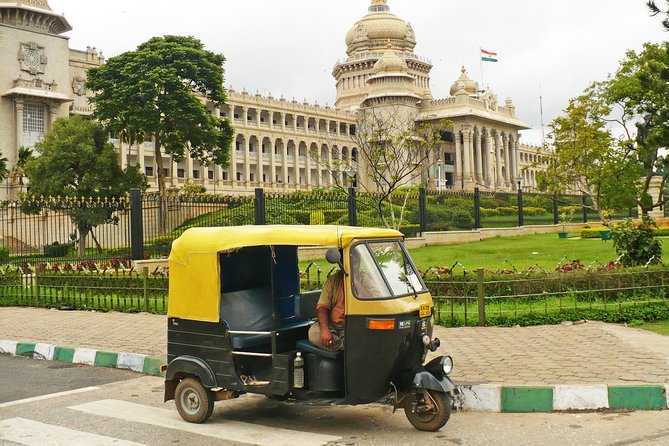
Next comes Vidhana Soudha and Attara Kacheri. You’ll spend about 15 minutes here. The guide connects the site to India’s freedom movement and Bangalore’s role in the making of independent India.
Visually, pay attention to the Neo-Dravidian style architecture of the legislative chamber buildings. Even without a deep architecture background, you’ll notice the bold shapes and the way the design signals importance.
This stop is shorter than others, so the value is in using the guide’s explanation to make sense of what you’re looking at.
St. Andrew’s Church: Gothic Details, Plus a Pipe Organ
At St. Andrew’s Church, you’ll have about 30 minutes. It’s notable as the only Scottish church in Bengaluru, built in the mid-19th century.
What makes it more than a quick photo stop is the specific features: a 150-year-old pipe organ and glass paintings. If you appreciate stained-glass style art and historical interiors, this is one of the more rewarding moments on the route.
Ulsoor Kali Temple: A Spiritual Pause in the Middle of the City
You finish with a visit to a Kali temple in Ulsoor, with about 30 minutes. The temple is described as offering a rare spiritual experience where life and death are brought together through worship of Kali in her fierce warrior form.
This is a sensitive space, so keep your behavior respectful and follow local customs. Also keep in mind that this stop is different from the forts and markets in tone. If you like variety in a day—history, commerce, craft, architecture, then spirituality—this is the balance.
How the Day Flows: Pace, Stops, and Why the Order Matters
The order isn’t random. You get a morning start in central Bangalore, then swing into major historic sites (Tipu Sultan and fort walls), then go to a major temple zone. After that, you hit market life (KR Market), fuel up (brunch), and shift into crafts (silk weaving and jewelry-making).
Later in the day, you move into parks and civic architecture (Cubbon Park, Vidhana Soudha), and then end with more culture and spiritual space (St. Andrew’s Church and the Kali temple).
That mix helps you understand Bangalore as a whole city, not a single theme. You’re also getting multiple “ways of seeing”: walking in crowded lanes, standing in heritage spaces, and slowing down in a garden.
What to Wear and Bring for Comfort
The tour asks for attire that covers knees and shoulders, so dress accordingly. Even if the weather is warm, light layers help you stay compliant in temples and church interiors.
Bring what you need for walking—comfortable shoes are the real MVP. The itinerary includes multiple stops with walking time, and market lanes add uneven pavement and crowds.
You should also expect early morning sun and daily city energy. If you get tired quickly, plan for rest breaks—Cubbon Park is your built-in one, and the brunch is another.
Who Should Book This Tuk-Tuk Tour (and Who Might Skip It)
This tour is a strong choice if you want:
- a first-time Bangalore overview without doing heavy planning
- guided context at major historic sites plus real market walking
- the combo of food and artisan workshops, not just monuments
- a day that feels local thanks to the tuk-tuk format and central meeting point
You might reconsider if:
- you dislike crowds and want quieter sightseeing
- you need lots of free time at each stop (this schedule is structured)
- you want a slower, more in-depth temple-only or museum-only day
Should You Book This Tuk-Tuk Tour?
I think it’s a smart booking for most people visiting Bangalore with limited time. The best reasons are the combination of included admissions and meals, plus the “two worlds” mix: heritage landmarks and working markets.
If you’re the type who likes to understand why a city looks the way it does, this tour gives you enough story to connect the stops. And if you’re motivated by hands-on experiences—walking the trade lanes, eating dosas right in the area, and watching silk weaving—you’ll likely feel satisfied without spending your entire trip in transit.
If you’re considering it, I’d book soon enough to lock in your preferred date. The tour is often booked about 10 days in advance, and the group cap keeps it from feeling chaotic.
FAQ
How long is the Bangalore by Tuk Tuk tour?
It runs for about 7 hours.
What does the price include?
The price includes meals mentioned in the itinerary, a tour guide, good-quality tuk-tuks, all fees and taxes, and entry fees to the monuments and places of interest.
Where does the tour start and what time does it begin?
It starts at Hard Rock Café Bengaluru on St Mark’s Road, Ashok Nagar, and the start time is 8:00 am. The tour ends back at the meeting point.
What are the main stops on the route?
Key stops include Tipu Sultan’s Fort and Palace, Kote Venkataramana Temple, Bangalore Fort, KR Market, Nagarathpete for brunch and workshops, Cubbon Park, Vidhana Soudha and Attara Kacheri, St. Andrew’s Church, and a Kali temple in Ulsoor.
Are monument entry fees included?
Yes. Admission fees are included for the monuments and places of interest listed with included admission, and the tour also states that all fees and taxes are covered.
Is there an age requirement or dress code?
The minimum age is 10 years. For cultural sensitivity, you’re advised to wear attire that covers your knees and shoulders.