REVIEW · BANGALORE
Day trip to UNESCO Belur+Shravanbelgola+Coffee & Spice Plantation
Book on Viator →Operated by Bangalore and Beyond · Bookable on Viator
Stone gods and steep steps in one long day. This is a UNESCO packed escape from Bangalore that mixes Belur’s 12th-century sculpture work, the Jain story of Bahubali at Shravanabelagola, and a sensory walk through coffee and spices; it’s interesting because you get religion, rural life, and a real climb all in one route. I especially like the craftsmanship at Belur and the payoff view from the 640 steps up Vindhyagiri. The only real drawback is the long day (about 13–14 hours) and the stair climbing, so you’ll want moderate fitness and proper rain and comfort gear.
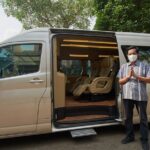
You also get a smooth setup: pickup from the Mahatma Gandhi Road area of Shivajinagar, an air-conditioned vehicle for the drive, and guides who meet you at each site. If your guide is someone in the vein of Varun or Raghu (both named in past experiences), you can expect lively explanations that connect what you’re seeing to Jain basics and the temple eras. One more thing to plan for: this is a small group with a maximum of 10 people, so the schedule can feel tight and you’ll need to roll with it.
In This Review
- Quick highlights you’ll actually feel
- Day-trip basics: timing, cost, and what’s included
- Belur’s Chennakeshava temples: where Hoysala stonework takes over your attention
- The Vindhyagiri climb and Bahubali at Shravanabelagola
- A second Jain stop: Jain temple time on the way back
- Coffee plantation and spices: the sensory part that makes the day feel real
- Lunch strategy: vegetarian meal, timing, and dietary needs
- Driving time and countryside views: what you’ll notice from the road
- Guides and pace: staying on schedule without feeling rushed
- What to pack: the socks-and-rainwear advice is not overkill
- Who this day trip fits best (and who should consider a different plan)
- Price and value: is $113.34 fair for Belur + Shravanabelagola + coffee?
- Should you book this Belur + Shravanabelagola day trip?
- FAQ
- What is the duration of this day trip?
- What time does the tour start from Bangalore?
- Where is the pickup and where do we return?
- Is lunch included?
- Are admission tickets included for the temples?
- Do we visit a coffee and spice plantation?
- How much walking or climbing is involved?
- What should I bring?
- What’s the group size limit?
- Can I cancel for a full refund?
Quick highlights you’ll actually feel
- Belur’s Chennakeshava temples: 12th-century Hoysala stonework that rewards slow looking
- Vindhyagiri climb to Bahubali: 640 steps and a statue you feel in your chest
- Coffee plantation + spice field walk: learn how coffee and crops like pepper and turmeric fit together
- Lunch included: vegetarian meal is built into the day so you’re not hunting midday
- Small group pace: max 10 people helps keep the stops efficient
Day-trip basics: timing, cost, and what’s included
This is a full day trip that runs about 13 to 14 hours, starting at 7:30am. You’ll be picked up from Mahatma Gandhi Road in Shivajinagar (Bengaluru) and returned there at the end, with a toilet break built into the drive.
The price is $113.34 per person, and it’s not just transportation. Your day includes lunch (vegetarian), an air-conditioned vehicle, and all fees and taxes. Admissions are included at Belur’s main temple stops (Stop 1 and Stop 2), while the coffee plantation and Shravanabelagola temple time are listed as free for the relevant parts of the visit—so the cost is mostly covering your overall access, guiding time at key points, and the logistics of doing both UNESCO sites in one run.
A practical heads-up: tips/gratuity to the driver and guide are not included. If you usually tip in your travels, plan for that.
Also, plan as if it’s flexible but full. Your itinerary includes time blocks like 4 hours, 2 hours, and then several multi-hour temple segments, so you’re moving from site to site on a schedule—not wandering freely for hours.
You can also read our reviews of more tours and experiences in Bangalore.
Belur’s Chennakeshava temples: where Hoysala stonework takes over your attention
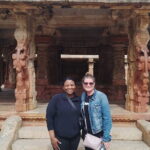
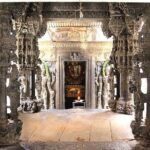
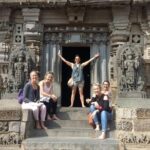
Belur is the start, and the reason people choose this route is simple: the temple carving is extraordinary. The tour focuses on Beluru Shri Chennakeshava Swamy Temple (Stop 1) and then Belur Sri Chennakeshava Temple (Stop 2). That split matters because you’re not rushing one spot and calling it done—you get time to actually look.
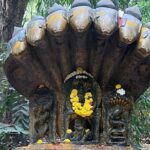
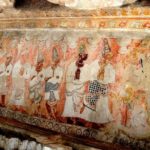
This temple complex is tied to the Hoysala dynasty, ruled from the 10th to the 14th century AD. The main Chennakeshava temple at Belur was built in the 12th century by Vishnuvardhana, and your guide’s job is to translate what you see into something you can hold in your head. When a guide points out patterns, symbols, and the temple’s era, the carvings stop feeling like decorations and start feeling like a story in stone.
What I like about this stop is the contrast between scale and detail. You’ll notice the big composition from a distance, then you can walk in closer and catch the small scenes and decorative work. Even if you’re not a temple expert, it becomes clear why UNESCO places like this are studied and protected.
Possible snag: you’re on your feet and moving between viewpoints within the temple area. Comfortable shoes matter, and if rain shows up, you’ll want that rainwear the tour asks you to carry. The tour specifically suggests bringing an extra pair of socks, which usually means you’ll appreciate dry feet more than you expect.
The Vindhyagiri climb and Bahubali at Shravanabelagola

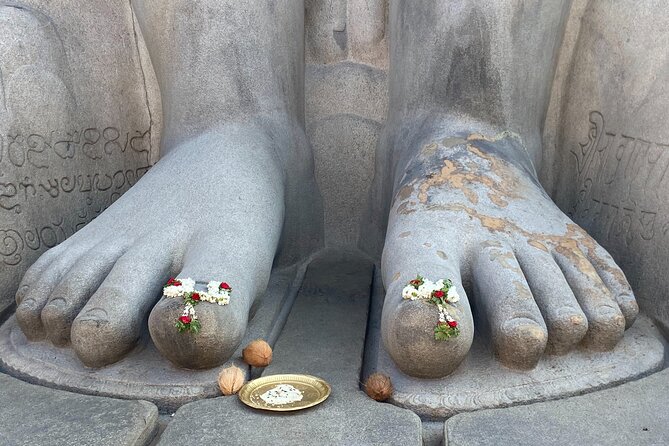
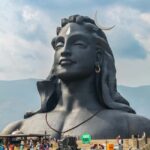
Shravanabelagola is where the day turns into a physical mission. The tour includes the main Shravanabelagola stop (Stop 4), which centers on the tall monolithic statue of Bahubali. The statue is carved from a single monolithic block on top of Vindhyagiri hill in 983 AD by Chavundar.
The climb is the big event here: the tour notes 640 steps. That number is worth treating seriously. It’s not a quick stroll, and it’s not a casual “stretch your legs” moment. If you go at your pace, take breaks when you need to, and keep your water and stamina in mind, the effort pays off.
Why this part is so compelling is the way it links religion, legend, and place. The tour is designed so you learn the basics of Jain religion and hear the extraordinary story of Bahubali while you’re literally moving upward in the same setting where the statue stands. When the explanation matches the viewpoint, it clicks. You’re not just looking at a statue; you’re understanding the why behind it.
A practical consideration: you’ll likely sweat. If your rain gear and socks are optional for you at home, make them non-negotiable here. Wet feet turn “a little hike” into an annoying day fast.
Also, timing matters. The stop gives you a multi-hour window (3 hours listed), but you should still plan for the fact that climbing and photo pauses can add up.
A second Jain stop: Jain temple time on the way back
After the Vindhyagiri experience, the itinerary adds another temple-related stop: Shravanabelgola Jain Temple (Stop 5). You drive back toward Bangalore and the schedule includes time there as part of the return arc.
This segment is useful for two reasons. First, it gives you a chance to see more than just the monolithic statue. Second, it gives you breathing room because the tour notes potential toilet or snack breaks during the drive back, and it also mentions highway eating options on the way to Bangalore.
One thing to keep your expectations realistic: this return section is built into a long day. So even if this temple area is impressive, you’ll be balancing it against fatigue from earlier steps. The best approach is to go in calm and let the day set the pace rather than trying to “cram” everything.
Coffee plantation and spices: the sensory part that makes the day feel real
Between temples, you get a local coffee and spice plantation visit (Stop 3). It lasts about 1 hour and is listed as admission free. The setting is on the outskirts of Beluru, and the focus is not just tasting—it’s the story of coffee in the area and a quick look at spices grown there.
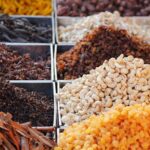
This is the stop that breaks up the intensity. Instead of stone and stairs, you’re walking and learning with your senses turned on. The tour specifically mentions crops you can see and smell, including pepper, clove, all-spice, ginger, turmeric, and curry leaves.
What makes this stop valuable is how it reframes the region. You start realizing that the same day includes both religious sites and working farmland. Coffee isn’t just a drink; it’s agriculture with crop cycles and a local economy behind it. And spices aren’t just flavors on a menu; they’re real plants with real growing conditions.
From past experiences of this day trip, the hosts often bring warmth and personality to the visit, and it’s the kind of place where small moments stick—like meeting a friendly puppy at the property. That sounds minor, but it’s exactly the sort of human touch that makes a long day feel personal instead of manufactured.
You can also read our reviews of more tours and experiences in Bangalore

Lunch strategy: vegetarian meal, timing, and dietary needs
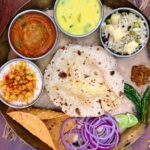
Lunch is included, and it’s vegetarian. The tour notes that dietary requirements can be accommodated if you let them know in advance. That matters because on long day trips, one missed meal can ruin the afternoon, especially when you’re climbing later.
In practice, the best lunch strategy here is simple: eat early enough that it doesn’t sit heavy during the climb, but don’t skip the meal. Even if you’re not hungry, you’ll be glad you had calories and hydration later in the day.
If you have dietary restrictions, communicate them clearly when booking. The tour explicitly says they can accommodate dietary requirements for lunch, but you’ll only benefit if you ask.
Driving time and countryside views: what you’ll notice from the road
This day trip is built on long drives between sites, and that’s part of the experience. On the way to Belur, the tour mentions countryside sights like rice fields and coconut trees. It’s not a sightseeing bus tour with constant stops, but you do get glimpses of how people live and farm.
Then, after Shravanabelagola, the drive back to Bangalore includes a chance for toilet or a snack/early dinner break, and it mentions multiple highway options. That’s practical, because you won’t want to end the day hungry when you’re back on the road and everyone is tired.
A small note: because this is a structured day, the scenery is mostly what you see through the window. If you love slow, unplanned detours, this itinerary may feel busy. If you like a clear plan that hits the major sites without stress, it’s a good match.
Guides and pace: staying on schedule without feeling rushed
This tour is set up with a driver and guides at each site. The driver picks you up from the lobby/reception area at the appointed hour, then meets the guides at the sites you visit. That matters because it reduces confusion and keeps the group from splitting up.
You’ll also notice that the tour gives time buffers in key places: Belur gets a long combined block, Shravanabelagola gets time for the main experience plus the additional Jain temple segment, and the return drive includes a toilet/snack option. That structure is what makes a day trip like this workable.
The guides’ role is especially important for making sense of what can otherwise feel like a lot of religious and historical content in one day. Past experiences of this tour highlight guides like Varun and Raghu for giving context and storytelling that makes the temples click. In plain terms, you’ll get more out of Belur’s carvings and Shravanabelagola’s legend if you let the guide do their job.
What to pack: the socks-and-rainwear advice is not overkill
The tour explicitly asks you to bring an extra pair of socks and rainwear. That’s a clear clue about the conditions you might face: stairs, outdoor time, and possibly wet ground near temple areas or on the hill.
Here’s what I’d treat as must-haves based on the itinerary:
- Comfortable walking shoes with grip (you’ll use them on temple floors and steps)
- An extra pair of socks (even a short wet stretch can be miserable)
- Rainwear you’ll actually wear, not just keep in a bag
- A light layer (temple visits and early starts can feel cool in the morning)
If you’re someone who gets cold easily, bring a layer for the early drive.
Also, because the tour says moderate physical fitness is required, don’t assume you can “power through” the climb with willpower alone. Your pace matters on 640 steps.
Who this day trip fits best (and who should consider a different plan)
This is best for you if:
- You want both UNESCO temples in one day without planning a complicated route
- You like understanding what you’re seeing, not just taking photos
- You’re okay with a hill climb and lots of walking
- You want a break from Bangalore that includes real local farming and spices
You might want a different option if:
- You dislike stairs and have trouble with uneven or steep routes
- You know you’ll struggle with a 13–14 hour day
- You prefer slow travel and long free time at each site
The group size is capped at 10 travelers, which is great for attention and flow, but it still doesn’t turn the day into a leisurely stroll. Think “organized adventure,” not “hangout day.”
Price and value: is $113.34 fair for Belur + Shravanabelagola + coffee?
For this itinerary, the value comes from three places.
First, you’re paying for the full package: air-conditioned vehicle, lunch, and all fees and taxes. That helps you avoid surprise add-ons and keeps the day moving.
Second, admissions at Belur temple stops are included in the listed schedule, which matters because temples can add up in ticketing when you visit multiple sites.
Third, the coffee and spice plantation stop adds variety that you can’t replicate easily on your own without local connections and timing. You get a guided hour on coffee and spices, plus the sensory experience of seeing and smelling pepper, clove, all-spice, ginger, turmeric, and curry leaves.
The main extra cost to expect is tipping your driver and guide. If that’s in your travel budget, the overall price feels aligned with the effort and the structure.
Should you book this Belur + Shravanabelagola day trip?
Book it if you want a single-day hit of UNESCO temple artistry plus the Jain story of Bahubali, and you’re physically comfortable with a 640-step climb. I’d especially recommend it for first-timers to the region who don’t want to plan separate trips or puzzle together transport between Belur and Shravanabelagola.
Skip or choose a gentler alternative if long days and steep stairs wear you down quickly. This is not a short sightseeing sprint. It’s a real day with temples, a hill, and a farm stop.
If you do book, set yourself up for success: wear grippy shoes, pack rainwear, and bring those extra socks. Then go with the mindset that you’re collecting stories as much as sights.
FAQ
What is the duration of this day trip?
It runs about 13 to 14 hours.
What time does the tour start from Bangalore?
The start time is 7:30 am.
Where is the pickup and where do we return?
Pickup is at Mahatma Gandhi Road, Shivajinagar (Bengaluru). The tour ends back at the same meeting point.
Is lunch included?
Yes. Lunch is included and it is vegetarian.
Are admission tickets included for the temples?
Admission tickets are included for Beluru Shri Chennakeshava Swamy Temple (Stop 1) and Belur Sri Chennakeshava Temple (Stop 2). The coffee plantation and Shravanabelagola temple parts listed are marked as admission free.
Do we visit a coffee and spice plantation?
Yes. You visit a local coffee plantation on the outskirts of Beluru for about 1 hour, and you also see some spices grown there.
How much walking or climbing is involved?
The tour includes climbing Vindhyagiri hill with 640 steps, so it requires moderate physical fitness.
What should I bring?
The tour recommends carrying an extra pair of socks and rainwear.
What’s the group size limit?
The tour has a maximum of 10 travelers.
Can I cancel for a full refund?
Yes, you can cancel up to 24 hours in advance for a full refund.