REVIEW · BANGALORE
Bangalore: Mysore Tour with Lunch and Guide
Book on GetYourGuide →Operated by 5 Senses Tours · Bookable on GetYourGuide
Tipu and Mysore in one long, story-filled day. You’ll start early from Bangalore, ride out to Srirangapatna (Tipu Sultan’s former capital), then bounce between royal architecture, old markets, and a church that history buffs love. The tour also gives you a real fork in the road: you can choose Tipu sites or swap in UNESCO-listed Somnathpur.
I especially like how the day is built around guided time in the big-ticket places. Mysore Palace gets a focused walkthrough of the Public Hall, Private Hall, Dolls Pavilion, and Royal Wedding Hall, and Tipu’s Dariya Daulat Bagh pairs Indo-Saracenic design with murals like the Storming of Srirangapatna. One drawback to plan for: this is a long car-heavy itinerary, so if you want a slow pace at every stop, you may feel the schedule squeeze.
In This Review
- Key things I’d mark on your mental map
- From Bangalore to Mysore: why the early start matters
- Srirangapatna’s Dariya Daulat Bagh: Indo-Saracenic design with wartime murals
- Colonel Bailey Dungeon: the dark chapter told clearly
- Mysore Palace walkthrough: 145 feet of detail, guided in the right rooms
- St Philomena Church: why it’s the most specific non-palace stop
- Devaraja Market: the sensory reset you’ll actually remember
- Somnathpur option: UNESCO Chennakesava Temple when you want carved quiet
- Lunch and road time: how the day feels in practice
- Value for $137: what you’re paying for beyond tickets
- Who should book this Bangalore to Mysore day tour
- Should you book this tour or plan differently?
- FAQ
- What time does pickup happen in Bangalore?
- How long is the tour?
- Is this a private group?
- Is the guide available in English?
- What’s included in the price?
- What does the itinerary offer if I prefer Somnathpur over Tipu sites?
- Are beverages included with lunch?
- Is there free cancellation?
Key things I’d mark on your mental map
- Dariya Daulat Bagh murals connect Tipu’s story to the British with clear visual history, including Storming of Srirangapatna by Sir Robert Ker Porter
- Colonel Bailey Dungeon turns a grim wartime detail into an easy-to-follow narrative rather than a quick glance
- Mysore Palace highlights are guided in the right order: Public Hall to Private Hall to Dolls Pavilion to the Royal Wedding Hall
- Devaraja Market is the sensory palate cleanser after monuments, with flower, fruit, vegetable, and jaggery stalls
- St Philomena Church is worth it even if you skip churches at home because the timeline is specific: 1840, expanded in 1933
- Somnathpur option replaces Tipu’s sites with the UNESCO Chennakesava Temple’s carved shrines and 16 ceiling panels
From Bangalore to Mysore: why the early start matters
This is a 12-hour day trip, and the schedule starts early from your Bangalore hotel. Pickup is either 7:30AM or 8:30AM, and that timing isn’t just about moving buses efficiently. It’s what gives you enough daylight to see Palace and churches without ending the day in a rushy blur.
Yes, you’ll spend a lot of hours in the car. Traffic in the Bangalore-to-Mysore corridor can slow you down, but the upside is that a good guide can use the road time for context—how Mysore’s royal power worked, how Tipu’s era differed, and why the architecture mixes Hindu, Islamic, Rajput, and even Gothic influences. If you’re prone to car fatigue, wear comfortable clothes, keep water handy (beverages aren’t included), and consider sunglasses, because you’ll be outside in bright light at multiple stops.
You can also read our reviews of more guided tours in Bangalore
Srirangapatna’s Dariya Daulat Bagh: Indo-Saracenic design with wartime murals
Your first big historical landing is Srirangapatna, tied to Tipu Sultan—this town was the capital during his period. The key stop here is Dariya Daulat Bagh, a Summer Palace built in an Indo-Saracenic style. That label matters because it hints at what you’ll see: domes and ornamentation that don’t belong to one single tradition, but instead show a blend shaped by power, trade, and court tastes.
What I like most is that the palace isn’t treated like a pretty shell. You’re guided through murals that depict conflict between Tipu and the British, including a famous painting titled Storming of Srirangapatna by Sir Robert Ker Porter. The story isn’t vague. You get the scene of the final fall of Srirangapatna on 4 May 1799, which gives your brain a clear timeline as you move from room to mural to exhibit.
Practical note: this is the kind of site where good narration changes everything. If you’re the type who likes to connect art to real events, this stop will feel like a history lesson that still looks beautiful.
Colonel Bailey Dungeon: the dark chapter told clearly
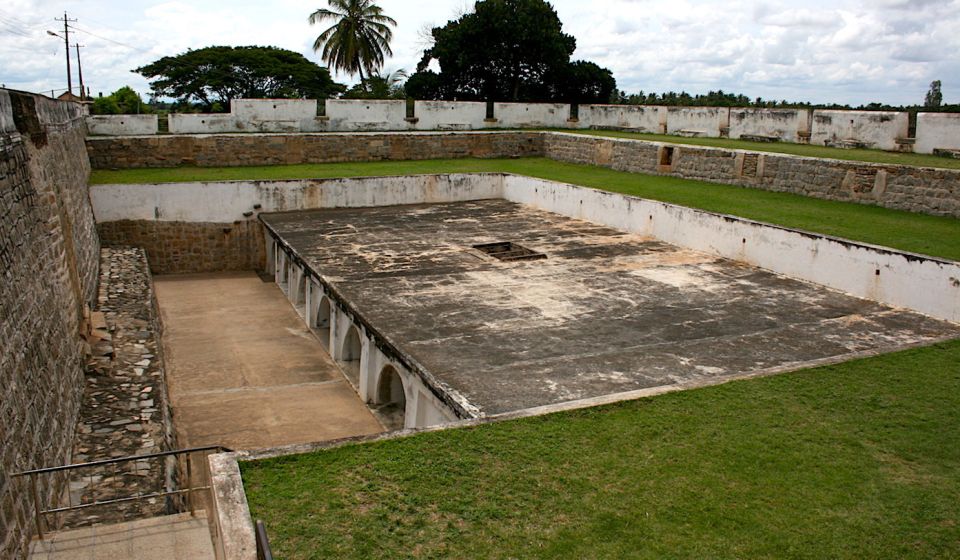
Right after the palace, you’ll shift from art to a much darker wartime reality: Colonel Bailey Dungeon. Tipu used this dungeon to imprison British officers during the war, and the guide’s job here is to make the place understandable without turning it into a horror show.
The dungeon’s value on this tour is not just that it exists, but that it’s framed. When you can connect a physical location to the larger campaign—who was where, and what the British wanted—you stop seeing it as a random basement and start seeing it as a piece of how the siege unfolded.
If you’re sensitive to grim history, it can still be worth seeing because you’ll get context, and the pacing is managed inside a broader itinerary rather than being the only emotional stop of the day.
Mysore Palace walkthrough: 145 feet of detail, guided in the right rooms
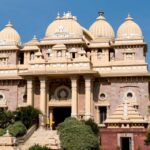
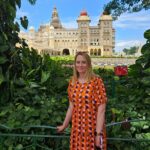
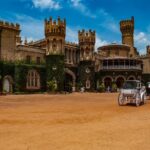
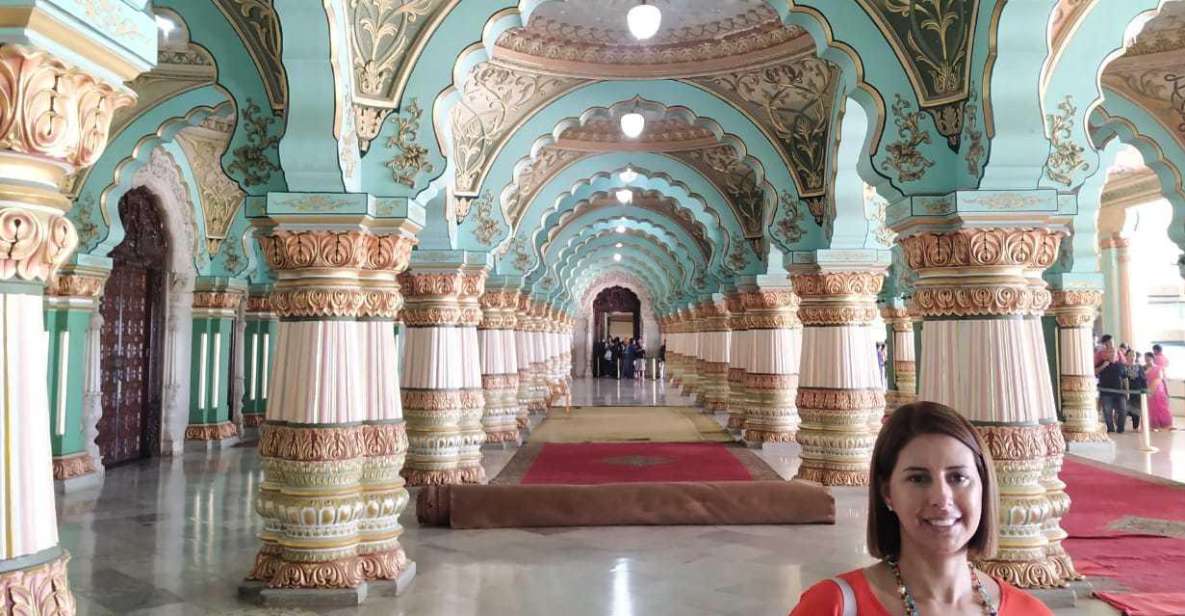
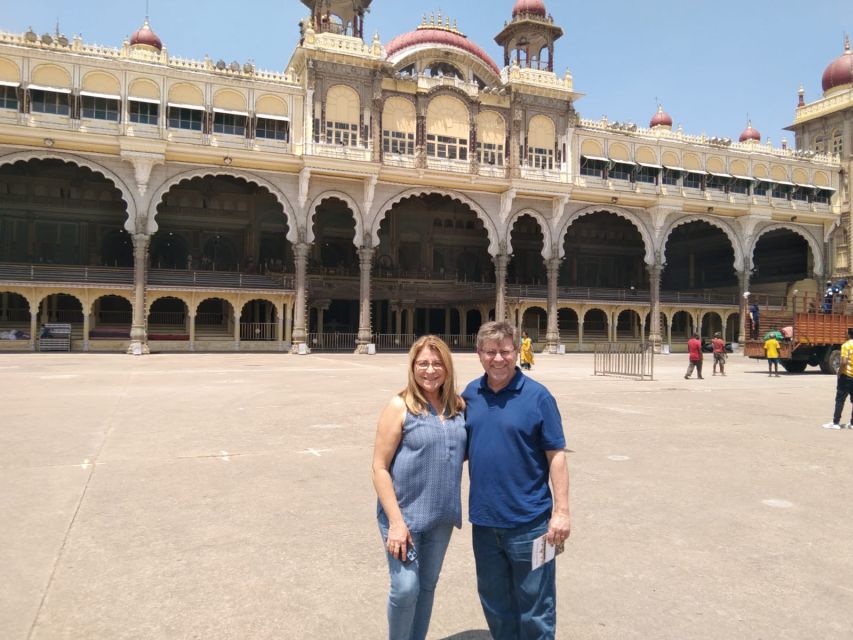
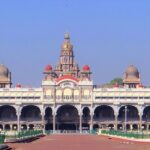
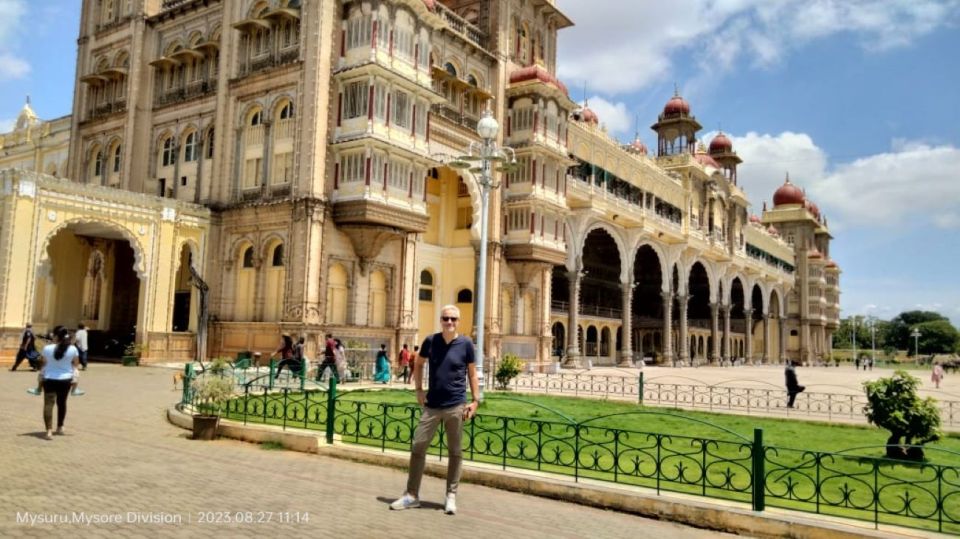
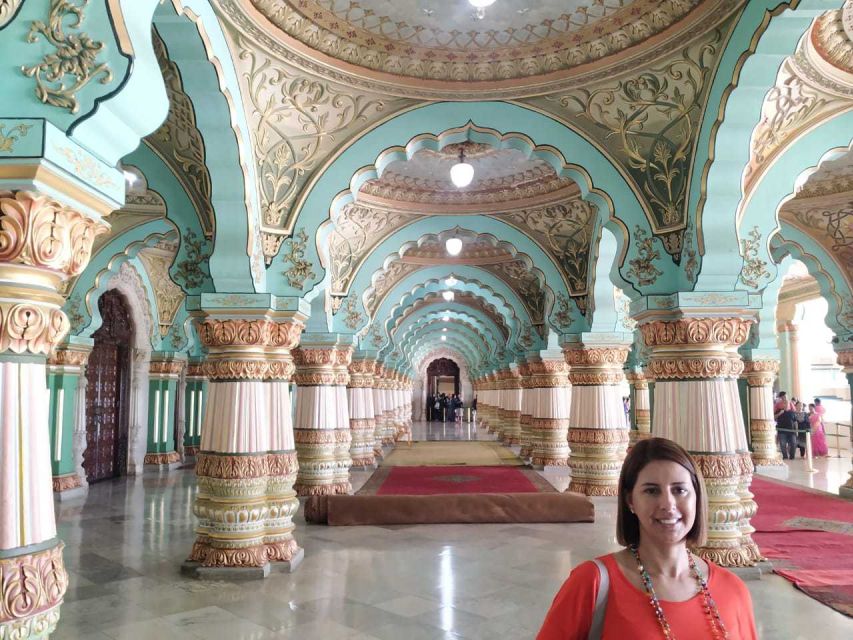
Then comes Mysore Palace, and this is where many people feel the “wow” moment. The building is described as a three-storied stone structure with marble domes and a 145 ft five-storied tower, with Indo-Saracenic blending of multiple architectural languages.
What makes the palace work on a guided day trip is the order. You spend a couple of hours moving through the Public Hall, then the Private Hall, followed by the Dolls Pavilion, and finally the Royal Wedding Hall. That route matters because it moves you from the court’s public-facing space to a more controlled, personal realm, and then into rooms that highlight how royalty performed culture—sometimes through spectacle, sometimes through ritual objects and design.
One practical tip: you’ll be walking and standing for quite a bit. Wear shoes you can trust, and keep your water plan realistic. The tour includes lunch, entrance fees, and a guide, but it doesn’t include beverages, so plan to buy or carry what you need.
St Philomena Church: why it’s the most specific non-palace stop
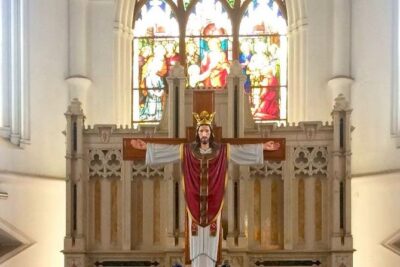
After royal architecture, you’ll visit St Philomena church in Mysore. This place is built in 1840, but it’s the name changes and timeline that make it interesting, not just the walls.
Originally it was called St. Joseph Chavez, then changed to its present name. It gained its present form in 1933 during the reign of Maharaja Krishnaraja Wodeyar IV. In 1843, Mysore King Mummadi Krishnaraja Wodeyar built it to serve European residents living in Mysore at the time. Today, it’s described as the second largest church in Asia, which is a dramatic statistic—but what helps is that the guide can tie the size to the historical reason it expanded.
If you think churches are boring, this is one you can still enjoy because the story is concrete: when it started, why it grew, and who it served.
You can also read our reviews of more tours and experiences in Bangalore
Devaraja Market: the sensory reset you’ll actually remember
Next you’ll head to Devraja market, the old bazaar of Mysore. This is the stop that turns the day from monuments to everyday life.
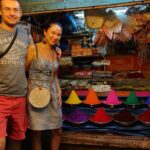
The market is built around produce and everyday staples: flowers, vegetables, fruits, jaggery, onions, potatoes, puffed rice, and coconuts. The point isn’t that you’ll shop for everything. The point is that your senses catch up. After hours of palace tiles and palace stories, your brain gets a different kind of texture: color, smell, and the quick pace of people buying real things for real cooking.
If you’re watching your budget, this is also a good place to browse without pressure. If you want gifts, it tends to be easier to find practical souvenirs here than in tourist-only stops.
Somnathpur option: UNESCO Chennakesava Temple when you want carved quiet
You have a built-in choice on this tour. Guests can pick Srirangapatna (Dariya daulat Bagh and Bailey Dungeon) or choose Somnathpura instead. You can update that during booking under remarks.
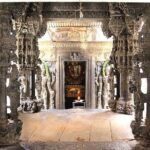
If you choose Somnathpur, the focus becomes UNESCO-listed Chennakesava Temple. It was built in 1268 by Somanatha, a general of King Narasimha III. This temple is worth your time because it isn’t just one grand view; it’s layered details you can keep noticing the longer you look.
You’ll explore three shrines and three carved peaks with a common Mandapa. Then there are 16 different ceilings, each depicting a stage of a blooming banana flower. The central wall space is adorned with images of deities with jewellery, bangles, crowns, and anklets.
This is a different flavor than Mysore Palace. If you love architecture that rewards patience, Somnathpur tends to feel calmer and more meditative, even though it’s still packed with carvings.
Lunch and road time: how the day feels in practice
The tour includes lunch, and the value here is practical. This is a day where a bad lunch can ruin your energy, but you don’t have to spend time figuring out where to eat. You also don’t have to build in extra detours because lunch is part of the flow.
Road time is the biggest “cost” of the day—especially if you’re a first-time visitor trying to squeeze in too many questions, photos, and stops. What helps is that guides often use that time well. In the experience, guides such as Divakar and Manjunath (and others) are repeatedly praised for balancing history with everyday context, plus answering questions clearly. Even the drivers get credit for keeping the day managed, including washroom breaks and comfort stops.
The small catch: the day can feel full. If you’re someone who likes sitting longer in one place instead of moving onward, you may want to mentally switch modes and treat each stop as a chapter.
Value for $137: what you’re paying for beyond tickets
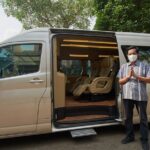
At $137 per person, you’re not just paying for entry fees. You’re buying convenience and structure: hotel pickup and drop-off in Bangalore, a private car, a live English guide, plus entrance fees and lunch.
That matters because Mysore Palace and Tipu-related sites aren’t always the easiest to coordinate on your own if you’re visiting from Bangalore on a tight schedule. The tour also reduces friction around ticketing and navigation—time you can spend looking instead of figuring.
What’s not included is also clear: beverages and camera charges are not part of the price. Bring cash or a card plan, and if you’re set on taking paid camera photos, confirm the rules on-site so you don’t get surprised.
In plain terms: this feels like good value if you want a guided day with minimal hassle and you’re okay with the long driving time.
Who should book this Bangalore to Mysore day tour
This works best if you:
- Want a structured introduction to Mysuru royal history without needing a driver-guide plus research
- Enjoy architecture plus storytelling (palaces, murals, and a dungeon with context)
- Like a “royal sights + everyday market” mix rather than only temples or only palaces
- Prefer the comfort of a private car over public transport
It’s less ideal if you:
- Get impatient with long travel days and rushed transitions
- Want to spend many hours at just one site rather than touching multiple highlights
- Are picky about lunch style (you might want to communicate preferences ahead of time, since the tour includes lunch but doesn’t list menu choices)
Should you book this tour or plan differently?
I’d book it if you’re visiting Bangalore and you want one strong day that links Tipu Sultan, Mysore Palace, and the city’s real-life texture at the market. The guided focus inside the major sites is the big reason it feels worth the price, especially around Dariya Daulat Bagh and Mysore Palace’s specific hall walkthrough.
I’d think twice if you’re sensitive to pace and car time, because this itinerary is tightly packed. If you still book, choose the option that matches your mood—Srirangapatna for Tipu history and dungeon storytelling, or Somnathpur if you want UNESCO temple carving and slower visual attention.
FAQ
What time does pickup happen in Bangalore?
Pickup is available either at 7:30AM or 8:30AM from your hotel lobby.
How long is the tour?
The duration is 12 hours.
Is this a private group?
Yes, it’s listed as a private group.
Is the guide available in English?
Yes, the live tour guide is available in English.
What’s included in the price?
Included are hotel pickup and drop-off, a guide, private car, lunch, and entrance fees.
What does the itinerary offer if I prefer Somnathpur over Tipu sites?
You have a choice between Srirangapatna (Dariya daulat Bagh and Bailey Dungeon) or Somnathpura, and you can update your choice during booking under remarks.
Are beverages included with lunch?
No, beverages are not included.
Is there free cancellation?
Yes. You can cancel up to 24 hours in advance for a full refund.