REVIEW · BANGALORE
Walk of Divinity Bangalore (2 hours guided walking tour)
Book on GetYourGuide →Operated by Yo Tours · Bookable on GetYourGuide
Temple crowds can change the whole mood. This Walk of Divinity Bangalore strings together classic sacred stops—starting at Ramakrishna Math and ending at the Big Bull Temple—with a friendly English/Hindi storyteller and plenty of practical local guidance. I like that the tour is built for real people on foot: short enough to stay energetic, long enough to feel the shifts in atmosphere from stop to stop.
Two things I especially appreciate: the quiet, respectful start you get at Ramakrishna Math, and the kind of meaning-focused commentary that helps you actually notice what matters at Dodda Ganapathi Temple. One thing to plan for: temple festivals can create long queues, and you may be offered paid options (like a tuk-tuk) to keep you moving.
In This Review
- Key Highlights You Should Know Before You Go
- The 2-Hour Temple Walk: What You’ll Actually See
- Ramakrishna Math: A Calm Start That Makes Sense
- Gavi Gangadhareshwara Temple: Watch the Devotion Up Close
- Ramanjaneya Gudda Temple: A Breather With a Local Feel
- Dodda Ganapathi Temple: Where the Atmosphere Changes
- Big Bull Temple: The Serenity Finale (With a Short Time Window)
- The Guide Experience: English/Hindi Storytelling That Helps You Read the Places
- Price and Value: Is $18 Worth It?
- Timing, Crowds, and the Optional Tuk-Tuk Moment
- What to Bring: Shoes and Temple-Appropriate Comfort
- Who This Tour Suits Best
- Should You Book Walk of Divinity Bangalore?
- FAQ
- How long is the Walk of Divinity Bangalore tour?
- What locations does the tour include?
- What is the price?
- What languages are the live guides available in?
- Is hotel pickup or drop-off included?
- What should I bring?
- Are water bottles and snacks included?
Key Highlights You Should Know Before You Go
- Ramakrishna Math sets the tone with a calmer, devotional rhythm that makes the rest of the walk easier to enjoy.
- Dodda Ganapathi Temple brings the energy up—expect strong atmosphere and more crowd pressure at peak times.
- Big Bull Temple is your serenity checkpoint—a peaceful finale if you’re ready to slow down.
- English and Hindi storytelling helps you follow rituals and basic temple context without needing local-language skills.
- You get money-saving local tips that go beyond temple facts.
- Comfort beats speed: bring good walking shoes, because this is a real urban foot route.
The 2-Hour Temple Walk: What You’ll Actually See
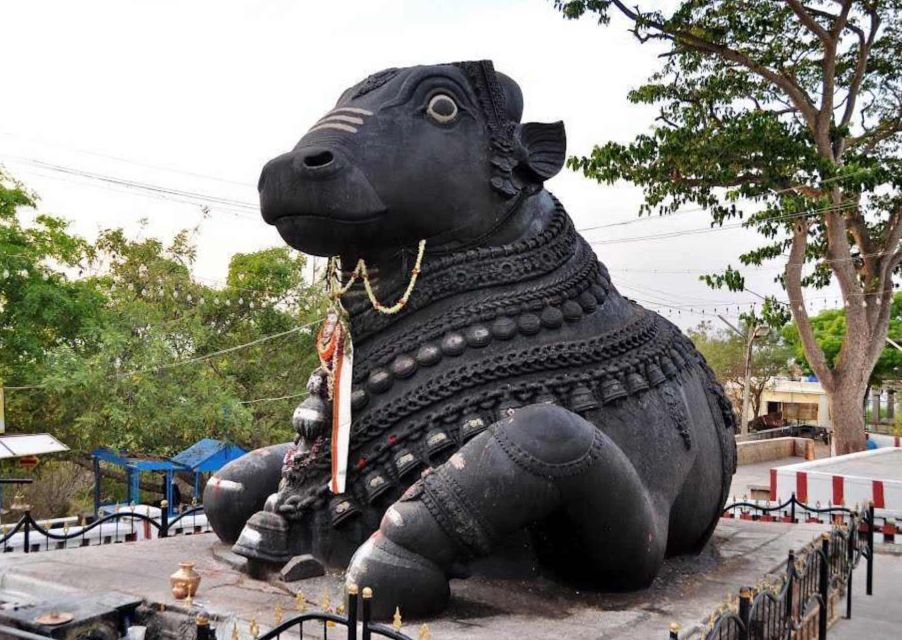
This is a tight 2-hour walking tour of several well-known sacred sites in Bangalore. The stops you’ll encounter are: Ramakrishna Math, Gavi Gangadhareshwara Temple, Ramanjaneya Gudda Temple, Dodda Ganapathi Temple, and the Big Bull Temple. The structure is simple: you walk between temples, pause for ritual viewing, then get explanations that help you read what’s happening around you.
For many first-timers, the best part isn’t just seeing temples. It’s learning how to move through them respectfully—where people queue, how devotees watch ceremonies, and how to understand the names and roles of what you’re seeing. If you like guided context, this format fits well. If you’re hoping for a slow, museum-style pace with long stays everywhere, you might feel the schedule moving along faster than you’d like.
Also, it’s guided, but not a private chauffeur setup. There’s no hotel pickup or drop, so you’ll want to reach the start point on your own and keep your expectations aligned with a walking route.
You can also read our reviews of more walking tours in Bangalore

Ramakrishna Math: A Calm Start That Makes Sense
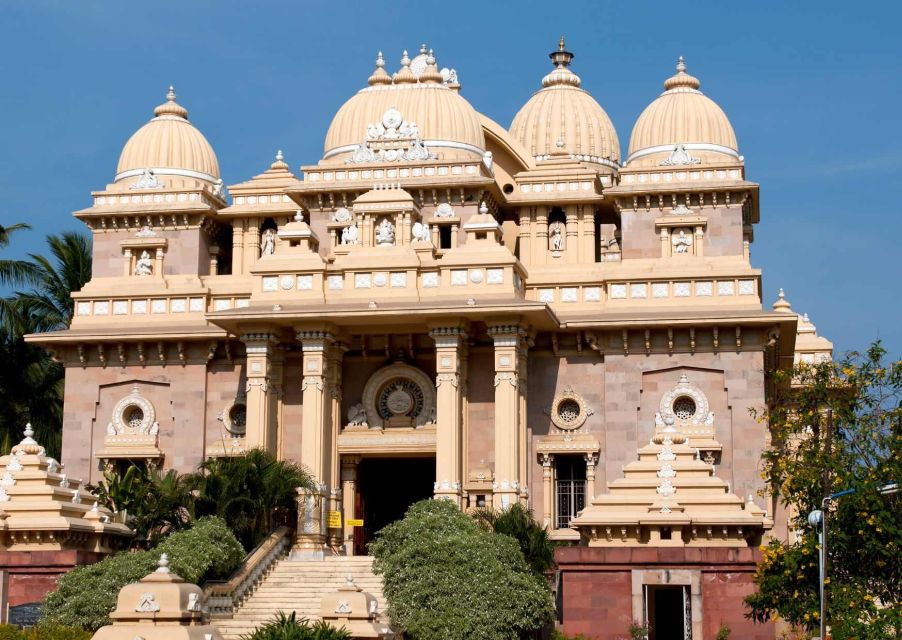
The tour begins with Ramakrishna Math, and that matters. Starting here gives you a psychological reset before you hit the busier, louder energy later. You’re stepping into a space where people come for devotion and routine prayer. That quiet steadiness makes it easier to understand the rest of the itinerary as more than sightseeing.
What I like about this stop is the role it plays in the tour’s flow. Instead of starting with the biggest crowds, you begin with a calmer atmosphere. That means when the schedule hits temple traffic at later stops, you’ll still be in the right frame of mind.
Here’s the practical takeaway: use the first temple to orient yourself. Look at how visitors behave—where people stand, when they step aside for devotees, and how the space feels different from a street setting. If your guide is doing English and Hindi explanations well (and guides like Raghu have been praised for clear English), this is where you’ll likely get your foundation for understanding what follows.
Gavi Gangadhareshwara Temple: Watch the Devotion Up Close
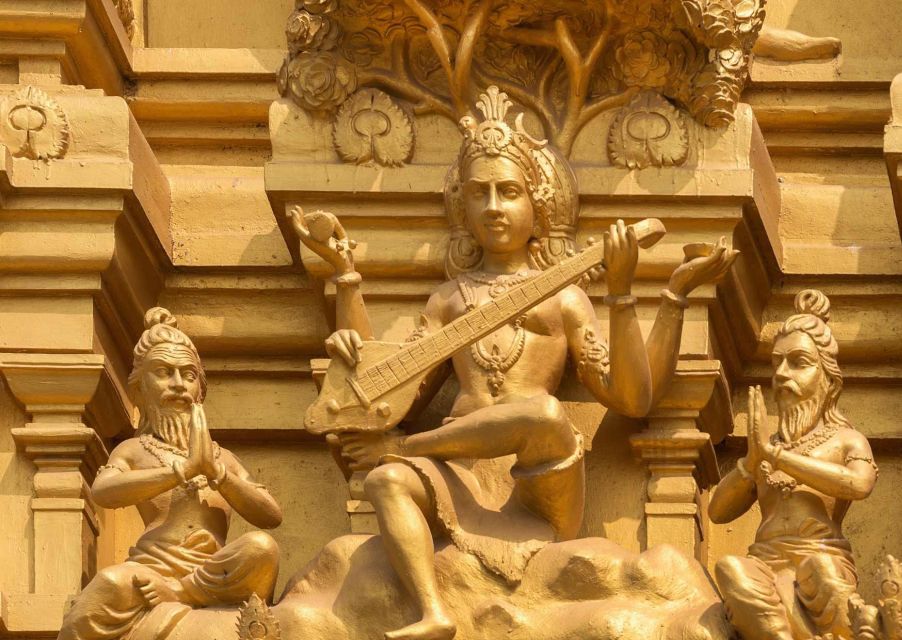
Next on the route is Gavi Gangadhareshwara Temple. I’d treat this stop as a chance to practice observation. You’re not just looking at a building; you’re watching how devotion works in real time—how people enter, pause, and participate.
Because the walking tour is only two hours total, you won’t get endless time here. But that’s not always a bad thing. A short, well-timed stop can keep the experience focused: you see what’s happening, your guide gives context, and you move on without feeling like you’re waiting around.
If you’re sensitive to crowds or you prefer quieter moments, this is one of the stops where good guidance helps. Ask your guide a simple question while you’re there—something like what the main focus is during prayer times. That one answer can make the next temple click faster.
Ramanjaneya Gudda Temple: A Breather With a Local Feel
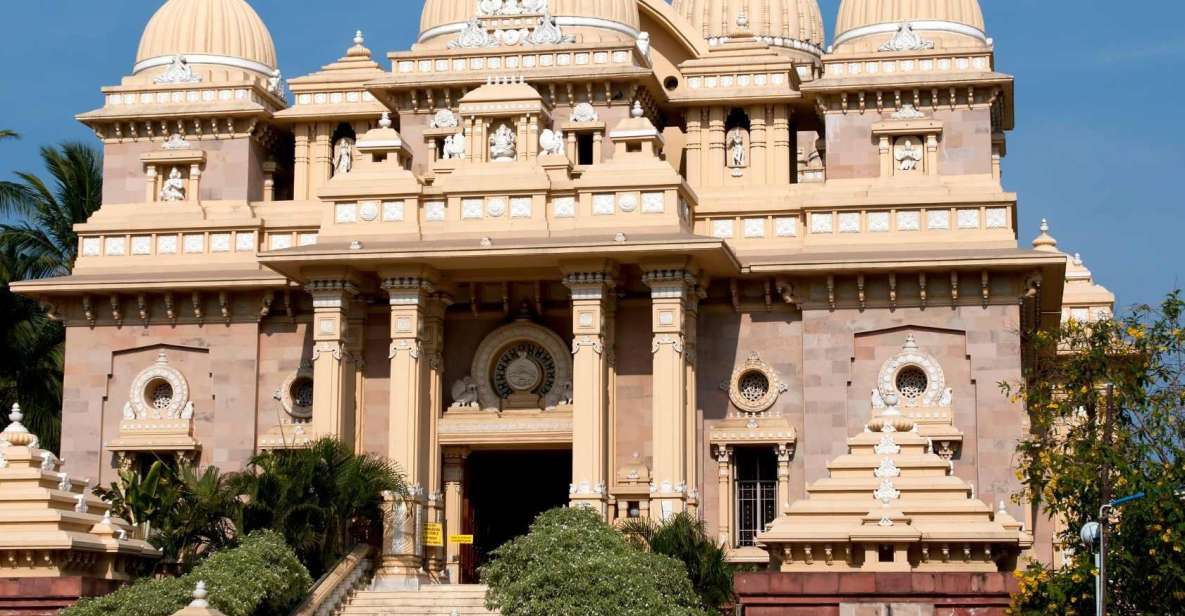
Ramanjaneya Gudda Temple is a middle stop that helps connect the route. Even when you don’t know the meaning behind every name right away, the guide’s role is to translate the basics so the visit feels intentional rather than random.
This is also where walking tours quietly test your comfort level. You’ll want to keep your pace steady and pay attention to where you place your feet. Some parts of temple-city routes can be uneven or crowded with pedestrians. Good shoes are your best insurance.
If you’re traveling with limited time in Bangalore, you’ll likely like how this stop keeps the itinerary moving while still giving you a meaningful pause. You’re learning temple identity site by site—so the experience feels earned, not rushed by pure logistics.
Dodda Ganapathi Temple: Where the Atmosphere Changes
The big energy stop is Dodda Ganapathi Temple, and that’s exactly how it feels in practice. The guide’s storytelling here is often what turns a busy temple into a memorable moment. Instead of just seeing crowds and decorations, you start understanding the symbolism and why people treat this as a must-visit place.
One important caution: schedules can shift with temple festivals. If a major event is running, queues can stretch, and you might face longer waiting times than expected. In a worst-case scenario, your guide may suggest skipping a wait or adjusting transport to keep the tour workable. That’s not automatically bad service—it’s a reality of temple tourism in India—but you should go in ready to be flexible.
What you can do to protect your experience: stay calm if lines appear. If you think the queue will exceed your comfort, ask about options early. Don’t assume every offered shortcut is free. When transport comes up, confirm clearly before you agree.
You can also read our reviews of more guided tours in Bangalore






Big Bull Temple: The Serenity Finale (With a Short Time Window)
The tour ends at Big Bull Temple, which is a smart choice for pacing. When you arrive here, you’re more likely to slow down and settle into a quieter headspace. The contrast with the more crowded earlier stop makes the final moment feel like a reset, not just another photo stop.
A practical note: the final temple can be brief in a tightly timed tour. That’s not necessarily wrong. It can still be meaningful if you use the time actively—watch, absorb, and ask your guide for one or two key explanations instead of trying to take in everything at once.
If you want more than a quick look, your best move is to ask the guide at the beginning of the tour how much time is likely at each stop. If they can’t give an exact breakdown, ask what tends to take the most time during festivals. You’ll feel less surprised if the day runs under heavy crowd conditions.
The Guide Experience: English/Hindi Storytelling That Helps You Read the Places
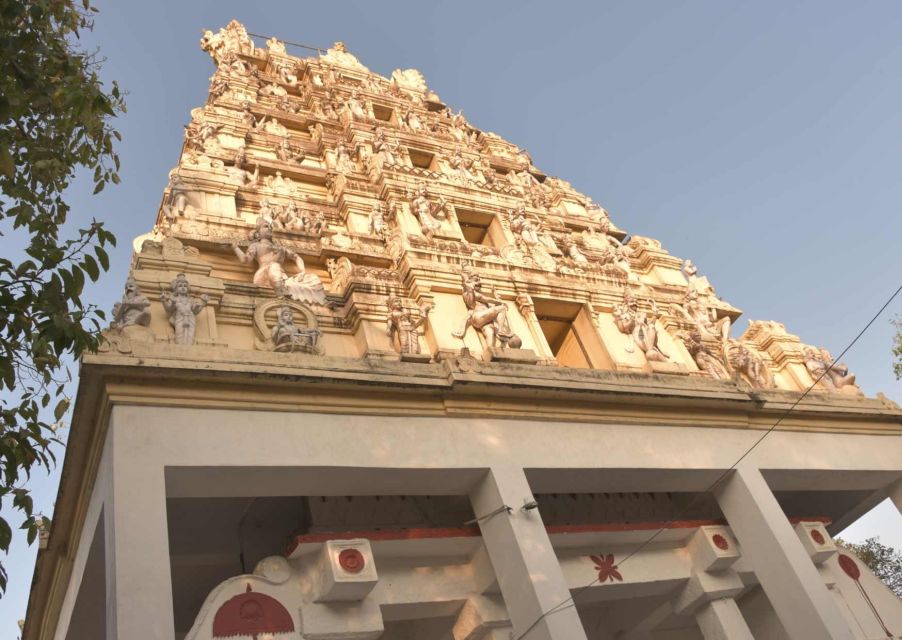
This tour’s value depends heavily on the guide. The experience provider emphasizes a highly trained, friendly storyteller who can speak English and Hindi, and that’s exactly what you want for temple visits where the details are easy to miss.
In particular, I like the approach that prioritizes conversations over lectures. You’re supposed to walk away with more than names. You get insight into what devotees are doing and why, plus interesting local stories that give you context for Bangalore beyond the temple streets.
If you’re someone who doesn’t read local language signage, this is your shortcut to understanding. Guides such as Maesh have been praised for making the visit enjoyable with lots of explanations, and Raghu has been praised for strong English. Even without naming the specific guide you’ll get, you can expect the tour to be structured around your ability to follow the story.
Price and Value: Is $18 Worth It?
At $18 per person for a 2-hour guided walking tour, this sits in the affordable category for guided city experiences. The main question isn’t the number—it’s what you’re buying.
You’re not paying just for entry to temples. You’re paying for:
- Guided interpretation (rituals and basic temple context)
- Local tips to save money and explore Bangalore better
- Conversation-driven storytelling in English and Hindi
What you should factor in: no water bottle or snacks are included, and it’s walking. That means your real budget includes small extras like bottled water if you need it. And if crowds trigger optional transport suggestions, you might spend more than you planned.
If you come prepared—comfortable shoes, modest clothing, and an attitude that this is a living religious landscape—the $18 value tends to make sense. If you arrive expecting a rigid schedule with zero queue impact, you might feel disappointed. Temple cities do what they do.
Timing, Crowds, and the Optional Tuk-Tuk Moment
Crowds are the biggest variable in temple walking tours, and this one is no different. Festival days can create major queues, and once you’re in that situation, a guide has to make tradeoffs: wait longer, skip briefly, or adjust the route with paid help.
Here’s how I’d handle this smartly, so you don’t end up stressed:
- When you see a queue and the guide mentions timing, ask straight: how long is the likely wait today?
- If you’re offered a tuk-tuk or transport option, ask if it’s an extra cost and what it’s for.
- Decide early whether you’d rather keep walking through a shorter experience or wait for a fuller one.
Also, keep your expectations realistic. Two hours moves fast. If the day is heavy with festival crowds, the itinerary can tighten at the end. The best approach is to prioritize the temples that matter most to you—like Dodda Ganapathi Temple—and use the final stop to wind down rather than to chase every last detail.
What to Bring: Shoes and Temple-Appropriate Comfort
This tour asks for one simple thing: comfortable shoes. I’d treat that as non-negotiable. Temple routes often include uneven surfaces, tight pedestrian flows, and lots of standing.
For clothing, the tour data doesn’t list a formal dress code, but it’s wise to follow local expectations. A common recommendation from prior experiences is to dress respectfully: avoid shorts and sleeveless tops, or cover up with a shawl if you’re wearing something lighter.
And since water and snacks aren’t included, bring your own water if you need it. Even if the tour stays short, Bangalore walking in daylight can add up quickly. Plan for basic comfort, not just photos.
Who This Tour Suits Best
This tour works especially well if:
- You want a guided temple route with clear English/Hindi storytelling
- You’re short on time in Bangalore and want a focused experience
- You want local tips for seeing more of the city without overspending
- You’d rather have context than wander temple-to-temple on your own
It may feel less satisfying if you strongly prefer long stays at each stop or you’re traveling with strict timing constraints. Since festivals can affect queues and the route can adjust, this is best for travelers who can be flexible for a couple of hours.
Also, if you’re the type who enjoys asking questions, you’ll get more from it. The guide’s strength is conversation, not just reciting names.
Should You Book Walk of Divinity Bangalore?
I’d book this tour if you want a short, guided way to connect with Bangalore’s sacred landmarks—especially if Dodda Ganapathi Temple and the calming finish at Big Bull Temple sound like your kind of experience. The $18 price is reasonable for guided interpretation plus local money-saving tips, and the English/Hindi support makes it workable even if you don’t speak local languages.
Skip it, or at least adjust your expectations, if you’re the sort of traveler who hates any queue uncertainty. Temple festivals can change timing, and you might be offered paid transport to manage it. If you can handle a bit of real-world flexibility, this is a solid, practical way to see meaningful places on foot.
FAQ
How long is the Walk of Divinity Bangalore tour?
The tour lasts 2 hours.
What locations does the tour include?
You’ll visit Ramakrishna Math, Gavi Gangadhareshwara Temple, Ramanjaneya Gudda Temple, Dodda Ganapathi Temple, and Big Bull Temple.
What is the price?
The price is $18 per person.
What languages are the live guides available in?
The guide provides a live tour in English and Hindi.
Is hotel pickup or drop-off included?
No, hotel pickup and drop are not included.
What should I bring?
Wear comfortable shoes.
Are water bottles and snacks included?
No, water bottle and snacks are not included.