REVIEW · BANGALORE
Guided Walk through Bengaluru’s Ejipura Slums
Book on Viator →Operated by Bengaluru Lights · Bookable on Viator
A short walk shows Bengaluru’s quiet power. This guided trek through Ejipura is interesting because it connects everyday life with local problem-solving—the kind you only see when someone who knows the neighborhood leads the way.
I also love the focus on people building opportunities, with stops at the Swabhimaan community center and clinic. One possible consideration: this is a real walk through an area with limited infrastructure, so wear comfortable shoes and expect it to be physically basic but emotionally powerful.
In This Review
- Key things that make this Ejipura walk worth your time
- First impressions: a 9:00am start in Koramangala, with a small-group feel
- Why this walk through Ejipura feels different
- Walking focus: what you’ll actually see on the Ejipura route
- Stop 1: Ejipura and the Swabhimaan community center
- School visit: meeting students and seeing curiosity up close
- Swabhimaan clinic: low-cost care in a place that needs it
- The guides matter: Ashif, Dia, and why the storytelling feels personal
- Price and value: what $30.34 buys (and what it doesn’t)
- What to bring and how to handle the walk comfortably
- Getting there: near public transport, but still plan for morning timing
- Who this tour is for (and who should think twice)
- Should you book this Ejipura Slum Walk with Bengaluru Lights?
- FAQ
- How much does the Ejipura slum walk cost?
- How long is the guided walk?
- What time does the tour start, and where do I meet?
- What’s the group size?
- Do I get a mobile ticket?
- What should I bring?
- What stops are included during the tour?
- What if I need to cancel, or if the weather is bad?
Key things that make this Ejipura walk worth your time
- Small groups (max 6) mean you can ask questions and actually hear answers.
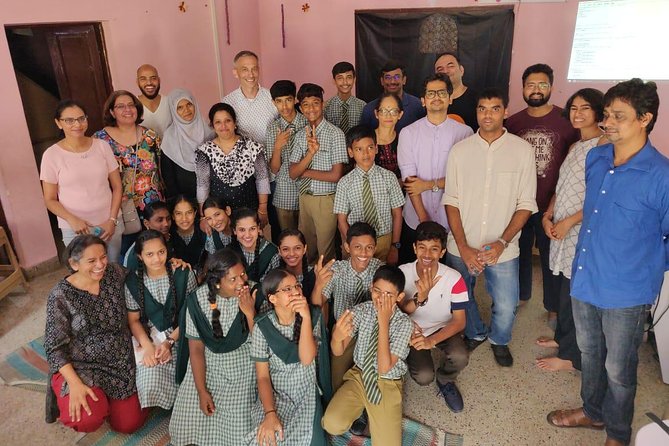
- Guides Ashif and Dia (and the broader Swabhimaan team) tell the story with firsthand familiarity.
- Swabhimaan community center visits put tuition and after-school support in front of you, not just explained from a distance.
- Swabhimaan clinic stop shows low-cost, practical healthcare (medicines distributed at Rs. 10 per visit).
- You meet students at a local school project, where curiosity and conversation are part of the experience.
- Water-bottle refills are encouraged, which helps you stay comfortable on a 1.5–2 hour walk.
First impressions: a 9:00am start in Koramangala, with a small-group feel
This tour starts at 9:00am, meeting at the Regional Passport Office on 80 Feet Rd in Koramangala (Koramangala 8th Block). The ending point is back at the same place, so you’re not dealing with a complicated “now get yourself home” finish.
You’ll be in a group of up to 6 people, which matters more than you might think. In a small group, the guide can steer the pace, answer questions, and keep the visit respectful and practical instead of turning it into a rushed photo stop.
You can also read our reviews of more guided tours in Bangalore



Why this walk through Ejipura feels different
Ejipura is described as one of Bengaluru’s largest slum areas. The reality on the ground includes poor infrastructure, fast-moving urban change, and the pressure of large-scale migration. That’s the backdrop—but the point of the tour isn’t shock value.
What makes this experience stand out is the way it frames hardship alongside ingenuity and perseverance. You don’t just get to see conditions; you see programs that try to help people move forward in ways they can sustain. The tour also says proceeds are returned to the community, so it’s aimed at support rather than extractive sightseeing.
And yes, it can be emotionally intense. Not because you’re being pushed into pity, but because you’ll be close enough to understand what daily life looks like when resources are limited.
Walking focus: what you’ll actually see on the Ejipura route
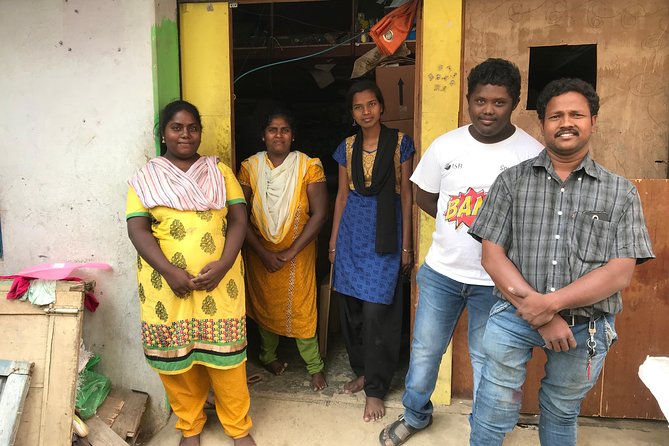
Even though the walk is short—about 1.5 to 2 hours—it packs in meaningful stops. You start by going into Ejipura with your guide, who is familiar with the area and its social fabric. Expect the tour to include street-level context, like how the neighborhood has adapted around missing infrastructure and how people organize around school, health, and small enterprise.
The route also includes pauses at local businesses that have managed to keep going despite setbacks. That part is valuable because it nudges you away from a single story of “lack” and toward a more honest mix of struggle and initiative.
Stop 1: Ejipura and the Swabhimaan community center
Your first main stop centers on Swabhimaan’s community presence in the neighborhood. The community center is described as a place where children of different ages come for curricular tuitions and after-school programs.
Here’s what I’d pay attention to, if you’re doing this tour: how the center functions like a daily support system. Instead of only speaking about education in theory, you’ll see it as a schedule and a routine—teachers and volunteers working with kids, not just handing out help for an hour.
You’ll get a chance to meet the teachers and volunteers and hear about their efforts to improve student performance. In a slum tour, that’s the difference between watching people “endure” and seeing people learn, practice, and grow with steady support.
School visit: meeting students and seeing curiosity up close
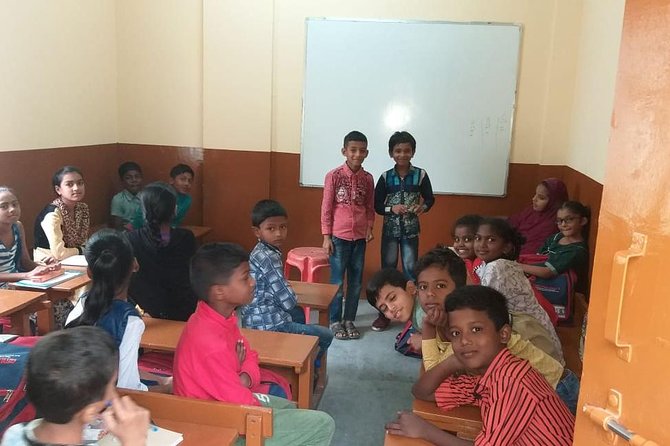
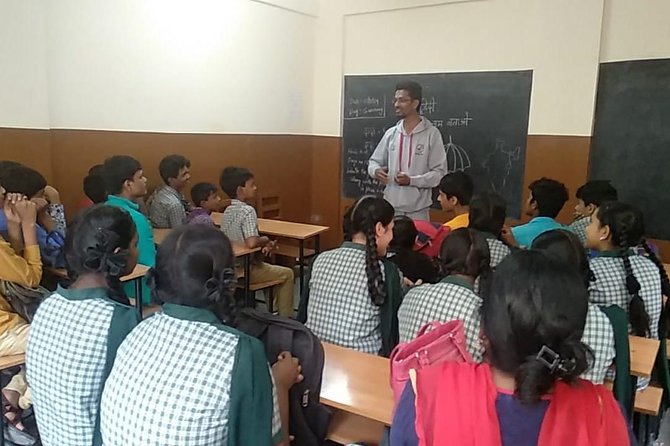
One of the most memorable parts of this experience is the visit to a local school project, where you’ll spend time with students from different classes. The tour description and the guide approach emphasize real conversation, not a staged performance for visitors.
You can expect a mix of questions going both directions—kids are curious, and the guides’ role is to keep the interaction comfortable and respectful. If you like learning about education systems in a hands-on way, this is the moment that turns abstract statistics into human faces and real voices.
This is also where the “no patronizing” tone becomes noticeable. The goal isn’t to make kids into a lesson for you; it’s to let you witness the work and the energy around learning.




Swabhimaan clinic: low-cost care in a place that needs it
Another key stop is the Swabhimaan Clinic. The tour notes that doctors consult and distribute medicines at an all-inclusive price of Rs. 10 per visit (about 12 cents). Even if you don’t fully understand the full clinical process in a short visit, the meaning is clear: healthcare access is being treated as something practical, repeated, and affordable.
This stop can change how you think about “support.” It’s not only education. It’s health support tied to the same neighborhood network. When you see a clinic described with a simple price, you understand the larger goal: keeping care within reach for people who otherwise might delay or skip it due to cost.
The guides matter: Ashif, Dia, and why the storytelling feels personal
This tour is led by guides who know Ejipura well. Ashif and Dia are specifically mentioned, and they’re described as both generous with information and comfortable discussing the practical realities of slum life and community structure.
I like this format: they don’t just tell you what things look like. They help you understand how communities function—socially and practically—and how organizations like Swabhimaan try to respond to problems with long-term thinking.
You’ll also hear about the broader organization behind the work, including Venkatraman, who is described as meeting the group at the start. That kind of founder-level involvement often signals the projects aren’t just “programs,” but ongoing commitments.
Price and value: what $30.34 buys (and what it doesn’t)
The tour costs $30.34 per person, and it’s typically booked about 17 days in advance on average. For a 1.5–2 hour guided walk, it might sound like a high price if you’re only comparing it to a typical city stroll. But this isn’t a sightseeing walk.
You’re paying for:
- a small-group experience (max 6),
- guided access to community institutions (center, clinic, school project),
- time with people who can explain how the neighborhood works,
- and the tour’s stated aim that proceeds are returned to the community.
What it doesn’t promise is comfort. This is a neighborhood walk, not a polished museum tour. Your value is in the authenticity and the chance to meet the systems—education and healthcare—up close.
If you want a “one activity” choice for Bengaluru that’s meaningful and not generic, this fits that role better than most.
What to bring and how to handle the walk comfortably
The tour encourages you to bring a water bottle to refill along the way. I’d take that seriously. Even on a shorter walk, you’re spending time outdoors and moving through a neighborhood environment.
For clothing, the data doesn’t give a specific dress code, so use common sense:
- wear comfortable walking shoes you don’t mind getting scuffed,
- dress for morning temperatures in Bengaluru,
- and plan for basic street-level conditions.
The tour also states it requires good weather. If it’s canceled due to poor weather, you’ll be offered a different date or a full refund.
Getting there: near public transport, but still plan for morning timing
The meeting point is in Koramangala, and the tour says it’s near public transportation. Still, you’ll start at 9:00am, so give yourself a buffer to arrive calmly. In practical terms, being early makes you less rushed and more able to settle into the guide’s rhythm from the first stop.
Also note this: you’ll use a mobile ticket, so make sure your phone has access to your booking details.
Who this tour is for (and who should think twice)
This experience is a good match if you want to understand Bengaluru through real neighborhood systems: education, healthcare, and local resilience. If you like meeting people, asking questions, and learning how communities organize around survival and improvement, you’ll probably feel engaged the whole time.
It may not be the best fit if you’re expecting a light, carefree walking tour. The Ejipura setting includes difficult realities, and the visit to the school and clinic can be emotionally heavy in a good, human way—but it’s still not a “skip your feelings” kind of activity.
The good news: the tour format emphasizes respectful guidance, and the small group size helps keep the atmosphere thoughtful.
Should you book this Ejipura Slum Walk with Bengaluru Lights?
If you’re choosing one meaningful cultural activity in Bengaluru, I’d seriously consider booking this. The combo of Swabhimaan community work, the clinic stop with low-cost care, and the school visit makes it more than a surface-level look at poverty. It’s a short tour that shows how support networks actually function in daily life.
Book it especially if you care about learning with context. This experience isn’t just “see conditions.” It’s “see responses,” led by people who know the neighborhood, including guides like Ashif and Dia and leaders connected to Venkatraman and Swabhimaan.
One final check before you go: choose a day with good weather, wear practical shoes, and go in with an attitude of respect. If you do that, you’ll come away with a clearer picture of Bengaluru—and a better understanding of how hope takes real form in hard places.
FAQ
How much does the Ejipura slum walk cost?
It costs $30.34 per person.
How long is the guided walk?
The experience runs about 1 hour 30 minutes to 2 hours.
What time does the tour start, and where do I meet?
It starts at 9:00am. You meet at the Regional Passport Office (WJW9+9MJ, 80 Feet Rd, Koramangala 8th Block, Koramangala, Bengaluru, Karnataka 560095).
What’s the group size?
The tour has a maximum of 6 travelers.
Do I get a mobile ticket?
Yes. The experience uses a mobile ticket.
What should I bring?
Bring a water bottle so you can refill along the way.
What stops are included during the tour?
You’ll visit Ejipura and stop at Swabhimaan’s community center, Swabhimaan’s clinic, and a local school project. The tour also includes stops at local businesses.
What if I need to cancel, or if the weather is bad?
Cancellation is free. You can cancel up to 24 hours in advance for a full refund, and if poor weather causes cancellation, you’ll be offered a different date or a full refund.