REVIEW · BANGALORE
Traditional Gowda Cooking Class and Meal in a Bangalore Home
Book on Viator →Operated by Traveling Spoon · Bookable on Viator
Bangalore tastes different when it’s family-made. In Archana’s home, you get a hands-on cooking class and then eat a banana-leaf meal built from what you just made, not a restaurant version.
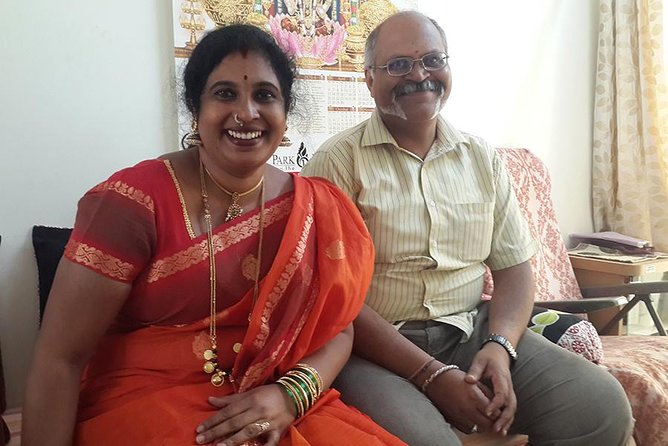
I love that Archana is a 5th-generation Bangalorean and shares family methods and stories while you cook, including a walk to the rooftop garden for herbs. One thing to plan for: there’s no hotel pickup/drop-off, so you’ll need to handle getting to Rajajinagar on your own.
In This Review
- Key things to look forward to
- Why This Gowda Class Feels Like Dinner With a Family
- The 3-Hour Flow: Paanaka Sips to Banana-Leaf Plates
- What You’ll Cook: Bisi Bele Huli, Ragi Mudde, Holige, and More
- Archana’s Home Touches: Rooftop Herbs and Family-Style Hospitality
- Vegetarian Option and Meat Dishes: Plan Your Plate
- Price and Value: What $74 Buys You in Bangalore
- Practical Tips: How to Have a Smooth, Hungry Visit
- Who Should Book This Bangalore Home Cooking Lesson
- Should You Book This Cooking Class in Archana’s Home?
- FAQ
- How long is the traditional Gowda cooking class?
- What kinds of dishes will I cook?
- Is a full meal included?
- What do you eat before cooking?
- Is there a vegetarian option?
- Where does the experience start and end?
- Do I need hotel pickup?
- When should I book?
- What is the cancellation policy?
Key things to look forward to
- A true in-home setting where you learn cooking rhythms from a Bangalore family, not a demo kitchen
- Rooftop garden herb time that connects the flavors to everyday home growing
- Build-your-meal structure: starters + 2–3 cooked dishes + dessert and beverages
- Classic Gowda dishes you can name and repeat at home (bisi bele huli anna, ragi mudde, holige, and more)
- Private class feel since only your group participates, with plenty of hands-on help
Why This Gowda Class Feels Like Dinner With a Family
This is the kind of experience that makes Bangalore feel personal. You’re not just learning recipes; you’re getting invited into a working home, where meals are part of daily life and where the chef-instructor (Archana) can explain why certain ingredients and textures matter.
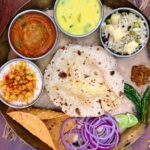
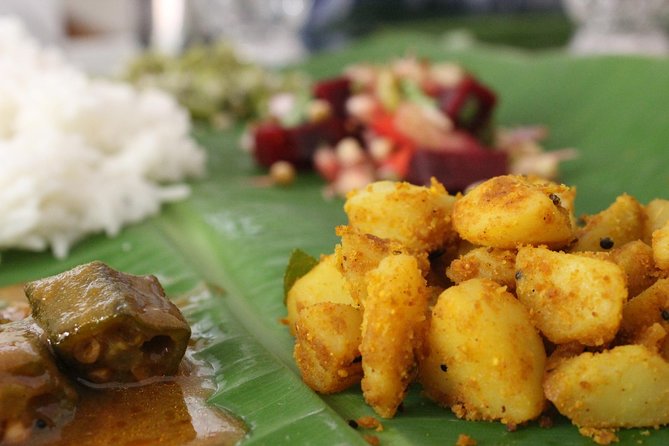
Two things make it work especially well. First, you get real hands-on help during a private class, so you’re actively doing the shaping, mixing, stuffing, and cooking—not standing on the sidelines. Second, you eat like a local family: the meal is served on a banana leaf, and you sit on the floor as you go through starters, mains, and sweets.
Is it for everyone? If you hate sitting on the floor for a meal, or you want a fast, scripted tour, this may feel too homey and slow-paced. Otherwise, it’s a fantastic way to understand Karnataka food culture in a way no menu reading can match.
You can also read our reviews of more cooking classes in Bangalore
The 3-Hour Flow: Paanaka Sips to Banana-Leaf Plates
The whole experience runs about 3 hours, and the structure is clear from the start. You begin in Rajajinagar (Bengaluru), then settle into the home schedule. From there, the day is paced like a family afternoon: drink, snacks, cooking, then a long sit-down meal.
Here’s how the timing tends to feel in practice:
- You’ll start with a welcome drink of paanaka, a sweet lemon-based lemonade. It’s a nice warm-up when you’re about to start tasting and chopping.
- You’ll snack while you get oriented, with a spread of South Indian starter foods. You might see things like kosambari (lentil salad), neruli bajji (fried onion fritters), and crisp bites such as nippat, chakli, or usli.
- Then comes the main work: cooking 2–3 traditional Gowda dishes with guidance, step by step.
- Finally, you eat what you cooked as part of a full traditional meal, served on banana leaf with appetizers, dessert, and beverages.
The best part is that the meal doesn’t feel like a separate event. The cooking and the dining are connected, so your brain stays engaged the whole time. When you taste a dish right after making it, you actually remember what changed and why.
What You’ll Cook: Bisi Bele Huli, Ragi Mudde, Holige, and More
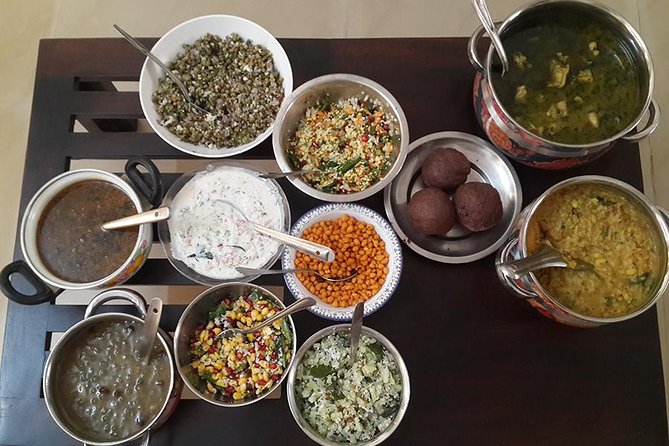
The menu here isn’t random. It’s built around classic Gowda and Karnataka flavors—dishes you can recognize even if you’re a first-timer.
You’ll typically cook 2–3 dishes, and the class may include some of these:
- Bisi bele huli anna: a savory combo of rice, vegetables, and lentils
- Ragi mudde: millet flour balls. You’re not just tasting; you’re learning the technique behind shaping and eating ragi in the traditional way
- Holige: a lentil-stuffed flatbread
- Mamsada saaru: stewed mutton (if you choose the non-vegetarian route)
Why this set is such good value: it covers major pillars of regional South Indian eating. Rice + lentils gives you the comfort base. Ragi introduces you to millet-based eating that’s especially tied to rural Karnataka traditions. Holige shows how sweets and savory can sit in the same culinary world through dough and filling.
Even if the exact combo varies, the skills you’ll practice are consistent: mixing spice blends, handling dough, managing texture, and understanding how the main dish fits into the rest of the meal.
Archana’s Home Touches: Rooftop Herbs and Family-Style Hospitality
This experience earns its high rating for one reason: it feels like you’re welcomed into a real home routine.
A standout detail is the rooftop garden moment. In addition to the cooking instruction, you may walk through a rooftop garden area to pick herbs for the meal. That small step changes how you view the food. Instead of thinking spices are just packets, you start treating them like ingredients grown and chosen by daily habit.
You’ll also likely get greeted warmly in a calm residential setting. One note from past participants: Archana is joined by her husband, Rajesh, and the family atmosphere helps the first minutes feel relaxed instead of performative. You’re encouraged to ask questions, and conversations tend to flow naturally around heritage and how recipes get passed down.
That family context matters. Recipes are not just instructions here. They come with meaning—what’s eaten, how it’s timed, and how the household thinks about hospitality.
Vegetarian Option and Meat Dishes: Plan Your Plate
Food here is flexible, but not magical. You can get a vegetarian option if you request it when booking, and you can also share dietary requirements in advance.
That matters because some of the listed dishes include meat, especially mamsada saaru (stewed mutton). If you prefer to avoid meat entirely, request the vegetarian route early so the cooking plan matches your needs.
Also keep an eye on the meal format. You’ll be served multiple courses on banana leaf, with starters, main dishes, and dessert. If you have allergies or restrictions beyond vegetarian preferences, say so clearly when you book. The experience is about cooking a full family-style meal, so your needs should be sorted upfront.
You can also read our reviews of more tours and experiences in Bangalore
Price and Value: What $74 Buys You in Bangalore
At $74 per person for about 3 hours, this isn’t a bargain like a quick street snack. But it also isn’t overpriced for what you’re getting.
Here’s what you’re really paying for:
- A private cooking class in someone’s home (only your group participates)
- Guidance and hands-on help while you make 2–3 traditional dishes
- A full home-cooked South Indian meal, with starters, dessert, and beverages
- Cultural context around Gowda and Bangalore family food habits
When you compare this to ticketed museum tours or cooking demos where you just watch, the value swings hard toward this. You’re not just paying for food. You’re paying for direct instruction, plus the chance to sit and eat as part of the home meal.
Also, the experience often gets booked ahead. On average, it’s reserved about 15 days in advance, so if you’re traveling in peak seasons or on popular weekdays, don’t wait until the last minute.
Practical Tips: How to Have a Smooth, Hungry Visit
This is a home-based class, so treat it like visiting dinner—be flexible and ready to get involved.
A few practical pointers:
- Plan to arrive at Rajajinagar. The tour starts there and ends back there.
- Since hotel pickup/drop-off isn’t included, you’ll want your own plan for getting there (taxi, rideshare, or local transit options).
- Wear comfortable clothes. You may be sitting on the floor for the banana-leaf meal.
- Come ready to taste and adjust spice. South Indian dishes often balance tang, heat, and sweetness in a way that can surprise you.
- If you need vegetarian or have dietary requirements, message them during booking. That’s the easiest way to make sure your plate matches your needs.
One more tip: save space for dessert. Gowda sweets are part of the course structure, not an afterthought.
Who Should Book This Bangalore Home Cooking Lesson
This experience fits best if you want more than a food stop.
You’ll love it if:
- You want real cooking instruction and not just eating
- You’re curious about Gowda cuisine and want dishes you can actually recreate
- You like the social part of travel—asking questions, learning how families live, and understanding food in context
- You appreciate a private class where you can get help as you cook
You might skip it if:
- You dislike sitting on the floor for a meal
- You prefer guided tours that move quickly between multiple locations
- You need a lot of English translation beyond what’s offered during a family-led home experience (the class is still supportive, but it’s not described as a multi-guide production)
If you fall into the first group, this is exactly the kind of Bangalore experience that makes your trip feel grounded.
Should You Book This Cooking Class in Archana’s Home?
Yes—if your goal is local food knowledge you can carry home, not just a one-time meal.
This class checks the boxes that matter: hands-on cooking, a full banana-leaf home meal, and a host who shares family practice and heritage. The rooftop herb element adds a rare touch, turning ingredients into something you understand, not just taste.
The only real caution is logistics: no pickup. If you’re comfortable getting yourself to Rajajinagar and you’re good with floor seating for the meal, you’re set.
If you book, do it with your meal preferences in mind. Request vegetarian options (or any dietary needs) early so the cooking plan matches what you want to eat.
FAQ
How long is the traditional Gowda cooking class?
It’s approximately 3 hours total, including cooking and then eating the meal you prepare.
What kinds of dishes will I cook?
You’ll cook 2–3 traditional Gowda dishes. Examples include bisi bele huli anna, ragi mudde, holige, and possibly mamsada saaru depending on the plan.
Is a full meal included?
Yes. After cooking, you’ll sit down to eat a traditional Gowda meal served on a banana leaf, along with starters, dessert, and beverages.
What do you eat before cooking?
You typically start with a welcome drink of paanaka and snack on starter items such as kosambari, neruli bajji, and crisp snacks like nippat, chakli, or usli.
Is there a vegetarian option?
Yes. A vegetarian option is available. You should advise this when booking.
Where does the experience start and end?
It starts at Rajajinagar, Bengaluru, Karnataka, India and ends back at the meeting point.
Do I need hotel pickup?
No. Hotel pickup and drop-off aren’t included, so you’ll need to arrange your own way to Rajajinagar.
When should I book?
On average, this experience is booked about 15 days in advance, so booking earlier is a good idea.
What is the cancellation policy?
You can cancel for a full refund up to 24 hours before the experience starts. If you cancel less than 24 hours before, the amount paid is not refunded.