REVIEW · BANGALORE
Bangalore: Walking Tour of Fort, Palaces, and Market
Book on GetYourGuide →Operated by Yours Truly India · Bookable on GetYourGuide
Old Bangalore can feel like a time machine. This 3-hour walking tour threads together the city’s oldest roots, street-level local life, and big-market sensory overload, with a stop for classic vegetarian South Indian breakfast snacks along the way.
I especially love how the story comes with directions: your guide ties what you see at each stop—fort ruins, market lanes, and Tipu Sultan’s Summer Palace area—back to how Bengaluru was shaped over centuries. I also like the food plan: masala dosa with South Indian filter coffee (or a snack version, depending on start time) keeps the walk practical, not just sightseeing.
One consideration: the KR Market area is crowded and can get even busier on weekends or during festivals. Add sun, spice dust, and temple shoe rules, and you’ll want the right clothing and comfy shoes—or the whole day can feel like a grind.
In This Review
- Key things you’ll notice on this Old Bangalore walk
- Old Bangalore in 3 hours: what makes this walk work
- Getting started at the State Bank of India on Kempegowda Road
- The Fort stop: how Bengaluru’s story changes with each era
- KR Market: the flower market you can smell before you see it
- Breakfast and snack stop: masala dosa and filter coffee, done the local way
- Tipu Sultan’s Summer Palace area: details you can spot from outside
- How the guide turns streets into a story you remember
- What to wear and bring for a temple-and-market day
- Price and value: why $43 for 3 hours can actually make sense
- Who should book this walk (and who might skip it)
- Should you book this Old Bangalore walking tour?
- FAQ
- What’s included in the Bangalore walking tour?
- How long is the tour?
- What does the tour cover?
- What food will I get?
- Where do we meet the guide?
- Do I need to pay entrance fees to monuments?
- What should I bring?
- Is there a dress code?
- Is the guide English-speaking and is this a small group?
- What’s the cancellation policy?
Key things you’ll notice on this Old Bangalore walk
- A real local pace: narrow lanes, market crowds, and constant street scenes—handled with help from your guide
- Fort + rulers’ layers: you’ll connect Bengaluru’s origins to Mysore rulers and the British, right where you’re standing
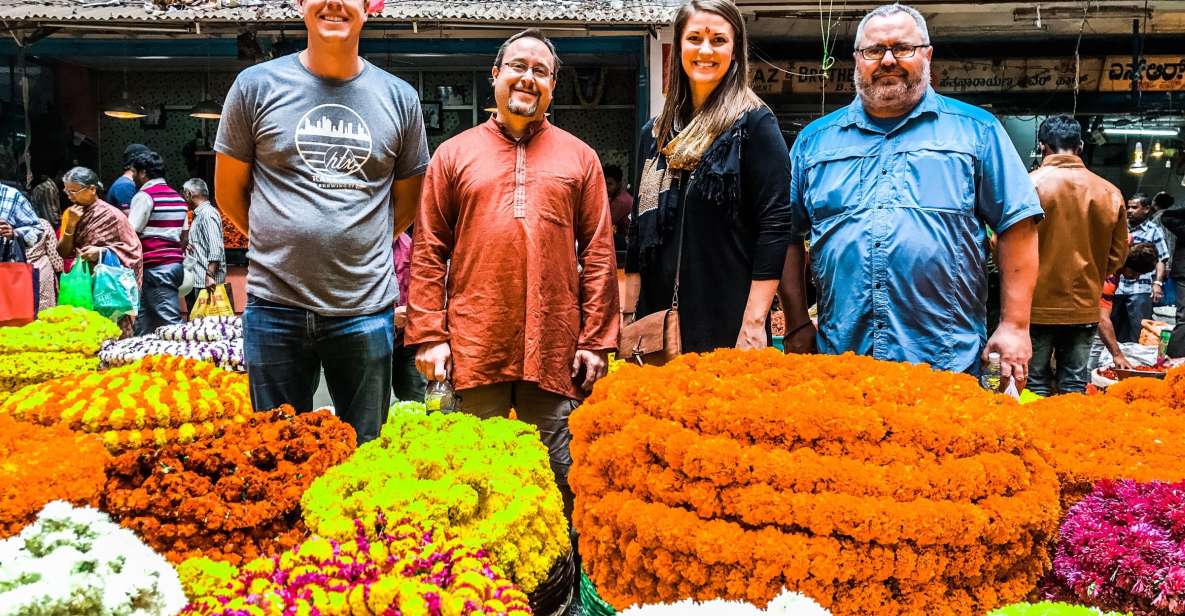
- KR Market flower chaos (the good kind): Asia’s largest flower market feel, with colors and smells you can’t fake
- South Indian vegetarian breakfast/snacks: masala dosa and filter coffee as a built-in break
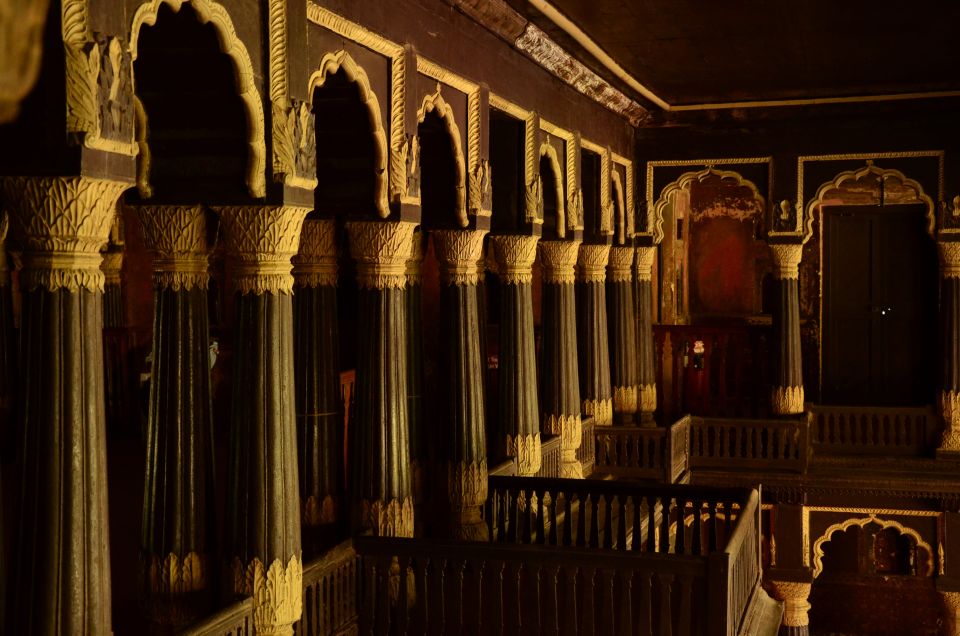
- Tipu Sultan’s Summer Palace details from outside: teak wood columns and Indo-Islamic influence on frescoes
- Small group size: limited to 10 participants, so you can actually hear and ask questions
Old Bangalore in 3 hours: what makes this walk work
Bangalore (Bengaluru) is famous for tech, but Old Bangalore is where the city’s pulse runs older and louder. This tour is built for people who want more than a photo stop. You walk through the oldest parts of the city while your guide connects street corners to political shifts, local daily routines, and food culture.
The timing is tight in a good way. Three hours is long enough to cover Fort-area history, one major market zone, and Tipu Sultan’s Summer Palace area—without burning your whole day. For first-time visitors, it’s also a smart way to understand how the city’s neighborhoods “make sense,” since you’re seeing how the lanes, markets, and landmarks relate to each other.
You can also read our reviews of more walking tours in Bangalore

Getting started at the State Bank of India on Kempegowda Road
You meet your guide at the Entrance Gate of a building near the State Bank of India on Kempegowda Road. It’s an easy reference point if you’re coming by Uber taxi or public transport, which matters because Old Bangalore streets can turn chaotic fast.
Here’s how to make the first 15 minutes go smoothly:
- Arrive a few minutes early so you’re not hunting in a crowd.
- Have your water bottle ready, not somewhere deep in a bag.
- Expect quick walking turns right away—this isn’t a sit-and-watch tour.
If you’re the type who likes a plan, you’ll appreciate how the guide uses the walk to set context immediately. You start learning the origins of Bengaluru before you’ve even finished your first market street turn.
The Fort stop: how Bengaluru’s story changes with each era
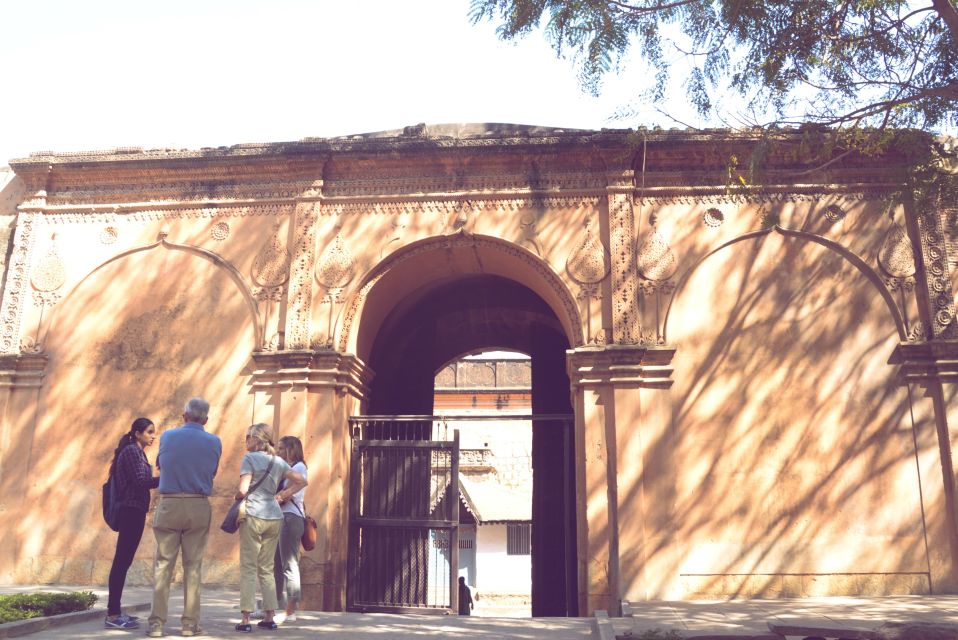
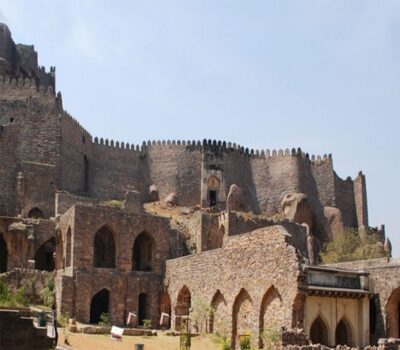
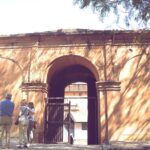
The tour’s Fort segment is where history starts to feel physical. You visit the ruins of the Bangalore Fort, built in the 1700s, and you hear about the glory days of the South rulers—plus how Mysore rulers and the British influenced the region.
Why that works so well on foot: you’re not reading dates in a museum. You’re standing in the area and getting the “why” behind the city’s layout and identity. Fort history in India can be complicated, because power shifts, dynasties, and colonial presence all overlap. A good local guide turns that noise into a simple line you can follow as you walk.
What I’d watch for here is the pacing. Fort ruins are easy to breeze past if your only goal is photos. On this tour, you’ll get references to old photographs and sketches, which help you understand what the place may have looked like when it was intact. It also keeps your eyes open for small cues you might otherwise miss.
KR Market: the flower market you can smell before you see it
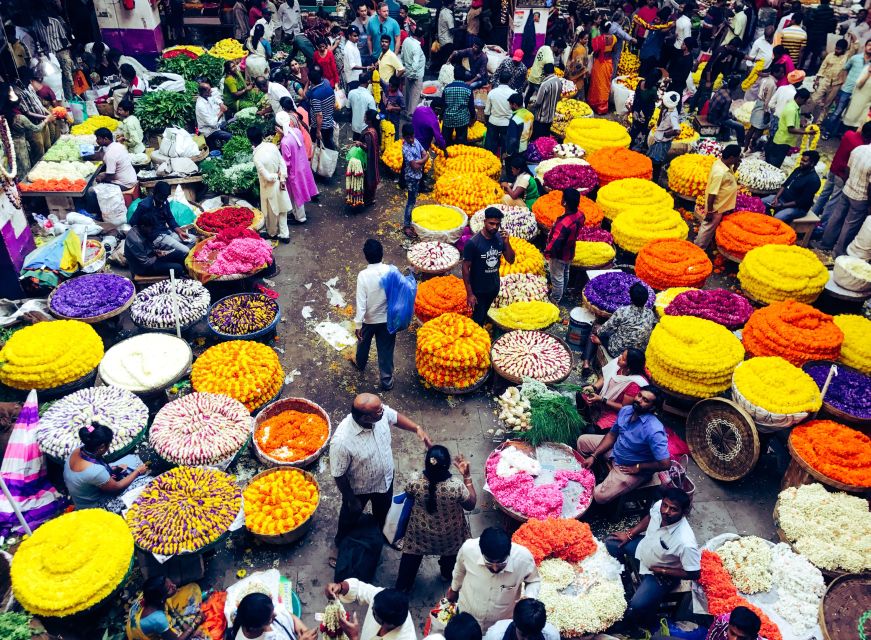
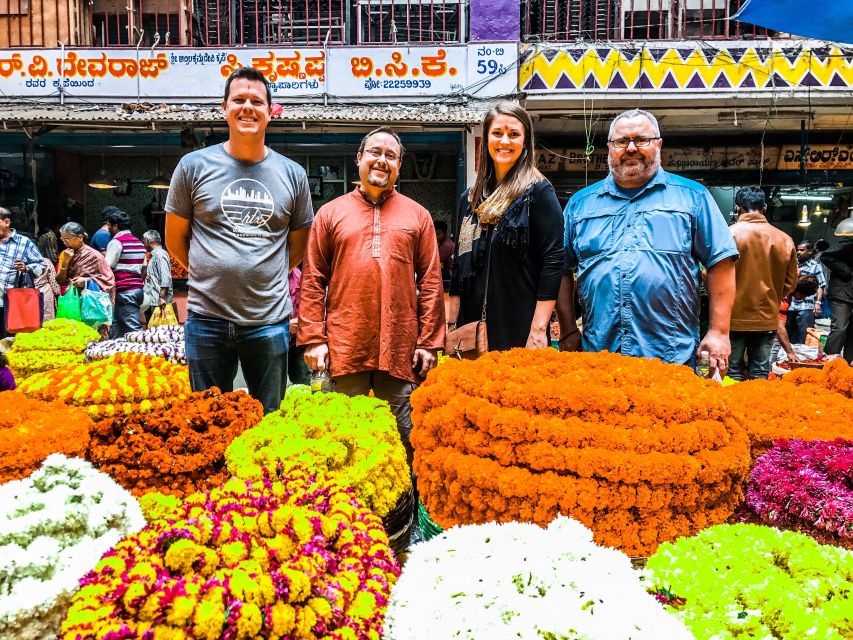
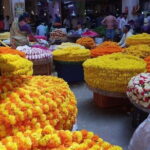
Then comes KR Market, described as the largest flower market in Asia. Even if you’ve seen big markets elsewhere, this one hits different because flowers aren’t just decoration here—they’re part of the city’s daily supply chain and seasonal rituals.
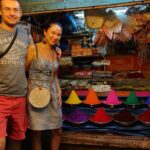
In practice, your guide helps you navigate the crowds and narrow lanes so you’re not stuck doing the tourist version of market navigation (slow shuffling, wrong turn, instant regret). You’ll walk through busy market areas and take in the colors and fresh produce. The sensory part is real: perfume-like flower smells, spiced market air, and lots of people doing everyday work, not just posing for cameras.
Two practical tips that make this stop better:
- Carry a mask if you’re sensitive to spices or dust. The route passes through market zones where this can matter.
- Keep your phone ready for photos, but also keep your eyes up for how vendors arrange flowers and goods. It’s part of the visual story.
Breakfast and snack stop: masala dosa and filter coffee, done the local way
A big reason this walk feels worth it is the built-in vegetarian food. Depending on your start time, you’ll get an authentic South Indian breakfast or snack—typically masala dosa plus South Indian filter coffee.
This matters for value. You’re paying for a guided walk and a real eating stop, not just a quick roadside bite that leaves you hungry an hour later. Masala dosa is filling without being heavy, and filter coffee is a good reset after you’ve been under sun and in crowds.
When you’re ordering, don’t overthink it. You’re there for the basics done right: dosa with masala filling and coffee served in the South Indian style. It’s also a nice moment to slow down and chat with your guide about life in Bengaluru.
You can also read our reviews of more shopping tours in Bangalore

Tipu Sultan’s Summer Palace area: details you can spot from outside
The final landmark is outside the Summer Palace of Tipu Sultan. Important detail: the walk ends outside, so you don’t automatically pay entrance fees to go in. But if you choose to step inside, there’s an entrance fee of 250 Rupees per person.
Even from outside, the area is visually worth your time. You’ll be looking at teak wood columns and getting an explanation of Indo-Islamic influence on the frescoes. That blend of styles is exactly the kind of thing that’s easy to miss if you’re just passing by. With a guide, you know what to look for—patterning, material choices, and design influences.
Practical consideration: this spot can be calmer than the market, but you’ll still want to keep your pace. You’ll be finishing the tour with help booking a taxi or finding public transport back to where you’re going.
How the guide turns streets into a story you remember
This tour is powered by the guide. The company runs it as a live English-language small-group walk, limited to 10 participants, which makes a difference when you’re navigating crowds. A small group means you can hear explanations, ask questions, and avoid that stretched-out line where everyone gets lost.
You’ll also notice the guide’s storytelling style. Guides tied to this experience—names like Deepti, Sushma, Ruchira, and Aniketh show up for past departures—often connect the landmarks to personal stories of life in the city. That connection is what makes “history” stick. Instead of facts floating around, you get how people lived, what they ate, and why certain markets exist.
The best part for me is that the guide doesn’t treat the walk like a checklist. You’re constantly moving, but the narrative gives you a mental map. By the end, you’re not only aware of Fort ruins and a flower market—you understand the city’s layering.
What to wear and bring for a temple-and-market day
Old Bangalore is a working city. That means you need to dress and pack for real street conditions, not just comfort.
Bring:
- Comfortable shoes (you’ll do a fair amount of walking)
- Water bottle
- Umbrella and sunglasses for sun and weather changes
- A mask if you’re passing through spice-heavy market air and prefer extra protection
Wear:
- Modest clothes that cover your knees and shoulders
Also plan for footwear rules: you’ll need to take your footwear off in temples or places of worship.
One more crowd note: the market area tends to get busier during festivals and on weekends. If you’re sensitive to tightly packed spaces, consider picking a weekday start time if you have that flexibility.
Price and value: why $43 for 3 hours can actually make sense
At $43 per person for a 3-hour small-group walking tour, you’re paying for four things that usually cost more if done separately: a guide, market navigation, a structured route through key Old Bangalore sights, and a vegetarian breakfast/snack stop.
If you tried to DIY this, you’d likely spend extra time figuring out where the Fort-area stories connect, how to move through the market without getting turned around, and which places are worth your attention. A good local guide compresses that learning curve into your limited time.
You’ll also want to budget for optional monument entry. The Summer Palace interior has a 250 Rupees per person fee if you choose to go inside; the tour itself ends outside, and entrances fees are not included in the base price.
Bottom line: this is good value when you want a guided experience that feeds you. If you prefer total freedom and you’re comfortable navigating crowds alone, then it may not be worth it.
Who should book this walk (and who might skip it)
I think this is a great fit for:
- First-time visitors who want a fast, organized taste of Old Bangalore
- Food lovers who want a proper South Indian vegetarian breakfast/snack, not just snacks on the go
- People who enjoy market culture and don’t mind crowds if they’re moving with a plan
- Anyone who likes history explained in plain language while walking real streets
I’d skip it if:
- You’re pregnant (the tour is listed as not suitable)
- You have mobility limits that make sustained walking or crowded market navigation difficult
- You strongly dislike busy market environments, especially on weekends or festival periods
Should you book this Old Bangalore walking tour?
Yes, you should book it if you want three hours that actually change how you understand Bangalore. The combo of Fort-area context, KR Market sensory time, and a real masala dosa + filter coffee break is hard to replicate solo without wasting hours.
I’d book with confidence if:
- You’re okay wearing modest clothes and doing temple-style shoe rules.
- You can handle a crowded market zone.
- You want a local guide to connect the city’s origins and cultural layers to what you see in real time.
If you’d rather avoid crowds and prefer quiet sights, then pick another kind of Bangalore day. But if you want the city’s oldest streets, markets, and palace influences in one tight loop, this walk is a smart use of your time.
FAQ
What’s included in the Bangalore walking tour?
The tour includes a guided walk plus a vegetarian South Indian breakfast or snacks.
How long is the tour?
It’s about 3 hours.
What does the tour cover?
You’ll learn about Bengaluru’s origins around the Fort and Summer Palace area, visit KR Market, and finish outside the Summer Palace of Tipu Sultan.
What food will I get?
Depending on the start time, you’ll get masala dosa and South Indian filter coffee, or a South Indian breakfast/snack version.
Where do we meet the guide?
Please meet at the Entrance Gate of the building near the State Bank of India on Kempegowda Road.
Do I need to pay entrance fees to monuments?
Entrances fees are not included. There is an entrance fee of 250 Rupees per person if you choose to go inside the Summer Palace (the tour ends outside).
What should I bring?
Bring comfortable shoes and a water bottle. An umbrella and sunglasses are also recommended.
Is there a dress code?
Yes. Please wear modest clothes that cover your knees and shoulders.
Is the guide English-speaking and is this a small group?
Yes. The guide is live and the tour is limited to 10 participants.
What’s the cancellation policy?
Free cancellation is available up to 24 hours in advance for a full refund.