REVIEW · CHENNAI
Private South Indian Tamil Cooking Class in Chennai with Srividya
Book on Viator →Operated by Traveling Spoon · Bookable on Viator
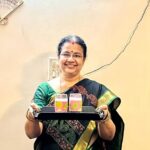
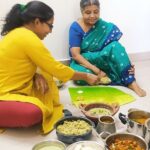
Tamil home cooking comes with a family table. This private South Indian Tamil cooking class in Chennai turns 2–3 dishes into a real lesson on Tamil flavors and the everyday routines behind them. You cook alongside Srividya in her home kitchen, then sit down for the meal together.
One thing to think about: this is a guided home lesson more than a fully DIY cooking bootcamp. If you expect to do every step with zero teaching, you may feel slightly less hands-on than you hoped, even though the result and hospitality are strong.
In This Review
- Key highlights worth your time
- Chennai’s home-kitchen start: T Nagar meetup and getting there
- The 3-hour flow: from spice talk to sitting down together
- What you’ll cook: Tamil staples like dosa, idli, and curry
- Dosas: the crispy crepe lesson
- Idlis: the soft, savory cake
- Curries and rice: building flavor in layers
- Kozhukattai: dumplings with a regional twist
- Tamarind rice or curd rice, plus mango pickle
- Spice and technique: mustard seeds, coconut, and black pepper
- Eating at the table: shared meal with Srividya’s family
- Vegetarian focus, dietary notes, and what to tell Srividya
- Price and value: is $46 per person fair?
- Logistics you should plan for: timing, no pickup, and meeting point clarity
- Who should book this Tamil cooking class, and who might skip it
- Should you book Srividya’s Chennai cooking class?
- FAQ
- How long is the private South Indian Tamil cooking class?
- Is this a private experience?
- What dishes will I learn to make?
- Is lunch or dinner included?
- Are the dishes vegetarian?
- Do I need hotel pickup and drop-off?
- What is the cancellation policy?
Key highlights worth your time
- Cook 2–3 South Indian Tamil dishes: the goal is practical learning, not just watching.
- Tamil kitchen basics you can use again: mustard seeds, coconut, and black pepper show up in the way things are built.
- Lunch or dinner option: you’ll end with the meal at the table, timed to your preference.
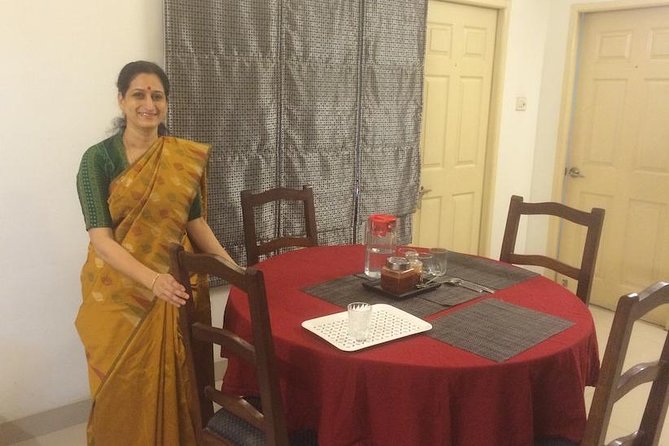
- Family-style dining in a home: you share the food with Srividya and her family for a genuine Chennai feel.
- Clear dietary communication helps: you can advise dietary requirements at booking.
Chennai’s home-kitchen start: T Nagar meetup and getting there
This experience is anchored in a real residential setting in Chennai, with the meeting point listed in T Nagar near public transportation (Arcus – Appaswamy Real Estates Ltd, New No 21, 9, Giri Rd, Satyamurthy Nagar). The end point is back at the same meeting point, so you’re not bounced around the city.
What you get from this setup is simple: less transit time, more time with the person teaching you. No hotel pickup is included, so plan on arriving on your own. If you’re staying somewhere else in Chennai, give yourself a little buffer for local travel time.
Also note the “mobile ticket” detail. That usually means less paperwork and fewer last-minute hassles. For a cooking class, that matters: you want to walk in focused on food, not logistics.
The neighborhood choice is part of the authenticity. You’re not heading to a staged “tour kitchen.” You’re stepping into Srividya’s day-to-day rhythm, which is exactly what makes cooking lessons like this feel different from restaurant demos.
You can also read our reviews of more private tours in Chennai



The 3-hour flow: from spice talk to sitting down together
The class runs about 3 hours and is private for your group. That privacy matters here because the session is conversation-led as much as it is technique-led. You’re not just following a rigid script. Srividya is there to explain the cooking traditions and the logic behind the flavors as you prepare your dishes.
In broad terms, expect:
- A start in the home kitchen where you begin cooking from scratch
- Time spent learning and making 2–3 dishes, then finishing up for the meal
- A shared dining moment where you eat what you prepared alongside Srividya and her family
Because there’s no fixed public “audience,” you get a more personal pace. Some parts will feel like you’re learning by doing. Other parts may feel like guided coaching while Srividya demonstrates. One reviewer experience specifically noted that it wasn’t super hands-on in every moment. So if your ideal class is 100% knife-in-hand for every step, go in with realistic expectations.
What does that mean for you? It means you’ll likely come away with a clearer understanding of how Tamil cooking is assembled: spice additions, texture choices, and the sequence that keeps things from going sideways. And then you’ll taste the final plate in the same home setting where the lessons happen.
What you’ll cook: Tamil staples like dosa, idli, and curry
The core promise is straightforward: you’ll prepare 2–3 South Indian Tamilian dishes from scratch. The examples given are classic Tamil comfort foods, and they’re also perfect training dishes because each one teaches a different kind of skill.
Dosas: the crispy crepe lesson
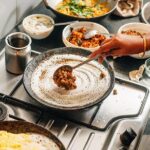
Dosas are mentioned as South Indian-style crispy crepes. They’re not just a dish you eat; they’re a discipline. You learn that batter behavior, heat control, and spread technique matter. Even if you’re not chasing perfection like a lifelong tawa artist, you should leave understanding the basic logic of how dosas get their texture.
Idlis: the soft, savory cake
Idlis are described as fluffy, savory cakes. These teach a different set of instincts: fermentation-like care (as applicable) and the expectation that results depend on texture rather than browning alone. It’s a good counterpoint to the crispness of dosa.
You can also read our reviews of more cooking classes in Chennai
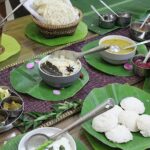
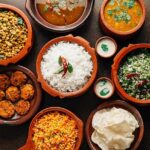
Curries and rice: building flavor in layers
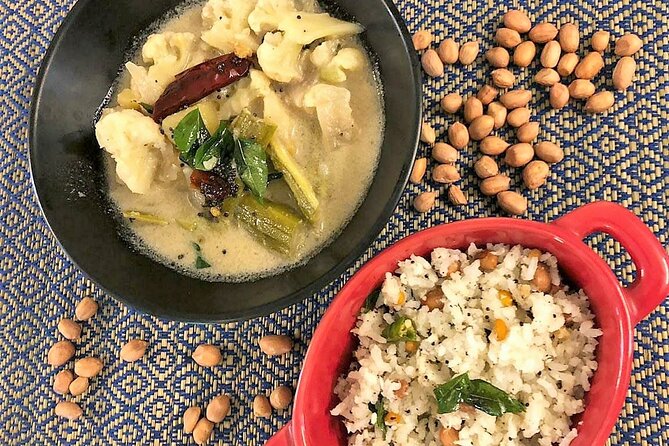
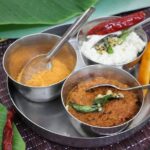
Traditional curries and rice show up as part of what you may cook and what you may taste. You’ll use spices such as mustard seeds, coconut, and black pepper as you cook. That trio matters because it reflects how Tamil home cooking often balances aroma, heat, and body.
Kozhukattai: dumplings with a regional twist
Kozhukattai is listed as South Indian dumplings made from a variety of flour. This is a nice change from the more familiar dosa/idli rhythm. If you want variety and you like learning food shapes and methods, kozhukattai adds a lot.
Tamarind rice or curd rice, plus mango pickle
Your meal may include tamarind rice or curd rice, and there’s also mention of homemade mango pickle. This is where the experience becomes more than cooking. These items show how Tamil meals use contrasting tastes—tangy, cooling, and punchy—to make a plate feel complete.
One more helpful point: the lesson focuses on preparing vegetarian dishes (2–3). At the table, you might see seasonal dishes including vegetable curries, and the information also mentions fish curry as a seasonal option. If you have strict dietary rules, tell Srividya at booking so the menu matches your needs.
Spice and technique: mustard seeds, coconut, and black pepper
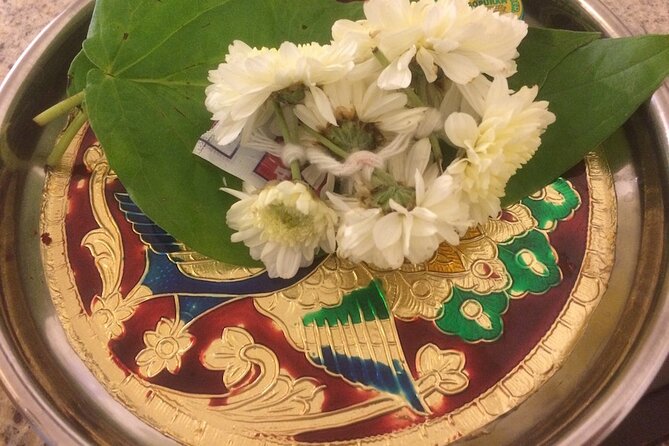
If you’re the type of foodie who wants to actually cook back home, the spice instruction is where the class earns its keep.
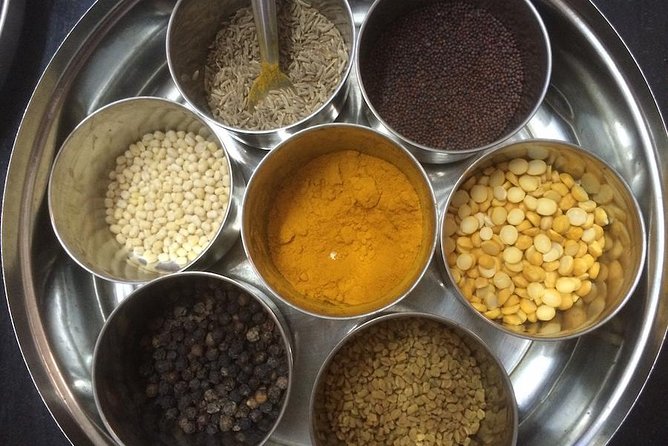
You’re specifically told you’ll learn to cook with spices like mustard seeds, coconut, and black pepper. That’s not random. It points you toward how Tamil cooking often starts with tempering and aromatic base-building, then moves into simmering and finishing flavors.
Here’s what you can take away as a practical mindset:
- Mustard seeds signal the start of a flavor foundation; they pop and perfume the oil or base.
- Coconut often adds body and sweetness, especially in curries and chutney-style preparations.
- Black pepper brings a sharp warmth that cuts through richness and keeps things from tasting flat.
Srividya’s teaching style also leans into explanation—recipes, traditions, and cooking hacks show up in how she shares knowledge. That matters because if you only learn steps without understanding why, you’ll repeat mistakes later. When you understand what each spice is doing, you can adjust for your own ingredients and equipment.
Also pay attention to the way Tamil meals use tangy and creamy counterpoints. Tamarind rice and curd rice are not just side dishes; they’re flavor anchors. Mango pickle adds a punchy, salty-sour hit that makes the rest taste more lively.
Eating at the table: shared meal with Srividya’s family
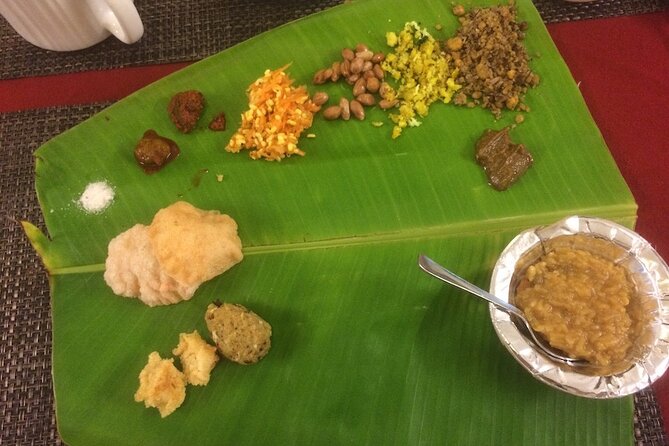
This is one of those tours where the meal is the real ending you remember. You cook, then you eat in the home dining setting with Srividya and her family. That’s not a throwaway detail.
A few practical things to expect from the way the meal is described:
- The meal showcases seasonal dishes and regional Tamil diversity
- It can include items like dosas, idlis, kozhukattai, and rice dishes such as tamarind rice or curd rice
- Homemade mango pickle may be part of the spread
Some guests specifically mention serving on a banana leaf. That’s a meaningful detail. Banana leaf serving is closely tied to everyday South Indian dining and makes the meal feel like part of local routine, not a tourist plating moment.
There’s also mention of a welcome with lime juice in at least one experience. That sort of small hospitality detail can set the tone right away: you’re being treated like a person invited into the house, not like a customer passing through.
Why does this matter for your decision? Because cooking classes are often reduced to technique and then rushed out. Here, the meal is the payoff. You’ll taste the results in the same environment where decisions were made, which helps your brain connect flavor to method.
Vegetarian focus, dietary notes, and what to tell Srividya
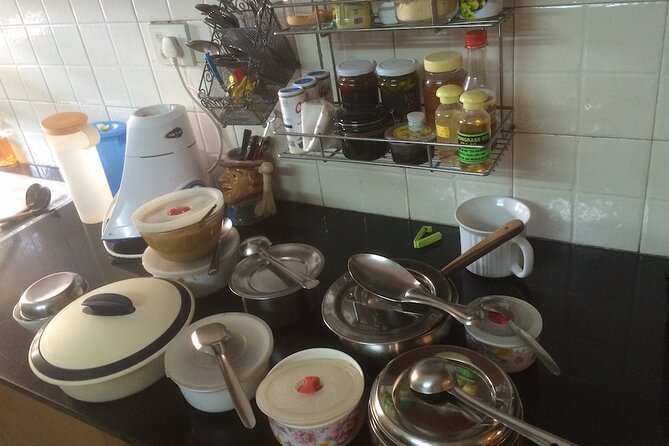
The class is built around preparing vegetarian South Indian Tamil dishes (2–3). That’s great if you want plant-forward comfort foods that still feel fully “South Indian,” not simplified.
At the same time, the menu you taste may include non-vegetarian options such as fish curry because the class aims to reflect seasonal variety. The good news: you can advise specific dietary requirements at booking, so you’re not stuck with a surprise menu.
For practical clarity, send a short note when you book:
- Whether you eat dairy
- Whether you avoid eggs and seafood
- Any allergies or spice limits you want handled
- Whether you want vegan-only dishes (if relevant to you)
This is also where the private format helps. You’re not trying to squeeze your needs into a public group menu. Private doesn’t guarantee perfection for every dietary nuance, but it gives you the best shot at a tailored meal.
Price and value: is $46 per person fair?
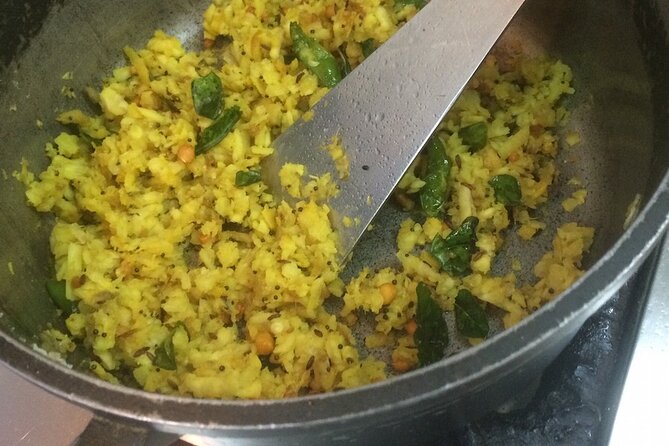
At $46.00 per person for about 3 hours, the price looks pretty reasonable for what’s included. You’re getting:
- A private cooking class in a home kitchen
- A meal cooked and shared at the table
- Learning around Tamil cooking traditions while you cook
Value isn’t only about price. It’s about what you walk away with. Here, you’re not just eating South Indian food. You’re learning a process: which spices are used, how dishes are built, and what a complete Tamil meal looks like on the plate.
Group discounts are listed as a feature. That can help if you’re booking with friends or family. Also, the private nature means you’re not competing with strangers for attention, which is often where cheaper group classes fall short.
Compared to a restaurant meal alone, this is a longer experience with added learning. Compared to paying for an instructor in a commercial cooking school, you’re getting a home setting and family dining element that restaurants can’t replicate.
Logistics you should plan for: timing, no pickup, and meeting point clarity
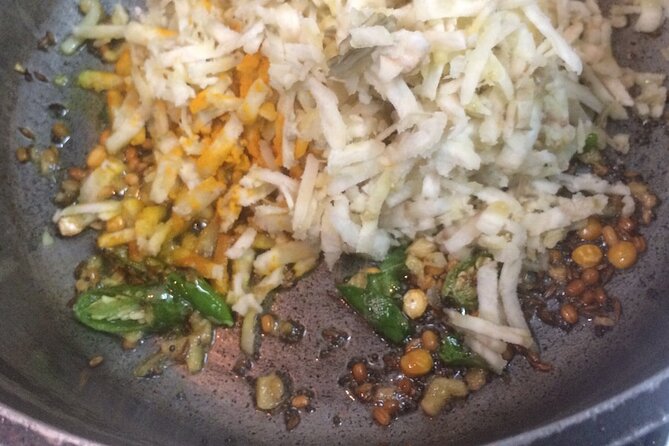
The class offers a choice of time that ends in lunch or dinner, so you can align it with your day in Chennai. That’s useful because the meal is part of the experience. If you hate getting hungry mid-tour, schedule this when you’ll actually be ready to sit down and eat.
No hotel pickup is included, so you’ll want a plan to reach the meeting point in T Nagar. The activity is near public transportation, but it still helps to arrive a few minutes early so you’re not rushing through your arrival.
The start and end both run back to the same meeting point. That simplicity is a win. You’re not dealing with confusing drop-offs or last-mile uncertainty at the end when you’re already full.
If you’re prone to travel delays, keep a cushion in your day. Cooking classes run on food timing, and you’ll feel it if you show up late.
Who should book this Tamil cooking class, and who might skip it
This experience fits best if you:
- Want a South Indian cooking lesson tied to real Tamil traditions
- Like the idea of cooking and then eating with your host and her family
- Prefer vegetarian cooking and want the fundamentals of dosa, idli, rice, and curry style dishes
- Enjoy conversation around recipes, cooking hacks, and how food connects to culture
You might think twice if:
- You want a highly hands-on class where you do every step without guidance
- You need a fully commercial, high-infrastructure experience (this is a family home kitchen)
- You have strict dietary needs that are hard to communicate; you can still try, but send clear instructions at booking
If you’re a foodie who likes authenticity, this is exactly the kind of activity that makes a city feel personal.
Should you book Srividya’s Chennai cooking class?
If you’re looking for a short, high-value food experience in Chennai, I think this is an easy yes—especially if you want Tamil home cooking and you like the idea of sharing a meal with the people teaching you. The private format, the focus on making 2–3 dishes, and the sit-down family dining element combine into an experience that feels more like being invited than being entertained.
Book it if you’re excited to learn core Tamil flavor building—mustard seeds, coconut, black pepper—and you’re ready for a guided class that balances teaching with cooking. Skip or choose another option if you want zero instruction and a fully independent workshop style.
If you book, do one smart thing: message your dietary needs and your taste preferences early. That’s how you get the menu you’ll actually enjoy, right down to the last bite.
FAQ
How long is the private South Indian Tamil cooking class?
It runs for about 3 hours.
Is this a private experience?
Yes. It’s a private tour/activity, so only your group participates.
What dishes will I learn to make?
You’ll prepare 2–3 South Indian Tamilian dishes from scratch. Examples mentioned include curries, dosas, idli, and kozhukattai, plus rice options like tamarind rice or curd rice.
Is lunch or dinner included?
Yes. The class includes a homecooked South Indian meal, and the scheduled time option is described as ending in lunch or dinner.
Are the dishes vegetarian?
The lesson is described as preparing vegetarian dishes (2–3) such as curry, dosas, or idli, and you can advise dietary requirements at booking. The meal spread may include seasonal items, so share your needs clearly.
Do I need hotel pickup and drop-off?
No. Hotel pickup and drop-off are not included. You start and end back at the meeting point.
What is the cancellation policy?
You can cancel for a full refund up to 24 hours in advance of the experience start time. Free cancellation is available up to that deadline.