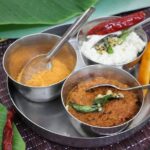
REVIEW · CHENNAI
Traditional Vegetarian Cooking Class in Chennai with Gayathri
Book on Viator →Operated by Traveling Spoon · Bookable on Viator
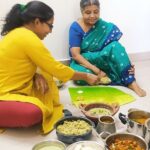
A Chennai kitchen class, run like family. You get a true private home cooking experience with Gayathri, plus practical lessons on medicinal herbs used in a Tamil brahmin kitchen. Beyond the food, the setup is all about local habits: chopping spices, cooking with traditional vessels, and then sharing the meal seated on the floor with your hands.
I really like that you’re not just watching. You’ll learn a specific cooking rhythm—how ingredients work together, how chutneys get built, and how the dishes come together step by step. It’s also a nice value for $48, because you finish with a full homecooked vegetarian meal, not a snack and a pat on the head.
One possible catch: there’s no hotel pickup, and the meal is designed around floor seating and eating with your hands on banana leaves. If either of those would feel like a hardship, you’ll want to plan for it ahead of time.
In This Review
- Key Highlights You’ll Actually Care About
- A Tamil Brahmin Kitchen Lesson in Ramapuram
- What You’ll Cook: One Main, One Side, and Tomato-Onion Chutney
- Medicinal Herbs in a Traditional Tamil Brahmin Kitchen
- Traditional Vessels You Actually Cook With
- How the 1.5-Hour Hands-On Cooking Works
- The Banana-Leaf Meal: Eating What You Made
- Price and Value: Is $48 Fair for a Chennai Home Class?
- Logistics That Matter (Without Making Your Day a Mess)
- Who Should Book This Class (and Who Might Want a Different Option)
- Should You Book Gayathri’s Traditional Vegetarian Cooking Class?
- FAQ
- How long is the cooking class in Chennai?
- Is this experience private?
- What will I learn to cook?
- What kind of meal is included?
- Is hotel pickup and drop-off included?
- Can I cancel and get a refund?
Key Highlights You’ll Actually Care About

- Private, 1:1 style hosting in Gayathri’s home, not a big-group demo
- Hands-on cooking for one main and one side dish (with step-by-step guidance)
- Tamil brahmin kitchen herbs and the traditional thinking behind them
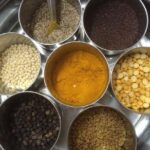
- Traditional cooking tools like soapstone, tin alloy, or terracotta vessels, plus a stone grinder for chutney
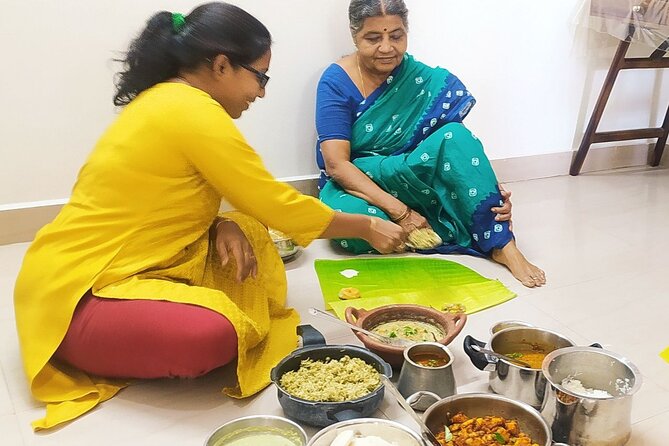
- A banana-leaf meal where you eat what you cooked, floor-seated and with your hands
- Seasonal menu changes, with options to request South Indian breakfast foods
A Tamil Brahmin Kitchen Lesson in Ramapuram
This experience starts in Ramapuram, Chennai, in a local home where vegetarian cooking is the norm. Gayathri grew up learning from her grandmother, who came from Thanjavur—an area known for a proud food culture—so the class feels rooted, not performative.
You’ll be welcomed into a kitchen routine that’s built around everyday choices: how spices are handled, what gets cooked first, and how herbs fit into meals. That matters because South Indian cooking often tastes layered, but the method is usually simple. When you learn the method, you can recreate the flavor later without guessing.
The activity is listed as 3 hours approx., but the truly hands-on portion is about 1.5 hours. That balance is smart: you get enough time to cook, but you also get time to understand what you’re doing and then sit down to eat.
You can also read our reviews of more cooking classes in Chennai

What You’ll Cook: One Main, One Side, and Tomato-Onion Chutney
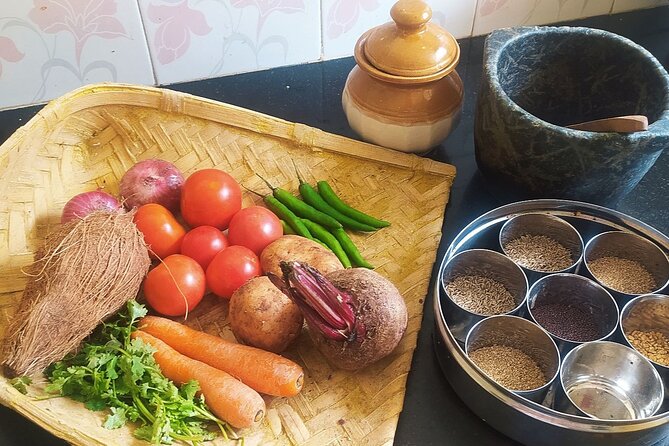
The core promise is straightforward: you’ll learn to cook one main dish and one side dish. The menu can vary by season, so you’re not guaranteed the exact same dishes every day—but the format stays consistent.
Depending on what’s being taught when you go, you may see dishes like sambar (tangy lentil soup), kootu (a lentil-and-vegetable style comfort dish), and poriyal (seasoned stir-fried vegetables). Even if the exact combination differs, the teaching approach is designed to help you understand the “why” behind the flavors—especially spice timing and how vegetables and lentils reach the right texture.
You’ll also make tomato-onion chutney using a traditional stone grinder. That detail isn’t just cultural. Grinding changes texture and mouthfeel. It helps the chutney taste smoother and more integrated, rather than grainy or overly sharp. Once you’ve seen how the ingredients behave with stone-ground paste, it’s easier to replicate the result at home.
If you’re a guest who’d rather have breakfast foods instead of the traditional meal, Gayathri can offer items like dosa, sambar, medu vada, and filter coffee—you just need to say so when booking. That’s a helpful option if you plan your day around mornings or if you want a different South Indian flavor route.
Medicinal Herbs in a Traditional Tamil Brahmin Kitchen
One of the most interesting parts is the herb talk. Gayathri teaches about medicinal herbs used in a traditional Tamil brahmin kitchen. The idea here is practical: herbs aren’t treated like trendy add-ons. They’re part of the cooking logic—used in ways that support digestion, balance flavor, and bring aroma into the final dish.
You don’t need a pharmacy degree to enjoy this section, but you’ll get a sense of how herbs show up in everyday South Indian vegetarian cooking. It also makes the class feel more like culture learning than just recipe learning.
If you pay attention during the herb portion, it can change how you cook later. Even when you’re not using the exact same plant at home, you’ll start thinking about how aromatic herbs and spice blends work together. That’s one reason this class can feel more valuable than a generic “stir these spices” workshop.
Traditional Vessels You Actually Cook With
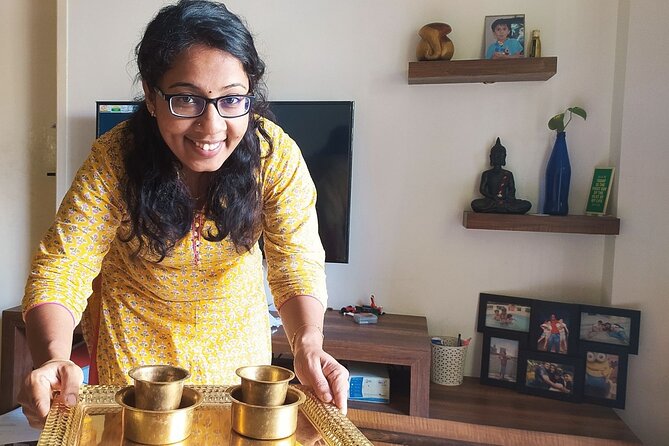
You’ll cook in traditional vessels depending on the dish—such as kal chatti (soapstone), eeya chombu (tin alloy), or mann chatti (terracotta). This isn’t trivia. The pot and pan you cook in affect heat distribution and how flavors develop.
Here’s what to expect from this in real terms:
- Soapstone and other traditional materials often hold and release heat differently than modern cookware, which can change how simmering flavors build.
- Tin alloy and terracotta are also known for how they support even cooking and steady temperatures.
Even if you don’t go out and buy the same cookware later, experiencing the difference helps you appreciate why certain dishes taste the way they do. It also makes the class more hands-on. You’re not just reading a recipe—you’re watching how heat and vessels interact with ingredients in front of you.
And yes, the tomato-onion chutney stone grinding fits this theme too: tools matter.
How the 1.5-Hour Hands-On Cooking Works
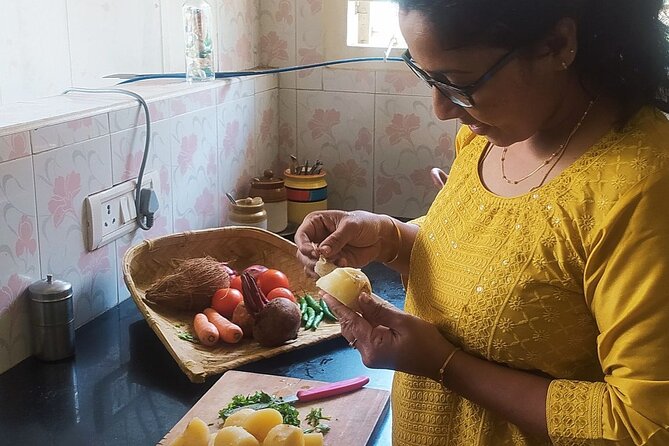
The hands-on part is where you’ll feel the value. Gayathri walks you through steps while you’re actually doing the work: chopping, stirring, frying, and building flavor. The structure is practical, not chaotic.
You can think of it in three phases:
- Prep and spice timing: you learn when spices go in and why early steps matter.
- Cooking to texture: you’re guided to notice changes like thickening, simmering, and how vegetables or lentils soften.
- Finishing and flavor balancing: chutney and sides get adjusted with the kind of common-sense tasting that home cooks rely on.
A standout point from the class style (and one reason people rate it so highly) is the step-by-step guidance for familiar comfort dishes—like kootu, sambar, and poriyal—so you’re not left guessing when you see the pan doing something you didn’t expect.
If you’re used to cooking but feel less confident with South Indian spices, this is the sweet spot. The class helps you move from “I can follow a list” to “I understand what I’m doing.”
You can also read our reviews of more tours and experiences in Chennai

The Banana-Leaf Meal: Eating What You Made
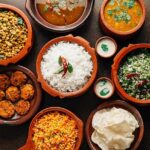
After cooking, you sit down for the meal you helped prepare. You’ll eat a traditional vegetarian spread, seated on the floor, using banana leaves and eating with your hands.
This part can feel intimidating until you experience it. The best way to approach it is to treat it like a friendly family meal, not a performance. You’ll likely get informal guidance on how to portion and how to move through the meal.
What makes this setup worth it:
- You taste the food while it’s fresh and at home-style pacing.
- You understand the dishes in context, because you cooked them just hours earlier.
- Eating with hands changes your perception of spices and textures. It’s not magic, just closer contact with aroma and temperature.
A note for expectations: Gayathri’s household is vegetarian and she only offers vegetarian meals. That’s perfect if you want to keep your eating consistent. If you have strict dietary restrictions, make sure you flag them during booking so you’re not hoping for miracles on the day.
Price and Value: Is $48 Fair for a Chennai Home Class?
At $48 per person, this isn’t a budget street-food snack. But it’s also not a pricey city-tour add-on. For the money, you’re paying for three big things: a private host, real cooking instruction, and a full home meal.
Compared with eating out, the value looks even better when you break it down:
- You get a structured, hands-on lesson for one main and one side, not just a tasting.
- You’re included in the meal portion, so you’re not paying separately for dinner.
- It’s 100% private activity, which means you’re not sharing attention with a large group that dilutes instruction.
One practical advantage: this class is often booked around a month in advance, so if you’re visiting during a busy stretch, reserve early. Private cooking classes are like dance lessons—if you wait, the good times disappear.
If you want a cooking experience where you leave with skills you can use, this price is easier to justify.
Logistics That Matter (Without Making Your Day a Mess)
A few details can make or break your comfort level.
- Meeting point is Ramapuram. Hotel pickup and drop-off are not included, so plan your own transport.
- The activity uses a mobile ticket, so keep your phone charged and ready.
- Service animals are allowed, which can be important for some travelers.
- If allergies or dietary restrictions apply, you should advise at booking. That’s the right time to be clear, since the menu can change seasonally.
Also remember the class ends back at the meeting point. That’s usually fine, but it means you should avoid booking a flight or long onward transport immediately after.
Who Should Book This Class (and Who Might Want a Different Option)
This is best for you if:
- You like hands-on learning and want to cook with traditional methods.
- You’re curious about South Indian vegetarian food beyond dosa-and-sambar basics.
- You enjoy cultural context, like herbs and kitchen thinking, not just recipes.
- You want a calmer alternative to big group tours.
You might think twice if:
- Floor seating and eating with your hands will be uncomfortable.
- You’re expecting hotel convenience or a guide who handles every detail for you (because there’s no pickup).
- You want strictly set menus regardless of season. You can usually request a breakfast-style meal instead, but the overall “cook one main and one side” format stays the same.
If you’re traveling as a couple or a small group, the private nature makes it especially enjoyable. It’s also a great choice when you want something authentic that doesn’t feel like you’re doing the same tourist activity everyone does.
Should You Book Gayathri’s Traditional Vegetarian Cooking Class?
I’d book it if your goal is to leave Chennai with real cooking confidence. The combination of private home instruction, a banana-leaf meal, and hands-on work with traditional tools makes it feel like you actually learned something you can use.
If you’re comfortable handling your own transport to Ramapuram and you’re up for floor seating, this is a strong pick. If not, you can still consider it—just go in with eyes open and plan for comfort.
Finally, book ahead. Since it’s a private class and demand can be steady, grabbing a spot sooner gives you more schedule flexibility.
FAQ
How long is the cooking class in Chennai?
The class runs about 3 hours total, with around 1.5 hours being hands-on cooking.
Is this experience private?
Yes. It’s a private activity with only your group participating.
What will I learn to cook?
You’ll learn to cook one main dish and one side dish. The menu may vary depending on the season.
What kind of meal is included?
Gayathri only offers a vegetarian meal. You’ll share the meal at the home, seated on the floor and eating with your hands from banana leaves.
Is hotel pickup and drop-off included?
No. Hotel pickup and drop-off are not included, and the activity starts and ends back at the meeting point in Ramapuram.
Can I cancel and get a refund?
You can cancel for a full refund if you cancel up to 24 hours in advance of the experience start time. If you cancel less than 24 hours before, the amount paid won’t be refunded.