Spices have a way of telling stories fast. In this vegetarian South Indian cooking class in Chennai, Vidhya turns a home kitchen into a lesson on flavor, technique, and culture, with hands-on cooking and a meal you sit down to enjoy. I really like how the class focuses on how dishes work, not just what to copy. I also like the chance to cook with seasonal vegetables and learn practical tips passed down through generations.
One thing to consider: there’s no hotel pickup, so you’ll want to plan your own way to the meeting point in Adyar.
In This Review
- Key things to know before you go
- Entering a Chennai Home Kitchen With Vidhya
- The Menu Focus: Sambar, Rasam, or Kootu, Plus a Real Indian Dessert
- The Hands-On Hour: Learning the Flow of South Indian Cooking
- Sitting Down to Eat: Why the Meal Part Matters
- The Optional Add-On: A Grocery Store Stop in Adyar (Not a Wild Market)
- Price and Value: What $48 Buys You in Chennai
- Logistics That Can Make or Break Your Day
- Dietary Requests: Lactose Free, Gluten Free, Vegan—With Notice
- Who This Cooking Class Fits Best
- Should You Book This Chennai Vegetarian Cooking Class?
- FAQ
- Where is the meeting point for the cooking class in Chennai?
- How long does the experience last?
- Is this a private experience?
- Can the host accommodate dietary restrictions like lactose free or vegan?
- What dishes will I learn to cook?
- If I choose the add-on market tour, what is it like?
Key things to know before you go
- Private home setting: only your group takes over the kitchen, so you can ask questions without feeling rushed.
- You cook a lentil curry plus dessert: think sambar/rasam style flavors and a traditional Indian sweet finish.
- Diet flexibility on request: lactose free, gluten free, vegetarian, and vegan options can be handled when you book.
- Inherited tips from a traditional family: Vidhya brings a background from a Brahmin Iyer family and eggless baking experience.
- Optional add-on grocery stop: it’s not a wild street market tour, but a visit to a grocery store where ingredients are chosen.
Entering a Chennai Home Kitchen With Vidhya
If you’ve had enough cooking classes that feel like a demo behind glass, this one changes the vibe immediately. You meet Vidhya at the start point in Adyar (Chennai) and move into a local home setup designed for real cooking, not staged show-and-tell. The result is more relaxed and more useful: you’ll learn steps you can actually repeat later, with the smells, sounds, and pace of a Chennai kitchen around you.
Vidhya comes from a traditional Brahmin Iyer family, and she’s also an eggless home baker with years of practice. That mix matters. South Indian food is often discussed in terms of curries and textures, but the dessert piece is where many people feel lost. In her class, you’re not just handed a sweet recipe—you’re guided through how it comes together so the dessert makes sense to your hands, not just your head.
And because her cooking is influenced by the cities she has lived in, you get a few thoughtful touches rather than a rigid script. The goal isn’t to turn South Indian food into fusion. It’s to help you understand the underlying logic: spice balance, how lentils behave, and why certain steps happen in a specific order.
You can also read our reviews of more cooking classes in Chennai
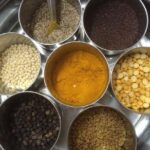
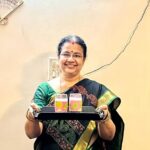
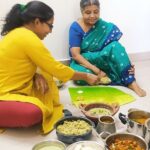
The Menu Focus: Sambar, Rasam, or Kootu, Plus a Real Indian Dessert
The core promise here is simple: you learn to cook a lentil curry with South Indian flavor patterns—typically sambar style, rasam style, or kootu (lentil and vegetable stew). Which exact version you make can depend on the class flow and ingredients that day, but the teaching stays consistent: you’ll understand the parts that make it taste South Indian.
You’ll also cook an Indian dessert. This is not the vague dessert add-on where you watch someone else handle the final steps. You’ll get hands-on experience with the sweet finish, which is a big reason this class feels complete. Desserts in many Indian cooking lessons get treated as an afterthought. Here, they’re part of the same careful approach to technique and timing.
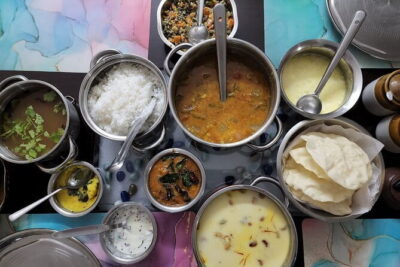
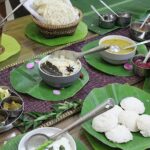
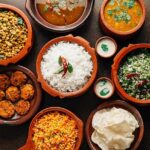
To help you picture the kinds of dishes that can happen in a class setting, one recent session included things like spiced sweet potato, a green vegetable curry, rasam soup, and a pineapple raita alongside the main lentil curry focus. Even if your exact menu shifts, the theme stays the same: vegetarian dishes that are flavorful, practical, and built around what’s available and seasonal.
The Hands-On Hour: Learning the Flow of South Indian Cooking
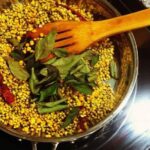
Most of the instruction time is hands-on, roughly one hour of cooking, and that matters. You don’t just hear about seasoning and tempering; you practice it. You learn how to prep ingredients efficiently, how to adjust during cooking, and how to recognize when a lentil-based dish is ready.
South Indian cooking has a rhythm. There’s a reason certain spices get added at specific moments, and a reason the texture of lentils can’t be rushed. In Vidhya’s approach, you get tips that were passed down through her mother and grandmother—the kind of guidance you’d never get from a cookbook alone, because it comes from watching food closely over years.
Here’s what you’ll walk away with conceptually:
- The structure of a lentil dish: how base flavor develops, then how spice and seasoning get layered.
- Texture control: lentils go from underdone to mushy faster than you expect, so timing cues matter.
- Balance between tang, spice, and savory depth: South Indian flavor isn’t one-note heat. It’s a combination of sharpness, warmth, and warmth that builds.
The class also tends to use vegetables that fit the moment. That can be helpful if you travel to India expecting big, bold flavors but worried you won’t be able to recreate them at home. When you understand the method, you can swap in what you find locally.
Sitting Down to Eat: Why the Meal Part Matters
Cooking classes sometimes forget the point: food is for eating, together. In this experience, once you finish cooking, you sit down as a group and share what you made. That’s more than politeness. It’s feedback.
When you taste your own sambar/rasam/kootu style dish right after cooking, you can connect what you did to what you’re experiencing: the thickness of the curry, the brightness, the aroma, and how everything works as a full plate rather than separate components.
This meal is also where the cultural side clicks. South Indian meals often come with combinations that balance each other—something creamy, something tangy, something spiced, and something lentil-based to tie it together. Even if you’re not from India, you start to understand why these pairings exist. And you’ll likely leave knowing what to cook next time when you want that same balance.
The Optional Add-On: A Grocery Store Stop in Adyar (Not a Wild Market)
If you choose the market tour add-on, you start at Vidhya’s home and then walk for about 10 minutes to a nearby grocery store in Adyar (Adyar departmental store). Before you go in expecting a full-on street market experience, know the framing: it’s not presented as a traditional market tour. It’s a grocery stop where Vidhya buys grains, lentils, and spices for the class.
That distinction is useful. You’re not hunting through chaos. You’re learning how ingredients get selected for specific flavors. You’ll walk through the store while Vidhya introduces key items used in South Indian cooking. You might even buy a few ingredients you need for your class, which is a smart way to leave with practical supplies rather than souvenir-only shopping.
For travelers, this add-on works especially well if you’re interested in recreating dishes later. If you’ve ever stood in an Indian grocery store overseas with no idea what to buy, this is a low-stress way to get your bearings.
You can also read our reviews of more tours and experiences in Chennai
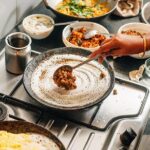
Price and Value: What $48 Buys You in Chennai
At $48 per person for about three hours, the pricing isn’t just about paying for a meal. It’s paying for a structured, guided cooking experience in a private home with a host who teaches both technique and flavor logic.
Here’s what you’re getting that makes the price feel fair:
- Private group format: only your group participates, which is a big deal if you like asking questions and adjusting as you cook.
- Hands-on instruction: you’ll actually cook lentil curry and dessert, rather than watching someone else do it all.
- A homecooked meal: you’re not leaving hungry or waiting for dinner plans.
- Generational tips: the teaching style is based on family knowledge, plus Vidhya’s own experimentation.
It’s also worth comparing this to a paid cooking class that feels generic or overly scripted. When the host can explain why steps matter—like how lentils should turn out or when spices should be handled—you get value you can reuse.
And yes, group discounts are mentioned as available, so if you’re traveling with friends, check whether your dates qualify.
Logistics That Can Make or Break Your Day
This is the part I’d plan early, because it affects your ease.
- No hotel pickup: you’re responsible for getting to the meeting point, which is listed near public transportation in Adyar.
- Meeting point: The Grand Sweets & Snacks, Krishna Castle, 5, 11th Cross St, Shastri Nagar, Adyar, Chennai.
- Duration: about 3 hours total. You’ll have cooking time and then time to eat together.
If you’re the type who likes smooth mornings, build in a buffer for finding the meeting spot. Adyar is a real neighborhood with local streets, so arriving a little early helps.
Also, if you’re sensitive to kitchen smells or heat, keep in mind you’re cooking in an actual home kitchen. The upside is authenticity. The tradeoff is you’ll be in it.
Dietary Requests: Lactose Free, Gluten Free, Vegan—With Notice
This class is built to handle dietary needs when you tell the host ahead of time. Vidhya can accommodate lactose free, gluten free, vegetarian, and vegan diets on request. That’s important in India, because many dishes can include dairy or cross-contamination depending on how ingredients are prepared.
I’d treat this as a real planning step, not a casual note. When you book, mention your restriction clearly so the kitchen can adjust.
There’s also a smart option for people who want breakfast instead of a typical lunch: Vidhya can make dishes like idli, dosa, adai, uthappam, or paniyarams if you prefer that style. If you like the idea of learning South Indian cooking but timing it around your day differently, this is a strong perk.
Who This Cooking Class Fits Best
This is a great fit if you want more than a recipe swap. You’ll probably love it if:
- You want a hands-on introduction to South Indian flavors.
- You care about vegetarian cooking and want methods you can repeat.
- You’re interested in understanding how lentil dishes get their depth.
- You want a local home experience with a host who shares family-taught tips.
It’s also ideal if you’ve got friends with different diets, because the class can handle multiple restrictions on request.
If you’re expecting a big, tour-bus kind of day with lots of sightseeing stops, this is not that. It’s focused: you come for the kitchen, you leave fed and informed.
Should You Book This Chennai Vegetarian Cooking Class?
I’d book it if you want a real South Indian cooking lesson in a local home where the teaching focuses on technique, not just memorizing steps. The combination of a lentil curry lesson (sambar/rasam/kootu style), a dessert, and a sit-down meal makes the time feel complete rather than rushed.
Skip it only if you hate doing things on your own without pickup, or if you’re specifically looking for a chaotic street market experience. The add-on grocery stop is useful and calm, but it’s still a grocery store walk—not a classic market wander.
If you can get yourself to Adyar in plenty of time and you’re excited to cook lentils, spice mixes, and a South Indian dessert, this is a strong value for $48.
FAQ
Where is the meeting point for the cooking class in Chennai?
You start at The Grand Sweets & Snacks, Krishna Castle, 5, 11th Cross St, Shastri Nagar, Adyar, Chennai, Tamil Nadu 600020. The activity ends back at the meeting point.
How long does the experience last?
The cooking class runs for about 3 hours (approx.).
Is this a private experience?
Yes. It’s a private tour/activity, and only your group will participate.
Can the host accommodate dietary restrictions like lactose free or vegan?
Yes. Lactose free, gluten free, vegetarian, and vegan diets are available on request. Let Vidhya know your dietary restrictions in advance while booking.
What dishes will I learn to cook?
You’ll learn to cook a lentil curry like sambar or rasam or kootu, plus an Indian dessert. If you prefer breakfast items instead of a typical lunch, you can request options like idli, dosa, adai, uthappam, or paniyarams.
If I choose the add-on market tour, what is it like?
It’s not a traditional market tour. It’s a visit to a grocery store where Vidhya buys grains, lentils, and spices for the class, with a short walk involved and ingredient introductions as you go.
If you’d like, tell me your travel dates and dietary needs (if any), and I’ll help you pick the best meal style option to request.