REVIEW · TRIVANDRUM
Heritage & Cultural Walk of Trivandrum 2 Hour Guided Walking Tour
Book on Viator →Operated by Yo Tours · Bookable on Viator
Trivandrum tells its story on foot. This 2-hour guided walk helps you get your bearings fast, with a guide who links big monuments to the quiet lanes between them. What I like most is the English-and-Hindi storytelling (so you actually follow the details) and the sense that you’re seeing both the famous stops and the in-between city texture. I also really like the lineup: Kanakakunnu Palace, Napier Museum, and Connemara Market. One consideration: there’s no hotel pickup, so you’ll need to make it to the start point yourself.
You’ll start at Kanakakunnu, where India’s tallest national flag flies, and you’ll end near the Kerala Government Secretariat—an easy arc that makes sense even if you’re only in town a short time. The pacing is light enough for most people, but it’s still a real walk, and the tour doesn’t include bottled water or snacks.
The best part is the guide quality. Names like Suresh/Sureshkumar, Gokul, Vijay, Biju, Naveen, Hareesh, and Siddharth come up repeatedly, and the common thread is patient, enthusiastic explanations—clear English, and lots of time for questions. If you want a quick “what am I looking at?” answer set, this tour is a strong choice.
In This Review
- Key highlights that matter on the ground
- Why this 2-hour walk beats “just see the sights”
- Kanakakunnu Palace start: the tall flag and the right first impression
- Napier Museum: 19th-century objects that make history feel physical
- Keralam Museum, Mateer Memorial Church, and the layering of time
- Rama Rao Lamp, old houses, the state library area, and old-university vibes
- The Latin Rite cathedral: faith architecture built 150 years ago
- Connemara Market end: an arched entrance and real street selling
- How the guide experience changes the whole tour
- Price and pacing: what you’re really paying for
- Who should book this guided walk (and who might skip it)
- Should you book the Heritage & Cultural Walk of Trivandrum?
- FAQ
- How long is the Heritage & Cultural Walk of Trivandrum?
- What’s the price per person?
- Where does the tour start and end?
- Are hotel pickup and drop-off included?
- Do guides speak English and Hindi?
- What stops are included during the walk?
- Is bottled water or snacks provided?
- Is the tour suitable for most travelers?
- What happens if weather is poor or the minimum number of travelers isn’t met?
- Can I cancel and get a refund?
Key highlights that matter on the ground

- A guide who connects sites: you won’t just point and stare at buildings—you’ll learn what to notice as you walk.
- Museum stop with real variety: Napier Museum covers art plus natural history, and it’s full of objects with stories.
- Churches and palace-area heritage: the route includes religious architecture alongside older civic landmarks.
- Market life, not just monuments: Connemara Market brings everyday Trivandrum into the mix.
- Solo-friendly attention: several walks have run as a one-person experience, which can feel surprisingly personal.
Why this 2-hour walk beats “just see the sights”
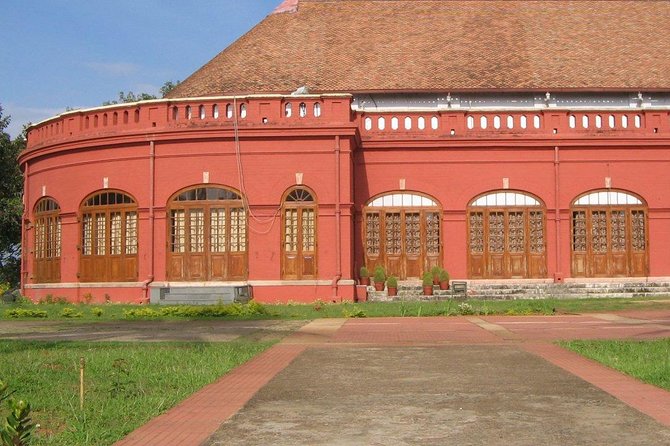
A lot of visitors treat Trivandrum like a transit city—drive by the landmarks, snap photos, then move on. This tour is the opposite mindset. It’s designed for context: you get a human thread that ties palace grounds, museums, churches, old homes, and markets into one coherent picture.
Because it’s only about 2 hours, you can fit it early to orient yourself, or later to fill in the gaps. Either way, you’ll leave knowing how the city is laid out and what each area is “for,” not just what it looks like in a guidebook.
And it’s not a silent sightseeing shuffle. The guides are known for clear explanations and friendly pacing—plus they answer questions rather than racing you to the next photo stop. If you’re the type who likes to understand what you’re seeing (and not just check boxes), you’ll appreciate that.
You can also read our reviews of more walking tours in Trivandrum

Kanakakunnu Palace start: the tall flag and the right first impression
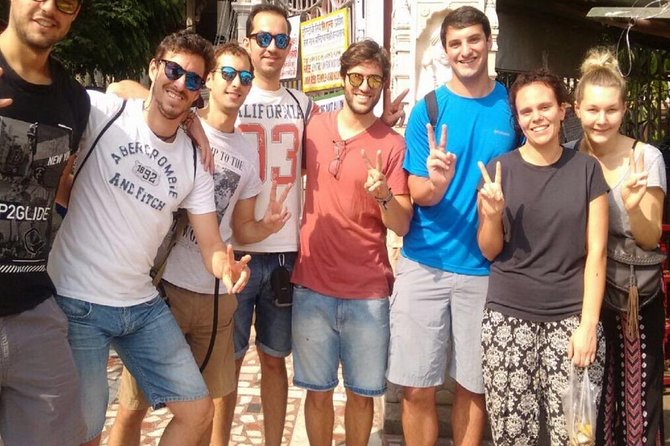
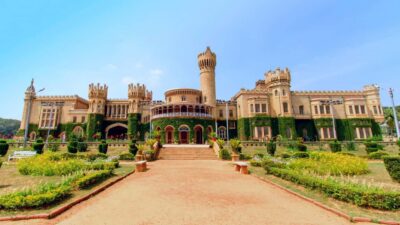
The walk begins at Kanakakunnu Flag Post by Kanakakunnu Palace Rd. The star moment right at the start is the tallest national flag in India flying at Kanakakunnu Palace. It’s a strong “first image” moment, and it works as a mental marker: you know you’re starting from an important civic-cultural hub, not from some random corner.
You also get the benefit of an early orientation. Before you move into museums and churches, your guide sets up how the area connects to Trivandrum’s broader heritage and how to read the city as you continue. That matters because the route includes several sites that you might otherwise visit with little sense of their relationship.
If you’re sensitive to direct sun, plan your timing well. This is outdoor walking at key points, so comfy footwear and a hat can make the tour feel easier.
Napier Museum: 19th-century objects that make history feel physical
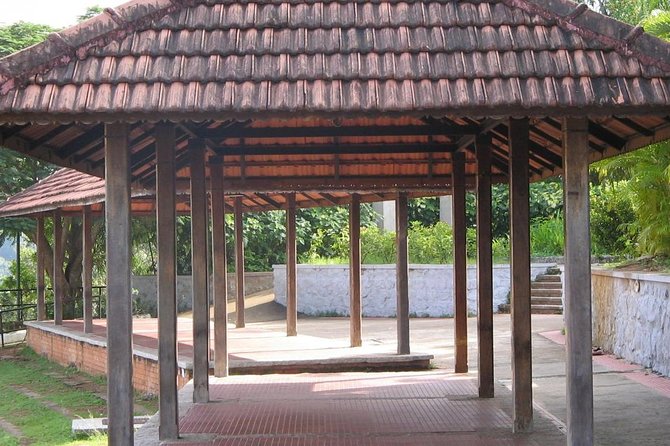
Napier Museum is next, and it’s a great choice for a short guided walk because it rewards attention. This is an art and natural history museum built in the 19th century, and it holds a set of artifacts that are hard to experience any other way.
Here’s what you’re likely to be pointed to:
- bronze idols
- ancient ornaments
- a temple chariot
- ivory carvings
That range is the point. One stop, and you see how different kinds of objects—religious, artistic, everyday ceremonial—were made, used, and collected. A good guide will help you notice not just that they exist, but why they mattered in their time.
The practical win: a museum stop often turns a “walk around” tour into something more substantive without adding hours. After Napier, your brain has a better toolkit for understanding what you’ll encounter in later stops—especially the religious architecture and heritage areas.
Keralam Museum, Mateer Memorial Church, and the layering of time
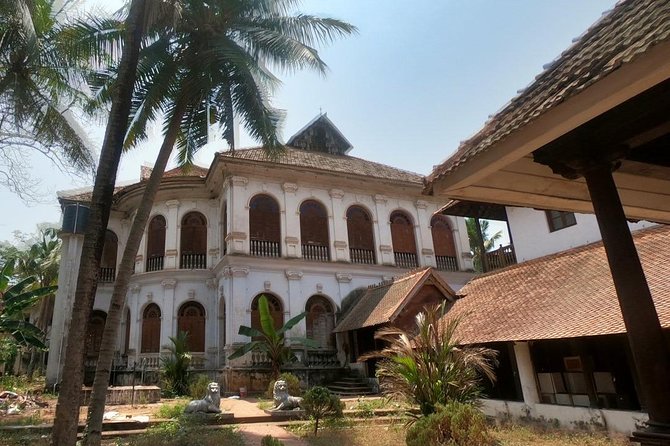
After Napier Museum, the route moves into deeper heritage territory with two key stops: Keralam – Museum of History and Heritage and Mateer Memorial Church.
Keralam Museum of History and Heritage helps you shift from single artifacts to a broader story about the region—how history and culture connect in everyday ways. Then Mateer Memorial Church adds a different angle: you’re seeing how faith communities shaped local architecture and public life.
This pairing works well because it gives you both sides of understanding. One site helps you interpret cultural background, and the other helps you interpret built form and community presence. Together they make the walk feel less like a checklist and more like a “how Trivandrum formed” story.
If you like asking questions, this is usually the moment where guides slow down a bit. The overall tour is built around conversation, not just narration.
Rama Rao Lamp, old houses, the state library area, and old-university vibes
Next comes an area around the Rama Rao Lamp, plus the old houses of Kerala, the state library, and an old university. This is the kind of stop that can be easy to skip if you’re rushing—because from outside, old civic and institutional buildings can look similar at first glance.
But with a guide, that changes. You start to notice:
- the way older streets and residences create a human scale
- how institutional spaces sit within the city fabric
- how light, signage, and landmark objects like the lamp act as navigation points
The old houses of Kerala portion is especially valuable for first-timers. You learn how local architecture feels lived-in, not just “historic.” It’s the kind of detail you won’t get from a car window, and it helps you understand why walking through these neighborhoods feels different.
This section also sets you up for the next major landmark—places of worship and faith architecture—because you’re already thinking about buildings as cultural signals, not just stone.
You can also read our reviews of more guided tours in Trivandrum



The Latin Rite cathedral: faith architecture built 150 years ago
Then the route reaches a Roman Catholic Latin Rite cathedral of the Archdiocese of Trivandrum, built about 150 years ago. Churches can be hit-or-miss on a sightseeing walk: sometimes they become background noise. Here, they work because the walk is paced to connect you emotionally and historically.
What you’ll get from this stop is context: what this type of architecture represents, how it fits into Trivandrum’s cultural mix, and what details to look for as you move on. Even if you don’t consider yourself a “church person,” it helps you read the city. Sacred spaces often anchor neighborhoods and influence how people move, gather, and celebrate.
If you visit with respectful curiosity, this stop tends to be memorable, because you’re not only looking—you’re learning how to interpret what you see.
Connemara Market end: an arched entrance and real street selling
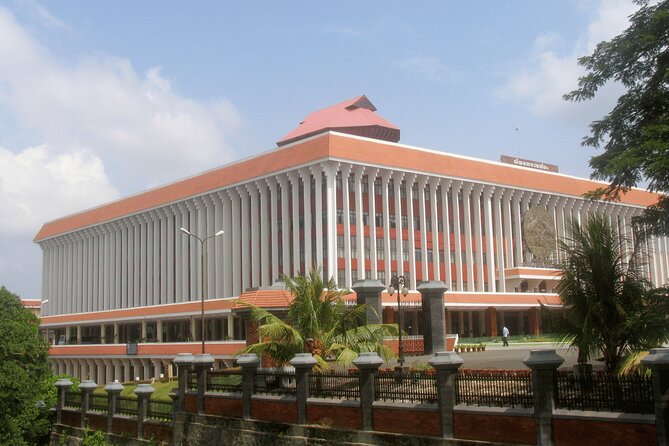
The final stop is the oldest Connemara Market, known for variety sold by street vendors. It’s noted for its arched entrance, which makes it visually distinct and easy to recognize even when you’re moving quickly.
This market stop is more than a souvenir stop. It’s a “city functioning” lesson. Museums and churches teach you the symbolic side; markets teach you the practical side—what people buy, how vendors present goods, and how daily commerce shapes the feel of a place.
If you want to take the tour’s value further, use this moment to do two things:
- pick up a small item or snack you can carry (if you’re hungry, plan accordingly since food isn’t included)
- ask your guide what to buy or where else to shop based on your interests
The end point is near the Kerala Government Secretariat main block in Palayam, so you finish in an area that makes it easier to continue your day.
How the guide experience changes the whole tour
The biggest strength here is the storyteller style. The guide isn’t there to recite dates; they’re there to explain what matters and how to notice it while you walk.
That’s why names like Suresh/Sureshkumar, Gokul, Vijay, Biju, Naveen, Hareesh, and Siddharth keep coming up in descriptions of this tour experience. People emphasize:
- clear English
- patience when questions come up
- enthusiasm for the city
- explanations with enough detail to actually learn something
One especially useful pattern: guides help you connect the tour to real life. Some have been described as assisting with shopping, and others have helped find a quieter coffee place mid-walk. That’s not a small detail—it turns a sightseeing walk into a “you can use this city” orientation.
If you like to travel with your eyes open, bring a few questions with you. Things like what neighborhood to explore next, what to watch for in architecture, or where locals go for a break are perfect.
Price and pacing: what you’re really paying for
At $11.35 per person, this is priced like an easy add-on. For that money, you get a trained English-Hindi guide, access to lanes and places you likely wouldn’t find on your own, and a route that mixes monuments with everyday city life.
Here’s how to think about value:
- The guide is the main cost driver, and it’s where you get the biggest payoff.
- The museum and cathedral stops add weight, even though the total time stays short.
- You’re not paying for hotel pickup, which means you save money—but you need to handle your own arrival.
In terms of pacing, the tour is about 2 hours, so it’s not slow-walking forever. You should expect steady movement between stops and a tour rhythm that balances walking with explanation.
What’s not included:
- bottled water
- snacks
- hotel pickup/drop
So do yourself a favor: bring water if you tend to get thirsty, and wear shoes that handle uneven sidewalks. Also remember the tour requires good weather, so have a flexible mindset if skies aren’t cooperating.
Who should book this guided walk (and who might skip it)
Book it if you want:
- a short, guided orientation to Trivandrum
- a mix of museums, churches, and a classic market
- a guide who answers questions and explains what you’re looking at
- an approach that feels friendly even if you’re traveling alone
You might skip or reconsider if:
- you strongly prefer a car/auto route where walking is minimal
- you want a long, museum-heavy day rather than a stitched-together overview
If you’re in Trivandrum for only a day or two, this walk is one of the easiest ways to stop feeling lost. It gives you enough context to enjoy the rest of your time more confidently.
Should you book the Heritage & Cultural Walk of Trivandrum?
Yes—if you want an efficient, human-guided introduction to the city’s landmarks and neighborhoods, this is a smart buy. The price is low enough that you can treat it as a foundation, not a big commitment, and the structure makes learning easy in a short window.
I’d book it early in your stay (or on your first full afternoon) so you can revisit favorite areas later with better understanding. If you hate logistics, just note the start point is fixed and there’s no hotel pickup—so plan your commute to Kanakakunnu Flag Post.
If you’re okay with walking and you enjoy explanations, this is exactly the kind of tour that makes a city feel personal.
FAQ
How long is the Heritage & Cultural Walk of Trivandrum?
The guided walk is about 2 hours.
What’s the price per person?
The price is $11.35 per person.
Where does the tour start and end?
It starts at Kanakakunnu Flag Post near Kanakakunnu Palace Rd. It ends near the Kerala Government Secretariat main block in Palayam.
Are hotel pickup and drop-off included?
No. Hotel pickup and drop-off are not included, so you’ll need to reach the start meeting point on your own.
Do guides speak English and Hindi?
Yes. The tour includes a storyteller/guide who can speak English and Hindi.
What stops are included during the walk?
You’ll visit major landmarks including Kanakakunnu Palace, Napier Museum, Keralam – Museum of History and Heritage, Mateer Memorial Church, the area around Rama Rao Lamp and old houses of Kerala/state library/old university, a Roman Catholic Latin Rite cathedral built about 150 years ago, and Connemara Market.
Is bottled water or snacks provided?
No. Bottled water and snacks are not included.
Is the tour suitable for most travelers?
Most travelers can participate.
What happens if weather is poor or the minimum number of travelers isn’t met?
The experience requires good weather. If it’s canceled due to poor weather, you’ll be offered a different date or a full refund. If a minimum number of travelers isn’t met, you’ll also be offered a different date/experience or a full refund.
Can I cancel and get a refund?
Free cancellation is available, and you can cancel up to 24 hours in advance for a full refund. If you cancel less than 24 hours before, the amount paid is not refunded.