REVIEW · TRIVANDRUM
Kayaking in Mangrove Forest of Paravur Backwaters near Varkala and Kollam
Book on Viator →Operated by Syzygy Ecosports · Bookable on Viator
Paddling here feels like borrowing silence. In the Paravur Backwaters near Varkala and Kollam, you get quiet water first, then mangrove channels, with Samson and the team keeping things safe and friendly. I love how this feels intentionally low-pressure: motorboats are prohibited, so your paddle work stays the main sound.
Two things I especially like: you learn real paddling technique before you go, and you can choose your boat setup (kayak or canoe) with sit-on-top equipment. One consideration: this trip has enough distance to feel like exercise, so if you’re expecting a totally flat, effortless drift, you may want the option of a longer outing—or just bring a steady mindset.
In This Review
- Key Highlights You’ll Remember
- Why Paravur Backwaters Feel Different From the Usual Paddle
- Price and Gear: What You’re Actually Paying For
- Before You Launch: Life Jackets and Paddling Basics
- From Syzygy to Railway Bridge: A Calm Warm-Up Stretch
- Chithan Thampuran Temple Island Stop: Break Time With a View
- Into the Mangrove Forest: Where Technique Starts Paying Off
- Back Out: Railway Bridge Again, Then the Sandbar Detour
- The Final Paddle: Heading Home to Syzygy
- How Hard Is It, Really?
- Who This Trip Fits Best (and Who Should Rethink It)
- Practical Tips to Make Your Day Smoother
- Should You Book This Mangrove Kayak Tour?
- FAQ
- How long is the kayaking experience?
- What does the tour cost?
- Where do I meet for the activity?
- Are kayaks and canoes both available?
- Will I get instructions and safety support?
- How long until we reach the Railway Bridge?
- What’s the minimum age for independent paddling?
- Does the trip run in rain?
- Is food included?
- What happens if it’s canceled due to weather?
- What is the cancellation cutoff?
Key Highlights You’ll Remember
- Motorboat-free backwaters mean quieter paddling and fewer waves to fight
- Technique coaching before you launch, with the guide close by in another kayak
- Kayak or canoe choice, both sit-on-top for easier movement and exit
- Chithan Thampuran Temple Island as a short break point on the route
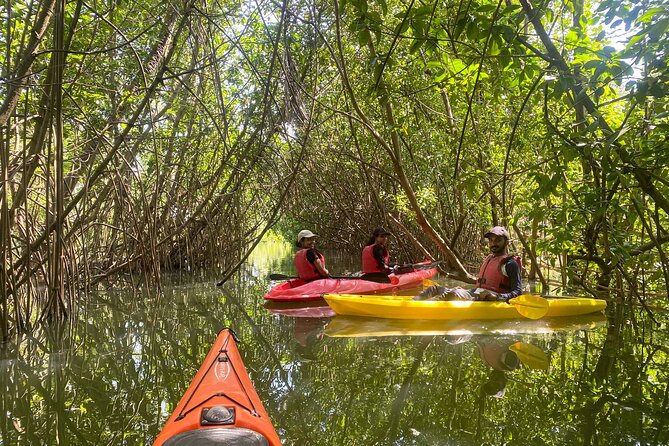
- Mangrove forest canals where you slow down and let the water do the work
- Black Devil Snail Sandbar for a rest (and possible swim) away from busier areas
Why Paravur Backwaters Feel Different From the Usual Paddle
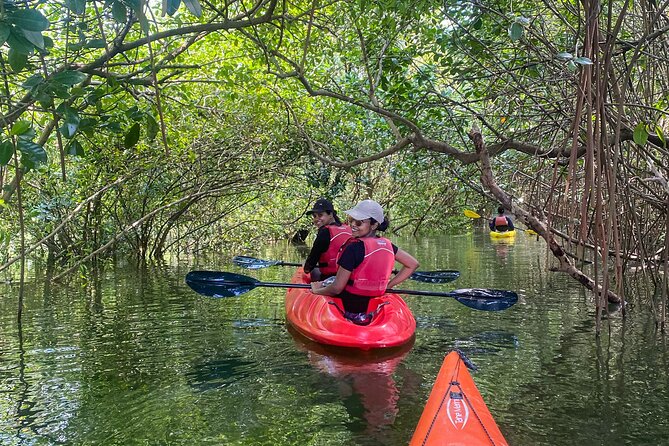
Most water tours in coastal India have at least one moment where you feel the motorboat chaos nearby. Here, the rules tilt the experience toward calm. Motorboats are prohibited in the area you paddle, so you’re not dodging wakes or listening to engines. It makes every stroke feel more connected to the waterway itself.
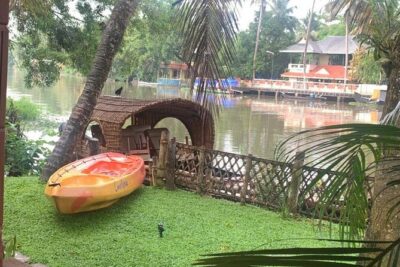
This is also one of those places where you don’t just “see nature.” You paddle through it—small canals under mangrove branches, plus wider backwater stretches between landmarks. The result is a route that feels like a guided walk, except you’re doing it with a paddle and your balance is part of the fun.
And yes, it helps that the team keeps group size small. You’re capped at 20 travelers, which usually means less waiting, less crowd noise, and a better shot at the guide actually answering your questions while you’re on the water.
You can also read our reviews of more tours and experiences in Trivandrum
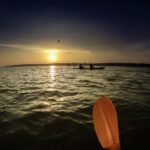
Price and Gear: What You’re Actually Paying For
The price is $15.73 per person for about 4 hours on the water. That sounds simple, but the value comes from what’s included rather than just the number.
What you get in the price:
- Kayak or canoe (sit-on-top)
- Life jacket fitted on arrival
- Instruction from your guide before paddling starts
- The guide paddles alongside for safety
- Public liability insurance and GST
What you don’t get:
- Food and drinks
So you’re paying mainly for boat time, coaching, and safety support—not for a long onboard meal. For many people, that’s exactly what they want. If you time it right, you can combine it with a local snack plan before or after, and you still keep the cost under control.
You’ll also get a mobile ticket, which makes check-in smoother. The meeting point is Syzygy Ecosports in Lakshmipuram Thoppu, Thanni Pozhikkara Coastal Road, Kerala (691303). Plan to arrive with a little buffer so you’re not rushing through the life jacket sizing and basics.
Before You Launch: Life Jackets and Paddling Basics
Once you report at Syzygy, you’ll start with life jacket selection. It’s not just paperwork—getting the fit right affects everything from comfort to how confident you feel during turns and stops.
Then you’ll get basic kayaking instructions. This matters more than it sounds, because mangrove areas reward small, controlled movements. If you’ve never paddled before, the first minutes set the tone. The guide’s approach is practical: you’re not stuck with a lecture. You learn what you need to handle your boat, then you go.
Another safety detail that’s worth calling out: your guide travels in another kayak alongside you the entire time. That means help is close if you get wobbly, need to adjust your technique, or just want clarification.
From Syzygy to Railway Bridge: A Calm Warm-Up Stretch
After launch, you’ll paddle for about 30 to 45 minutes before reaching Railway Bridge. This portion is your warm-up and orientation. You’re building rhythm, getting used to the feel of your sit-on-top boat, and learning how the water moves around you.
You then pass the bridge and head toward a small island stopover. This segment helps you understand the pace of the trip. It’s not a sprint. The route is designed to let you settle into paddling and look around, rather than chase speed.
If you’re watching other groups from shore anywhere in the area, this is the stage where you learn whether the tour’s “easy” and “serene” labels match real life. In this case, it does: calmer water up front means your body gets accustomed before the mangroves.
Chithan Thampuran Temple Island Stop: Break Time With a View
From the Railway Bridge area, you aim for Chithan Thampuran Temple Island. You’ll use this spot as a short break, not a long excursion.
Why it’s a good stop:
- It breaks the paddle into clean sections, so your legs don’t feel like one nonstop effort.
- It gives you a moment to reset your grip and breathing.
- It’s a chance to look around before you switch from open backwater vibes to tighter mangrove canals.
This is also the kind of place where you’ll appreciate having brought a change of clothes. You’re about to spend time on water, and your day will feel easier if you plan for how you’ll cool down after.




Into the Mangrove Forest: Where Technique Starts Paying Off
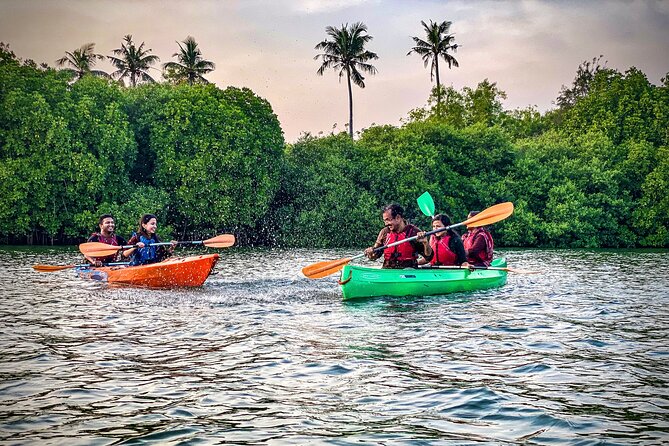
The heart of the experience is paddling to the tropical mangrove forest island. From the temple island area, you’ll paddle for roughly 45 to 60 minutes to the east before entering the mangrove section.
This is the moment you slow down—on purpose.
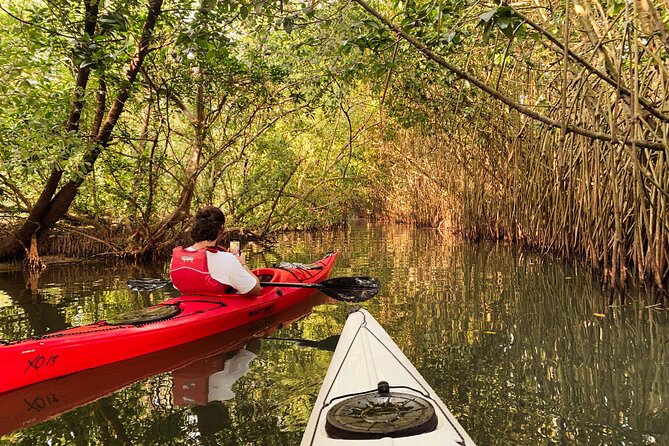
Inside the mangroves, you paddle through small canals covered by mangroves. Compared to open backwater, the channel shapes your movements. Your paddle needs to be accurate, and your steering needs to be smooth. This is exactly why the pre-launch instruction matters. You’re not just holding a paddle now—you’re using technique to travel comfortably through a living maze.
Also, you’ll likely notice how still the water can be when engines aren’t involved. The quiet makes it easier to focus on the sensation of the boat gliding, plus the natural details you would otherwise miss in a noisier area.
If you’re the type who enjoys photography, this is the stage where your camera makes sense. One common tip from paddlers: a waterproof phone cover is worth bringing along. It lets you take pictures without babying your device every time you turn.
Back Out: Railway Bridge Again, Then the Sandbar Detour
After you exit the mangrove forest, you head back toward the Railway Bridge area. Passing the bridge again acts like a milestone—like, okay, you’ve done the hardest-feeling part, and now you’re working toward your final stop.
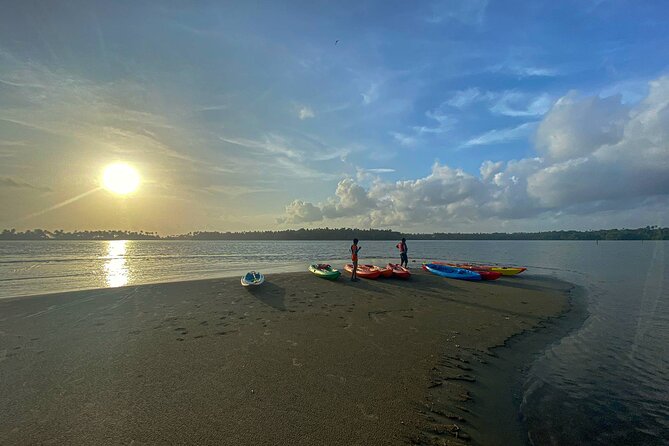
Then the tour aims for Black Devil Snail Sandbar. This is described as a sand flat that constantly changes its shape and size due to wind, tide, and current. That’s a cool detail because it means you’re not seeing one fixed shoreline. You’re seeing a living, shifting feature shaped by the day’s conditions.
What you can do here:
- Rest
- Potentially swim (the sandbar is described as ideal for it)
Safety tip: avoid going near the Spillway Regulator. That’s a clear and practical warning, and it’s the kind that matters when you’re tempted to wander toward “interesting” structures on the water.
The Final Paddle: Heading Home to Syzygy
From the sandbar, you’ll paddle about 25 to 30 minutes back to Syzygy, where the trip ends. If you’ve managed your energy earlier, this leg usually feels like the “easy finish” because you’re closer to the end and your technique is already warmed up.
Once you’re back, the simplest way to feel good for the rest of your day is to take a shower or change clothes before you head onward to your hotel or home. You’ll feel fresher faster, and you’ll avoid that damp-sun-damp feeling that can cling after a water activity.
How Hard Is It, Really?
The official guidance says you should have moderate physical fitness. That’s honest—and the paddling time supports it.
One point that helps you judge effort: people have described the overall route as roughly 10 km roundtrip, with some longer rowing segments before and after the mangroves. Translation: it’s doable, but it isn’t “just sit and float” either.
So here’s the practical way to think about it:
- If you can paddle steadily for an hour without panicking, you’ll likely be fine.
- If you’re new to paddling and get tense fast, the instruction before launch becomes more important. Lean on the guide and keep your strokes controlled.
- If you want mostly relaxation with almost no exertion, you might want a longer outing on calmer water, or go expecting that you’ll work a little.
Also, the boats are sit-on-top kayaks, which helps. They’re easier to handle when you need to shift position or prepare for exits. In one feedback note, people appreciated having water on the boat and jelly shoes available if you want to step out carefully onto small islands.
Who This Trip Fits Best (and Who Should Rethink It)
This is a strong match if you want:
- A quiet nature paddle with motorboat-free water
- A guided trip where someone teaches you technique, not just points and leaves
- A route with real nature stops: temple island, mangrove canals, and a shifting sandbar
It may be less ideal if:
- You’re expecting an ultra-easy, low-effort stroll. Some segments can feel like work.
- You’re very sensitive to water contact and you didn’t plan for a change of clothes.
- You want lots of deep nature storytelling every minute. Some guidance experiences can vary in how much interpretation you get while you’re actively paddling.
Good to know about ages: the minimum age as an independent paddler is 10 years, and children must be with an adult. If you’re traveling with kids, you’ll want to judge whether they can handle steady paddling and sitting on the boat for the duration.
Practical Tips to Make Your Day Smoother
Here are the details that can turn a good outing into a comfortable one.
What to wear and bring:
- Wear clothes suited to weather, and bring a change of clothes for after.
- Plan for getting wet. Even with good gear, you’re on water for hours.
- If you want phone photos, consider a waterproof phone cover. It’s repeatedly recommended because it actually protects while you move.
Gear and safety:
- Use the life jacket as fitted. Don’t assume you can just adjust later once you’re in the water.
- Respect the warning around the Spillway Regulator. Curiosity is normal. Safety wins.
Logistics that help:
- The activity operates in rain or shine, except when it’s windy or lightning makes paddling unsafe.
- Flexible start times are available, so you can usually pick a time that matches your energy and the day’s weather.
- Service animals are allowed, and the meeting spot is described as near public transportation.
Should You Book This Mangrove Kayak Tour?
If you want a quiet, guided kayak/canoe experience in Paravur Backwaters—especially the mangrove canal section—this is an easy yes for many people. The motorboat-free setting and the fact that Samson and the team guide you in another kayak make it feel safer and more intentional than random rentals.
I’d book it if:
- You like nature that you actually paddle through.
- You want technique coaching.
- You’re okay with a route that can feel like a workout.
I’d hesitate if:
- You’re truly looking for minimal effort.
- You hate being wet and didn’t plan for changing afterward.
- You need heavy, constant commentary while you’re focused on paddling.
If you choose it, go in expecting calm water, controlled effort, and a few standout stops—Temple Island, mangrove canals, and the shifting Black Devil Snail Sandbar. That’s the mix that makes this trip worth your time.
FAQ
How long is the kayaking experience?
It runs for about 4 hours (approx.).
What does the tour cost?
The price is $15.73 per person.
Where do I meet for the activity?
You meet at Syzygy Ecosports, Lakshmipuram Thoppu, Thanni Pozhikkara Coastal Road, Kerala 691303, India.
Are kayaks and canoes both available?
Yes. You can choose between a kayak and a canoe. The boats are sit-on-top kayaks.
Will I get instructions and safety support?
Yes. The guide provides basic kayaking instructions before the trip starts, and the guide stays with you during the trip for safety. Life jackets are provided and selected at the start.
How long until we reach the Railway Bridge?
You’ll reach the Railway Bridge about 30 to 45 minutes after paddling from the launch point.
What’s the minimum age for independent paddling?
The minimum age as an independent paddler is 10 years. Children must be accompanied by an adult.
Does the trip run in rain?
It operates in rain or shine, except when it is windy or there is lightning that makes paddling unsafe.
Is food included?
No. Food and drinks are not included.
What happens if it’s canceled due to weather?
If it’s canceled due to poor weather, you’ll be offered a different date or a full refund.
What is the cancellation cutoff?
You can cancel up to 24 hours in advance for a full refund. Cancellation less than 24 hours before the start time is not refunded.