A peak night in Andhra feels different. Jindhagada Trek (aka Seethamma Konda) takes you up to the highest point in Andhra Pradesh at about 5,545 feet, with the Eastern Ghats’ Kondh-inhabited hill country as your backdrop. You’ll travel comfortably from Visakhapatnam, explore mountain caves and rock features, and sleep at a viewpoint high up for sunrise, sunset, and night photos when skies cooperate.
What I really like is the stargazing angle, since the plan is built around night sky viewing and photography from the peak camp. I also like how the team shows up with food and water when you’re tired on the top, led by guides such as Ravi and Naveen (with others like Poshan in the mix).
One consideration: this is a weather-dependent experience—stargazing is only truly on if it’s not cloudy, and the trek can be adjusted or rescheduled if conditions are poor.
In This Review
- Key Highlights You’ll Want to Know Before You Go
- Why This Trek Feels Special in Visakhapatnam’s Backyard
- Price and What You’re Really Paying For ($335.65)
- How the Day Works: Pickup, Olubidda, and the Start-to-Summit Rhythm
- Coffee Paderu Plantation Stop: A Break That Isn’t Just a Photo Stop
- Kondh Country Beyond the Trail: Culture and Food at the Center
- Caves and Rock Formations: Slow Steps, Real Mountain Feel
- Camping on the Peak Viewpoint: Sunrise, Sunset, and Night Sky Nights
- Freshwater Streams and a Cooling Dip (If You Want It)
- Guides, Safety, and the Comfort Factor That Makes or Breaks a Trek
- Who Should Book Jindhagada Trek (And Who Should Think Twice)
- What to Pack for a Peak-Camp Day in the Eastern Ghats
- Should You Book This Trek?
- FAQ
- Where does the Jindhagada Trek start and end?
- How long is the trek?
- What is the price per person?
- Does the trek include pickup?
- What’s included in the trek?
- Are snacks included?
- Is there a mobile ticket?
- What kind of guiding and safety support is provided?
- Will stargazing definitely happen?
- Is this a private group activity?
- What happens if weather is poor?
Key Highlights You’ll Want to Know Before You Go
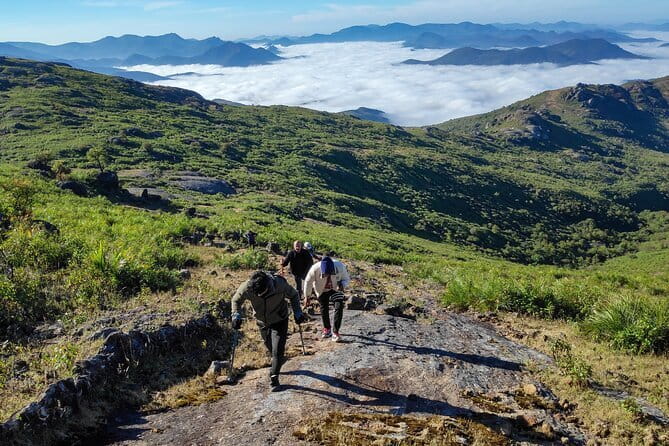
- Seethamma Konda’s “highest peak” status (about 5,545 feet) makes the views and night sky feel like the main event
- Comfortable out-and-back travel from Rushikonda to Olubidda village, plus a private-group setup
- Coffee Paderu plantation stop that adds flavor beyond just walking uphill
- Cave and rock-formation time on a slow-paced trek where you’re not racing your way to the top
- Peak camping for sunrise, sunset, and night photography when the clouds stay out of the way
- Wilderness first responder + outdoor guidance from a trained team including Ravi and Naveen
Why This Trek Feels Special in Visakhapatnam’s Backyard
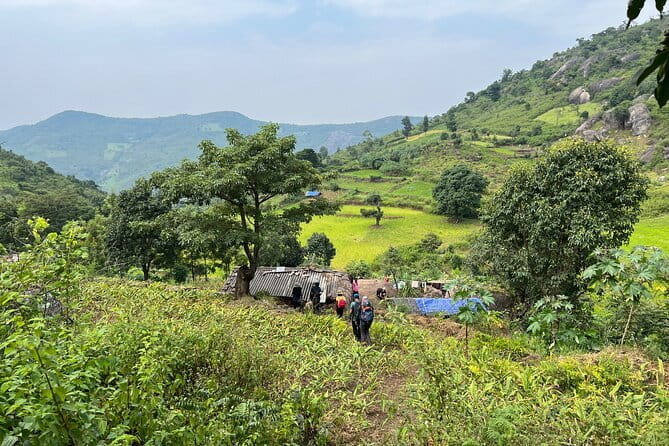
Most treks around Visakhapatnam either feel like a quick morning walk or a full-on multi-day grind. This one sits in the middle—but still gives you a big payoff because it ends with camping at the peak viewpoint, not just a summit photo and a sprint back down.
The location matters too. You’re walking through the Eastern Ghats ranges around Araku and Paderu, an area known for Kondh tribal communities that have lived in these hills for centuries. That cultural layer isn’t just a slogan. It shows up in the way the trek includes Kondh-prepared food and the chance to learn how people relate to the landscape.
And the height changes the mood. At around 5,545 feet, even when the trail is gentle, the air and the night cool can make you feel like you’ve stepped away from everyday life.
You can also read our reviews of more tours and experiences in Visakhapatnam.
Price and What You’re Really Paying For ($335.65)
At $335.65 per person, this isn’t a budget-only outing. But it also isn’t just “a guide and a trail.” For that price, you’re getting a full day loop that includes meals (breakfast, lunch, dinner), camping time, and a team that’s set up to support you well on the mountain.
Here’s the value breakdown that matters to you:
- Transport + pickup: You start from Rushikonda and return there, so you’re not spending half your day figuring out rides.
- Food plan: Lunch, dinner, and breakfast are included, which is a big deal on a long day in hills where buying snacks along the route may not be simple.
- Peak-time support: The experience is structured so you’re not stranded when you’re cold, tired, and hungry at elevation.
- Safety and competence: The group includes a Wilderness first responder and qualified outdoor guidance.
What’s not included is also worth noticing. Snacks are not part of the deal, so if you like to snack while walking, you should plan for that on your own.
In practical terms: you’re paying for a well-run day that tries to protect your energy and your comfort, not just your cardio.
How the Day Works: Pickup, Olubidda, and the Start-to-Summit Rhythm
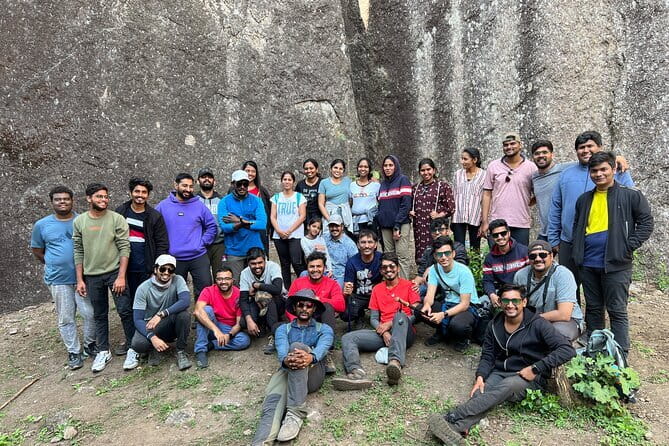
The day begins at Rushikonda, Visakhapatnam, with pickup offered and the trek returning you to the same meeting point. You’ll spend time traveling out to Olubidda village and back, which helps if you want the mountains without the extra logistics headache.
Once you’re in the trekking zone, the pace is intentionally slow and steady. That’s not just for beginners. It’s also how you stay present for the small stuff—light on rocks, cool air, and the changing feeling of the Eastern Ghats as you gain height.
A key benefit here: slow pace usually means fewer rushed decisions. You can ask questions. You can take breaks without feeling like you’re holding up a race. You also get time for the more “experience” parts, like cave exploration and the cultural food component.
You’re also camping, so the day isn’t over when you hit the peak. The planning accounts for night on the mountain, which is where the trek earns its keep.
Coffee Paderu Plantation Stop: A Break That Isn’t Just a Photo Stop
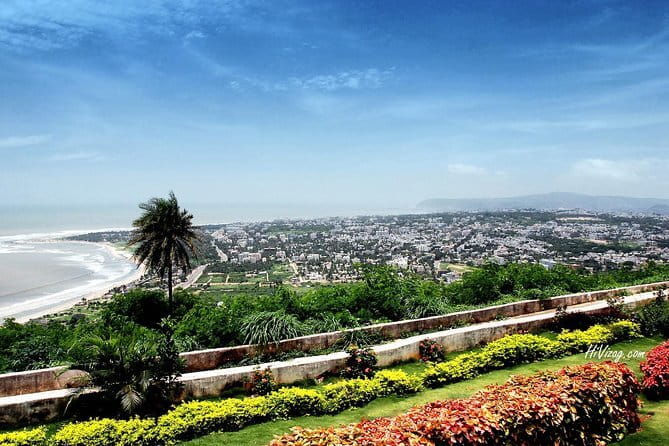
One of the more interesting inclusions is a visit to a coffee Paderu plantation. This isn’t presented as a random roadside detour. It adds context for what grows in these hill regions and how local agriculture fits into daily life.
For you, this means the trek isn’t only “up, down, tired, repeat.” You get a moment to shift gears. Even if you’re not a coffee fanatic, it helps you connect the geography to real land use—how people live with the terrain, not just traverse it.
It can also be a nice mental reset before the hiking part. Your legs will thank you later.
Kondh Country Beyond the Trail: Culture and Food at the Center
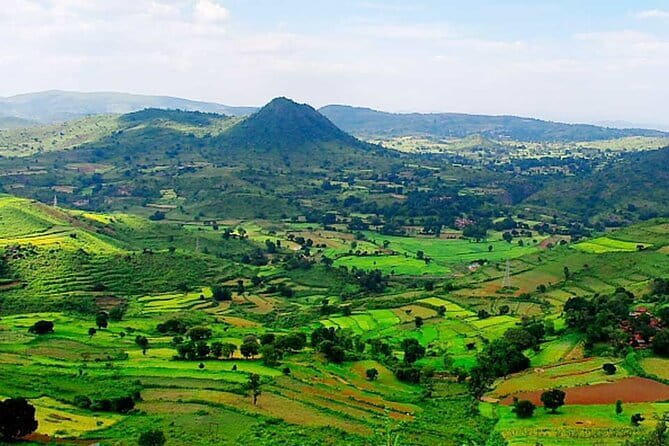
The trek is built around insight into Kondh tribal culture, and the most tangible piece of that is the food prepared by them. This matters because food is where culture shows up fast and honestly. It’s not just a performance.
You’ll also get a chance to learn how trekking in this region fits into local life and the Eastern Ghats environment. The guides are there to explain the walking rhythm, but the trek also nudges you to think beyond the route itself.
I like this approach because it treats the experience as more than scenery. You’re not just consuming a view. You’re learning how people live alongside these hills.
One practical note: the meals included are a big part of the value, so if you have dietary needs, plan ahead. The provided info says lunch, dinner, and breakfast are included, and snacks aren’t—so your main intake comes from that schedule.
Caves and Rock Formations: Slow Steps, Real Mountain Feel
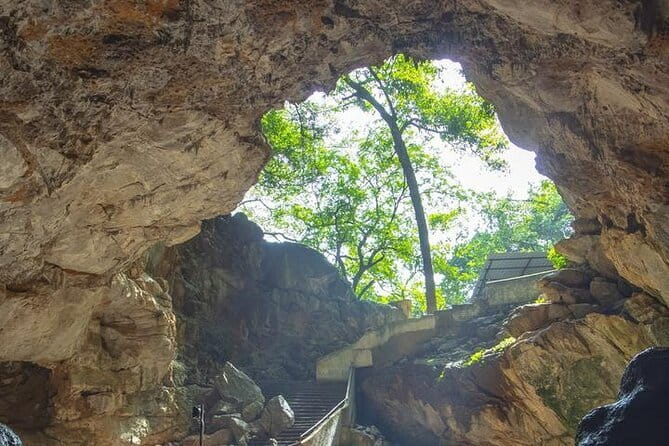
You’ll spend time exploring a cave and what the description calls builders on the mountain (it’s best understood as rock formations or structures along the trail). This is one of those trek inclusions that makes you feel like you’re actually in the hills, not just walking through them.
Expect this to take some time and attention. Caves and rocky areas usually mean slower movement, better footwear, and careful steps. The upside is you’ll get moments that feel more adventurous than a typical viewpoint hike.
The slow pace helps here. You’re not sprinting through spots that reward attention. Instead, you move like someone exploring, not like someone trying to “check a box.”
Camping on the Peak Viewpoint: Sunrise, Sunset, and Night Sky Nights
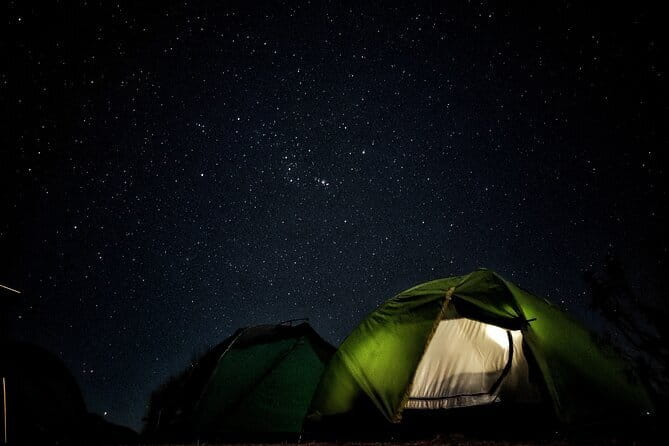
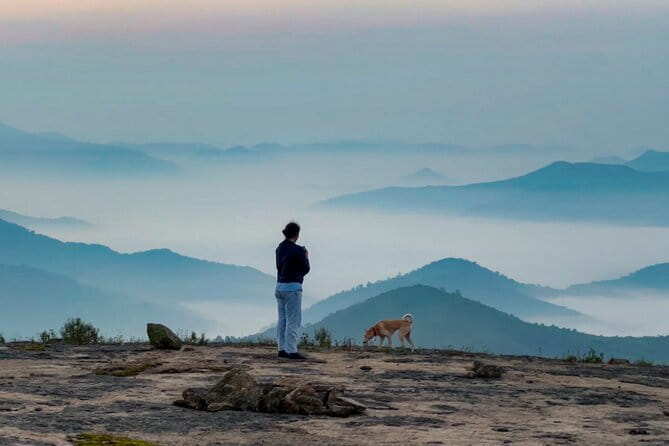
This is the big moment. The plan includes camping at a beautiful viewpoint on the peak, with a focus on sunrise and sunset and stargazing and night photography if it’s not cloudy.
When the sky is clear, this can be the best part of your entire trip. Night photography from a hilltop has a different feel than city shots—you get darkness, depth, and fewer distractions. Some people also mention seeing things like a meteor shower on clear nights, which is exactly what you’d want from a peak-camping setup.
Here’s the reality check for you: if clouds roll in, the stargazing piece becomes limited. That’s not the operator’s fault; it’s weather. The trek is designed around the possibility of clear skies, but your night sky experience may vary.
Also, camping on a mountain is not the same as sleeping in a hotel. Even if the hike itself is slower, you’ll want warm layers and basic comfort planning for night temperatures.
Freshwater Streams and a Cooling Dip (If You Want It)
There’s an option to take a dip in fresh water streams and a pool during the experience. That’s a great add-on if you like the idea of cooling down after time on your feet.
Keep it sensible. Water conditions can change, and a dip is optional. The important thing is that the trek doesn’t only focus on climbing and watching—it gives you that chance to interact with the environment in a simple, refreshing way.
If you’re the type who loves tactile breaks—washing off sweat, cooling down, and resetting your head—this part can feel like an underrated highlight.
Guides, Safety, and the Comfort Factor That Makes or Breaks a Trek
The experience isn’t just “outdoors,” it’s outdoors with structure. The trek includes a Wilderness first responder and qualified outdoor guidance, and you’ll likely spend your day with leaders such as Ravi and Naveen.
The reason this matters for you isn’t just safety talk. It changes how the trek feels when you’re tired. In the feedback, the most praised moments are the ones where the team brings essentials right when people need them—food, water, and support at the peak when legs are shaking and energy is low.
That’s the difference between a trek that drains you and a trek that helps you experience the view without suffering unnecessarily.
And yes, weather can be intense in this region. One review-style story described how the team handled a cyclone period (Cyclone Fengal) by reassuring the group and keeping everyone safe. That’s the kind of professionalism that reduces stress when Mother Nature decides to make plans.
Who Should Book Jindhagada Trek (And Who Should Think Twice)
This trek is a strong fit if you want:
- A one-day trip with real altitude and a peak-night experience
- Stargazing and night photography from higher ground
- Cultural connection through Kondh-prepared food and insight, not just a scenic walk
- A slower hiking style with support on the way up
You might think twice if:
- You hate weather uncertainty. This experience requires good weather, and cloud cover affects stargazing.
- You want lots of snacks on the trail. Snacks are not included, and the day’s food is scheduled as breakfast/lunch/dinner.
- You’re looking for a short, low-effort hike. This is still a 1-day, about 12-hour outing in hilly terrain.
If you’re generally fit and comfortable with a full day outdoors, you’ll likely find the experience manageable because the pace is described as slow paced trekking.
What to Pack for a Peak-Camp Day in the Eastern Ghats
Even without a detailed gear list, you can plan smart based on what’s included and what’s not.
Bring:
- Comfortable trekking shoes with grip for rocky cave/formation sections
- A warm layer for camping and night time at elevation
- Rain protection in case conditions shift
- Headlamp or flashlight if you’ll be moving at night for photos
- A water bottle (you’ll have water support from the team, but it helps to have your own)
Pack snacks if you’re the type who needs something small between meals. Again: snacks aren’t included.
Also, don’t underestimate the night photography part. If you’re bringing a phone/camera, charge it well before you start and keep it protected from moisture.
Should You Book This Trek?
If you want one trip that combines altitude, culture, and night sky moments, I think Jindhagada Trek is worth serious consideration. The value isn’t only the price—it’s the way the day is structured: transport from Rushikonda, meals included, camping at the peak viewpoint, and the support of a team that includes a Wilderness first responder.
Book it if stargazing, sunrise/sunset, and learning from the Kondh community through food and guidance are the kind of memories you chase. This is the trek for the person who wants nature with comfort, not comfort that lacks nature.
Skip it (or at least reconsider dates) if you’re traveling when weather looks unstable. You’ll still get the trek, but the night sky experience is the star of the show.
FAQ
Where does the Jindhagada Trek start and end?
The trek starts at Rushikonda, Visakhapatnam, Andhra Pradesh, India, and ends back at the same meeting point.
How long is the trek?
The experience runs for about 1 day, roughly 12 hours.
What is the price per person?
The price is listed as $335.65 per person.
Does the trek include pickup?
Pickup is offered, and the meeting point is Rushikonda in Visakhapatnam.
What’s included in the trek?
Lunch, dinner, and breakfast are included.
Are snacks included?
No. Snacks and anything other than the listed inclusions are not included.
Is there a mobile ticket?
Yes, the trek includes a mobile ticket.
What kind of guiding and safety support is provided?
The experience includes a Wilderness first responder and a qualified outdoor guide during the trek.
Will stargazing definitely happen?
Stargazing and night photography are planned for the peak, but the experience notes that it depends on whether it is cloudy.
Is this a private group activity?
Yes. It’s described as a private tour/activity, meaning only your group will participate.
What happens if weather is poor?
The trek requires good weather. If it’s canceled due to poor weather, you’ll be offered a different date or a full refund.