REVIEW · KOCHI
Home Meal Experience
Book on Viator →Operated by Grandma's Kitchen Kochi · Bookable on Viator
Small kitchens make big memories. At Grandma’s Kitchen in Kochi, you get a real look at Japanese home-cooked food and the warm routine behind it. I love that it’s centered on seasonal, wholesome meals rather than flashy restaurant technique, and you can even help with the prep so the hour feels personal, not like a show.
One thing to consider: this is a home-meal experience in a limited group setting, so it runs on the kitchen’s pace. If you want a strict, stop-everywhere sightseeing program, this is more about the meal and the feeling of eating like a local family.
In This Review
- Key highlights you’ll care about
- Grandma’s Kitchen: a home meal, not a restaurant performance
- What happens during the 1-hour lunch experience
- Helping with prep: why it’s more fun than you expect
- What you’ll eat: seasonal comfort dishes with a vegetable focus
- Alcohol rules: lunch is included, sake tasting is not
- Location and logistics: where you meet and what to do after
- Group size: why max 15 can still feel intimate
- Value check: is $150 worth it for a 1-hour home lunch?
- Who this fits best (and who may want a different plan)
- Should you book Grandma’s Kitchen in Kochi?
- FAQ
- How long is the Grandma’s Kitchen home meal experience?
- Where does the experience start?
- What time does it start?
- What’s included in the price?
- Is alcohol included?
- Can I have local sake tasting?
- Is there a mobile ticket?
- How many people are in the group?
- Where does the tour end?
- Is there confirmation after I book?
Key highlights you’ll care about
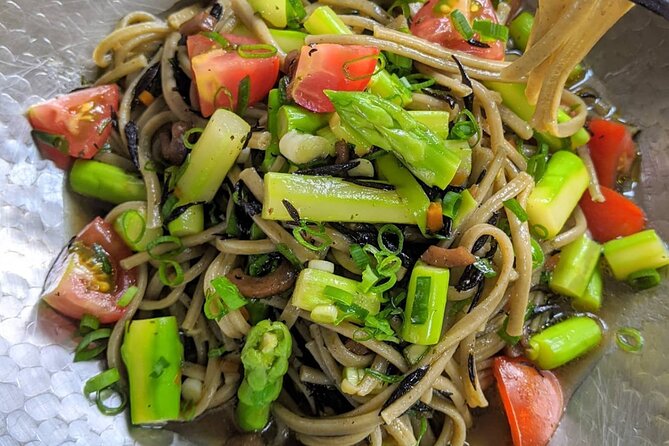
- A mother-daughter host team (Mieko and Haruka) makes the kitchen feel friendly and calm.
- Hands-on prep turns lunch into an experience, not just a plate.
- Seasonal menu style focuses on vegetables, gentle flavors, and everyday comfort food.
- Pesticide-free ingredients are part of what makes the meal feel thoughtfully cared for.
- Lunch included for about $150 with a small group cap (15 max).
- After you eat, sights are close with a short walk to Kochi Castle or nearby Hirome Market.
Grandma’s Kitchen: a home meal, not a restaurant performance
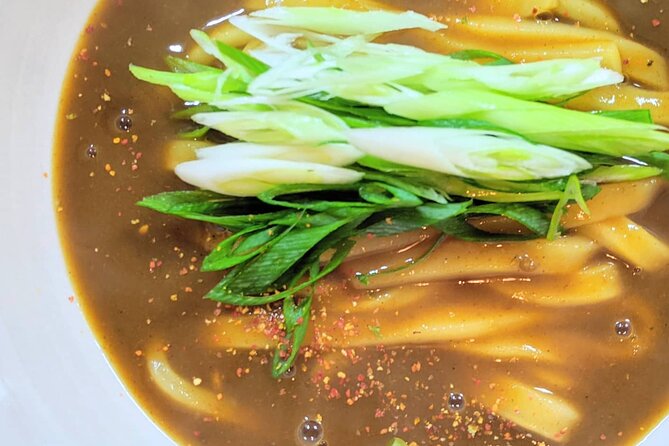
Kochi already has plenty to see, but this kind of experience is different in the best way. Grandma’s Kitchen is built around the idea that Japanese home cooking is about balance—warm, filling, and made with care—rather than drama. You sit down to flavors designed for everyday life, not a tourist menu.
The biggest draw is how human it feels. In a small kitchen, you notice little things: the way ingredients are handled, how dishes come together, and how the hosts explain what they’re doing. Mieko and Haruka (a mother-daughter team) are the heart of that. When the hosts are relaxed, you relax too, and the meal becomes easy to enjoy.
Also, the menu is meant to change with the seasons. That matters more than it sounds. Seasonal cooking is where “local” actually becomes real—greens taste like greens when they’re at their best, and the meal feels connected to the time of year you’re visiting.
You can also read our reviews of more tours and experiences in Kochi.

What happens during the 1-hour lunch experience
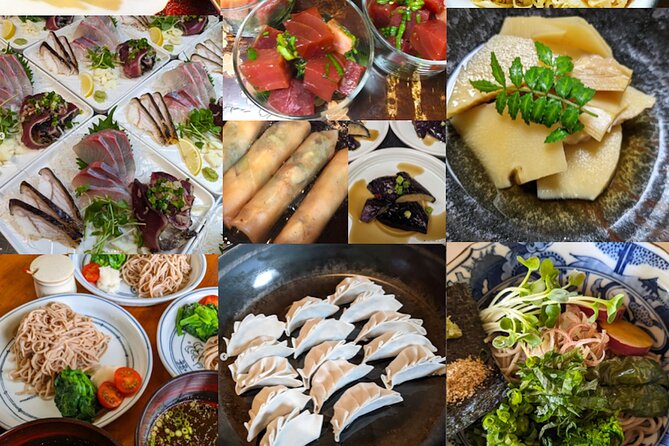
You’re looking at about one hour from start to end. The day is simple by design: arrive, cook or assist with parts of the meal, eat lunch, then you head back to the meeting point when it’s done.
The pace is kitchen pace. That’s good news if you like thoughtful travel. You’re not being rushed through a scripted “experience.” Instead, you get time to watch and learn, then take part where the hosts invite you in.
From there, the value comes from the flow:
- You’re in the kitchen long enough to understand how home-style dishes are built.
- You get to eat what you helped make, which changes the way food tastes (in a good way).
- The format is built for conversation and comfort, not formal dining.
If you’re the type who enjoys food culture through hands-on moments, this is the kind of activity that sticks with you. If you’re expecting a long guided tour with lots of storytelling outside the meal, you might feel the schedule is short. But that shortness is also why it works well on a travel day.
Helping with prep: why it’s more fun than you expect
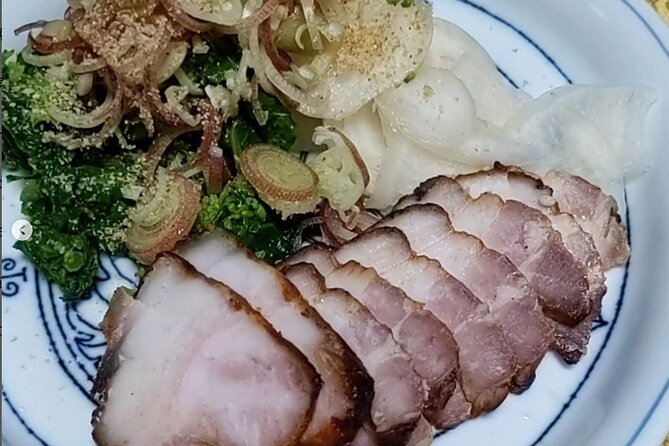
A big reason this experience earns high marks is the prep element. This isn’t just watch-and-plate. You may contribute to cooking steps, guided by the hosts. In a small kitchen, that kind of involvement makes the meal feel like yours, too.
The hosts focus on approachable home techniques. And since the food is built around natural ingredients and seasonal vegetables, the process feels practical rather than mysterious. One review highlighted pesticide-free ingredients, which fits the home-cooking philosophy: care shows up in what you’re using and how you handle it.
What to keep in mind: you’re stepping into someone’s kitchen rhythm. If you’re very sensitive about rules or being “in the way,” give yourself the right mindset—this is meant to be participatory. If you’re curious and willing to follow directions, you’ll likely enjoy the hands-on part more than you think.
What you’ll eat: seasonal comfort dishes with a vegetable focus
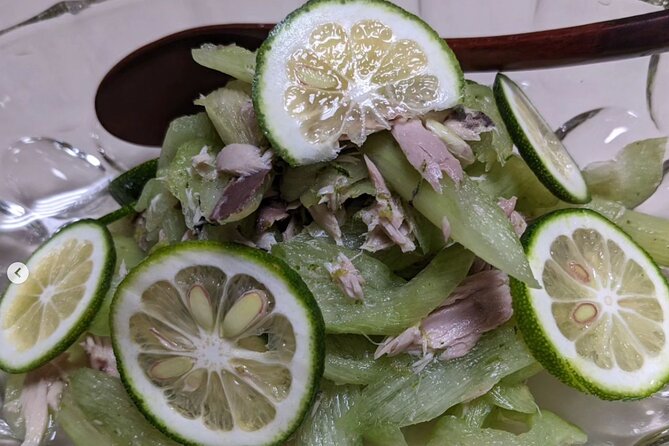
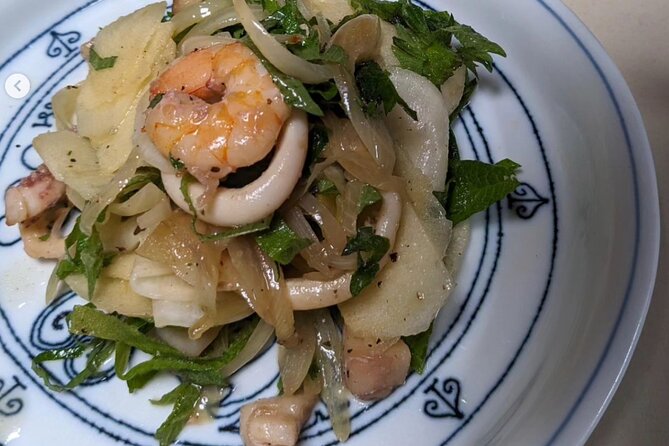
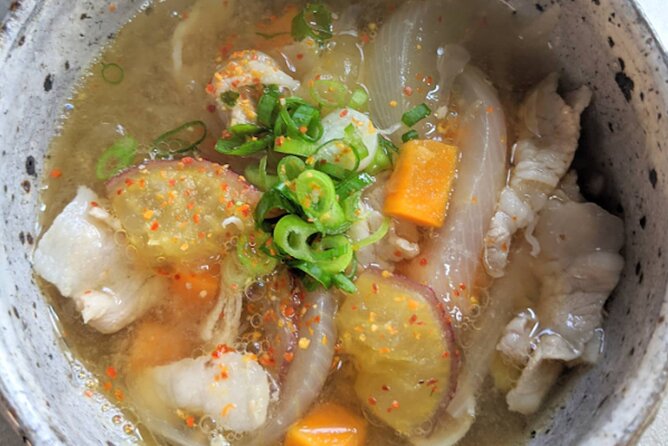
Grandma’s Kitchen is built around Japanese home cooking that’s comforting and nutritious. Expect plenty of vegetables and seasonal greens, along with traditional recipes designed to feel gentle but satisfying. This is not the typical “bold, sauce-heavy” restaurant style. It’s more about balance and everyday flavor.
The seasonal menu is the main promise, and it’s also the most meaningful detail. When a kitchen actually changes what it cooks by season, you usually get meals that feel current and not just copied from a static tourist routine.
Based on the cooking style described, you can expect dishes that emphasize:
- fresh vegetables and seasonal greens
- wholesome, family-style comfort
- traditional flavors that feel familiar even if you’re new to Japanese food
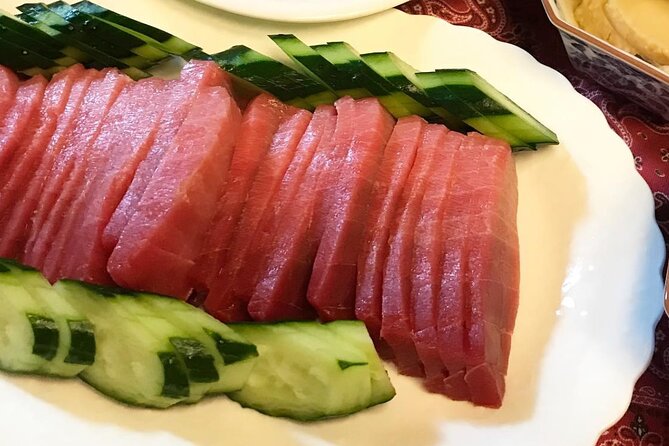
One review also referenced a marinated dish among the lunch items. That’s the kind of variety you’d want from home cooking—different textures and prep styles, all part of a coherent meal.
Alcohol rules: lunch is included, sake tasting is not
Lunch is included. Alcohol is not. That’s a clear split and it affects your budget and expectations.
If you like Japanese drinks, there’s mention that you can enjoy local sake tasting in another course. That’s useful to know: this experience is about the meal itself, and the drink plan may be separate depending on what’s offered. If you’re traveling with a group, you’ll want to plan your sake moment outside the base lunch cost.
So, if you’re a drinker: bring your appetite for food first. If you’re not drinking: that actually makes the whole hour easier. You can focus on the flavors, the cooking, and the calm rhythm of the kitchen.



Location and logistics: where you meet and what to do after
You’ll start at KanauJapan, 780-0841 Kochi, Obiyamachi, 1-chōme 13-13 ビ・ウェル帯屋町 1F おびさんロード. The good part is that it’s described as near public transportation. That matters in Kochi, where getting in and out quickly is part of a smooth day.
The experience starts at 12:00 pm, runs about one hour, and ends back at the meeting point. Then you get a handy built-in bonus: after the meal, there’s a short 5-minute walk to sights like Kochi Castle, or you can head to Hirome Market, one of the city’s popular local spots.
This is a smart pairing because the meal keeps you grounded in real life, and the next stop scratches the “what do I do now?” itch without needing a long commute.
Group size: why max 15 can still feel intimate
The group size is capped at 15 travelers. In practice, that often means you’ll never feel like you’re in a big tour bus crowd. Home kitchens can’t handle chaos, and this size cap supports the cozy feel.
One review described a situation where it was just a couple with the hosts. That’s not guaranteed, but it tells you the experience can scale down to feel very personal.
If you hate crowded activities, this setup is a good sign. If you’re hoping for a big social scene with lots of other conversations, you might find this more quiet than a typical group food event. Either way, it’s likely calmer than restaurant dining with strangers.
Value check: is $150 worth it for a 1-hour home lunch?

At $150 for about an hour, it’s not the cheapest lunch you’ll find. But value here isn’t only volume. It’s the access: a home-style meal, kitchen interaction, and a small, controlled group setting.
Here’s the value math that makes sense:
- Lunch is included, so you’re not paying extra to eat.
- Hands-on prep gives you a story, not just a receipt.
- Hosts with names and personal attention (Mieko and Haruka) make it feel like a direct cultural encounter.
- The location ties into sightseeing right after, so you’re stacking experiences in one block of time.
If you’re someone who wants a “safe and easy” meal with little effort, you might decide it’s overpriced. But if you’re the type who remembers food culture because you actually took part, the cost can start to feel reasonable.
Who this fits best (and who may want a different plan)
This is a great match if you:
- want Japanese home cooking instead of restaurant showmanship
- enjoy hands-on food experiences where you help with prep
- like small, calm settings with clear hosts and friendly interaction
- want a lunch plan that leads neatly into nearby sights like Kochi Castle or Hirome Market
It may be less ideal if you:
- want a long, guided walking tour with many stops
- need a very structured schedule with multiple timed attractions
- are looking for a high-energy nightlife-style food crawl (this is not that)
Should you book Grandma’s Kitchen in Kochi?
I’d book it if you want a meal that feels personal and practical, not just another place to eat. Grandma’s Kitchen is built for comfort food culture: seasonal ingredients, vegetables in the center, and hosts who treat the kitchen like a welcoming family space. The chance to help with prep is the difference-maker, and the timing works well because you can roll straight into nearby sightseeing.
If your main goal is seeing lots of landmarks in one afternoon, you might prefer a more itinerary-heavy tour. But if you want one solid, meaningful block of time—good lunch, real home-style cooking, and a friendly kitchen—this is the kind of booking that pays off later, when you’re trying to remember your trip.
FAQ
How long is the Grandma’s Kitchen home meal experience?
It lasts about 1 hour.
Where does the experience start?
It starts at KanauJapan, 780-0841 Kochi, Obiyamachi, 1-chōme 13-13 ビ・ウェル帯屋町 1F おびさんロード.
What time does it start?
The start time is 12:00 pm.
What’s included in the price?
Lunch is included.
Is alcohol included?
No. Alcoholic beverages are not included.
Can I have local sake tasting?
You can enjoy local sake tasting in another course.
Is there a mobile ticket?
Yes, the experience uses a mobile ticket.
How many people are in the group?
There is a maximum of 15 travelers.
Where does the tour end?
It ends back at the meeting point.
Is there confirmation after I book?
Confirmation is received at the time of booking.