REVIEW · MAHABALIPURAM
Mahabalipuram walking tour with local guide and lunch
Book on GetYourGuide →Operated by Wish Tours · Bookable on GetYourGuide
Stone and ocean meet on one Mahabalipuram walk. I like how this private route strings together big-ticket sights like Arjuna’s Penance and the Shore Temple, without making you feel rushed between stops. You also get actual time inside the rock-cut caves and mandapas, plus a proper lunch rather than a sad snack. The one caution: the day moves at a human pace (pickup, walking, a bit of hiking), so you’ll want to wear comfortable shoes and set expectations if someone at the site tries to upsell extra guiding.
I also appreciate the guide format: you’re picked up from your hotel, you walk the complex with a local lead, and you’re dropped back safely after lunch. The tour is listed as 4 hours, but the flow runs closer to about 5 hours when you factor in photo stops and the meal. If you’re very sensitive to schedule variations, message ahead so the meeting point and who you’ll meet are crystal clear.
In This Review
- Key things to love about this Mahabalipuram tour
- Why this walk through Mahabalipuram feels different
- Pickup and your ~4 to 5 hour temple circuit
- Arjuna’s Penance and Butter Ball: the open-air story begins
- Getting inside caves and mandapas (where the detail lives)
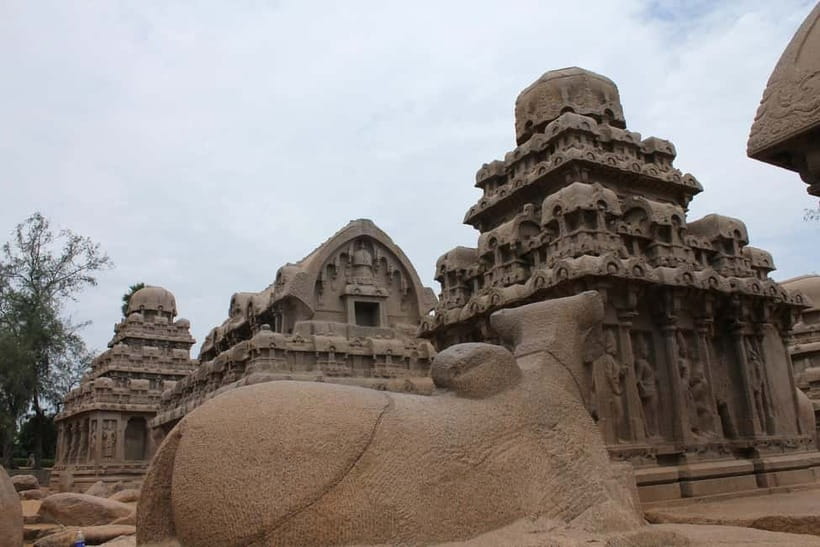
- Pancha Ratha (Five Rathas): monolithic rock-cut design, up close
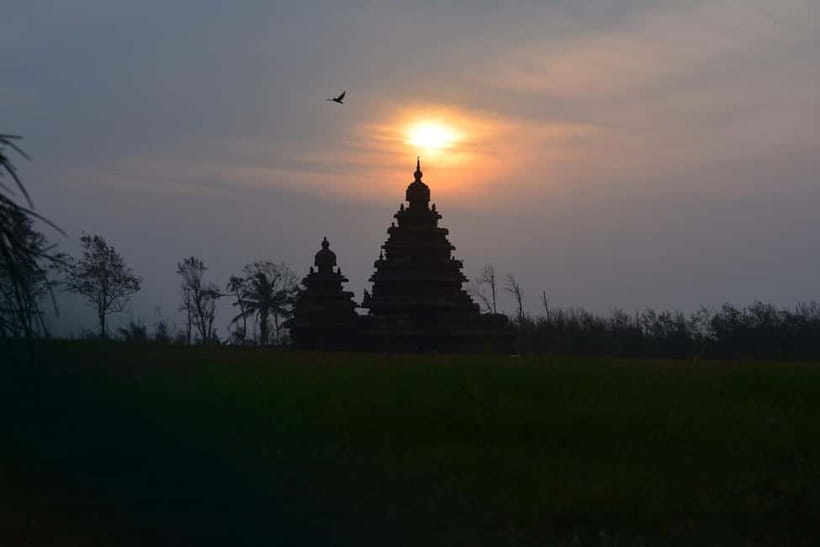
- The Shore Temple: a structural finale with old-world gravitas
- Lunch at Eagle’s Nest Cafe: why it’s part of the value
- Guides, drivers, and how the day actually runs
- Price and value: is $54 per person fair?
- Who should book this Mahabalipuram walk
- Should you book this Mahabalipuram walking tour?
- FAQ
- How long is the Mahabalipuram walking tour?
- What’s included in the price?
- Do I need to buy temple tickets?
- Will I be walking a lot?
- What languages are available for the guide?
- Is lunch included, and where is it served?
Key things to love about this Mahabalipuram tour
- Arjuna’s Penance to Butter Ball: a well-paced sequence of famous carvings plus the smaller rock details around them
- Caves and mandapas you can enter: not just looking from outside, but moving into the spaces
- Pancha Ratha (Five Rathas) architecture: you’ll see monolithic rock-cut design up close
- Shore Temple as a finale: you’ll end at one of South India’s oldest structural stone temples
- Lunch with real cooking: the Eagle’s Nest Cafe stop is part of the experience, not an afterthought
- Private group walking: English, French, and Hindi options make it easier to follow what you’re seeing
Why this walk through Mahabalipuram feels different
Mahabalipuram is famous for rock-cut work and shoreline stone temples, but it can feel like a blur if you show up without context. This tour is built around a walkable loop that connects the best-known carvings to the places where you can actually step into the rockwork.
I especially like that the route doesn’t treat everything as separate attractions. You move from open-air reliefs to sloping-rock sculpture (Butter Ball), then into enclosed cave spaces, then back into the outdoor temple zone. That pacing helps you notice how the artisans used light, scale, and stone texture differently from one site to the next.
And yes, you’ll eat. Lunch is scheduled right in the middle so you can recharge and avoid the usual end-of-tour slump.
You can also read our reviews of more tours and experiences in Mahabalipuram.
Pickup and your ~4 to 5 hour temple circuit
You start with pickup from your hotel in Mahabalipuram. Then you walk the monument area with your guide, with regular pauses for photos and short breaks along the way. The tour is listed as 4 hours, but the working total can feel closer to 5 hours once you include the meal and the small transitions between sites.
This matters because temple-hopping can become tiring if you’re sprinting between stops. Here, you’re given time to look slowly, ask questions, and take in details that you’d miss if you were only scanning for the big names on a map.
You’ll also have key basics covered: transportation is included, water bottles are provided, and entry tickets are included. That combination is what makes it feel like a smooth, single experience rather than a patchwork day you piece together yourself.
Arjuna’s Penance and Butter Ball: the open-air story begins
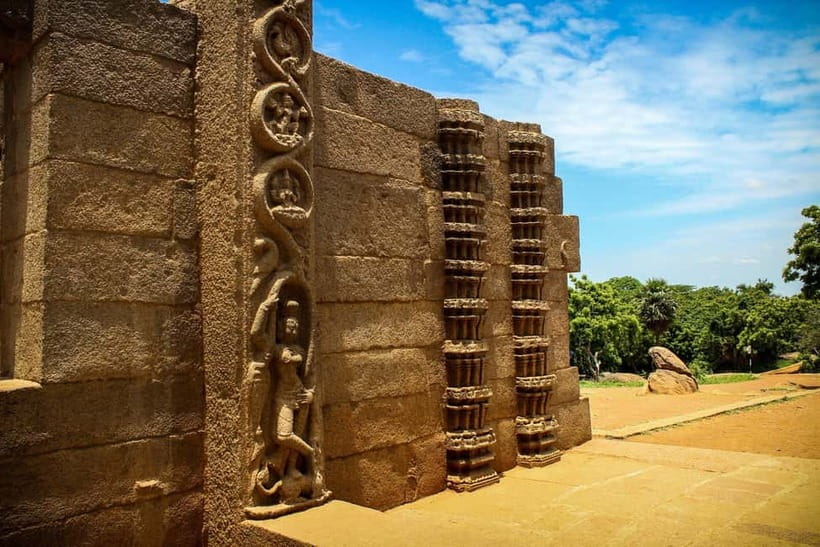
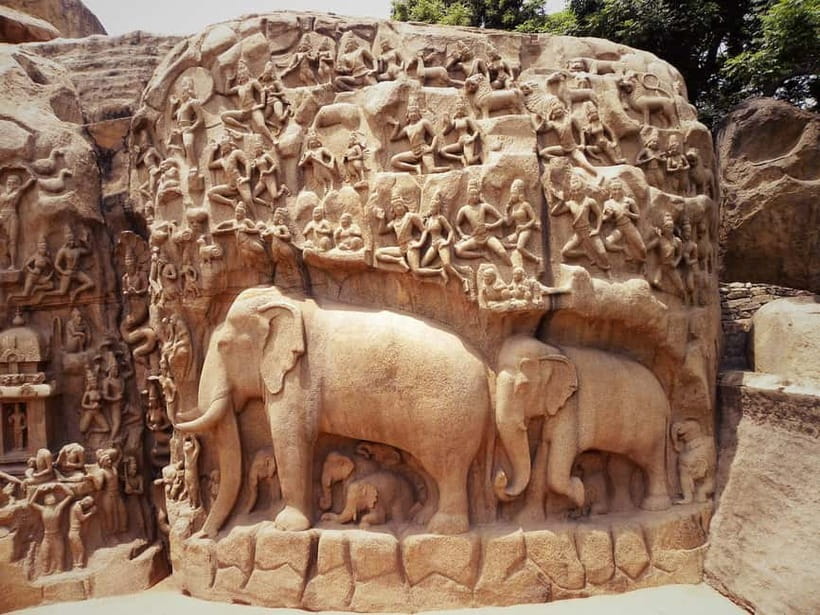
The first major stop is the group of monuments in Mahabalipuram, where you’ll start with Arjuna’s Penance—an open-air rock relief often called the Descent of the Ganges. This is the kind of place where your eyes need a second pass. From a distance you catch the overall composition, but up close you start seeing the stone narrative in layers.
Next comes Krishnas Butter Ball, the famous hanging ball illusion on a slanted rock. What’s useful on a guided walk is that you’re not just being told the legend—you’re also being taught how to look so the sculpture makes visual sense. The slant and the placement create the effect, and once you understand that geometry, you see why it’s so memorable.
A small caution here: because these are outdoor monuments, midday sun can be real. If you go in warmer months, keep your hat and water habit tight. You’ll appreciate the scheduled pauses more than you think.
Getting inside caves and mandapas (where the detail lives)

After the big-name carvings, the tour shifts into spaces that many visitors don’t experience fully: caves, mandapas, and other 7th-century stone remnants. This is where the pace changes from “pose for a photo” to “walk slowly and notice.”
You’ll hike a little into the monument area and explore inside the caves and related carved structures. That inside access is the difference-maker. Outside, stone looks like decoration; inside, you start seeing how the builders shaped surfaces for passage, shadow, and human scale.
The route also includes smaller remnants tied to Mahabalipuram’s past as a busy port city. One example mentioned in the experience is an ancient light-house-like structure used when the area was an active harbor. You’ll also see rock-made forms such as a cart for beds/royal use and a small swimming pool area associated with queens. These aren’t always the headline attractions, but they’re great for understanding the daily life behind the grand carvings.
If you don’t do well with uneven steps, go slow here. The tour includes some hiking and walking inside carved areas, and comfortable shoes matter more than you’d expect.
Pancha Ratha (Five Rathas): monolithic rock-cut design, up close

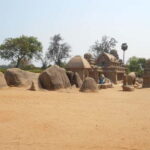
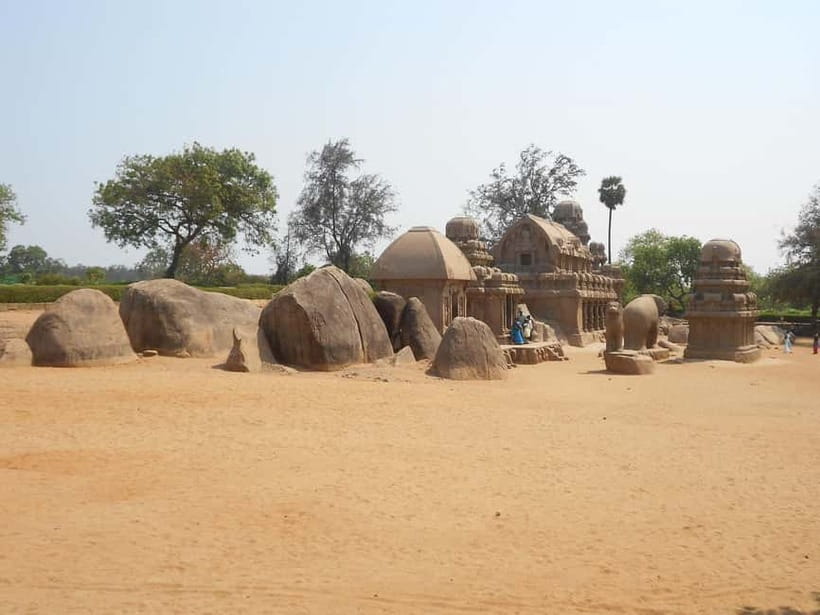
From the cave cluster, you move to the Five Rathas, also called Pancha Ratha. This is monolithic Indian rock-cut architecture—so instead of separate buildings being assembled, you’re looking at a set of carved structures shaped directly from stone.
The benefit of visiting as part of a connected walk is that you can compare what you saw earlier. Outdoor reliefs and sculptures focus on narrative and figures, while the Rathas show how stone can be shaped into whole temple-like forms with repeated structural cues. Even if you don’t read every inscription, you can still feel the “design logic” in the carvings.
A practical tip: this is another spot where it helps to pause. Look at the proportions from different angles, and don’t rush to the next stop. The architecture rewards a second look, especially after you’ve been inside caves where your sense of space has changed.
The Shore Temple: a structural finale with old-world gravitas
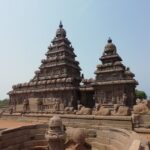
The day’s big closing highlight is the Great Shore Temple. This is one of the oldest structural (meaning not only rock-cut) stone temples of South India, and it’s often described as linked with legends about the Seven Pagodas—many of which are believed to have been lost to the sea over time.
What you’ll get from a guided visit is more than a date. You’ll see the Shore Temple as a kind of finishing note in the whole complex. After caves and Rathas, the temple’s solidity and shoreline location hit differently. You can feel why coastal temples were so important: they belong to the landscape, not just to a museum-style courtyard.
Also, the tour experience specifically aims to help you feel that ancient vibration. Even if you’re skeptical of poetic language, do notice the setting. When you’re done right, this temple isn’t just a photo-op; it becomes a place where you slow your breathing and let the stone do its job.
Lunch at Eagle’s Nest Cafe: why it’s part of the value
Lunch is included, and it’s served at a restaurant called Eagle’s Nest Cafe. In at least one lived account from a similar booking, the chef—Anthony—was described as cooking from scratch. That detail matters because it usually determines whether lunch feels like a bonus or a compromise.
What you can expect is a proper sit-down break in the middle of a walking day. It keeps the tour from dragging because you’re not trying to eat on the run between monuments.
If you have a sensitive stomach or spice tolerance issues, I’d still mention preferences before the meal. The tour data confirms lunch is included, but it doesn’t list specific menu items, so the best move is simple: ask how the dishes are seasoned and choose what feels safe for you.
Guides, drivers, and how the day actually runs
This tour is private, and the guide can be English, French, or Hindi. Your experience provider is Wish Tours, and the format typically involves pickup and walking with a local lead.
One detail I want you to understand before you go: in a real instance, the person driving was named Ganesh and was described as a local driver rather than a professional tour guide. That doesn’t automatically mean anything was wrong—just that you should expect a mix of roles depending on the day.
There’s also a practical heads-up: an official guide may sometimes approach and request extra payment for added stories. If that happens, you can decide on the spot. I recommend you ask early what’s fully included and how guided commentary will be handled so you’re not negotiating while you’re standing in front of a temple.
If your priority is detailed storytelling at every stop, say that clearly at the start. If your priority is pace and access, you’ll likely be happy with the practical guidance plus what you can ask in moments of downtime.
Price and value: is $54 per person fair?
At $54 per person, you’re paying for a whole package: hotel pickup and drop-off, transportation, entry tickets, bottled water, a guide, and lunch. For a 4-hour listed tour that can stretch to around 5 hours with the breaks, the value is strongest when you count what would cost you individually.
Here’s why it’s not just a sightseeing bundle:
- You’re getting access to caves and mandapas you can enter, which is harder to manage on your own if you don’t know what’s inside and what’s best to see first.
- You’re not spending your morning figuring out ticket lines and the sequence of monuments.
- Lunch is included, so you avoid the common trap of “cheap tour, expensive meal.”
The only time the price feels tight is if you end up not getting much commentary or if the day turns into lots of waiting. Based on what’s described, you’re typically walking and seeing the core monuments in one connected run, which is where the cost makes sense.
Who should book this Mahabalipuram walk
I’d put this tour on your shortlist if you want:
- A structured walk across Arjuna’s Penance, Butter Ball, the Five Rathas, and the Shore Temple
- Time inside caves and mandapas rather than only exterior viewing
- A private group format where you can ask questions without feeling like a number in a big crowd
- Lunch included in the middle of the day so you stay comfortable
You might skip it if you want a fully unhurried day with lots of free time at each monument, or if you have very limited mobility. The experience includes walking and some hiking into the complex, and there are age limits listed (not suitable for babies under 1 year and not suitable for people over 95 years).
Should you book this Mahabalipuram walking tour?
If you like your temple days organized, this is a solid pick. You get the big carvings, the architecture stop at Pancha Ratha, the iconic Shore Temple finale, and the access component that makes rock-cut monuments feel real—inside caves and mandapas. The included lunch and included entry tickets also make the day feel easier on your wallet and your schedule.
Book it if you want a single guided circuit that gets you through the best highlights without turning the day into logistics. Pass or look for another option if you know you need maximum storytelling detail at every step and you don’t want any chance of extra guide requests at the sites. A quick confirmation at pickup about guide roles will solve a lot of that.
FAQ
How long is the Mahabalipuram walking tour?
The duration is listed as 4 hours. The overall flow described includes breaks and lunch, which can make it feel closer to about 5 hours.
What’s included in the price?
Lunch, transportation, water bottles, and entry tickets are included. The tour also includes guided sightseeing and a private group format.
Do I need to buy temple tickets?
Entry tickets are included, and the experience is described as skipping the ticket line.
Will I be walking a lot?
Yes. The tour includes walking and some hiking into the monument areas, plus exploring caves and mandapas.
What languages are available for the guide?
The tour guide is available in English, French, and Hindi.
Is lunch included, and where is it served?
Lunch is included, and it is served at Eagle’s Nest Cafe during the tour.