REVIEW · MUNNAR
Munnar mountain hiking (Full day)
Book on GetYourGuide →Operated by Munnar Info · Bookable on GetYourGuide
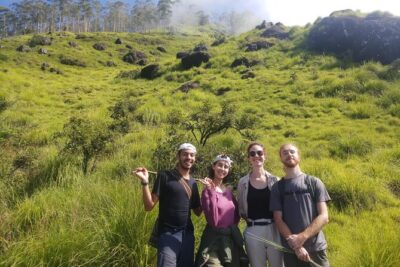
Tea and forest paths in one full day. This trek around Lekshmi Hills in Pothamedu takes you from 1,420 meters up to about 2,000 meters, mixing working plantations, spice country, and shola woodland.
I especially like that your guide turns what looks like a simple walk into a tea lesson you can actually use. And I love the day runs on real hiking rhythm: breaks for refreshments and a packed lunch, plus plenty of bottled water.
One thing to consider: this is still a 14 to 18 km hike, so if your fitness is low, the distance can wear you down even if the climb feels manageable for many people.
In This Review
- Why Lekshmi Hills hikes feel different from typical Munnar sightseeing
- Lekshmi Hills start at Munnar Info: timing and altitude feel
- Walking through tea plantations: the lesson behind the rows
- Cardamom forests and shola woods: where the walk turns into nature time
- Wildlife chances without the safari hype
- Lunch, water, and breaks: how the day stays friendly on the body
- Distance, difficulty, and pacing: what moderate hikers should know
- Price and value at about $24 per person
- What to pack and what to leave behind for a smooth hike
- Who should book this full-day hike, and who should skip it
- Should you book the Munnar mountain hiking full day?
- FAQ
- Is the hike in Munnar a full-day activity?
- Where do I meet for the hike?
- How long and how far is the trek?
- How high do we hike?
- What will we walk through?
- Will I see wildlife like monkeys or elephants?
- What’s included in the price?
- What is not included?
- What language is the guide?
- What should I bring, and what is not allowed?
- Is there a cancellation option?
Why Lekshmi Hills hikes feel different from typical Munnar sightseeing
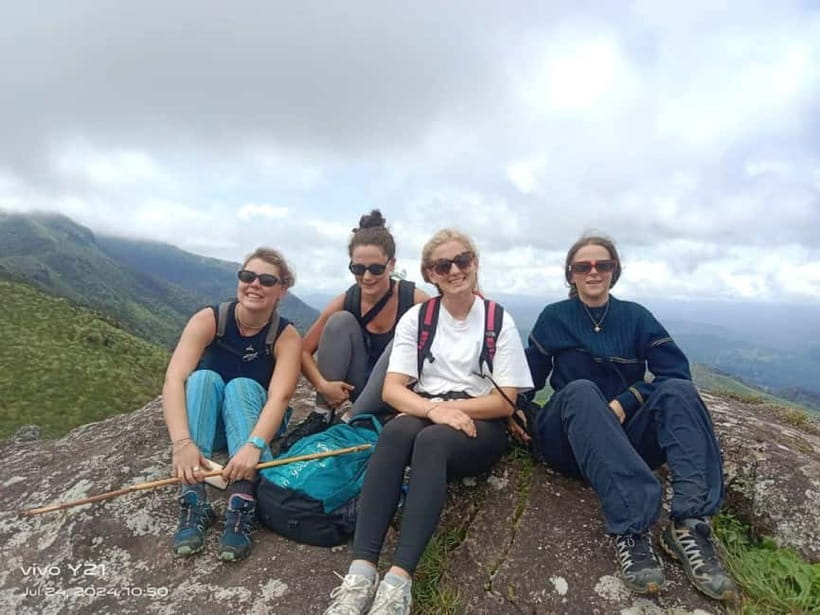
Tea-to-forest route: You walk from tea plantations into cardamom forests and shola woods, so the scenery changes without feeling like you’re just crossing fields.
A guide who can explain what you’re walking through: English-speaking guides like Rajan, Raja.J, Ramesh, and King Raja help you connect tea harvesting, plants, and local wildlife to what’s right in front of you.
Planned breaks that keep the day enjoyable: Refreshment stops and a packed lunch are built into the hike, not tacked on at the end.
Wildlife sightings are part of the plot: You may spot Malabar squirrels, black monkeys, and even wild elephants (often at a distance, sometimes close enough to pause).
Birdwatching in shola woods: The dense shola habitat makes it easier to notice birds, including species you’d be unlikely to see elsewhere.
Lekshmi Hills start at Munnar Info: timing and altitude feel
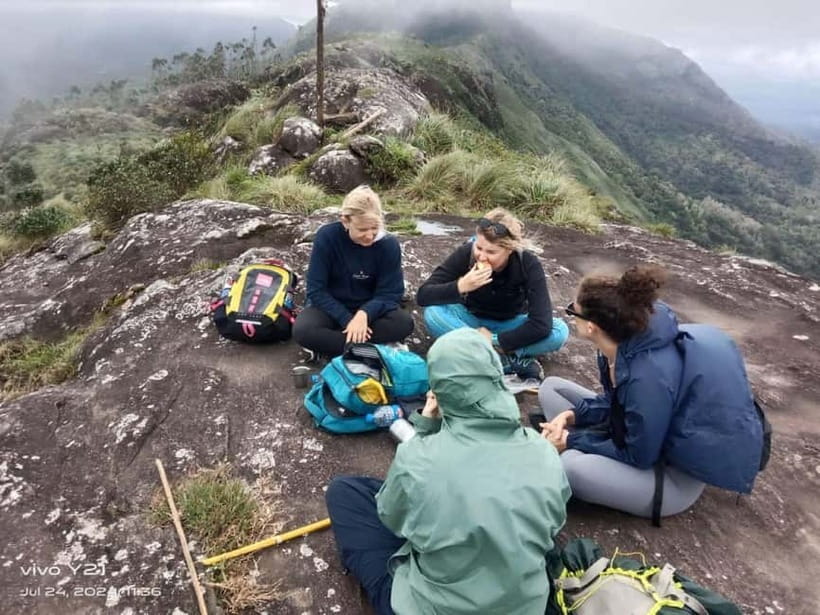
Most days begin at Munnar Info. You’ll meet there, and the provider picks you up from the Munnar town area, so you aren’t trying to figure out rural backroads on your own. The whole outing runs about 7 hours, and the walk covers roughly 14 to 18 kilometers.
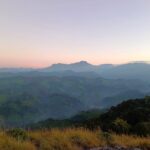
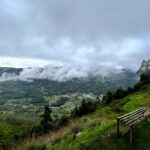
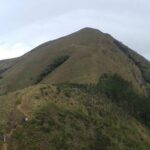
Altitude matters here. You start at around 1,420 meters above sea level and climb to the high point near 2,000 meters. That’s not just trivia. It usually means cooler air, quick fog-and-sun mood shifts, and a hiking pace that feels easier than a hot lowland walk—if you dress for it. At the end of the day, you head back down toward Old Munnar, with the descent typically happening between 3 and 5 pm.
If you like tours that feel organized but not rushed, this one hits a nice balance. It’s also the kind of hike where the “start” matters: one early snack or coffee moment helps you settle before you start climbing in earnest.
You can also read our reviews of more hiking tours in Munnar
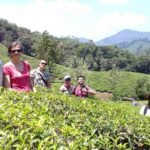
Walking through tea plantations: the lesson behind the rows
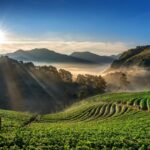
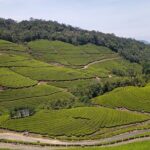
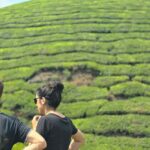
The heart of the hike is the tea country. You’ll spend time moving through green tea plantations, where the neat rows look uniform until your guide starts pointing out the details. This is the part that many people rave about because it’s not generic history—it’s practical, plant-level storytelling.
Here’s what you’ll likely get from your guide (whether it’s Rajan, Ramesh, King Raja, or Raja.J):
- How tea is grown and maintained on hillside slopes
- What tea harvesting looks like in daily work
- The basics of different teas and how the region fits into tea culture
Even if you’ve seen tea estates before, this hike helps you read them. Tea bushes aren’t just background. They’re crop timing, labor cycles, and hillside management. You’ll notice how the path cuts through the plantation and how views open up as you gain height.
This is also where the air changes slightly. The morning tea shade often feels cooler and calmer, and the walking rhythm is steady—good for settling in and getting comfortable with your pace. If you want Munnar beyond postcard viewpoints, this is the section that delivers.
Cardamom forests and shola woods: where the walk turns into nature time
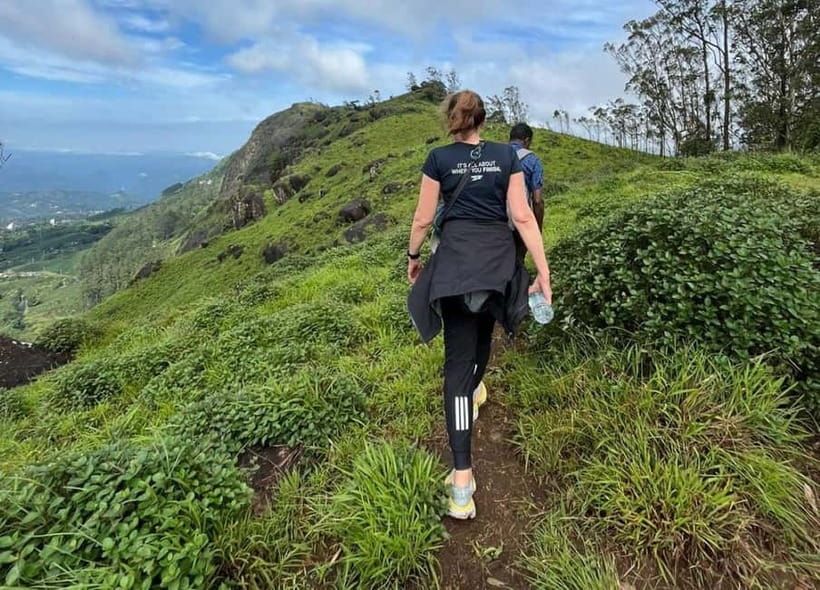
Once you move past the tea plantations, the air can feel different fast. Beyond the fields, you’re in cardamom forests, and the scent of cardamom is part of what makes this section memorable. It’s not just a smell check; it signals you’re leaving a managed crop area and stepping into a more forested ecosystem.
Then comes shola woods. This is a Western Ghats feature—dense canopy, thick shade, and a forest floor that feels alive with ferns and moss. If you like bird sounds and slow attention moments, shola woods are your payoff zone. You’ll likely hear birdsong and see movement overhead, even when the trail seems quiet.
A birdwatcher advantage here: shola habitats can host endemic birds, so your guide may help you spot types you don’t usually see on casual walks. Even when you can’t identify every species, you’ll notice the difference between open plantation air and enclosed forest conditions.
If you’re someone who gets tired when tours turn into constant marching, this section can actually help. The trail keeps moving, but the “pause” happens naturally—look up, listen, step around roots, then keep going.
Wildlife chances without the safari hype
Wildlife is one of the big reasons to choose this hike. The area is known for a chance to see:
- Malabar squirrels
- Black monkeys
- Wild elephants
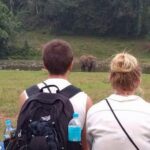
In reality, you shouldn’t plan your whole day around a guaranteed elephant sighting. But you can take the chances seriously. On some days, elephants are seen at a distance. On other days, the situation can be close enough that you may need to wait until the animal moves on before continuing.
That’s also why having a good guide helps. When someone like Rajan, Ramesh, or King Raja notices animal activity, they don’t push you toward noise or sudden rushing. You get to observe, keep calm, and keep your safety head on.
A practical note: elephants and monkeys can appear around trails and forest edges when they’re moving between areas to feed. Your job is simple—walk steadily, stay quiet when you notice activity, and follow your guide’s cues.
Lunch, water, and breaks: how the day stays friendly on the body
Food and water are built into the hike. You get packed food and mineral water, and the schedule includes refreshment stops. That’s a big value add for a day that can cover up to 18 kilometers, because you don’t want to spend your morning guessing what you’ll eat later.
From the vibe of the day, I think the best part is that you don’t carry the whole kitchen on your back. One tip worth taking from the experience: keep your own backpack light. Since water and snacks are included, you can focus on comfort—good shoes, a layer for the cooler altitude, and sunscreen.
Lunch usually happens while you’re out on the route, not after you’re already exhausted. That changes the whole feel of the afternoon. Instead of being “just surviving,” you get a proper reset—eat, hydrate, look around, then finish the descent.
You can also read our reviews of more tours and experiences in Munnar

Distance, difficulty, and pacing: what moderate hikers should know
The trek is listed as 14–18 km and about 7 hours. That sounds intimidating until you understand how the day is paced. Many people find it moderate rather than brutal, mainly because there are breaks and the ups and downs aren’t nonstop steep grinding.
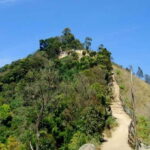
Still, treat it as a real hike. You’ll gain altitude from 1,420 m to around 2,000 m, so your legs feel it. The trail may include a couple longer uphill sections, and the last third of the day can feel heavier because you’re already walking tired.
What I’d do if you’re a moderate hiker:
- Wear shoes you trust on uneven ground
- Plan for cooldown time at the end of the day
- Expect the descent to be just as demanding on knees as the ascent is to thighs
Also, the day ends back at the meeting point area (Munnar Info), after that 3 to 5 pm descent window. So you’re not signing up for a multi-day trek—just a full-day workout with nature payoffs.
Price and value at about $24 per person
At $24 per person for a full day, this is priced like a value hike rather than a high-end private experience. The key is what’s included:
- Trained guide (English)
- Packed lunch/food
- Mineral water
- All entry fees
- Skip the ticket line
- Plus that practical added layer—someone like Rajan or Ramesh can point out the tea and forest details while you walk
What’s not included is private transportation pick up and drop off. That means your main logistics are handled by meeting at Munnar Info and getting picked up from Munnar town area as part of the experience.
So the real question for me isn’t just the price tag. It’s: do you want a guide who can turn tea gardens and shola woods into something you can interpret? If yes, this pricing makes sense.
If you just want photos from a bus route, you’d skip this. The value here is in the walking plus the explanation plus the included food.
What to pack and what to leave behind for a smooth hike
For this hike, keep your kit practical. Bring:
- Comfortable shoes (or proper hiking shoes)
- Sunscreen
- Anything you normally use for altitude comfort (like a light layer)
Don’t bring:
- Bikes
- Alcohol and drugs
- Alcoholic drinks in the vehicle
That last one matters because it keeps the day more family-friendly and calm, which is good when you’re sharing narrow trail moments with wildlife.
One small mindset tip: pack for changing weather at altitude. Even in a day hike, the air can feel different once you get above the plantation zones.
Who should book this full-day hike, and who should skip it
This experience fits best if you:
- Can handle 14–18 km on foot
- Prefer guided nature time over quick bus stops
- Want tea plantation context, not just scenery
It’s not suitable for:
- People with low fitness
- Babies under 1 year
- People over 95 years
If you’re traveling solo, it can still work well. One group size mentioned was small—around three people—which often makes it easier for the guide to answer questions and adjust pacing.
If you’re with kids, you’ll need to be careful. The hike length and duration are fixed, so younger walkers would need to be ready for the full day.
Should you book the Munnar mountain hiking full day?
Book it if you want your Munnar day to feel like more than viewpoints—especially if you care about tea, spices, and wildlife in a real walking format. The included food, water, guide, and entry fees mean you’re not spending the day managing logistics.
Skip it (or choose something gentler) if 18 kilometers sounds like a stretch for you. It’s a full-day commitment, and the climb to around 2,000 meters means you’ll feel it even with breaks.
FAQ
Is the hike in Munnar a full-day activity?
Yes. The duration is listed as 7 hours, with a hike time that fits a full day and a return by early afternoon.
Where do I meet for the hike?
The meeting point is Munnar Info. The activity also states that they will pick you up from the Munnar town area.
How long and how far is the trek?
It’s a day hike ranging between 14 to 18 kilometers.
How high do we hike?
You start around 1,420 meters above sea level and hike to the highest point near 2,000 meters MSL.
What will we walk through?
The route takes you through tea plantations, then cardamom forests, and you also pass through shola woods.
Will I see wildlife like monkeys or elephants?
You may see Malabar squirrels, black monkeys, and there is a chance of seeing wild elephants. Wildlife sightings are not guaranteed.
What’s included in the price?
Included items are packed food, mineral water, all entry fees, and a trained guide.
What is not included?
Private transportation for pick up and drop off is not included.
What language is the guide?
The guide provides a live English experience.
What should I bring, and what is not allowed?
Bring comfortable shoes (or hiking shoes) and sunscreen. Not allowed items include bikes and alcohol and drugs, including alcoholic drinks in the vehicle.
Is there a cancellation option?
Yes. There is free cancellation up to 24 hours in advance for a full refund.