Hyderabad rewards a guided day. This full-day loop strings together 16th-century landmarks with a local guide who turns stones, arches, and rituals into stories you can actually use. You’ll see why places like the Chilkur Balaji Temple feel personal to pilgrims, not just like sightseeing stops.
I love how this tour is built for convenience: pickup and drop-off from your Hyderabad hotel, private transportation, and lunch included. I also like that the stops aren’t random. You’ll move from devotion to music to royal tombs to a big city landmark, all with the same guide framing the big picture—an approach that guides such as Mr. Srinu Arvapalli, John, Sainath, and Azam have been praised for.
One possible drawback: the day can lean story-first, not fact-police. If you need strict historical precision at every sentence, you might want to treat the details as good conversation starters and keep expectations flexible.
In This Review
- Key things I’d plan around
- Chilkur Balaji Temple and the Visa Wish Ritual
- Taramati Baradari Resort and the Music Hall You Can Hear
- Qutb Shahi Tombs, Ibrahim Bagh Gardens, and Golconda Power
- Birla Mandir and the One Theme with Many Faces of Worship
- Hussain Sagar Lake and Hyderabad’s Big-Scale 16th Century
- How the 9.5-Hour Flow Works (and Why It Matters)
- Price and Value: What $133.34 Includes
- Guide Skills You’ll Actually Feel in the Stops
- Who This Tour Fits Best (and Who Might Prefer Another Plan)
- Should You Book This Tour?
- FAQ
- What is the duration of the Hyderabad city tour?
- When does the tour start?
- What places are included in the tour stops?
- Is lunch included?
- How does hotel pickup and drop-off work?
- Do I need to buy admission tickets?
- Is transportation included?
- Is this a private tour?
- Do I get a mobile ticket?
- What is the cancellation policy?
Key things I’d plan around
- A full-day heritage route: five major stops in about 9.5 hours, so wear shoes you can handle.
- Temple ritual with real meaning: Chilkur Balaji is known for visa-focused wishes and a specific devotion procedure.
- Taramati Baradari’s acoustics: a music hall setting where sound design becomes part of the experience.
- Royal power in stone: Qutb Shahi Tombs with arches, domes, minarets, galleries, and garden space (Ibrahim Bagh).
- Multiple deities, one devotion theme: Birla Mandir includes Venkateswara focus plus several other worship figures.
- Lunch + transport included: easier day planning since the big “logistics headache” is handled.
Chilkur Balaji Temple and the Visa Wish Ritual
This is where the tour starts to feel less like a checklist and more like a cultural moment. Chilkur Balaji Temple is dedicated to Lord Venkateswara and is described as about 500 years old. The highlight here is a pilgrimage practice tied to visa wishes—devotees come with hopes of going abroad, and they follow a specific procedure as part of the devotion.
If you’re the type who likes understanding why people do what they do, this stop pays off. Instead of just seeing a temple and moving on, you’ll get context for the ritual logic: the idea that a wish isn’t only a thought; it’s also a process, with steps people believe help the request land with the divine.
Practical note: it’s still a temple visit. Expect visitors, prayer, and a steady flow of people. Dress for comfort and respect, and plan a calm pace. You have about 1 hour here, so it’s enough time to see the main devotional areas without feeling rushed.
What could be tricky: if you’re sensitive to crowds or noise, this is the stop most likely to feel busy. But that busyness is also the point—you’re seeing something living, not staged.
You can also read our reviews of more guided tours in Hyderabad

Taramati Baradari Resort and the Music Hall You Can Hear
Next comes Taramati Baradari Resort, and the tone shifts from temple devotion to music and performance spaces. This site is known as a music hall with unbelievable acoustics. That matters because Hyderabad’s heritage isn’t just about what’s written on walls—it’s also about how sound works inside a specific architectural setting.
You’ll also connect the place to a royal court story. Taramati is described as the favorite dancer of Abdullah Qutub Shah, noted as the 7th Sultan. So even though you’re visiting a building, you’re also absorbing a reminder: Golconda’s rulers treated culture as a serious part of power.
If you’re short on time in Hyderabad, this stop is smart. It adds variety without requiring extra travel. And it gives you an easy topic for your brain: how a space can be designed so music carries, layers, and reaches people clearly.
Possible drawback: because this is a cultural venue, it can feel more like an interpretive stop than a hands-on one. You’re there to appreciate the setting and the story behind it, not to “do” an activity beyond observing. Still, the acoustic angle makes it more memorable than a typical roadside attraction.
Qutb Shahi Tombs, Ibrahim Bagh Gardens, and Golconda Power
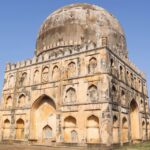
Then the tour leans hard into heritage architecture at Qutb Shahi Tombs. These tombs were erected in memory of the old kings of Golconda, and the design is described with details that help you read what you’re seeing: arches, columns, domes, minarets, and galleries—plus gardens called Ibrahim Bagh.
This stop is a great place to slow down, because tomb architecture is a language. Even without technical training, you’ll start noticing how shape and repetition reinforce status and permanence. The gardens add another layer: it’s not just stone monuments; it’s a designed environment meant to surround the dead with ordered beauty.
You’ll have about 1 hour at this stop. That’s a realistic window to see the main features and not turn it into a marathon. If you tend to get temple and tomb “burnout” easily, set a simple goal: pick two or three elements to focus on—maybe the dome/minaret grouping, the gallery structure, or the way the garden frames the space.
What you should watch for: sun exposure. The day is long, and multiple sites are outdoor-heavy. Bring sun protection and pace yourself. Private transport helps between stops, but once you’re walking and standing, Hyderabad’s heat is still heat.
Birla Mandir and the One Theme with Many Faces of Worship
Birla Mandir shifts the experience again, into a different religious atmosphere while staying within the tour’s overall theme of devotion. This temple is dedicated to Lord Venkateswara, with other worship figures included as well: Shiva, Ganesha, Hanuman, and Sai Baba.
That multi-deity mix can make this stop feel more personal for visitors from different backgrounds. Instead of a single narrow focus, you see how devotion in Hyderabad can overlap, with different traditions showing up inside one sacred space.
The architectural note you’ll get is that it’s described as magnificent—enough of a standout that it earns its own stop on this heritage day. And since you have about 1 hour, it’s practical: you can see the key areas, take in the atmosphere, and still stay on schedule.
One consideration: if you’re someone who prefers only historically old monuments, Birla Mandir might feel like a different category compared with the older Golconda sites. But that’s also the point. Hyderabad’s heritage isn’t only 1500s royalty; it’s also how devotion lives today.
Hussain Sagar Lake and Hyderabad’s Big-Scale 16th Century
The day ends at Hussain Sagar Lake, described as Asia’s largest artificial lake. It was built by Ibrahim Quli Qutub Shah in 1563, so you’re back in the 1500s story—Hyderabad’s transformation wasn’t just about forts and tombs. It was also about shaping water, space, and the city’s geography.
The biggest attraction mentioned for the lake is a very large monolith statue. Even if you’re not a statue person, the scale is the hook here. It’s the kind of landmark that gives you a sense of how rulers projected power into everyday urban life.
You’ll have about 1 hour here, which is enough for a proper look without turning your day into a long sit. If you like skyline moments and water-edge views, this is where you can relax your feet slightly and let the guide’s 16th-century thread land in a more modern setting.
Tip: because this is a lake area, you might get some breeze—but don’t count on it. Bring water, stay shaded when you can, and keep moving at your pace.
You can also read our reviews of more city tours in Hyderabad





How the 9.5-Hour Flow Works (and Why It Matters)
This tour is built to handle travel time for you. You start around 9:00 am, and the total duration runs about 9 hours 30 minutes. The rhythm is straightforward: hotel pickup, then a sequence of heritage stops, then back to your hotel.
Private transportation is a big part of the value here. Hyderabad traffic can be unpredictable, and when you’re doing a full heritage day, you don’t want to lose precious hours to transit logistics. Having round-trip transport means you can spend your energy on walking, photos, and asking questions.
Lunch is included. Drinks aren’t. That means you should plan on buying water separately if you need it beyond what’s provided during lunch (the tour doesn’t list drinks in the included items). I’d also mentally budget time to eat slowly enough that you don’t crash before the last two stops.
There’s also a “walking tour” vibe in the overall concept. You’ll be on your feet between sites, so comfortable shoes are not optional. If you’re the type who likes to stop for every viewpoint and photo, you might appreciate the private car even more—because you can ask your guide to adjust the pacing without derailing group harmony.
Price and Value: What $133.34 Includes
At $133.34 per person, this isn’t a bargain price in the “cheap seats” sense. But it can be good value for what’s bundled. Here’s what you get included: a local guide, lunch, hotel pickup and drop-off, private transportation, and admission tickets for the main stops—plus taxes and fees.
The value equation is simple: you’re paying for fewer decisions. A guided day with admissions built in saves you time and confusion, especially if you’re not familiar with how sites and rituals work. And the private car reduces the stress of moving between heritage areas across a large city.
If you’d otherwise piece together a day on your own, you’d probably spend time on planning, then pay for transport, and then still pay admission separately. In that light, the price becomes easier to justify—especially if you’re traveling with someone else in your group and can split costs.
One cost to remember: drinks. Lunch is included, but if you like bottled drinks with your meal, plan extra money.
Guide Skills You’ll Actually Feel in the Stops
This tour lives and dies by the guide. The best experiences here come from guides who can connect each site to the wider Hyderabad story—especially that 16th-century history thread.
People have praised guides like Mr. Srinu Arvapalli for explaining history in a way that lands. Others have been impressed by guides such as John for running two tours with consistent detail and pacing. There’s also praise for guides who keep things practical—Azam is mentioned as patient and for taking someone to a great biryani spot, which is exactly the kind of local nudge that makes lunch feel like part of the day, not just a pause.
At the same time, not every story will feel perfect to everyone. One experience flagged that storytelling can come with questionable facts. I’d treat the narration as a strong starting point, not a single source of truth. If you ask questions and stay engaged, you’ll usually get more value out of the guide’s approach—whatever their style.
Who This Tour Fits Best (and Who Might Prefer Another Plan)
This is a strong match if you:
- want a heritage overview without building it yourself
- like devotion and architecture side-by-side
- value having someone translate what you’re seeing into real context
- have a short stay and want a structured day
It might be less ideal if you:
- hate long full-day schedules
- prefer only the oldest monuments and nothing else
- are extremely strict about historical accuracy down to every detail
If you’re traveling with a friend who’s more into food and daily life, the lunch stop and the guide’s local picks can make this feel extra worthwhile.
Should You Book This Tour?
Book it if you want a guided, admission-included heritage day that saves you from decision fatigue and helps you see Hyderabad as a connected story—from Chilkur Balaji’s wish ritual to Qutb Shahi Tombs and Ibrahim Bagh, then out to the big 1500s imprint at Hussain Sagar Lake.
Skip it or shop alternatives if you’re mainly chasing museum-style facts with zero story-telling interpretation. This tour works best when you enjoy conversation, context, and the human side of how heritage is experienced.
FAQ
What is the duration of the Hyderabad city tour?
The tour lasts about 9 hours 30 minutes.
When does the tour start?
The start time is 9:00 am.
What places are included in the tour stops?
The tour includes Chilkur Balaji Temple, Taramati Baradari Resort, Qutb Shahi Tombs, Birla Mandir, and Hussain Sagar Lake.
Is lunch included?
Yes, lunch is included. Drinks are not included.
How does hotel pickup and drop-off work?
Hotel pickup and drop-off are included as part of the experience.
Do I need to buy admission tickets?
Admission tickets for the listed stops are included.
Is transportation included?
Yes. Private transportation is included for round-trip travel from your Hyderabad hotel.
Is this a private tour?
Yes. It’s listed as a private tour/activity, meaning only your group participates.
Do I get a mobile ticket?
Yes, the tour includes mobile ticket delivery.
What is the cancellation policy?
Free cancellation is available. You can cancel up to 24 hours in advance for a full refund.