REVIEW · BANGALORE
Bangalore Walking Tour KR Flower Market,Fort,Tippu palace
Book on GetYourGuide →Operated by Bengaluru pub crawlers info · Bookable on GetYourGuide
Smell the flowers, then step into Tipu’s world. This KR Market walking tour links Tipu Sultan’s Summer Palace with a stop at Bangalore Fort, then sends you through the flower-and-produce streets of City Market.
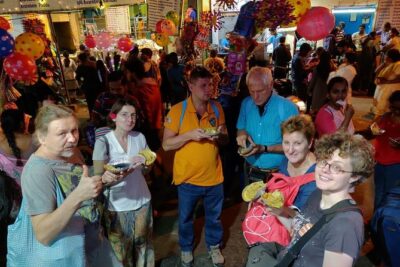
I love the way the guide, often Chandan, explains why the market started in 1928 under Krishna Rajendra Wodeyar, and how KR in the name honors him. I also like the hands-on vendor time, including free fruit tasting with street fruit and vegetable sellers.
The only real drawback: KR Market gets crowded fast, so plan on close quarters and bring comfortable shoes for walking.
In This Review
- Key things you’ll notice on this Bangalore walking route
- Meeting Outside Tipu Sultan’s Summer Palace, Then Walking Into the Old City
- Bangalore Fort: A Quick Sight Stop That Sets Context
- KR Market: Flower Stalls, Produce Streets, and How Wholesale Shows Up in Daily Life
- The Shopping Block: How to Make 30 Minutes Count in KR Market
- Arts and Crafts Market Time: What You See After the Flowers
- Guide Time in the Real Market: Why Chandan (and Mahadev) Matter
- Price and Timing: Is $31 for 3 Hours Good Value?
- What to Bring (and How to Not Get Miserable in a Crowded Market)
- Who This Tour Fits Best (and Who Might Want to Skip)
- Should You Book This KR Market and Fort Walk?
- FAQ
- Where do we meet for the Bangalore walking tour?
- How long is the tour?
- How much does the KR Market, Fort, and Tipu Palace tour cost?
- What’s included in the tour price?
- Is transportation included?
- What languages do the guides speak?
- Do I need to buy a Tipu Sultan’s Summer Palace ticket in advance?
- What should I bring with me?
- Can I cancel, and can I reserve without paying right now?
Key things you’ll notice on this Bangalore walking route
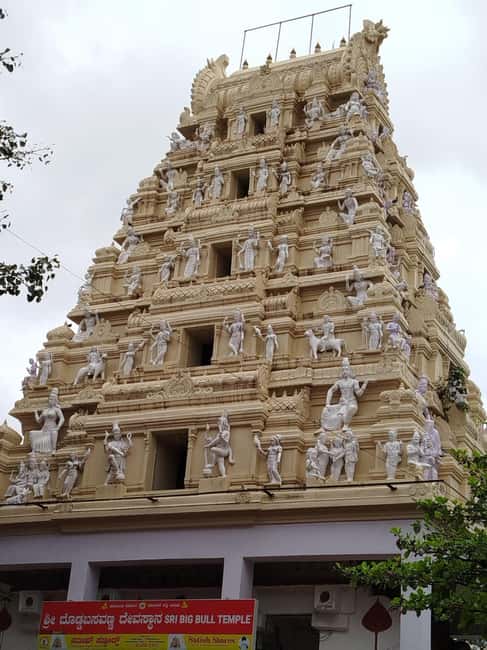
- You start at Tipu Sultan’s Summer Palace and move on foot, so the day feels like a connected loop instead of separate taxis.
- KR Market dates to 1928 and was built as a wholesale agricultural market named in tribute to Krishna Rajendra Wodeyar.
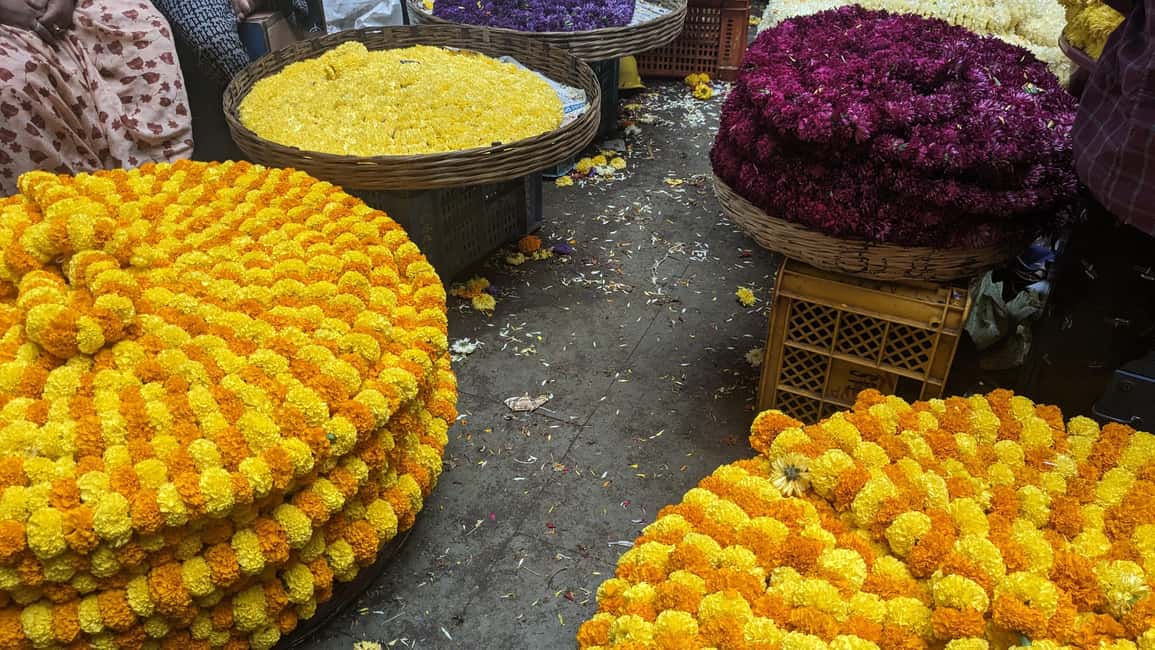
- Flower stalls lead the experience, with sharp color and strong scents that make you slow down and look.
- You get real interaction time with vendors, not just a drive-by photo stop.
- Free fruit tasting adds a quick, practical taste of daily market life.
- Private group + multilingual guides (English, French, German, Hindi, Kannada) help you follow every detail.
Meeting Outside Tipu Sultan’s Summer Palace, Then Walking Into the Old City
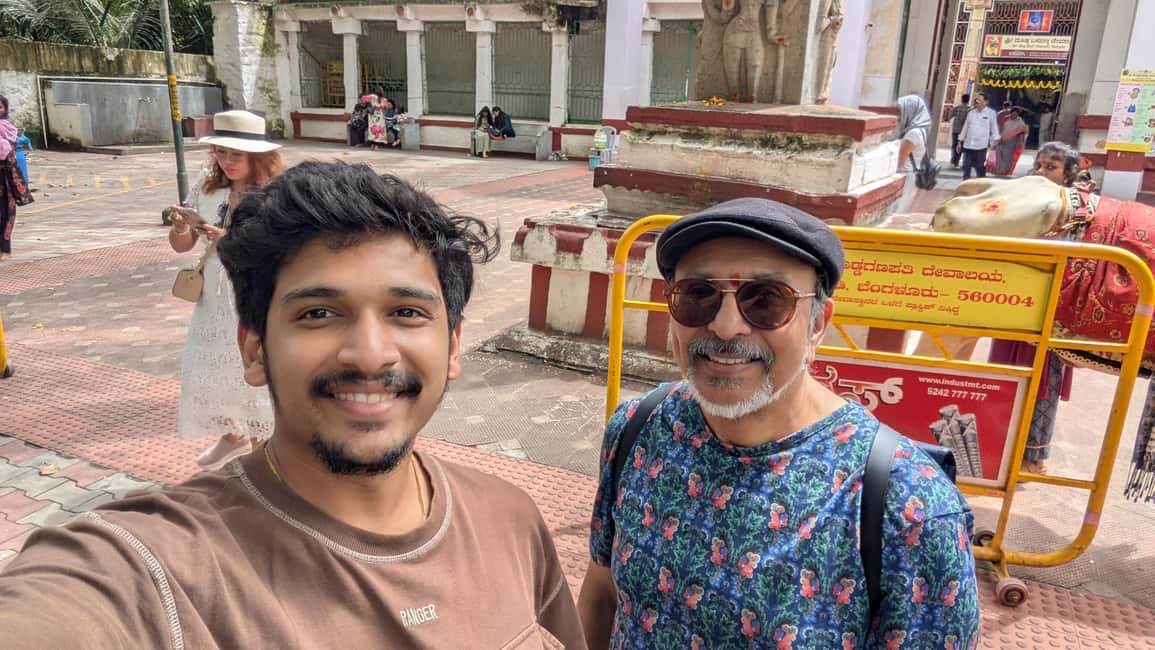
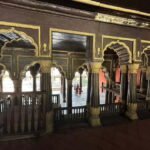
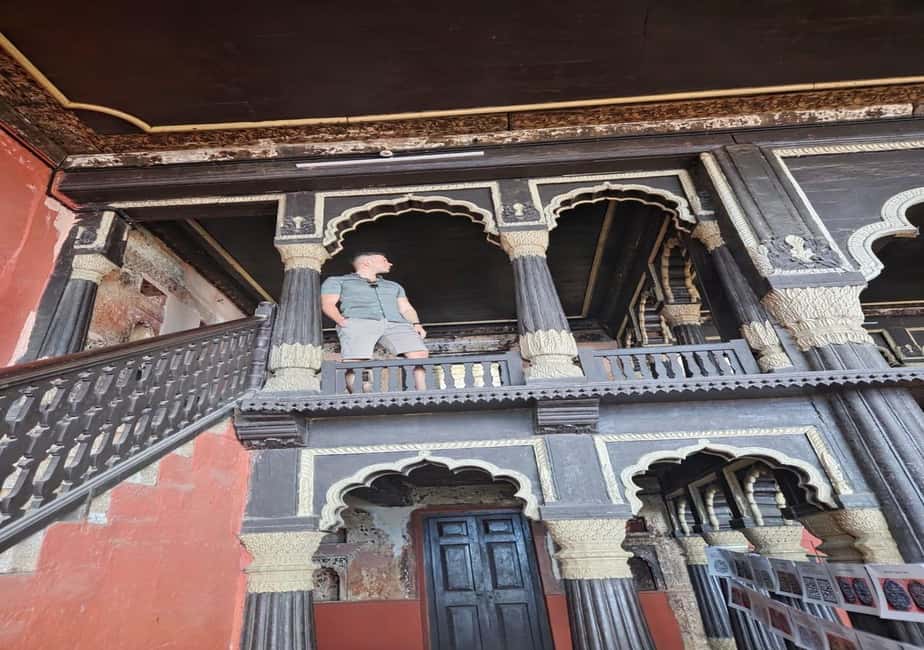
This tour begins outside Tipu Sultan’s Summer Palace, and you enter together with your guide. That matters because it saves you from figuring out the flow on your own right at the start. You also get the benefit of skipping the ticket line, which can be a relief when you’re on a tight schedule.
If you don’t carry cash, the tour recommends buying your Tipu palace ticket online in advance. That’s smart advice in a city where cash and cards can be patchy depending on the vendor, counter, or time of day. The walk itself is part of the fun: a simple 20-minute transfer on foot that helps you get your bearings before you hit the market crowds.
You’re in the right mindset for markets once you’re done with the palace entry. Tipu’s palace sets the tone—Bangalore isn’t only modern malls and traffic. Then you head out into the streets where daily buying and selling still shapes the city’s rhythm.
You can also read our reviews of more walking tours in Bangalore

Bangalore Fort: A Quick Sight Stop That Sets Context
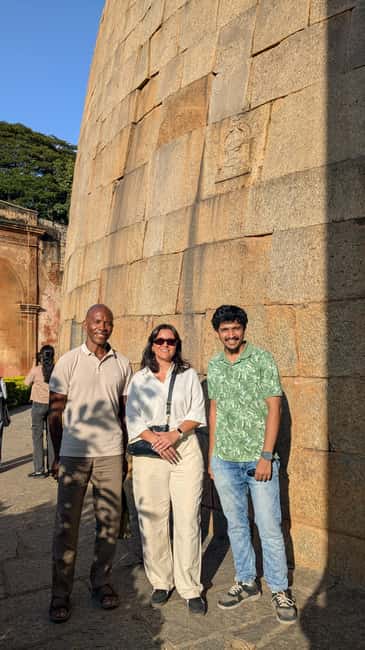
After the short walk, you get a 30-minute sightseeing stop at Bangalore Fort. This is not a long detour; it’s a planned breather before you spend the rest of your time with the sights, smells, and foot traffic of KR Market.
Think of this stop as your “where am I in the city” moment. Even without a deep technical history lesson, seeing the fort area helps you understand why the market sits where it does and why the old parts of town still feel like a system rather than disconnected attractions. It also breaks up the day nicely, so you don’t go straight from palace entry into sensory overload.
You’ll want to pay attention to what your guide points out here, because it will shape how you read the market later. Fort area stops work best when you use them to re-orient your route and expectations.
KR Market: Flower Stalls, Produce Streets, and How Wholesale Shows Up in Daily Life
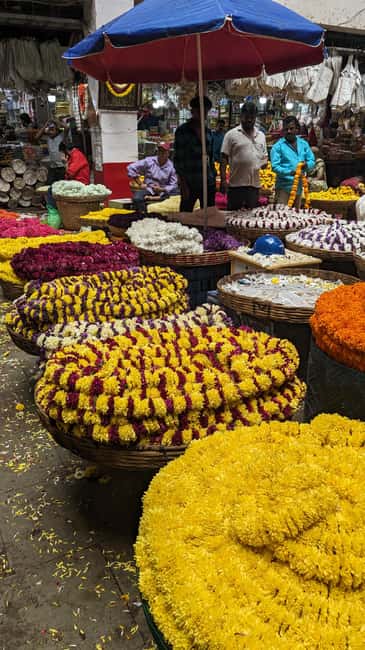
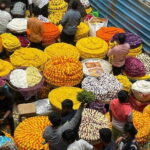
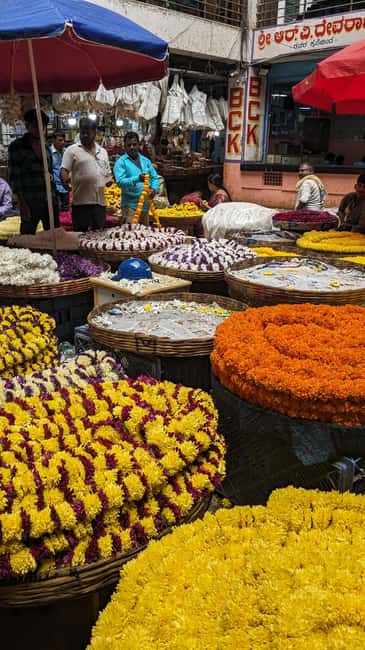
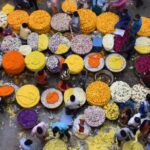
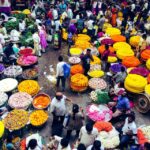
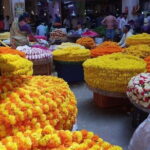
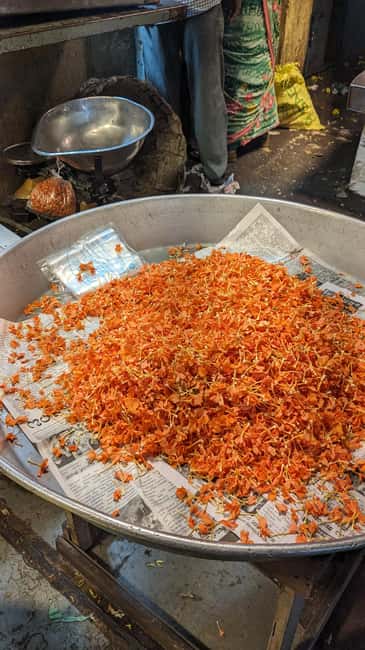
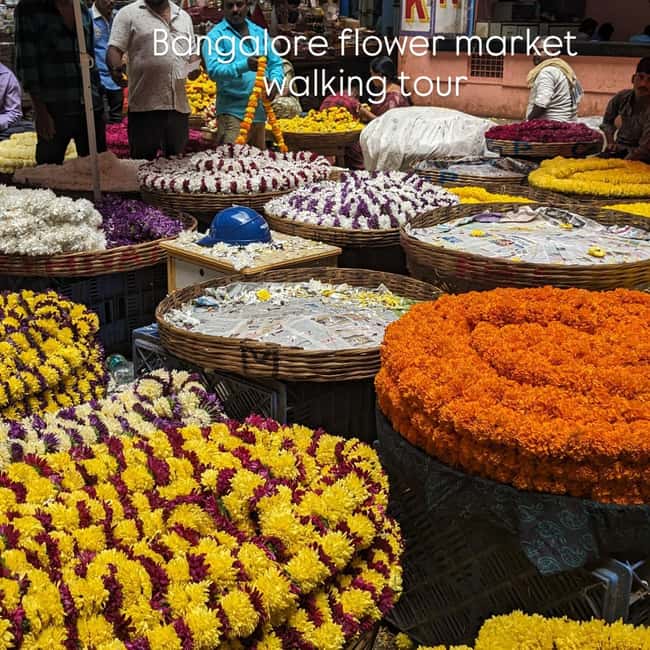
Now for the main event. Your KR Market visit takes about an hour, and it centers on the flower stalls. The first thing you notice is how immediate the experience is: the color is upfront, and the scent hits quickly too. It’s also a place where you can watch people doing what they came to do—buyers checking, sellers arranging, and goods moving through the lanes.
Here’s what I really like about this stop: you’re not only looking at flowers. You’re seeing how the market functions as a core supply point for the city. KR Market—also called City Market—was established in 1928 as a wholesale agriculture market during the rule of Krishna Rajendra Wodeyar. The market’s name reflects that tribute, so when your guide explains it, the place makes more sense than just a stop for photos.
Your guide walks you through the busy selling areas and gives historical insights while you’re right in the movement. You’ll also get a chance to interact with local vendors. That’s where the experience becomes more than sightseeing. Ask questions about what people buy and why, and you start learning how the day-to-day economy works here.
One practical note: this is a crowd environment. If you’re claustrophobic or you hate shoulder-to-shoulder walking, you may find parts of KR Market stressful. For everyone else, it’s part of the charm. Go slowly, keep your ID and cash secure, and let your guide handle the route through the thickest parts.
The Shopping Block: How to Make 30 Minutes Count in KR Market
After the guided visit, you get about 30 minutes for shopping. This is enough time to pick something small and meaningful without turning the tour into a long market marathon. I like that the shopping window is separate, because you can enjoy the walking-and-learning portion first and then decide what you actually want afterward.
Bring cash, since the tour info calls it out for a reason. Also, KR Market is the type of place where you’re better off being decisive. If you wait too long, you lose your bearings and the crowd flow pulls you along.
What should you buy? The tour specifically includes the flower area and an arts-and-crafts segment later, so your best bets are items connected to those parts of the market. If you’re choosing flowers or produce-related items, remember you’re in a street market environment—conditions can be warm and hands-on, so pick things you’ll manage easily.
If you want souvenirs, keep your purchases compact. You’ll appreciate this advice once the day continues into the arts-and-crafts lanes, where you’ll likely want space for extra shopping.
Arts and Crafts Market Time: What You See After the Flowers
Next comes the arts and crafts market visit, another block of about an hour. This is where the tour shifts from fresh goods to take-home items. It’s also a nice pacing change, because you’re moving from strong scents and color to smaller displays and handmade browsing.
I find arts-and-crafts time works best when you treat it like a conversation with the market. You don’t need to buy something every minute. Instead, watch how sellers present their goods and how your guide translates what’s being sold and why. If you’ve spent time in modern bazaars, the feel here can be different because the market is still operating as an active trading zone.
The good news: you already understand the market’s role from the flower and produce portion. That context helps you notice what’s local and practical, not just pretty.
You can also read our reviews of more shopping tours in Bangalore

Guide Time in the Real Market: Why Chandan (and Mahadev) Matter
A tour like this rises or falls on your guide. In the feedback, Chandan comes up as friendly, adaptable, and very good at explaining the connection between the palace area, the fort area, and KR Market. You’ll feel it when your questions get answered on the spot rather than saving everything for the end.
Language support is also a real benefit here. The tour runs with guides who can work in English, French, German, Hindi, and Kannada. In at least one instance, German-language support included written flyers, which helps you remember details after the tour while you’re walking around independently.
Another reason this guide model works: the experience is practical. The market can be confusing if you’re on your own, and it’s also crowded. A good guide helps you keep moving, find the places worth your attention, and avoid wasting time in areas that aren’t part of your focus.
I also saw examples where guides helped coordinate for visitors who needed extra support during the walking route. That’s worth noting if you’re traveling with older family members or anyone who may tire out. You can ask ahead about your group’s needs, because being prepared matters when the route is on foot.
Price and Timing: Is $31 for 3 Hours Good Value?
At $31 per person for about 3 hours, this is priced like an experience that’s meant to be both efficient and guided. You’re paying for more than walking through a market. You get historical context, a focused flower-market route, fruit tasting, and time for shopping.
That value is stronger because the itinerary is structured. You get:
- a palace start with ticket-line skipping
- a short fort sightseeing stop
- a guided KR Market flower-and-produce visit
- a dedicated shopping block
- an arts-and-crafts segment
Transportation isn’t included, so you should plan how you’ll reach Tipu Sultan’s Summer Palace. Once you’re there, the walking portion takes care of the routing for you, which is a big part of why guided market tours often feel worth it.
If you’re short on time and you want a “taste” of Bangalore’s older parts—palace, fort area, and working market—this duration fits well. If you already know you want to spend hours bargaining, comparing, and revisiting, then you might prefer a longer self-paced market day. But for a 3-hour introduction, this is a sensible package.
What to Bring (and How to Not Get Miserable in a Crowded Market)
KR Market can be a lot, even when it’s fun. The tour info suggests bringing passport or ID card, sunglasses, a hat, and cash. I’d add one more mindset: dress for movement. You’ll do enough walking that shoes matter.
A hat and sunglasses aren’t just for style here. Tipu’s palace entry and the market environment can involve sun exposure and long minutes on your feet. If you plan to shop, keep your ID and cash secure and avoid juggling bags that can catch on crowded shoulders.
Also, expect crowds. The tour specifically warns about it, so don’t treat this like a quiet stroll. Use your guide to move through tight lanes, and keep your pace steady.
Who This Tour Fits Best (and Who Might Want to Skip)
This tour is a strong fit if you want:
- a quick, guided intro to KR Market (including flowers and produce areas)
- the story behind the market’s 1928 founding and its connection to Krishna Rajendra Wodeyar
- practical street interaction, including free fruit tasting
- a structured 3-hour route from Tipu Sultan’s Summer Palace into Bangalore Fort and the market zone
It may not be ideal if you hate crowds or you struggle with tight walking spaces. Also, if your day is already packed with palaces and forts and you’re not that interested in shopping or market culture, you may feel pulled in too many directions in just three hours.
If you’re traveling with family, note that at least one guide has coordinated extra support for an older group with mobility needs. Still, bring realistic expectations: this is a walking route through a working market, not a slow museum tour.
Should You Book This KR Market and Fort Walk?
I’d book it if you’re trying to see how Bangalore’s older layers work together: a royal landmark at the start, a fort stop for context, then a market that still drives daily life. The price is reasonable for a guided route that includes history, a structured shopping window, and fruit tasting.
I’d hesitate only if crowds will spoil your day or if you already plan to spend a long afternoon in KR Market on your own. In that case, you might get more freedom without a fixed timeline.
If you do book, show up with comfortable shoes, bring cash, and treat the tour like a guided orientation. You’re not just passing time—you’re learning how this market ties to the city.
FAQ
Where do we meet for the Bangalore walking tour?
You meet outside Tipu Sultan’s Summer Palace, and you enter to the palace together with the guide.
How long is the tour?
The total duration is 3 hours.
How much does the KR Market, Fort, and Tipu Palace tour cost?
It’s priced at $31 per person.
What’s included in the tour price?
The tour includes a guided visit to KR Market with historical insights, a flower market visit, time with fruit and vegetable street vendors, and free fruit tasting.
Is transportation included?
No. Transportation to and from the market is not included.
What languages do the guides speak?
Guides are available in English, French, German, Hindi, and Kannada.
Do I need to buy a Tipu Sultan’s Summer Palace ticket in advance?
You enter the palace together with the guide, and the tour suggests buying your Tipu palace ticket online if you do not have cash.
What should I bring with me?
Bring your passport or ID card, sunglasses, a hat, and cash. Wear comfortable shoes for the walking.
Can I cancel, and can I reserve without paying right now?
Yes. You can cancel up to 24 hours in advance for a full refund. You can also reserve now and pay later, depending on availability.