REVIEW · BANGALORE
Private Bannerghatta National Park Day Excursion
Book on GetYourGuide →Operated by INDIATOR · Bookable on GetYourGuide
A safari circuit with butterflies beats a typical zoo day. I love that the day is built around the Bannerghatta reserve’s zone-based safari (herbivores to big cats) plus the big color payoff at Butterfly Park. I also like that you get hotel pickup and drop-off, which keeps the day simple in a city that otherwise eats time with traffic. One thing to consider: the day can feel rushed depending on whether you actually get full safari time, English commentary, and zoo access.
You’ll start early, ride in air-conditioned transport, then spend the middle of the day inside the park’s different safari sections. I love the way the schedule breaks animals into focused areas, so you’re not just driving around hoping for luck. A possible drawback is that some versions of this experience have gotten shorter or more bus-like than what’s implied by a private setup, so it’s worth confirming what vehicle and guide you’ll have.
In This Review
- Key takeaways before you go
- Getting to Bannerghatta: the Bangalore timing that matters
- The Grand Safari circuit: herbivores to big cats (how it’s paced)
- Herbivore Safari: where you start safely
- Bear Safari: forest closeness
- Tiger Safari: luck plus a dedicated white-tiger area
- Lion Safari: rest zones and bamboo parks
- Zoo time at Bannerghatta: what you get and why it’s included
- Butterfly Park Gate: thousands of butterflies and some monkey energy
- How long 7 hours really lasts: the pacing reality
- Price and value: what you should verify before you pay
- Driver, guide, and small-group reality: what “private” should mean
- Best for: who this day trip fits (and who should pick something else)
- Should you book this Bannerghatta private day excursion?
- FAQ
- What time does the trip start and when do you return to Bangalore?
- Is hotel pickup and drop-off included?
- How big is the group?
- Is the tour guide in English?
- What happens during the safari at Bannerghatta?
- Will I have time for the zoo and lunch?
- Are there camera rules or extra fees inside the park?
Key takeaways before you go
- Zone-based wildlife viewing: herbivores, bears, tigers/white tigers, then lions, each as its own safari area.
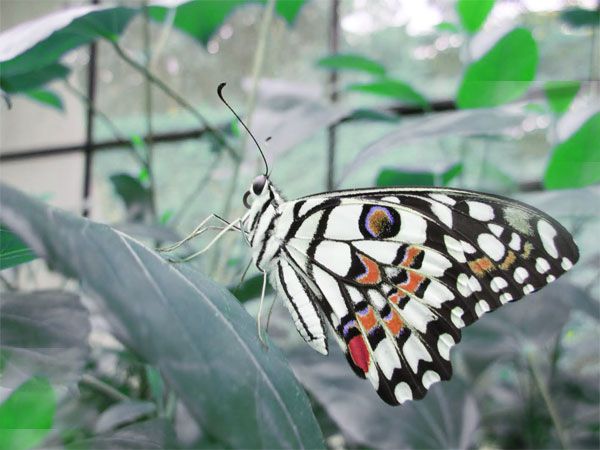
- Butterfly Park payoff: thousands of butterflies plus monkeys near the gate area.
- Mini zoo with a purpose: created in 1972 for recreation/education and conservation awareness.
- Fast Bangalore logistics: about 24 km from the city, aiming to arrive before the safari window opens.
- Value depends on delivery: make sure the package includes the safari time, guide language, and park entry you expect.
Getting to Bannerghatta: the Bangalore timing that matters
This is a half-day escape designed for people who want wildlife without planning their own transport. You’ll leave around 7:30 am after breakfast and head about 24 km from Bangalore to Bannerghatta National Park, with arrival around 8:45 am. The representative meets you at the hotel lobby, then you ride in an AC car to the park.
Why I think this timing works: Bannerghatta’s animals are most active earlier, and the safari start window is set to get you into the reserve efficiently. You also have a small buffer if you’re delayed by Bangalore traffic, since the park ticket counter opens between 9:00 am and 9:30 am.
At the park, the representative arranges your entry ticket and the Grand Safari. That’s the big convenience piece. If you’re the type who likes to manage every ticket yourself, you can do it—but for many visitors, paying for smooth entry is the point.
One quick heads-up from the park rules: Bannerghatta is a completely plastic-free zone. That means you’ll want to travel light and avoid bringing a plastic bottle or bag in. Also, there are camera fees inside the park: INR 25 for a digital camera and INR 200 for a video camera. Those fees are small, but they’re the kind of thing that can turn into a minor hassle if you forget.
You can also read our reviews of more private tours in Bangalore


The Grand Safari circuit: herbivores to big cats (how it’s paced)
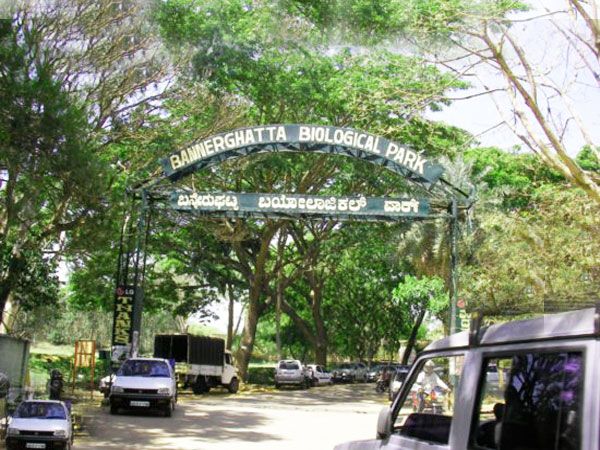
The safari typically starts between 10:00 am and 10:30 am, and during this block you may also visit the zoo. Then you board the safari vehicle for a route through the reserve’s themed zones. The day is structured so you move through sections rather than wandering randomly.
Herbivore Safari: where you start safely
The first stop is the Herbivore Safari, dedicated to non-flesh-eating animals. Expect a chance to see bison and lots of deer. This section is often the easiest one for first-time safari watchers because herbivores tend to be visible without needing a lucky roar-and-rush moment.
Practical tip: have your camera ready before you enter the zone. Early moments can be when animals are most unhurried.
Bear Safari: forest closeness
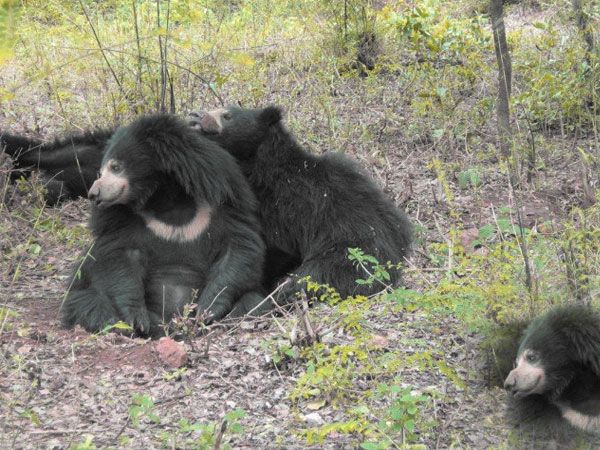
Next is the Bear Safari, where bears are kept inside forested areas. The description of this stop is straightforward: brace yourself for the thrill of spotting bears within the natural cover. If you’re visiting with kids, this is also the section that tends to feel like the day is really happening.
Tiger Safari: luck plus a dedicated white-tiger area
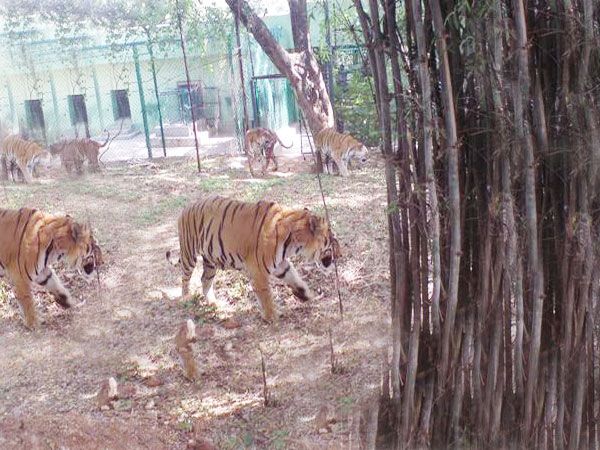
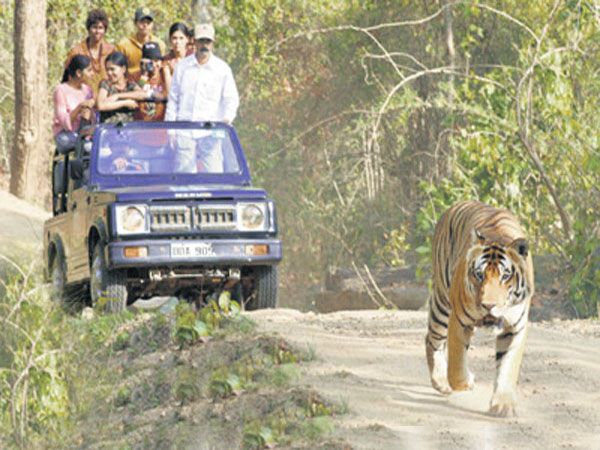
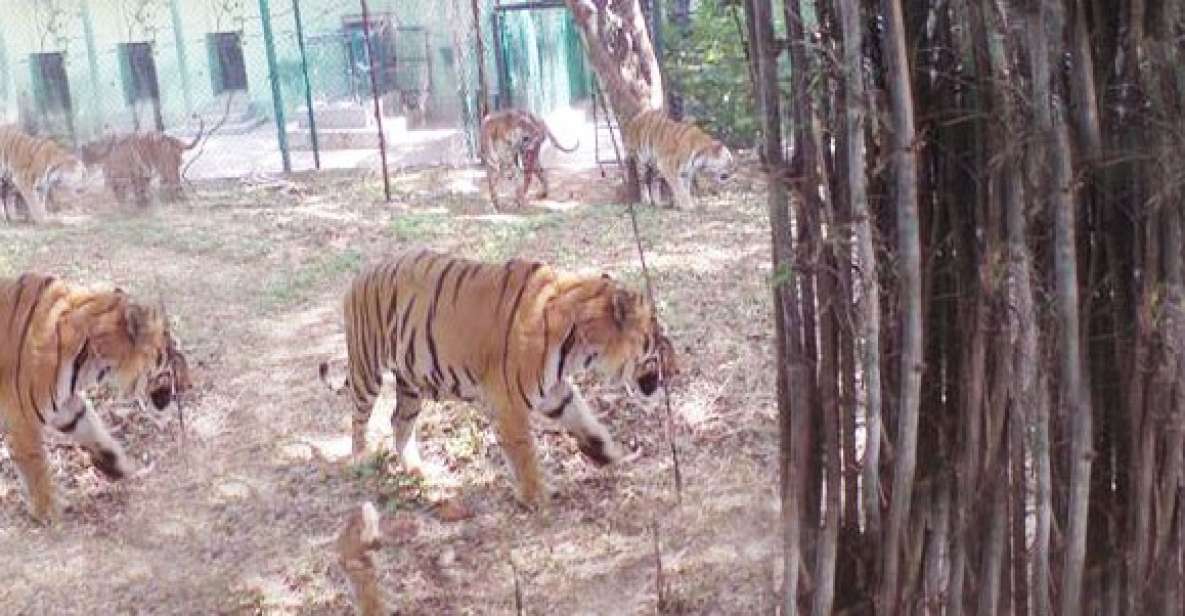
Then comes the high-stakes part: Tiger Safari. You may spot tigers, and there’s mention of white tigers if you’re lucky. Inside the Tiger Safari area, there’s a special zone dedicated to white tigers, described as having artificial space for recreation.
Here’s the value of the way this reserve is organized: even though you can’t guarantee tiger sightings, the safari route is designed to give you multiple opportunities to view the right habitats. You’re not spending the whole day hoping the driver notices something.




Lion Safari: rest zones and bamboo parks
Finally, there’s Lion Safari. You can see lions taking rest in bamboo parks, and there may be lions taking a bath. Lions are often most visible when they’re not moving, so don’t assume you’ll see action. Watch for stillness too.
One consideration: the day feels better if you treat this like a viewing experience rather than a promise. You’re paying for the circuit and the structured viewing—then you let the animals do the actual surprise work.
Zoo time at Bannerghatta: what you get and why it’s included
After the safari window starts (or later depending on timing), you may also visit the zoo. There’s a mini zoo created in 1972, originally tied to growing tourist demand and to education for younger generations. The idea wasn’t just entertainment: it was also about raising awareness of the importance of conservation of flora and fauna and preserving the gene pool of endangered species of wild animals in the region.
How to make this part worth your time: don’t treat it as a separate attraction you have to rush through. Treat it as a learning add-on that gives context to what you just saw—or what you hoped to see—during the safari.
If your schedule is tight, you can still use the zoo time strategically:
- Focus on exhibits that connect to conservation messaging
- Spend less time where you already know the animal story from other zoos
- Prioritize anything related to the same ecosystem themes you saw in the reserve zones
And yes, this is where some people feel disappointed when the day doesn’t leave enough time. If you care about zoo browsing, ask the operator ahead of time whether you’re getting a real chunk of zoo access or only a quick pass.
Butterfly Park Gate: thousands of butterflies and some monkey energy
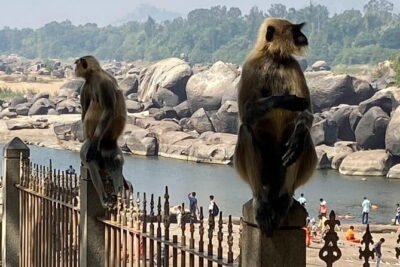
After the safari portion, the day includes a stop at the Butterfly Park Gate. This is where the experience shifts from animal hunting to a visual feast. You’ll find monkeys and thousands of butterflies swarming around.
Why this stop is such a good closer: it changes your pace. After tigers and lions, you get something gentle and colorful. It’s also the kind of place where you can slow down and actually enjoy the moment instead of scanning for movement through a vehicle window.
Practical photo note: butterfly moments can be quick and unpredictable. Give yourself permission to take more photos than you think you need. Also, bring breathable clothes; you’ll spend time standing near the gate and moving through the areas around the park.
How long 7 hours really lasts: the pacing reality
On paper, the schedule looks clean: pickup around 7:30 am, arrive around 8:45 am, safari starting 10:00–10:30 am, then return to your hotel around 4:00 pm. In real life, the “shape” of the day depends on a few variables: how quickly the tickets are processed, how long you spend in each safari zone, and whether you get the zoo portion.
One common feeling that can happen on any big wildlife day: waiting. If you arrive early, you might sit around until the ticket counter opens. That’s not automatically bad—arriving early can also reduce stress—but you don’t want to feel like you paid for a full experience and then watched the clock.
Also, safari time inside a reserve is often shorter than people imagine, because the vehicle route has a defined flow. The reserve visit itself doesn’t usually eat the entire day; it’s the stops and transit that fill the gaps.
My advice: treat this as a focused day. If you’re the kind of traveler who wants unhurried wandering and long lunch breaks, you might find the pace tight. If you want a compact “see a lot without planning a lot,” it’s a solid fit.
Price and value: what you should verify before you pay
The listed price for this day excursion is $125 per person for a 7-hour experience, with small group size limited to 8 participants, plus English live guidance and hotel pickup/drop-off. That can be fair value if you get the core promise: entry + Grand Safari + real time for at least some zoo access.
But the word you should keep in your head is delivery. In this kind of wildlife package, the biggest value levers are:
- Whether you actually get the full safari circuit with the intended zones
- Whether the safari vehicle matches what you expect (private setup versus something more shared)
- Whether the guide you’re relying on for English commentary is truly part of the experience
- Whether the itinerary timing leaves room for the zoo and butterfly gate without cutting it short
Some past guests have felt the experience didn’t match what was described—especially around how much time was spent and whether English support happened as promised. You can reduce the risk by asking a couple of straightforward questions when you book:
- Will my group have access to zoo time, and for how long?
- Will the safari be a private jeep-type experience or a more shared bus-style route?
- Who exactly will be speaking English during the safari segment?
One more value point: the park itself has camera fees and a plastic-free rule, so factor those small extras into your expectations. They’re not deal-breakers, but they matter for a smooth day.
If everything clicks, you’re paying mainly for convenience and structure—transport, timed entry, and the safari route through the reserve’s themed habitats.
Driver, guide, and small-group reality: what “private” should mean
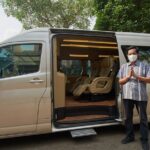
You should expect a friendly driver and a live English tour guide as part of the experience. Pickup is from any Bangalore hotel, with the driver reporting to your lobby, and you return to your hotel at about 4:00 pm.
Where the “private” label can get confusing on these tours is how the day is split between roles. Sometimes the driver handles transport, while the ranger or local staff handles the safari route. That can be totally fine for photos and animal sightings, but it changes what you get out of the day intellectually.
My practical take: if English commentary matters to you—beyond basic animal names—confirm that the English-speaking guide is present for the safari segment itself, not only for the transfer and waiting time.
Best for: who this day trip fits (and who should pick something else)
This excursion fits well if you want:
- A wildlife day in Bangalore without navigating tickets and transport
- A structured safari route with herbivore, bear, tiger, and lion zones
- A fun, colorful finale at Butterfly Park
- A small group setting (up to 8 people)
It may be less ideal if you:
- Want deep, continuous narration in English during every minute of the safari
- Really care about long zoo wandering time
- Plan to combine this with big temple touring in the same day
And about those temple stops (Belur, Halebeedu, Shravanabelagola): the highlights list them, but the described timing for Bannerghatta alone already fills most of a 7-hour slot. Before you assume all of those are included, ask the operator to confirm the exact plan for your date.
Should you book this Bannerghatta private day excursion?
Book it if you want a compact Bangalore wildlife experience with structured safari zones and a guaranteed fun closer at Butterfly Park. At the $125-per-person level, it’s most worth it when you can count on full entry + safari + at least some zoo time, plus real English support.
Skip or choose carefully if you’re the type who gets cranky when tours run short. Ask the tough questions before payment about safari vehicle type, English guide presence during the reserve portion, and how much time you’ll get for the zoo after Butterfly Park. If you confirm those details, you’ll be in the best position to come away feeling you got your money’s worth.
FAQ
What time does the trip start and when do you return to Bangalore?
You’ll depart around 7:30 am after breakfast and arrive at Bannerghatta around 8:45 am. The driver drops you back at your Bangalore hotel around 4:00 pm.
Is hotel pickup and drop-off included?
Yes. The driver picks you up from your Bangalore hotel lobby and drops you back after the tour.
How big is the group?
The group is limited to a small size, with a maximum of 8 participants.
Is the tour guide in English?
The tour includes a live tour guide in English.
What happens during the safari at Bannerghatta?
After ticketing and timing for the safari, you board the Grand Safari and visit zone stops in sequence: Herbivore Safari, Bear Safari, Tiger Safari (with a special white-tiger zone), and Lion Safari.
Will I have time for the zoo and lunch?
You may visit the zoo around the safari window, and after Butterfly Park you can choose either more zoo time or lunch at your own expense (including options around the Dosa Camp Area).
Are there camera rules or extra fees inside the park?
Yes. Bannerghatta is a plastic-free zone, and there are camera fees: INR 25 for a digital camera and INR 200 for a video camera.