REVIEW · MYSORE
Mysore Palace + Jaganmohana Art Gallery + Devaraja Market = Mysore Heritage Walk
Book on Viator →Operated by Bangalore and Beyond · Bookable on Viator
Three stops, one royal story. This heritage walk links Mysore Palace with the Jaganmohana Art Gallery and then lets you cap it at Devaraja Market on foot. I like the way the route keeps you close to the context behind what you see, not just the sights. I also appreciate that entrance tickets are part of the price. One watch-out: you’ll need to take your shoes off at both indoor sites, so bring spare socks.
I also like the practical pacing: about 3 to 4 hours, in a small group (up to 10). You meet at the Varaha South entrance gate, the spot where parking and ticketing are set up for this walk, and you finish near Hotel Vishnu Bhavan, convenient for hopping back to your hotel or heading out to dinner.
In This Review
- Key highlights worth planning for
- Walking Mysore Palace-area heritage the right way
- Mysore Palace: start at the Varaha South entrance gate
- The one drawback to expect here
- Jaganmohana Palace (Sri Jayachamarajendra Art Gallery): built in 1861, explained with care
- What the guide adds (and why it’s worth it)
- Devaraja Market: a ticket-free finale that feels like Mysore
- Simple tip for the market stop
- Price and logistics: what you’re actually paying for
- Mobile ticket and time use
- Who should book this Mysore Heritage Walk (and who might not)
- Should you book this Mysore Heritage Walk?
- FAQ
- What is included in the Mysore Heritage Walk?
- How long is the walk?
- Where do I meet the guide?
- Do I need to take my shoes off?
- Is there a group limit?
- How is the ticket delivered?
- Is Devaraja Market free to enter?
- What’s the cancellation policy and weather rule?
Key highlights worth planning for
- Varaha South entrance gate meeting point: parking and ticket purchase are handled there, so you’re not hunting around
- Mysore Palace time well spent: you get a guided path for a site that can feel overwhelming on your own
- Jaganmohana Art Gallery (Sri Jayachamarajendra Art Gallery) built in 1861: palace-meets-gallery atmosphere
- Art collection names you’ll recognize: paintings tied to Raja Ravi Verma, Nikolai Roerich, and Haldenkar
- Foot-friendly city focus: the route is designed so Mysore feels walkable, relaxed, and readable
- Small group size (max 10): better chance to ask questions and keep moving at a steady pace
Walking Mysore Palace-area heritage the right way
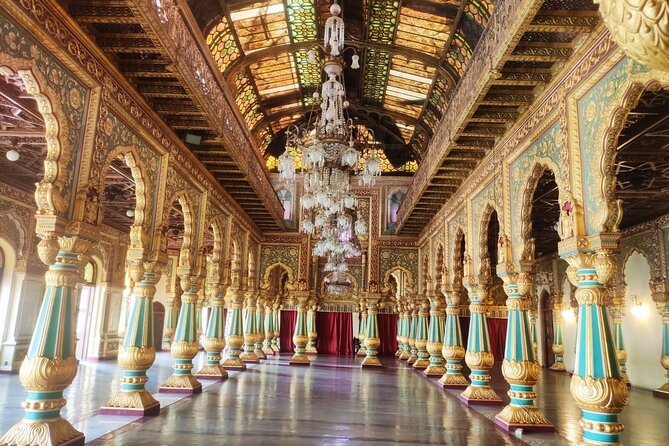
Mysore is a city that rewards slow movement. You’ll notice it as soon as you start walking: it has a laid-back charm, and it feels cleaner and more orderly than many big Indian cities. That matters, because this tour is built around three places that each have their own pace and mood. The palace works best when you can linger at details. The art gallery is calmer and more reflective. The market is a different kind of energy altogether, so it helps to land there after you’ve already gotten your bearings.
This is also a smart way to understand Mysore’s identity. The city is known as the City of Palaces, but the term can sound generic until someone connects it to what you’re actually seeing. The guide’s job here is more than pointing at buildings. You learn how royal lineage and the culture of the court shape what the palace looks like, how the gallery fits into that world, and why the market sits where it does in everyday life.
You can also read our reviews of more walking tours in Mysore
Mysore Palace: start at the Varaha South entrance gate
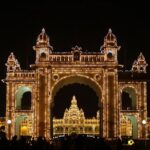
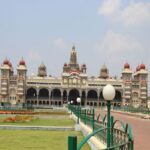
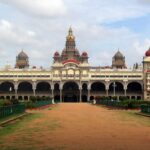
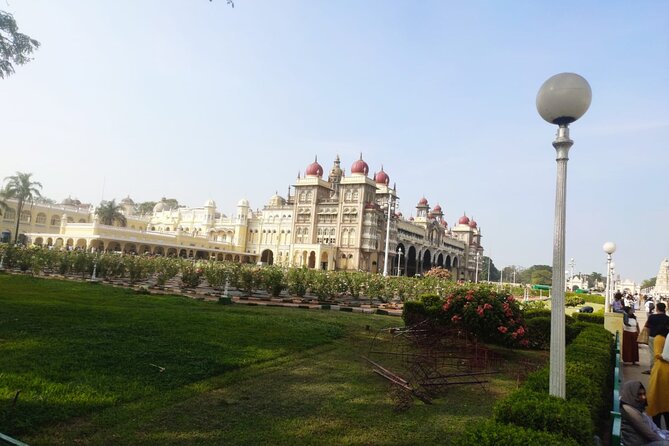
Your visit begins at the Varaha South entrance gate of Mysore Palace. This is not a minor detail. Parking is only available at this gate, and that’s also where tickets are sold. If you’re used to arriving first and sorting everything out later, Mysore Palace is one of those places where being on time (and in the right spot) saves stress.
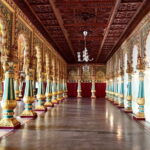
From here, the structure of the visit tends to make sense. You get a guided sweep through the palace areas that people most want to see, but you also get the kind of explanation that helps things click: how the palace functioned, what certain features meant, and what you’re looking at that you might otherwise miss.
If you prefer to visit historic sites with a plan, this stop delivers. Guides on this route often have a strong command of the stories behind what you see. In past tours, guides such as Mr. Suresh have been singled out for explaining Mysore history and highlighting artifacts, while Ramakrishna has been praised for connecting palace details to religious themes and mythology. That kind of framing turns a huge palace into something you can follow.
Practical note: you’ll need to take your shoes off at Mysore Palace. The tour suggests spare socks, which is genuinely useful. If you’re someone who hates the feel of bare feet on cool or busy floors, plan ahead.
The one drawback to expect here
The palace is popular, and it’s a big complex. Even with a guide, you’ll want comfortable walking shoes on the outside—then be ready to switch to socks quickly inside. If you’re sensitive about foot comfort, this is the only real friction point in the whole route.
Jaganmohana Palace (Sri Jayachamarajendra Art Gallery): built in 1861, explained with care
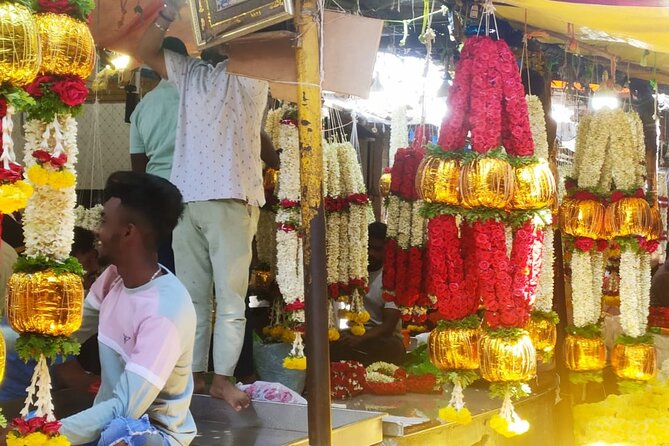
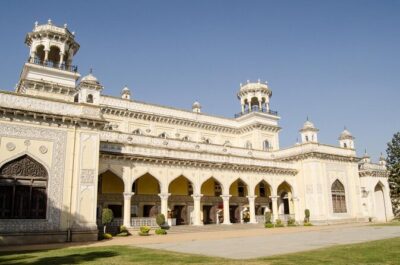
Next up is Jaganmohana Palace, also known today as the Sri Jayachamarajendra Art Gallery and Auditorium. This palace was built in 1861, and that date matters. It helps you understand that you’re not only walking into a museum space—you’re stepping into a court-linked building where art and civic pride meet.
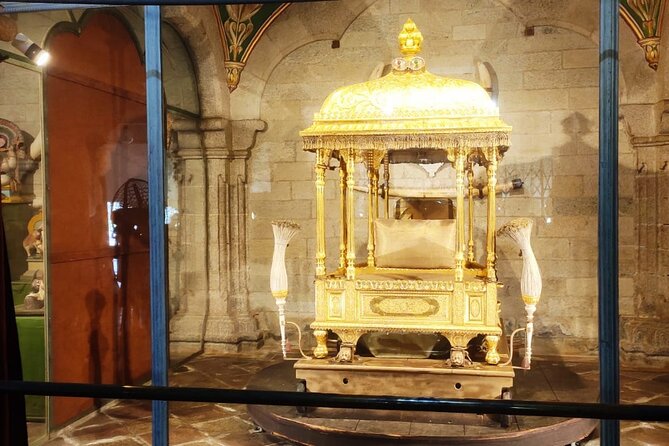
The gallery is where the tour shifts gears from royal architecture to visual culture. You’re in a space designed to hold paintings and artworks, and the guide’s commentary helps you look at the collection with more intent. A big draw is that the collection includes works associated with major names such as Raja Ravi Verma, Nikolai Roerich, and Haldenkar. Even if you don’t know every style term, seeing recognizable names in a Mysore palace setting makes the visit feel like more than a generic art stop.
This is also the stop where the tour tends to feel calmer, because you’re not competing with street-level chaos. It’s a good moment to slow down and absorb the building itself: the sense of scale, the way the artwork is presented, and how the building’s original palace identity still shapes the atmosphere.
Like the palace, you’ll need to remove your shoes here too. Again, spare socks are your best friend. If you’re the type to forget small preparation steps, pack socks the way you’d pack sunscreen for a beach day.
What the guide adds (and why it’s worth it)
This stop is the perfect place to learn how to look. A strong guide makes you notice things you might otherwise gloss over—what a painting is about, how it fits the broader cultural setting, and what the choice of artists says about the period. In previous tours, guides such as Phaneesh have been praised for explaining Mysore Palace and even adding context about the city beyond the walls, which is exactly the kind of connective tissue that keeps the whole heritage walk from feeling like three separate visits.
Devaraja Market: a ticket-free finale that feels like Mysore
Finally, you reach Devaraja Market, a place that’s famous in Mysore itineraries for good reason. The market visit is admission ticket free, which makes it a low-cost, high-reward ending.
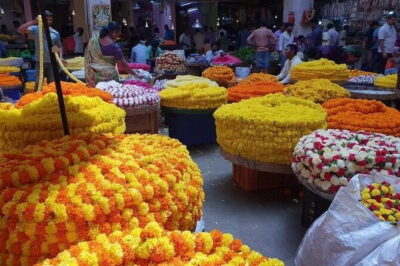
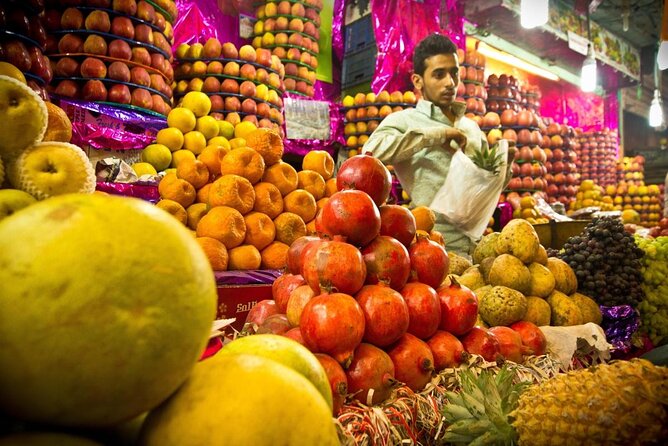
Here’s why this stop works well after the palace and gallery: you’ve been learning about Mysore’s royal identity, and now you see how the city lives day to day. The market is colorful and full of motion. It’s the kind of place where you can browse without needing to commit to a single purchase. You’ll likely see local goods, snack culture, and all the little signals of everyday life—things a museum can’t show you.
Also, a walking heritage route makes the market feel more natural. Instead of arriving as a random stop, you’re already in the Mysore rhythm. If you like photography, this is also one of the best moments to snap pictures, especially of the storefront textures and the human flow.
Simple tip for the market stop
Keep some flexibility here. The market can stretch your attention span in a good way, but if you’re shopping for gifts, set a small budget in your head before you start. That helps you enjoy the browsing without turning it into a time crunch.
Price and logistics: what you’re actually paying for
The listed price is $28.35 per person, and the tour duration is about 3 to 4 hours. It’s typically booked around 10 days in advance on average, which tells me demand is steady enough that you shouldn’t wait too long.
Here’s the value equation I look for:
- Entrance tickets are included for Mysore Palace and the Jaganmohana Art Gallery.
- The market stop is ticket free.
- You’re also paying for a government-licensed guide who keeps the route coherent and explains what you’re seeing.
From a budgeting standpoint, the biggest win is that you’re not juggling ticket lines and figuring out what to see in what order. And because the group is capped at 10 travelers, you’re not stuck in a huge crowd where only the guide hears the best parts of the story.
Do keep your expectations calibrated. One common critique is that for some visitors, the price can feel high by local standards. If you’re only interested in quick photos and you love to wander on your own, you might feel like you could do it cheaper. But if you want context—why the palace is shaped the way it is, how the art gallery connects to the royal world, and what to notice in the market—then the guide time plus admissions starts to make sense.
Mobile ticket and time use
You’ll use a mobile ticket. That’s helpful on a trip where carrying paper can be a hassle. The pacing also matters: three major stops in a half-day works best when you don’t have to keep checking schedules. You start at the palace and finish near Hotel Vishnu Bhavan, which makes it easier to plan your next meal.
Who should book this Mysore Heritage Walk (and who might not)
This tour fits best if you:
- Like guided context for big places like Mysore Palace
- Want a walk that links palace, art, and local market life
- Prefer small groups (maximum 10) over getting lost in crowds
- Appreciate religious and cultural explanations tied to what you see in the palace spaces
It might feel less ideal if you:
- Hate the shoe-off requirement and don’t want to carry spare socks
- Want to spend a long, slow afternoon deep inside the palace without a set route
- Are looking for a free-form market-only experience (because this is structured around the three stops)
Should you book this Mysore Heritage Walk?
If your goal is to understand Mysore in a way that’s practical, not just sightseeing, I think this is a strong pick. The biggest reason is the structure: you get palace context, art-gallery context, then a market finale that lets the city feel real. The entrance tickets included detail is also a genuine time-saver, and the small group size makes the experience feel more human.
Book it if you want a guided path that helps you see rather than just pass by. Skip it if you’re traveling purely on curiosity and you’d rather do each stop independently with your own pace.
If you’re someone who’s picky about comfort, pack spare socks and plan for the shoe-off moments. With that handled, this heritage walk is a clean, efficient way to connect three major sides of Mysore—royal, artistic, and everyday—without burning your day on logistics.
FAQ
What is included in the Mysore Heritage Walk?
The tour includes all fees and taxes. Entrance tickets are included for Mysore Palace and the Jaganmohana Art Gallery, while Devaraja Market is listed as ticket free.
How long is the walk?
It runs about 3 to 4 hours total.
Where do I meet the guide?
You meet at the Varaha South entrance gate of Mysore Palace. The start address is Ambavilas Mysore Palace, Agrahara, Chamrajpura, Mysuru, Karnataka 570010, India.
Do I need to take my shoes off?
Yes. Visitors are required to take their shoes off at both Mysore Palace and the Art Gallery. The tour suggests bringing spare socks.
Is there a group limit?
Yes. The maximum group size is 10 travelers.
How is the ticket delivered?
You’ll use a mobile ticket.
Is Devaraja Market free to enter?
Yes. The Devaraja Market stop is listed as admission ticket free.
What’s the cancellation policy and weather rule?
You can cancel for a full refund up to 24 hours in advance. If the experience is canceled due to poor weather, you’ll be offered a different date or a full refund.