REVIEW · BANGALORE
Old neighbourhood Walk – Half-Day Tour
Book on Viator →Operated by Yours Truly India · Bookable on Viator
Bangalore doesn’t have to feel like traffic and malls. This Old Neighborhood Walk mixes morning food, temple visits, and everyday street life in Old Bangalore. I really like how it connects three very different scenes—Bull Temple, a cave temple, and Dhobi ghat washermen—so the city makes sense fast. I also like that it’s guided at a small-group pace, with free temple admissions. One thing to consider: you’ll do moderate walking and you’ll need to dress for sacred spaces and take shoes off.
You start with a proper Indian breakfast at a popular local spot, then move through old neighborhoods where life is still practical, noisy, and real. You’ll get a guided thread that ties the temples to the neighborhoods, so you’re not just ticking off sights. If you’re short on time, this is a focused way to see more “Bangalore” and less “Bangalore postcard.”
In This Review
- Key Things That Make This Walk Worth Your Morning
- Why an Old Neighborhood Walk Beats a Standard Bangalore Tour
- Breakfast First: Fueling Up for Temples and Markets
- Bull Temple: A Short Stop with a Strong Story
- Gavi Gangadhareshwara Swamy Cave Temple and Its Astronomical Link
- Gavipura: Old Houses, Dhobi Ghat Washermen, and Real Daily Work
- Gandhi Bazaar: Flowers, Traditional Shops, and a Sweet Break
- What to Wear, Footwear Rules, and Walking Pace
- Price and Value: Is $67 Fair for This Half-Day?
- Guides Make the Day: Deepti, Sushma, and Navitha
- Who This Tour Suits Best in Bangalore
- Should You Book This Old Neighborhood Walk?
- FAQ
- What is the duration of the Old Neighborhood Walk?
- How much does the tour cost?
- What are the main places you visit during the walk?
- Is admission included for the temples?
- What’s included in the price?
- Is there food during the tour?
- What should I wear and bring for the religious sites?
- Do I need hotel pickup?
- Can I cancel and get a refund?
Key Things That Make This Walk Worth Your Morning
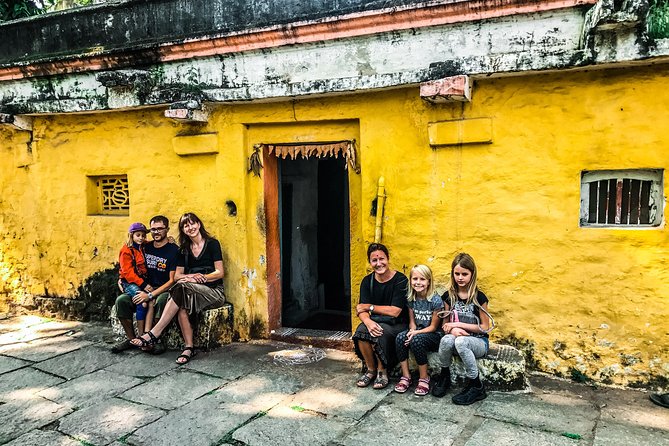
- Breakfast start: you begin with a hearty local meal so you can handle temples and markets without rushing.
- Bull Temple + cave temple: two standout sacred stops, including a 10th-century Shiva cave temple with astronomical significance.
- Dhobi ghat in Gavipura: you see the washermen’s village where people wash clothes and linens in stone baths.
- Old Bangalore market time: Gandhi Bazaar includes flowers and traditional shops, plus time for a sweet break.
- Small-group attention: personalized guidance, plus a private setup for your group.
- Free admissions to the big sites: temple ticket costs are listed as free for the main stops.
Why an Old Neighborhood Walk Beats a Standard Bangalore Tour
If your idea of sightseeing is waiting for buses and swapping guide soundbites, this kind of walk is the opposite. You’re moving on foot through the parts of Bangalore that still feel lived-in: old houses, working spaces, and markets that people use every day.
What I like most is the blend of “sacred” and “practical.” The temples aren’t treated like museum props. Then you pivot to the Dhobi ghat, where washing is serious work. That change keeps the day from turning into a single-tone culture lecture. It also gives you something most half-day tours miss: daily rhythms.
And because the walk is small-group, you’re not fighting for position every time someone points at a carving or explains a temple legend. You get more of the why, not just the what.
You can also read our reviews of more tours and experiences in Bangalore


Breakfast First: Fueling Up for Temples and Markets
This tour begins with a hearty Indian breakfast at a popular local place. It’s a smart move in a city where mornings can disappear quickly. You’re not trying to figure out food plans while your schedule is already ticking toward temples.
In addition, coffee and/or tea are included, and there’s a planned stop for something sweet. The restaurant serving local vegetarian food can have long waiting times on weekends, so build in patience if you’re going then.
Practical tip: if you’re sensitive to spice, eat slowly and sip water/tea. Many Indian breakfasts are flavorful even when they’re not extreme. You’ll want steady energy for the walking and the shoe-off moments later.
Bull Temple: A Short Stop with a Strong Story
Bull Temple is one of those places where a name and a sculpture tell you to pay attention. You’ll spend around 30 minutes here, and admission is free. It’s famous for its story and for the idol of the bull.
Even if you don’t know Hindu temple terms, a guided visit helps you see what matters: the symbolism, the way the space is used, and why a bull idol is not just decorative. For me, temple visits work best when they explain what you’re looking at and how locals read the place, not just when someone recites dates.
Since this stop is early in the walk, it also works like a warm-up. You’re learning how the guide wants you to look—then you move into the more unusual cave temple next.
Gavi Gangadhareshwara Swamy Cave Temple and Its Astronomical Link
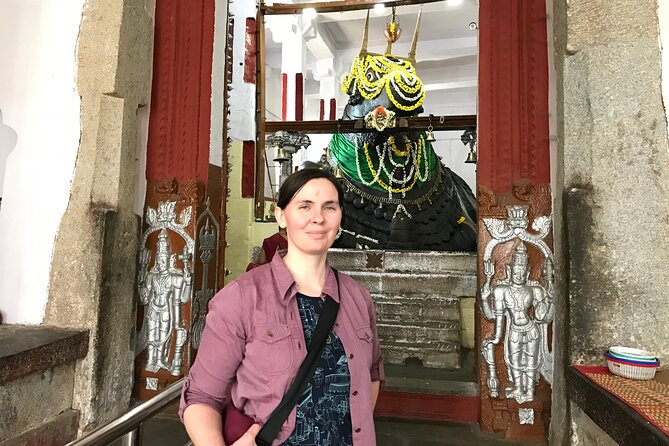
Next up is a Shiva temple with serious age: it dates back to the 10th century. This one is inside a cave, and it’s noted for astronomical significance. You’ll have about 30 minutes here, with free admission.
Cave temples tend to feel different the moment you enter—cooler air, tighter space, and a sense that the building is doing more than hosting worship. When you add the astronomical angle, the visit stops being only about religion and becomes about how people used careful observation long before modern tools.
Practical note: caves and sacred interiors can be dim. Wear something comfortable and easy to move in, and don’t plan on rushing. This is a place where your guide’s pacing matters.
If you’ve met guides like Deepti—named in past tour experiences—this kind of stop tends to land well because she’s described as adjusting the sequence to match the group, so you don’t feel like you’re being herded through.
Gavipura: Old Houses, Dhobi Ghat Washermen, and Real Daily Work
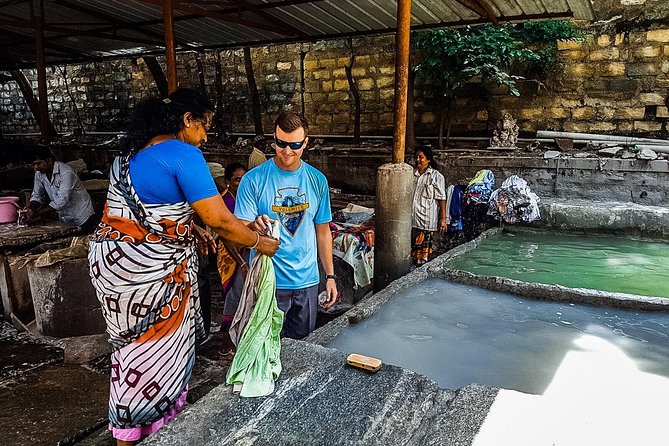
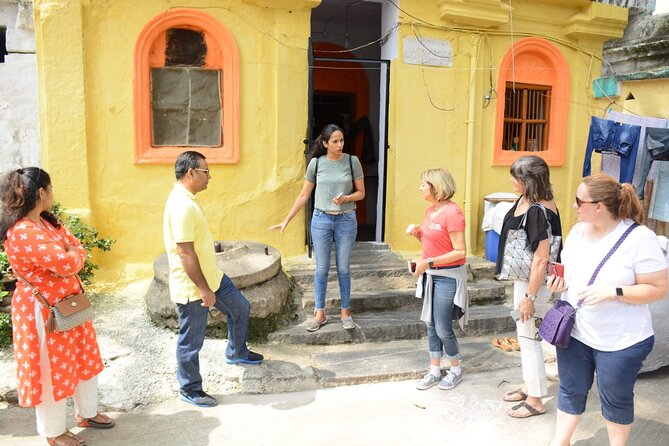
Gavipura is where the tour becomes most “Bangalore in motion.” You explore the neighborhood with old houses, and you also visit Dhobi ghat, the washermen’s village, located in this area.
You’ll spend about an hour here, and admission is free. The standout is seeing people washing clothes and linens in stone baths. It’s practical work, not a performance. The scale and the routine make it fascinating in a way that pictures can’t fully capture, because you’re watching a living system.
A big value of this stop is perspective. After temples, you’re looking at the city from another angle: how traditions survive through everyday labor. It’s the kind of scene that teaches you to notice details—how work is organized, how spaces are shaped for function, and how neighbors share community routines.
If you’re the kind of traveler who likes to learn without reading a whole textbook, this is a strong match. You’ll come away with a new sense of how Old Bangalore keeps going.




Gandhi Bazaar: Flowers, Traditional Shops, and a Sweet Break
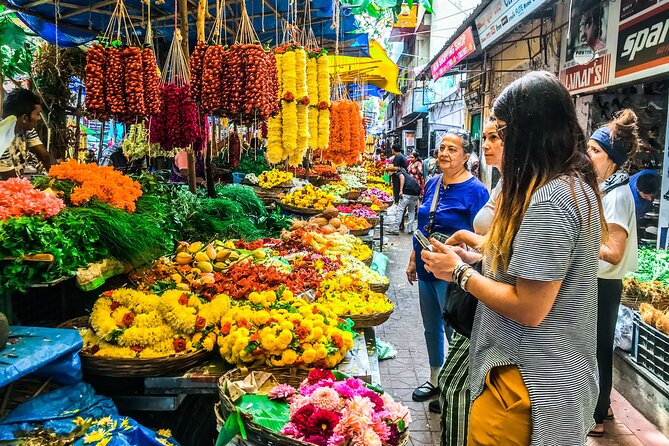
Then you move to Gandhi Bazaar, the traditional old market area. Here you’ll focus on the flower market and other traditional shops while learning about the culture and customs of old Bangalorean life. This stop takes about an hour.
It’s also where the tour includes time for food—there’s mention of visiting an eatery and having something sweet. Coffee/tea is also part of the day, so you’re not stuck with only snacks if you’re pacing your energy.
Markets are great, but only if you know what to look for. A good guide helps you sort what’s special: what people buy daily, what’s meaningful, and how shopping fits into neighborhood life. In this kind of market visit, you’re not just walking past stalls. You’re getting context for why certain items matter.
Weekend warning (useful, not dramatic): the local vegetarian eatery may have long waiting times.
What to Wear, Footwear Rules, and Walking Pace
You’ll enter sacred spaces, so dressing matters. The guidance is clear: avoid clothes that reveal the knees and shoulders. Comfortable, slip-on shoes are recommended because you’ll have to take off your footwear in places of worship.
This isn’t a “show up in sandals and hope” situation. Even if you like sandals for walking, plan for repeated shoe-off moments. Slip-ons keep things simple when your feet need quick adjustments.
Walking level: the tour notes a moderate amount of walking. That usually means you should be comfortable with city streets and short transfers on foot. If you have mobility issues, this may require extra planning since there’s no mention of step-free routing or special accommodations.
Price and Value: Is $67 Fair for This Half-Day?
At $67 per person for roughly 3 hours 30 minutes, the big question is what you’re actually buying.
Here’s what the pricing includes: a tour guide plus coffee and/or tea. The big temple admissions are listed as free for the main stops. That matters, because religious sites in many places add up, and here you’re not paying extra just to enter.
What you should factor in: hotel pickup and drop-off are not included. So your total value depends on how you plan to get to the meeting point. If you’re already staying close to Old Bangalore, your real cost is lower. If you’re across town, transport time and cost become part of the deal.
Also, this tour is described as small-group, and it’s private for your group. That generally supports better pacing and attention, which you’ll feel when you’re asking questions inside temples or trying to understand what you’re seeing at Dhobi ghat.
One caution from pricing feedback: there’s at least one sentiment that the tour felt expensive compared with the dosa and walk alone. Translation for you: if you’re hunting a bargain, you might think twice. If you want guided context, temple access, and a structured walk that covers multiple very different Old Bangalore stops in one morning, the price often feels more reasonable.
Guides Make the Day: Deepti, Sushma, and Navitha
One reason people rate this walk highly is the guide factor. Past experiences name guides like Deepti, Sushma, and Navitha. The common thread is clear, friendly explanation and adapting the flow so you’re not stuck in a rigid script.
Some guiding styles fit this tour especially well:
- A guide who can connect temples to neighborhoods, so you understand why these places sit where they do.
- A guide who can adjust timing and order when a group needs it.
- A guide who brings a little humor without turning sacred spaces into a joke.
If you care about meaning (not just sightseeing), pay attention to the tone your guide brings. This walk works best when you can ask questions and get straight answers.
Who This Tour Suits Best in Bangalore
This is a strong fit if you:
- Want a half-day way to understand Old Bangalore through real neighborhoods, not only monuments.
- Like the mix of temples plus daily-life scenes like Dhobi ghat.
- Prefer guided context over self-guided wandering.
- Are traveling with a group that likes to move at a human pace.
It’s also a good choice for first-time visitors who feel overwhelmed by Bangalore’s size. This focuses your morning into a compact world: temples, old streets, and a traditional market.
Families: children must be accompanied by an adult. The walking is moderate, but sacred-space dress rules apply, so plan outfits accordingly.
Should You Book This Old Neighborhood Walk?
Book it if you want a guided morning that turns Old Bangalore into a story you can actually follow. The combination of Bull Temple, the cave temple with astronomical significance, Dhobi ghat washermen’s work, and Gandhi Bazaar market time is a smart, efficient way to see how belief, neighborhood life, and daily labor connect.
Skip or reconsider if:
- You dislike removing shoes and dressing to cover shoulders/knees.
- You have trouble with moderate walking.
- You’re trying to keep costs very low and plan to do only the “big sights” on a tight budget.
My practical take: this is best when you treat it like a guided cultural walk with food included, not a simple sightseeing loop. If that sounds like you, you’ll likely find it money well spent.
FAQ
What is the duration of the Old Neighborhood Walk?
It runs about 3 hours 30 minutes.
How much does the tour cost?
The price is $67.00 per person.
What are the main places you visit during the walk?
You visit Bull Temple, Shri Gavi Gangadhareshwara Swamy Temple, the Gavipura area (including Dhobi ghat), and Gandhi Bazaar.
Is admission included for the temples?
Yes. The listed admission for the temple stops is free.
What’s included in the price?
The tour includes a guide and coffee and/or tea.
Is there food during the tour?
Yes. The day starts with a hearty Indian breakfast, and there’s also a stop for something sweet, with a local vegetarian eatery visit.
What should I wear and bring for the religious sites?
Dress appropriately by avoiding clothing that reveals knees and shoulders. You’ll also need to take off your footwear, so comfortable slip-ons that are easy to remove help.
Do I need hotel pickup?
No. Hotel pickup and drop-off are not included.
Can I cancel and get a refund?
Yes. You can cancel up to 24 hours in advance for a full refund. If you cancel less than 24 hours before the start time, it won’t be refunded.