REVIEW · BANGALORE
Shivanasamudra Waterfalls & Ancient Somnathpur Tour
Book on GetYourGuide →Operated by INDIATOR · Bookable on GetYourGuide
A long temple day can feel like a chore, but this route has real payoff. You start early for Shivasamudra Falls on the Kaveri, then shift into stone-carving territory with Talakadu and Somnathpur. The mix of waterfall drama and temple architecture keeps the day from turning into pure bus time.
I especially like the private AC car and English-speaking guide setup—it makes timing and questions easier. I also love how the tour includes both major sights and smaller moments, like learning what you’re actually seeing at the temples rather than just moving from one photo spot to the next. One thing to weigh: most of the day is spent driving, and the falls can look less impressive in drier months.
If you want the most waterfall time, this itinerary’s early start matters. Pickup is around 6:30am from your Bangalore hotel, and you’re on the Kaveri before the light gets harsh. You also get entry fees included, mineral water during the trip, and lunch at a local restaurant—so you’re not constantly budgeting on the road.
That said, you should plan around the reality that you likely won’t get right up to the waterfall edge; viewing is described as mostly from a distance. And because the falls are seasonal, you’ll want expectations tuned to the time of year you go.
In This Review
- Key Highlights You’ll Actually Feel
- A Sunrise Start That Makes the Waterfall Part Worth It
- Shivasamudra Falls on the Kaveri: Twin Falls and Hydropower Origins
- Talakadu Temples: The City of Lost Temples and Stone Stories
- Somnathpur and the Chennakesava (Keshava) Temple
- Belur, Halebeedu, and Shravanabelagola: More Stops, More Driving
- Price and Value: Is $135 Per Person Fair?
- Practical Tips for a Smooth Day
- Should You Book This Shivanasamudra, Talakadu, and Somnathpur Tour?
- FAQ
- What time does pickup happen from Bangalore hotels?
- How long is the tour?
- Is the tour private, and do I get an English guide?
- What’s included in the price?
- What isn’t included?
- Can I cancel and get a refund?
Key Highlights You’ll Actually Feel
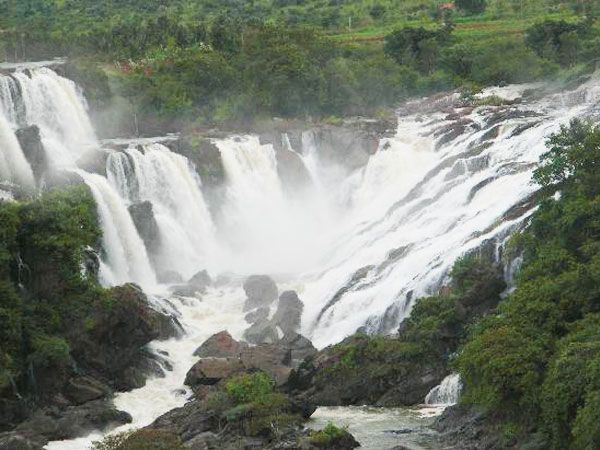
- Shivasamudra’s twin falls: the island Shivasamudra divides the Kaveri into Gaganachukki and Bharachukki, about 13 km apart
- Hydropower history in the same spot: one of the early hydro-electric power stations in Asia sits in the area’s story
- Talakadu’s lost-temples theme: you get context for sculptures and architecture instead of vague sightseeing
- Somnathpur’s Chennakesava (Keshava) Temple: star-shaped platform, three carved pinnacles, and shrines to multiple deities
- Local lunch plus craft culture: you’ll eat at a local restaurant, then see why Somnathpur is known for sandalwood oil and carvings
A Sunrise Start That Makes the Waterfall Part Worth It
Your day begins early—around 6:30am—when your chauffeur picks you up from your Bangalore hotel lobby. The plan is simple: get to Shivasamudra before the day gets too hot and crowded and before the waterfall feel is lost to glare.
This kind of schedule is great for people who like structure. You’re not waiting around for long check-ins, and your guide time is protected (temples come with real explanations, not rushed peeks). It’s also a trade: the early start can be tough if you’re not a morning person, especially after an overnight drive or late dinner the night before.
The good news is that the tour is 11 hours, which is a realistic length for a day that includes multiple temple stops plus a long drive. You should still expect the pace to feel “full,” not slow and lazy.
You can also read our reviews of more tours and experiences in Bangalore.


Shivasamudra Falls on the Kaveri: Twin Falls and Hydropower Origins
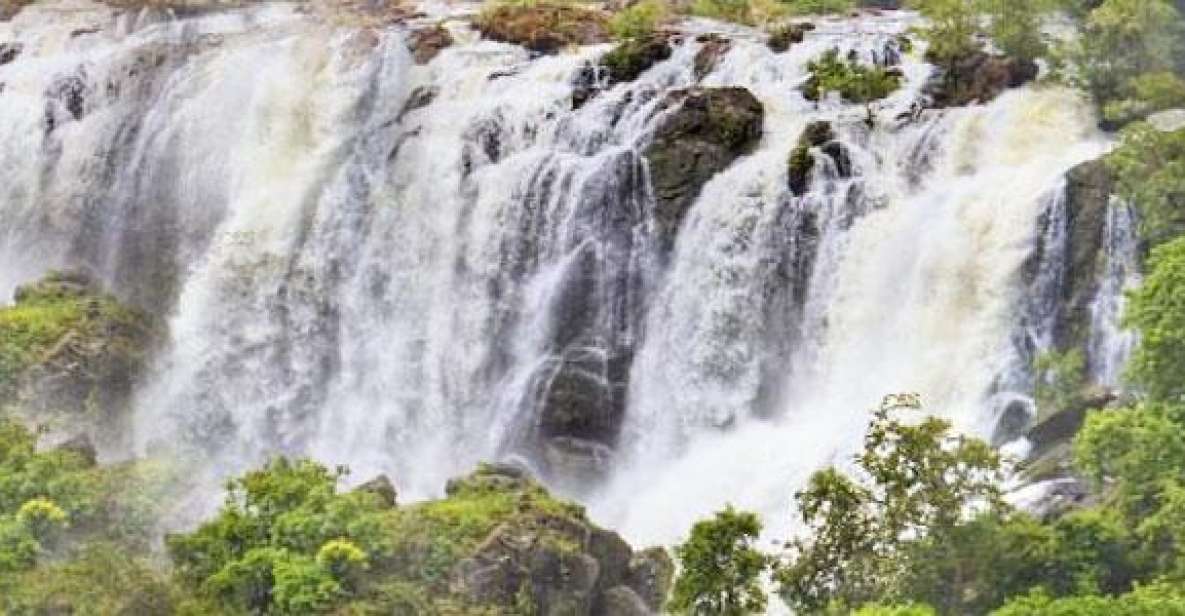
Shivasamudra Waterfalls sit on the banks of the river Kaveri, and this is one of those rare places where geography and human engineering show up in the same story. You’ll learn that Shivasamudra is the island that splits the river into twin waterfalls: Gaganachukki and Bharachukki.
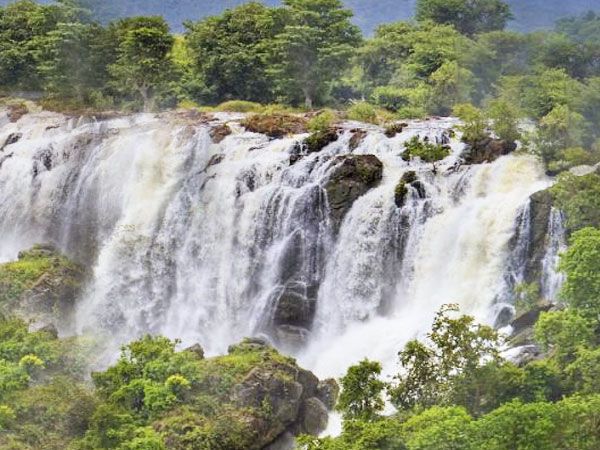
Here’s what makes it visually memorable. The falls plunge about 320 feet into a gorge, and the water breaks into misty foam as it drops. In plain terms: it’s not a gentle trickle, it’s a heavy, moving wall of water with a constant roar that can feel almost soothing if you sit still for a minute.
The area around the falls is also described as lush and forested, tied to the Kaveri Wildlife Sanctuary. That matters because it changes the mood. You’re not just staring at water—you’re watching it drop through hills and greenery, with the sound and mist doing half the work.
Two practical notes to go in with:
- Gaganachukki and Bharachukki are about 13 km apart, so the day isn’t just one waterfall stop.
- Viewing may be mostly from a distance. One past experience called out that you can’t get close to the falls like you might expect.
Finally, season matters more here than many people realize. In drier months, the falls can look less dramatic, and the difference can be obvious. If you go in months when water volume is strong, you’ll likely be happier with the “wow” factor.
Talakadu Temples: The City of Lost Temples and Stone Stories
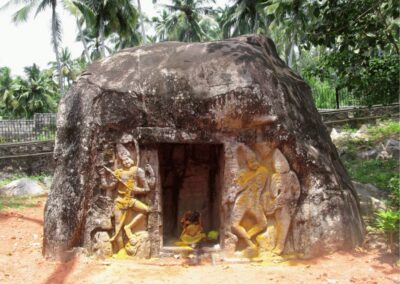
After the waterfall stop, you head toward Talakadu, a place known as the city of lost temples. This isn’t a random detour; it’s about seeing how sculpture and architecture tell stories even when sections feel ruined or faded.
The tour includes time with a guide who shares historical insight about Talakadu’s temple remnants and what to look for in the stonework. That’s a big deal. Without context, temples can blend together fast. With the right explanation, you start noticing proportions, carving styles, and the way sacred spaces were designed to guide movement and attention.
Talakadu is a good fit if you like slower looking and reading the details—carvings, pillars, and the layout of sacred areas. It’s also a good fit if you’re traveling with someone who wants more than “photo, move on.”
One consideration: because this is a long day with multiple stops, you may have less time than you’d want for a deep, unhurried wander. If you’re the type who could spend an entire morning on one temple complex, you’ll appreciate the guide’s pacing, but you might still want more time. That’s normal on a packed route.
Somnathpur and the Chennakesava (Keshava) Temple
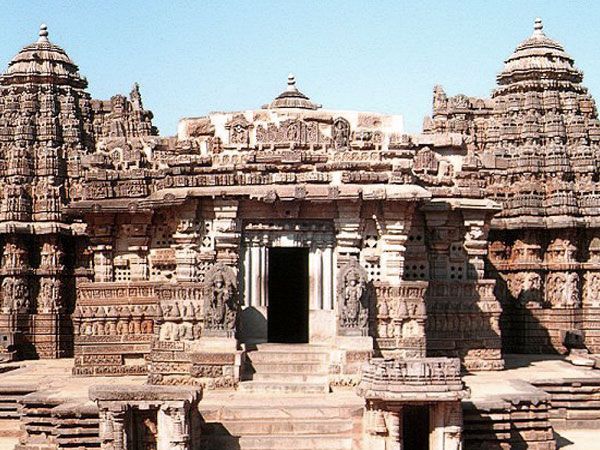
Somnathpur is on the itinerary later in the day, and it’s a strong “anchor” stop. The town’s temple work is tied to the 13th century, and the Hoysalas are noted as an important dynasty in the region’s temple building.
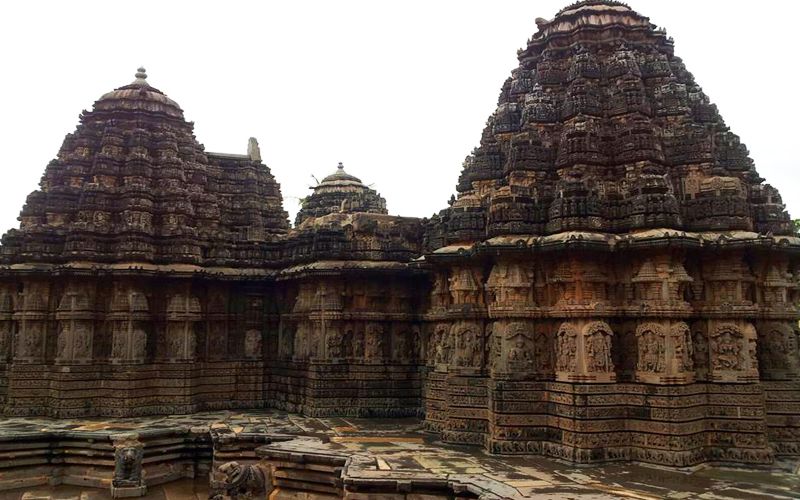
The headline here is Chennakesava Temple, also known as a Keshava Temple. This temple stands on a star-shaped platform, and it’s described as having three carved pinnacles with shrines. Even if you’re not an expert, the structure is the kind of design that reads clearly: the platform shape and the stacked, carved rooflines give the temple its signature look.
You’ll also learn who the temple is dedicated to. The tour notes it’s dedicated to Lord Janardhana, Venugopala, and Kesava. That matters because you’ll often see multiple symbolic elements across a temple complex, and knowing the dedication helps you connect the carvings to the worship focus.
Somnathpur is also famous for everyday crafts tied to local materials: sandalwood oil, incense sticks, and carving work in teak, ivory, rosewood, and sandalwood. If you like shopping for items that have a real link to place, you may find the craft scene more interesting than a generic souvenir stop. The tour also mentions Mysore style painting of gods and goddesses, which can be a satisfying cultural add-on if time allows.
A small practical reality: temple areas take time, and you’ll likely be on your feet. Wear comfortable shoes. Even if the tour pace isn’t marathon-fast, this is still a day of walking, standing for explanations, and shifting between sites.
Belur, Halebeedu, and Shravanabelagola: More Stops, More Driving
The tour also includes a day-trip loop to Belur, Halebeedu, and Shravanabelagola with a friendly private guide. These are big-name temple destinations, so the “why” is clear: you’re stacking temple architecture with minimal logistical headache.
The challenge is also clear: the more you add, the less time you spend at each stop. One experience on record emphasized that a large portion of the day is spent driving, which is exactly what happens when you’re trying to fit multiple sites into one stretch.
That’s not automatically a deal-breaker, though. For many visitors, the value of a private route is that you don’t have to plan the order, figure out transit between cities, or hunt for an English explanation at each point. The guide turns the route into a coherent story rather than a list of landmarks.
Timing can also shift based on traffic. One experience mentioned returning to Bangalore earlier than expected, around 5pm, with a note that Indian traffic makes exact timing hard. So think of the 11 hours as a solid guideline, not a stopwatch promise.
If you’re the type who wants fewer stops but more time to wander, you might prefer a shorter route focused only on Shivasamudra and one temple complex. But if you want a full cultural day with minimal planning, this kind of multi-stop itinerary can be exactly your speed.



Price and Value: Is $135 Per Person Fair?
The price is listed as $135 per person, and the value depends on how you compare it.
On the value side, you’re getting:
- a private day trip with an English-speaking guide
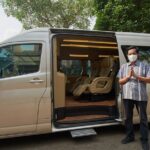
- private AC car transfers from Bangalore hotels and back
- entry fees included
- mineral water during the trip
- lunch at a local restaurant
- taxes and service charges
That adds up quickly if you were to arrange everything on your own—especially the guide and the entry fees.
On the caution side, one past experience noted that for small groups the cost can feel higher than booking a car and driver separately. That’s a fair point. If you’re traveling as a group of friends or family, private arrangements tend to feel more cost-effective. If it’s just you two, it may feel pricier, even if the convenience is worth something.
A quick way to decide: if you value a fixed plan, English guidance, and included fees more than you value squeezing the lowest possible total cost, this price likely feels reasonable for the day you get.
Practical Tips for a Smooth Day
This tour works best when you prepare for heat, walking, and seasonal water levels.
1) Plan footwear for temple floors and stone steps
You’ll be moving around temple sites, standing for explanations, and walking between points. Comfortable shoes are not optional.
2) Bring a light layer and sun protection
Even with an early start, Karnataka sun can change quickly. Think hat, sunglasses, and sunscreen.
3) Expect waterfall “distance viewing”
One past experience said you may not get close to the falls. If your main goal is a hands-on waterfall moment, you might feel slightly restricted. If your goal is the sound, the mist, and the dramatic drop from scenic vantage points, you’ll likely enjoy it more.
4) Season check matters for the falls
If you’re going in months when water volume is lower, expect a weaker look. In earlier experiences, the falls in January were described as rather unimpressive, while full flow is suggested for later summer months.
5) Use the guide time actively
The tour is built for guidance—Talakadu for sculpture and architecture context, and Somnathpur for temple structure and dedications. Ask questions. That’s where the tour turns from sightseeing into understanding.
6) If your driver is Vijay, count on a friendly vibe
One named chauffeur, Vijay, was described as kind and friendly and trying to make the day pleasant. You can’t count on the same person, but a good driver does make a packed day feel smoother.
Should You Book This Shivanasamudra, Talakadu, and Somnathpur Tour?
Book it if you want a structured, low-stress day that combines Shivasamudra Falls with major temple stops and an English-speaking guide who helps you see what matters. The mix of waterfall spectacle, Talakadu’s “lost temples” setting, and the standout details at Chennakesava Temple makes this more than a drive-through.
Don’t book it if your top priority is getting very close to the waterfall in all seasons. Also skip it if you hate long travel time between sites; much of the day is spent on the road, and temple time can feel compressed.
If you’re balancing value, convenience, and cultural depth without having to do logistics yourself, this tour is a strong match. It’s the kind of day that leaves you tired in a satisfying way.
FAQ
What time does pickup happen from Bangalore hotels?
Pickup is scheduled around 6:30am. Your driver reports to your Bangalore hotel lobby and picks you up for the tour, then drops you back after the day trip.
How long is the tour?
The tour duration is listed as 11 hours.
Is the tour private, and do I get an English guide?
Yes. It’s a private group tour with a live English-speaking guide.
What’s included in the price?
Included items are an English-speaking guide, entry fees, private AC car transfers from and back to Bangalore hotels, mineral water, lunch at a local restaurant, and all taxes and service charges.
What isn’t included?
The tour does not include air or train fare, camera fees at monuments, or personal expenses.
Can I cancel and get a refund?
Yes. There is free cancellation up to 24 hours in advance for a full refund. The policy also states stepped charges depending on how far in advance you cancel, with no refund less than 3 days before the start.