REVIEW · BANGALORE
Bangalore: Walk in the Footsteps of Maharajas & Sultans
Book on GetYourGuide →Operated by Hidden Gems Tours · Bookable on GetYourGuide
Three hours. One walking loop of power.
This tour packs Tipu Sultan’s Summer Palace and Bangalore’s other major heritage stops into a 2.5 km stroll, so you get a fast taste of how different rulers and religions shaped the city. I especially like the sheer range you cover in such a short time: palace and fort views, a grand mosque, a Jain temple, and the city’s busy market energy, all with a real local guide behind each turn.
Second, I love how much the guide’s storytelling drives the walk. You’ll hear the kinds of connections that are hard to spot alone—Sultans and Maharajas, plus later British influence—and guides like Ahmed (and sometimes Attayab Ahmed) will answer your questions in plain, friendly language. One drawback to plan for: you’ll remove footwear at a few places, you need modest dress (and a scarf for women in places of worship), and the walk isn’t suitable if you have back/heart issues or need a wheelchair.
In This Review
- Key Points You’ll Care About
- Why This Short Walk in Bengaluru Feels Like a Real Experience
- Meeting at Tipu Sultan’s Summer Palace (and Getting Oriented Fast)
- Tipu Sultan Fort and Palace: Power You Can Actually See
- Bangalore Fort: From Royal Edges to Real City Flow
- Jamia Masjid: A Quiet Shift From Stone to Worship
- KR Market: The Maze of Thousands of Stalls
- Jain Temple Stop (Plus Optional Temple Time)
- The Coffee Break: Traditional South Indian Filter Coffee
- How the Guide Makes the Difference (Ahmed and Attayab Ahmed Examples)
- Price and Value: What $36 Buys You in Real Terms
- Timing, Pace, and Your Feet (2.5 km Isn’t Long, but It’s Not Nothing)
- What to Wear: Scarf for Women, Modesty for Everyone
- Should You Book This Bengaluru Heritage Walk?
- FAQ
- Where does the tour start?
- How long is the tour?
- How far do we walk?
- What’s included in the price?
- Is hotel pickup and drop-off included?
- Can I skip the ticket lines?
- What do I need to wear for places of worship?
- Should I bring socks?
- Is the tour accessible for wheelchairs or limited mobility?
Key Points You’ll Care About
- Tipu Sultan’s Summer Palace as your starting anchor: you build context immediately, not after the fact
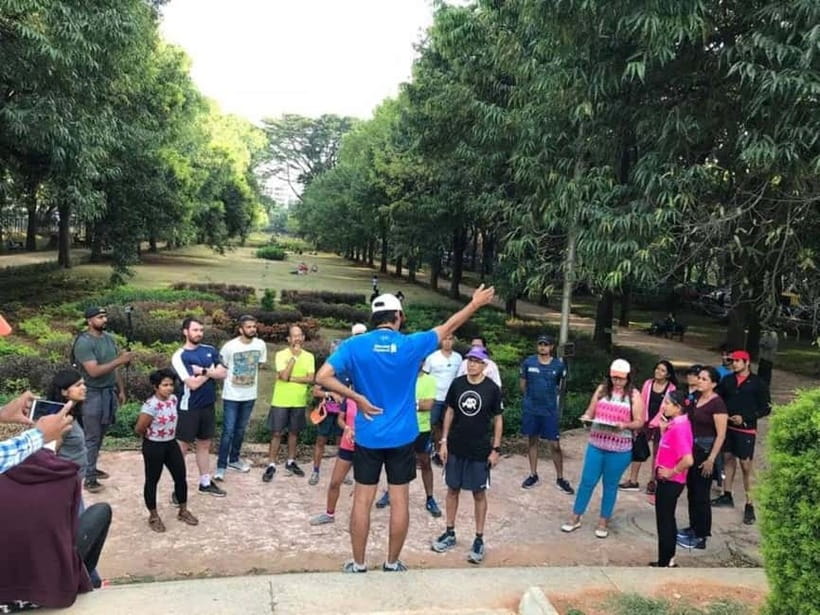
- Small-group size (max 8): more Q&A, less waiting, and an easier pace through tight streets
- A 2.5 km, 3-hour loop: short enough for a tight schedule, long enough to feel like you’re moving through neighborhoods
- Faith sites plus market streets: palaces and mosques sit a short walk from the city’s commercial chaos
- Filter coffee pause: you get a traditional South Indian-style break, not just a photo stop
Why This Short Walk in Bengaluru Feels Like a Real Experience
Bangalore can feel like two cities at once: polished and planned on one side, and layered with older power and faith on the other. This tour gives you the older side quickly, without asking you to spend half a day commuting between far-flung spots.
The structure matters. You’re walking a tight distance, and the stops “talk” to each other. When you start at Tipu Sultan’s Summer Palace and then move toward the fort and other heritage sites, you feel how rule, defense, worship, and everyday life overlap in the same general area.
And because the group is capped at eight people, you don’t get that awkward feeling of being herded through. You can ask why a place looks the way it does, or what a ruler’s story actually changed for regular people.
You can also read our reviews of more tours and experiences in Bangalore.

Meeting at Tipu Sultan’s Summer Palace (and Getting Oriented Fast)
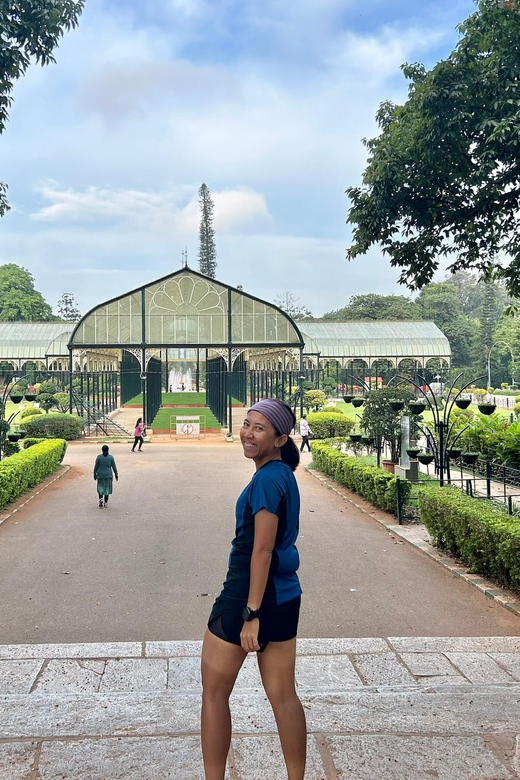
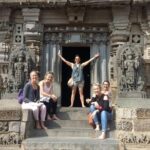
Your guide meets you at the entrance gate of the Tipu Sultan Summer Palace. I like this setup because it gives you a starting point you can picture right away. You’re not guessing where you should be; you’re standing where the story begins.
Once the walk starts, your guide sets the tone: this isn’t just a collection of monuments. It’s a timeline you can physically move through. You’ll hear tales of the Sultans and Maharajas, and also how British rule entered the mix later. That context helps your brain connect what you’re seeing—so the buildings feel less like random stops and more like parts of the same city machine.
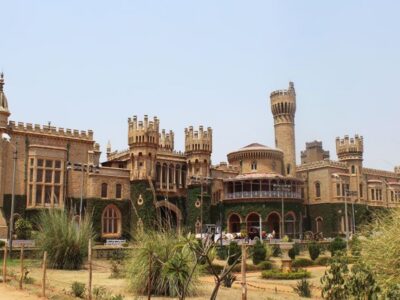
Tipu Sultan’s palace is also a strong visual opener. Even if you don’t know much beforehand, the place gives you something concrete to react to, which makes everything after it easier to follow.
Tipu Sultan Fort and Palace: Power You Can Actually See

This tour includes entry/admission at Tipu Sultan Fort and Palace. That’s important because you’re not just peeking from outside gates—you get access that turns the site from scenery into experience.
Here’s what makes this stop worth your time: it sets up the theme of the entire morning. Tipu Sultan wasn’t only a name in a textbook. Your guide will connect him to the physical world around you—fortifications, the political mood of the era, and the way power was displayed through architecture.
One practical note: if the site requires footwear removal in certain areas (the tour specifically warns that you’ll remove shoes at a few places), plan ahead with easy-to-slip-off sandals and an extra layer of socks. It’s an easy comfort upgrade that saves you from dealing with sweaty foot panic mid-walk.
Bangalore Fort: From Royal Edges to Real City Flow
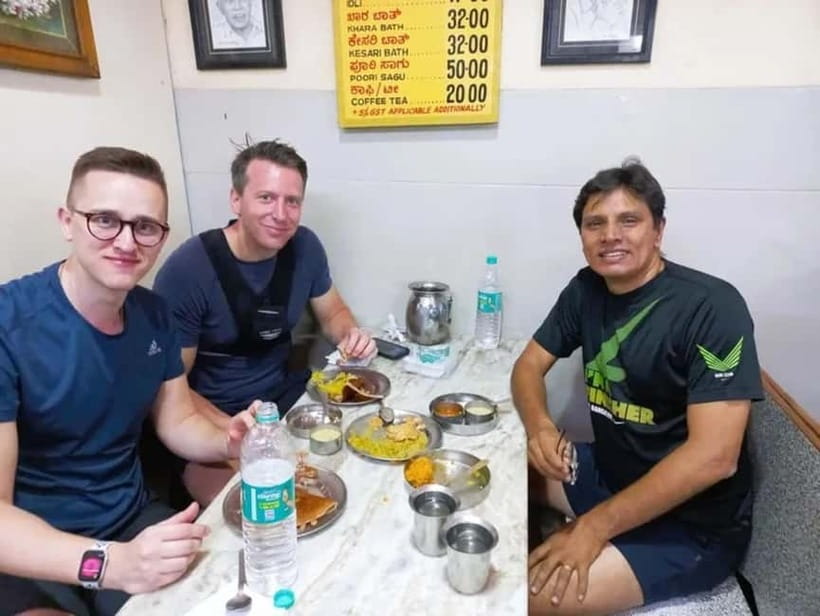
After the palace, you move into Bangalore Fort territory. The payoff here is contrast. Palaces and forts can feel similar from a distance, but up close, the atmosphere changes—more defense, more structure, and more “this was built to last and hold ground” energy.
Your guide’s job is to keep it from becoming a checklist. You’ll hear stories that tie the fort to broader conflicts and shifts in rule, including the way different eras competed for control and influence in the region.
If you like heritage that feels lived-in—something that connects past decisions to current streets—this is where you start feeling the city’s age in a more tangible way.
Jamia Masjid: A Quiet Shift From Stone to Worship
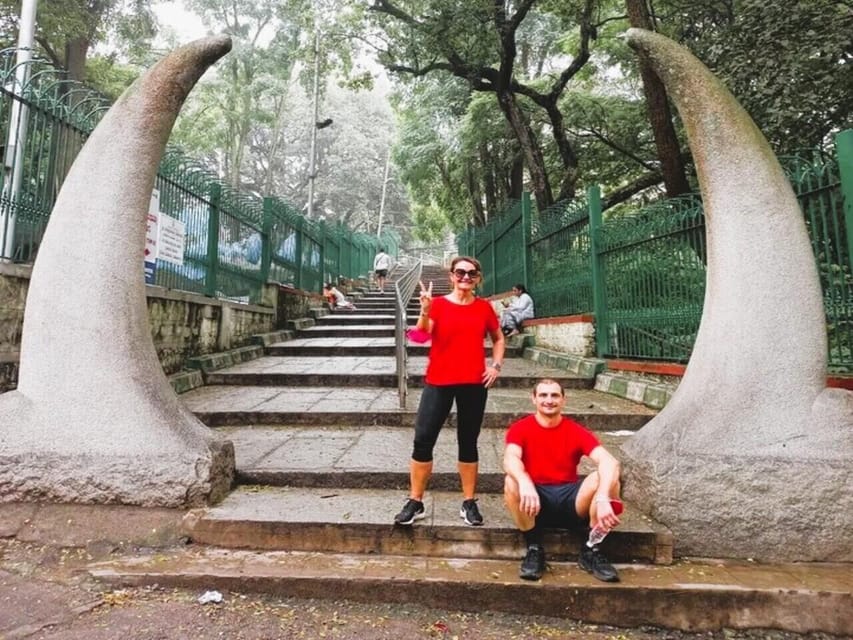
You’ll visit the Jamia Masjid on the route. This stop changes the mood of the day in a good way. Markets and forts are loud, visual, and crowded. A mosque adds calm, structure, and meaning.
The tour’s religion-and-architecture angle is practical here: you’ll understand that places of worship weren’t just spiritual landmarks. They also shaped community routines, street patterns, and daily life.
Because this is a working religious environment, you’ll be expected to follow the dress expectations. The tour clearly calls out a scarf requirement for ladies while visiting places of worship, and it also lists modest dress rules for both men and women. Plan to follow them; it keeps the visit smooth and respectful.




KR Market: The Maze of Thousands of Stalls
Next comes KR Market, and it can feel like stepping into another world—especially after you’ve been in quieter heritage spaces.
Your guide helps you navigate the market’s complexity. One standout detail from people who’ve done the walk: the transition from calmer areas into market streets can feel like going from peace to motion in minutes. That’s not a complaint; it’s part of why the tour works. You see how official history meets the everyday economy.
The tour includes entry at Bangalore KR Market, so you’re not just standing outside the gate. You get inside the flow and learn how to read the place: what the stalls are, how people move, and how the market’s role fits into Bangalore’s bigger story.
If you’re the type who enjoys street-level details—faces, smells, materials, and the rhythm of commerce—this part is a major highlight.
Jain Temple Stop (Plus Optional Temple Time)

You’ll also stop at a Jain temple. This is another mood shift, and I think it’s the smart balance point between mosque and market. Different faiths, different architectural cues, and a different kind of quiet.
The tour also notes that you might visit the Kote Venkataramana Temple depending on timing and route. That optional element is useful for you as a traveler, because it keeps the walk flexible without turning it into chaos.
If you like comparing how religious spaces handle space, light, and visitor behavior, these temple moments are the times you’ll want to slow down and actually look.
The Coffee Break: Traditional South Indian Filter Coffee
You don’t just hear about local life—you taste it. The tour includes a traditional filter coffee (or local tea) break during the walk.
This matters more than it sounds. Coffee here is part of routine and culture, and the pause gives your brain time to connect what you saw to something local you can remember. It’s also a good stamina reset in the middle of a short but full 3-hour schedule.
And because the group stays small, the coffee stop feels less like a forced rest and more like a break where your guide can talk through what you’ve already covered.
How the Guide Makes the Difference (Ahmed and Attayab Ahmed Examples)
The highest praise you’ll see around this tour type is simple: the guide is the product. And in this case, the names that come up include Ahmed and Attayab Ahmed.
What you should look for in a guide on a walk like this:
- clear explanations at each stop
- time to answer questions without rushing
- the ability to connect palace/fort/mosque/market into one storyline
People also appreciated that these guides don’t just read facts. They talk with you like a friend who knows the area well. One person even noted extra teas and snacks and that a solo participant felt well looked after, including help getting back to their hotel. That’s not guaranteed on every tour, but it does signal the style: friendly, human, and attentive.
So if you care about understanding rather than just checking sites off, this tour’s guide-led approach is a big reason it earns top marks.
Price and Value: What $36 Buys You in Real Terms
At $36 per person for about 3 hours, this tour is priced like a thoughtful city orientation rather than a long-distance excursion. And the value comes from what’s included.
You get:
- entry/admission fees at Tipu Sultan Fort and Palace and KR Market
- a live English-speaking native expert guide
- the filter coffee or local tea
- local taxes
- skipping the ticket line
What you don’t get is transportation from your hotel (though you might be offered pickup/drop-off for a small additional fee).
I like this price structure for two reasons. First, it reduces surprise costs. Second, it turns your time into a guided package—so you’re not spending your energy figuring out tickets, entrances, and timing across multiple sites.
If you’re on a tight schedule in Bengaluru, paying for a focused heritage loop can actually be cheaper than piecing together monuments, admissions, and a guide yourself.
Timing, Pace, and Your Feet (2.5 km Isn’t Long, but It’s Not Nothing)
The walk is about 2.5 km, which is manageable for most people with moderate fitness. Still, “short” doesn’t mean “effortless.” You’ll move through places where you might stop often, remove footwear, and navigate uneven ground or tight areas.
The tour explicitly warns that it’s not suitable for:
- wheelchair users
- people with back problems
- people with heart problems
If any of those apply, don’t try to “tough it out.” The route includes walking between multiple heritage and market locations, plus steps and changes in surfaces at religious sites.
If you’re generally healthy and steady on your feet, you should be fine—especially since the small-group format helps the pace stay realistic.
What to Wear: Scarf for Women, Modesty for Everyone
This tour has real dress rules because you’re visiting places of worship. Here’s what you should plan for:
- Women: a scarf is required for visiting places of worship
- Both: modest clothing is expected
- Men: cover legs and shoulders
- Women: avoid spaghetti tops, halter-necks, miniskirts, and hot pants
- Expect footwear removal at some points, so an extra pair of socks can help
I’ll be honest: this is one of the easiest ways to make the experience smoother. If your outfit meets the rules, you won’t spend the tour dealing with last-minute adjustments or stress at the entrance.
Should You Book This Bengaluru Heritage Walk?
If you want a morning that connects the dots between Tipu Sultan-era architecture, Bangalore’s forts, and the city’s religious and market life, this tour is a strong choice. It’s also ideal if you like story-led guiding and you enjoy walking short distances with enough stops to feel you actually saw something.
Book it if:
- you have limited time and want serious variety
- you prefer small groups (max 8) over crowded bus-tour energy
- you enjoy local touches like traditional filter coffee
Skip it if:
- you need wheelchair access
- you have back or heart concerns that make steady walking unsafe
- you’re not comfortable with modest dress requirements or removing footwear
Overall, this is the kind of tour that helps you understand Bengaluru as a place shaped by multiple eras—palaces and forts on one side, places of worship and daily commerce on the other. If that’s your style, you’ll get a lot out of the 3 hours.
FAQ
Where does the tour start?
The guide meets you at the entrance gate of the Tipu Sultan Summer Palace.
How long is the tour?
It lasts about 3 hours.
How far do we walk?
The stroll is around 2.5 km.
What’s included in the price?
The price includes entry/admission at Tipu Sultan Fort and Palace and Bangalore KR Market, an English-speaking native expert guide, entry fees at all monuments on the route, a traditional filter coffee or local tea, and local taxes.
Is hotel pickup and drop-off included?
No. Hotel pickup and drop-off are not included, though pickup/drop-off may be offered for an additional small fee.
Can I skip the ticket lines?
Yes, the tour includes skipping the ticket line.
What do I need to wear for places of worship?
Men should cover legs and shoulders. Women should dress modestly, and a scarf is required for women while visiting places of worship.
Should I bring socks?
Yes. Since you remove footwear at a few places, an extra pair of socks may come in handy.
Is the tour accessible for wheelchairs or limited mobility?
No. It’s not suitable for wheelchair users, and it’s also not recommended for people with back problems or heart problems.