REVIEW · BANGALORE
Day Excursion of Belur, Halebeedu & Shravanabelagola
Book on GetYourGuide →Operated by INDIATOR · Bookable on GetYourGuide
Three Hoysala stops in one long day. This tour hits Belur’s Chennakeshava Temple for its rare sculptures and then goes on to Shravanabelagola’s Gomateshwara monolith, one of Asia’s tallest Jain statues. I like that it’s run as a private outing with a guide in English on paper, but the big thing to think about is the long road time, which can cut into guide time at some stops.
I also like the order of the day: you start early, get breakfast after arriving near Yediyur, then tackle the main climb at Shravanabelagola before moving on to the two Hoysala powerhouses. You’ll end back in Bangalore with drop-off at your hotel.
If you’re short on patience for driving or you need an English guide at every single temple, plan to set expectations before you go.
In This Review
- Key highlights you’ll care about
- Belur, Halebeedu, Shravanabelagola: the Hoysala triangle
- Pickup at 6:30 and the long road out of Bangalore
- Yediyur breakfast then the climb toward Gomateshwara
- Shravanabelagola’s Manjunath Temple and why Bahubali fits the story
- Belur’s Chennakeshava Temple: rare sculpture work you can actually trace
- Halebeedu’s Hoysaleshwara Temple: two shrines and a wall of stories
- Meals, timing, and temple-day comfort tips
- Price and value for a private 11-hour temple circuit
- Who should book this trip, and who might not love it
- Final verdict: should you book?
- FAQ
- What time do you get picked up in Bangalore?
- How long is the tour?
- Is the tour private?
- Do I get hotel pickup and drop-off?
- What is the tour language?
- Which temples and monuments are included?
- What makes Shravanabelagola special?
- How many steps are there at Shravanabelagola?
- Are breakfast and lunch included?
- What’s the cancellation policy?
Key highlights you’ll care about
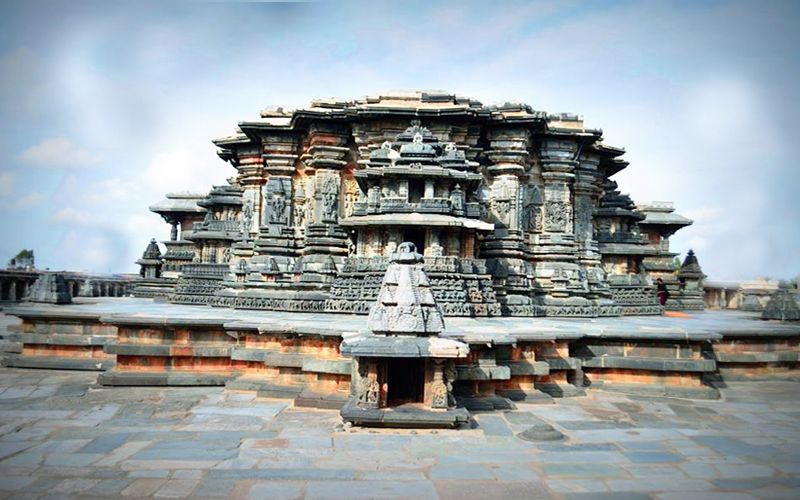
- Chennakeshava Temple, Belur: rare sculptures and the 1116 AD consecration tied to Vishnuvardhana’s victories
- Halebeedu’s Hoysaleshwara Temple: two Shiva shrines (Hoysaleshwara and Shanthaleshwara) plus carvings from Hindu epics
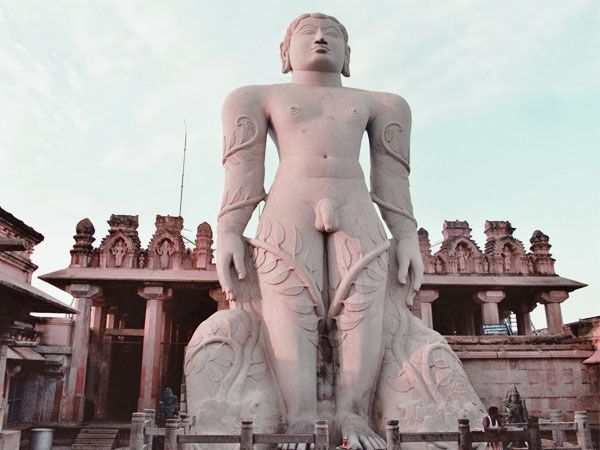
- Shravanabelagola’s Gomateshwara statue: Asia’s tallest monolithic stone statue of Lord Gomateshwara
- Bahubali shrine visit: a stop that adds the Jain meaning behind the monument
- Breakfast and lunch included: both meals are timed around temple breaks, not random food hunting
Belur, Halebeedu, Shravanabelagola: the Hoysala triangle
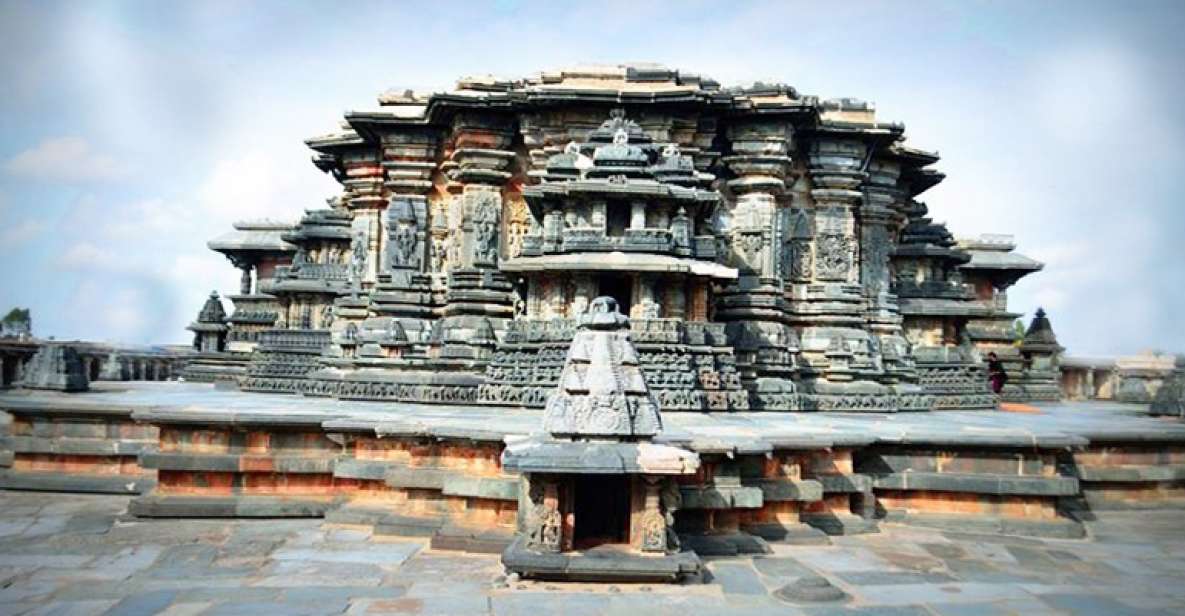
This day trip is built for people who like temples with details you can actually see and understand. Belur and Halebeedu are Hoysala-era showpieces, while Shravanabelagola adds Jain pilgrimage gravitas with the famous Gomateshwara figure.
What makes this circuit appealing is the contrast in design and focus. In Belur you’ll be looking for sculpture density and storytelling on walls. In Halebeedu you’ll notice twin-shrine layout and the way the temple complex turns mythology into stone. Then you pivot to Shravanabelagola, where the main event is one giant monolithic statue and the climb that gets you there.
You can also read our reviews of more tours and experiences in Bangalore.
Pickup at 6:30 and the long road out of Bangalore
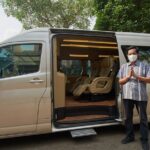
You’ll typically be picked up from your Bangalore hotel around 6:30 am by the chauffeur and guide. The tour runs as a private group, with hotel lobby pickup and hotel drop-off after the day.
Here’s the reality check: the sites are far enough that you should treat this as a long outing, not a quick grab-and-go. Even when the tour duration is listed at 11 hours, plan for long drive time and temple time that has to be carved out between traffic and travel. One person-friendly upside is that the drive is part of the experience: the countryside route gives you a break from city noise, and having a calm driver helps the day feel manageable.
If you’re someone who hates being rushed, this kind of structured day can work well because the stops are fixed. If you’re someone who wants frequent photo stops or long “wander and browse” time, you’ll need to pace yourself at each temple and accept that the itinerary keeps moving.
Yediyur breakfast then the climb toward Gomateshwara
After pickup and morning travel, you’ll reach the area near Yediyur village for breakfast. This matters more than it sounds. A temple day like this can stall fast if you’re hungry or you’re waiting for food at awkward times.
From there, you drive on to Shravanabelagola, a major Jain pilgrimage center. Your main goal here is the big one: the 57 ft Gomateshwara statue at the Manjunath Temple area. You’ll visit the shrine of Lord Bahubali as well, which shifts the focus from sightseeing to meaning.
One practical note: this is a temple day with stairs. At Shravanabelagola, you can expect a steep climb. In fact, one detailed account mentions about 1,600 steps carved into the rock face. If you’re traveling with knee issues or you want to go at a slower pace, build in extra time and don’t treat the steps as a quick walk.
Shravanabelagola’s Manjunath Temple and why Bahubali fits the story
Shravanabelagola isn’t just about one statue. The stop at the Manjunath Temple area frames the Gomateshwara visit in a larger religious setting, and the Bahubali shrine adds a clear theme: renunciation, self-control, and subduing ego as steps toward salvation.
That background helps your eyes when you’re on-site. Without it, you might see a huge figure and think, cool engineering. With it, you start noticing the statue as a symbol, not only a photo spot.
And yes, the views can be dramatic. A well-prepared traveler will bring water, wear supportive shoes, and plan for the fact that the climb is the main physical challenge of the whole day. When you reach the top, you’re not just rewarded with the statue’s scale, you also get breathing room to look slowly.
Belur’s Chennakeshava Temple: rare sculpture work you can actually trace
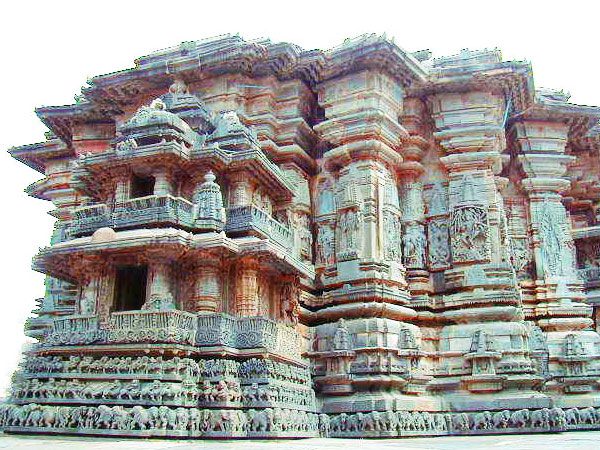
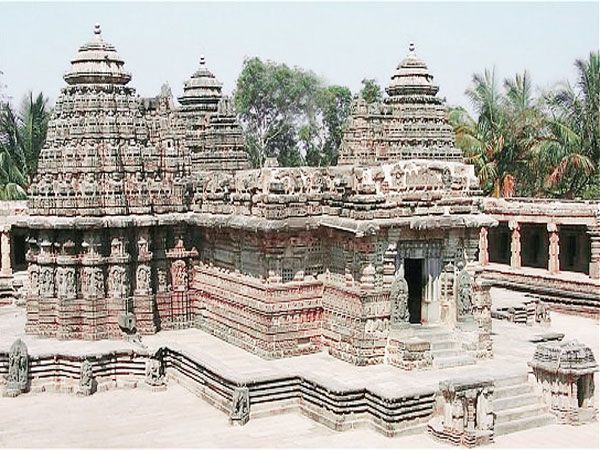
Next comes Belur in the Hassan district, and the centerpiece is the Chennakeshava Temple. This is a classic Hoysala standout. It’s also where you’re likely to feel the difference between looking at temples in passing versus having time (and explanations) to understand what you’re seeing.
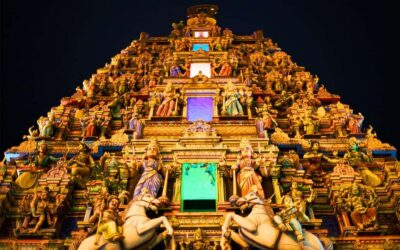
The big “why” here is the art. This tour is built around the rare sculptures at Chennakeshava, and that word matters because Hoysala temples are famous for dense, story-filled carving rather than just overall grandeur. If you take a slow route through the carvings, you’ll start “reading” the stone the way the makers intended.
Timing also helps. One reason Chennakeshava is worth prioritizing early is that you’re still fresh after breakfast and transit. If you go tired, you’ll rush the carvings and miss why they feel so special.
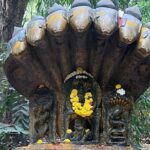
A concrete bit of history you’ll hear on-site: the temple was consecrated in 1116 AD by Hoysala King Vishnuvardhana, marking victories against the Cholas. That’s the kind of detail that turns a temple from an architectural object into a political and cultural moment.

Halebeedu’s Hoysaleshwara Temple: two shrines and a wall of stories
Then you move on to Halebeedu, the ancient Hoysala capital. You’ll hear the name meaning too: Halebeedu means ruined city, because it was ruined twice by the Moghul sultanate.
The main attraction is the Hoysaleshwara Temple, which has two shrines dedicated to Lord Shiva: Hoysaleshwara and Shanthaleshwara. That twin-shrine setup matters because you don’t just see one focal sanctum. You’re walking through a complex where symmetry and devotion reinforce each other.
What makes Halebeedu a must-see for many people is the wall carving program. The temple walls include carvings of deities from Hindu mythology and stories from major epics such as the Mahabharata and Ramayana, plus references to Puranas. If you like temples that act like visual textbooks, this is your stop.
One drawback to keep in mind: carving-packed spaces are sometimes harder to take in during heat or when you’re rushing. You’ll enjoy Halebeedu more if you give yourself permission to pause. Stand back for the overall layout, then step in for the smaller scenes.
Meals, timing, and temple-day comfort tips
This tour includes breakfast and lunch. Breakfast happens after you arrive near Yediyur, and lunch is served at a local restaurant after Shravanabelagola.
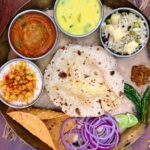
From what’s been described, breakfast can be a proper local meal stop, including dosa-style options. Lunch is also treated as a real meal rather than a quick snack, which helps you keep energy for the afternoon temple visit.
Bathrooms are the one comfort item you should plan for. One traveler specifically noted that bathrooms at temples can be rustic, and the practical takeaway is simple: bring travel tissue or a small pack of what you normally use. Also bring a small bottle of water and keep your phone charged enough for photos, because the day’s main moments are tied to specific viewing points.
Price and value for a private 11-hour temple circuit
The price is $165 per person for a private day trip. On paper, that can sound like a lot for three temples, but the value comes from the way the day is set up.
You’re paying for:
- Private hotel pickup and drop-off in Bangalore
- A chauffeur and the routing that gets you between Belur, Halebeedu, and Shravanabelagola
- On-the-ground interpretation through a live English guide (at least part of the day)
- Breakfast and lunch, so you’re not spending time and energy hunting for food between sites
So the question becomes: do you want interpretation, not just access? If you’re the type who loves to understand what you’re looking at, this kind of guided structure is usually worth it.
If you’re mostly there for photos and you’re comfortable reading on your own, you might feel the cost more. Still, the main sites here are popular for a reason, and the drive is long enough that having someone manage logistics is a real convenience.
Who should book this trip, and who might not love it
You’ll enjoy this tour if you:
- Love Hoysala architecture and want the carving details explained
- Want a single day that covers Belur + Halebeedu + Shravanabelagola without planning
- Are okay with a long day and can handle stairs at Shravanabelagola
You might not love it if:
- You have tight mobility limits, because the Shravanabelagola climb can be a serious stair session
- You need constant English narration at every stop, since some accounts describe situations where the English guide time didn’t match expectations, especially given the long one-way drive time
If you do book and you care about English coverage, the best move is to clarify upfront that you’ll have an English guide for the major temple time, not only part of the route. That single question can change your whole experience.
Final verdict: should you book?
I think this is a strong pick if you’re temple-first and you want the Hoysala story told in the place where it was carved. Chennakeshava gives you sculpture you’ll want to look at slowly, Halebeedu rewards people who like epic storytelling on stone, and Shravanabelagola delivers the kind of monument scale that stops you in your tracks.
Don’t book if you can’t handle a long driving day or you’re not comfortable with steep steps. If that’s you, consider a shorter, more focused option.
FAQ
What time do you get picked up in Bangalore?
Pickup is scheduled for early morning, around 6:30 am, from your hotel lobby.
How long is the tour?
The tour duration is listed as 11 hours.
Is the tour private?
Yes, it’s a private group.
Do I get hotel pickup and drop-off?
Yes. You’ll be picked up and dropped off at any Bangalore hotel.
What is the tour language?
The tour guide is listed as English.
Which temples and monuments are included?
You’ll visit Chennakeshava Temple in Belur, Hoysaleshwara Temple in Halebeedu, and the Gomateshwara statue at Shravanabelagola, plus the Bahubali shrine.
What makes Shravanabelagola special?
It’s a major Jain pilgrimage center and home to Asia’s tallest monolithic stone statue of Gomateshwara, located at the Manjunath Temple area.
How many steps are there at Shravanabelagola?
One account describes about 1,600 steps carved into the rock face for the climb.
Are breakfast and lunch included?
Yes. Breakfast is enjoyed after reaching the Yediyur village area, and lunch is served at a local restaurant during the day.
What’s the cancellation policy?
Free cancellation is offered up to 24 hours in advance for a full refund. The policy also lists no cancellation charges up to 30 days before tour, 25% charges for 29–10 days before, 50% for 9–3 days before, and no refund less than 3 days before.