REVIEW · KOCHI
Fortkochi Heritage Walking tour with a local guide
Book on GetYourGuide →Operated by Biju's Tours · Bookable on GetYourGuide
Fort Kochi only really clicks when someone local narrates the streets. This heritage walking tour with Biju (born and raised in Old Kochi) turns history into real, on-the-ground stories across Fort Kochi, Mattancherry, and Jew Town.
I especially love two things. First, the way Biju connects the dots between the Arab, Chinese, Portuguese, Dutch, and British footprints you can still see in the area’s architecture and daily life. Second, you get hands-on stops for working traditions like papadam and candle-making, plus ginger warehouses tied to Kochi’s spice trade legacy.
One watch-out: it’s a walking-focused route with 3–3.5 hours of walking plus short tuk-tuk rides. If you’re sensitive to heat or humidity, or you have mobility or health limits, you’ll want to plan carefully.
In This Review
- Why This Walk Works: Stories You Can Follow on Foot
- 5 Things You’ll Notice Right Away
- Meeting Point and How the 3-Hour Flow Feels
- Fort Kochi Streets: Colonial Edges and Cultural Crossroads
- Dutch Palace, Portuguese-Style Landmarks, and the Stops That Give Context
- Ginger Warehouses and the Spice-Trade Legacy You Can Actually See
- Dhobi Khana Laundry: Where Daily Life Shows Up in Plain Sight
- Chinese Fishing Nets: The Icon You’ll Understand Better
- Jew Town and Paradesi Synagogue: Community Stories, With Timing Rules
- Comfort, Clothing, and the Heat Reality
- Value Check: Why $25 Can Make Sense Here
- Who This Tour Fits Best
- Should You Book This Fort Kochi Heritage Walk?
- FAQ
- Where is the meeting point?
- What time should I arrive?
- How long is the tour?
- Is the tour led in English?
- What’s included in the price?
- What is not included?
- Which days can affect major sights?
- What should I bring and wear?
Why This Walk Works: Stories You Can Follow on Foot
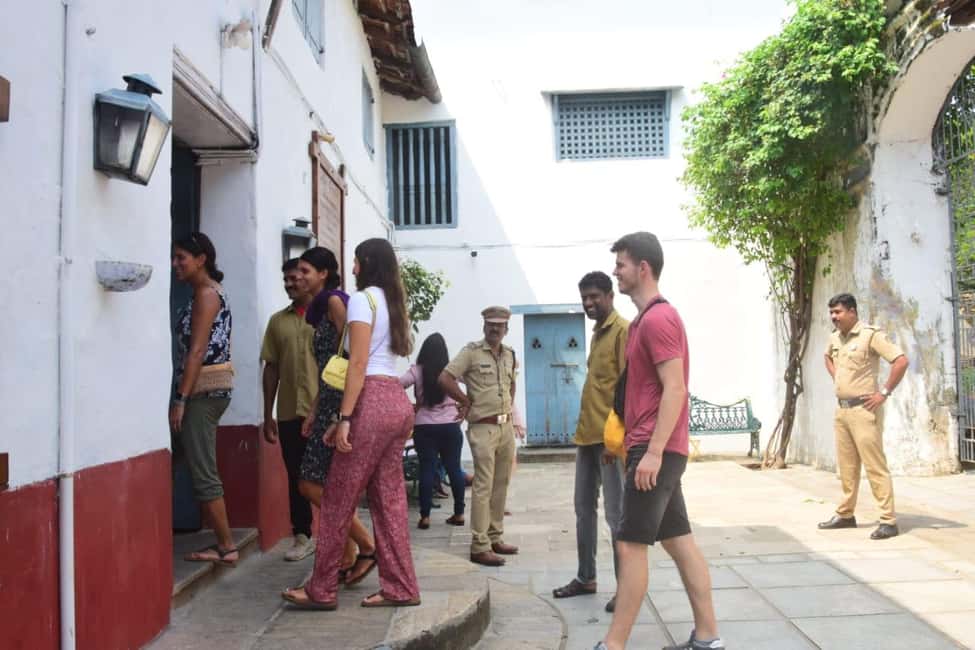
A good heritage tour in Kochi doesn’t just point at old buildings. It explains why the mix of cultures happened and what it changed—on the street, in food, and in routines people still follow.
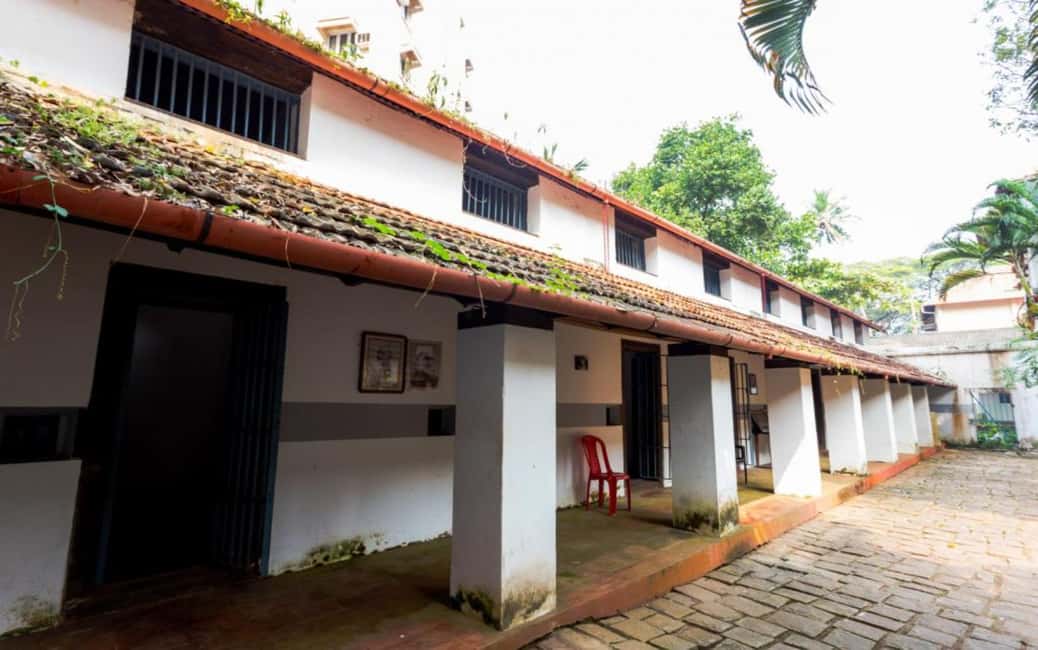
This tour is built around a storyteller guide from Old Kochi, which matters. When your guide knows the local rhythms—where people move, what’s usually open, which lanes are quieter—you spend less time guessing and more time understanding. Biju’s style also comes through in how he frames the colonial-era presence: Portuguese-style churches, the Dutch Palace area, and the freedom-fighters’ jail stop (when it’s open) are connected to Kochi’s role as a trading hub.
The route also mixes landmarks with “everyday Kochi.” You’re not only looking back at centuries; you’re seeing living practices like laundry operations at Dhobi Khana and the iconic fishing nets you can watch in action.
The result is a walk that feels like a guided tour, but with the pacing and curiosity of someone showing you their neighborhood.
5 Things You’ll Notice Right Away
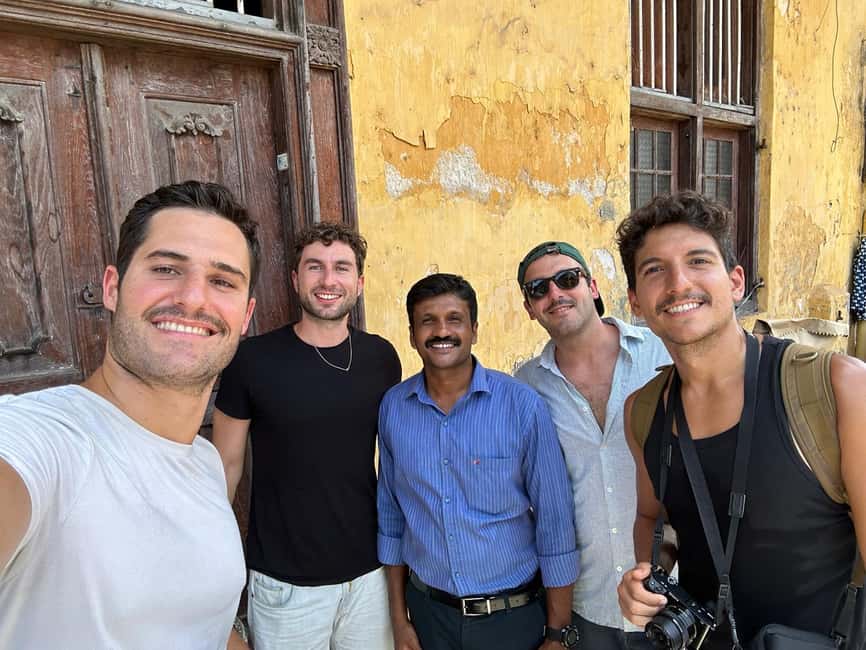
- Biju’s Old Kochi perspective: local storytelling that makes the walk feel personal, not scripted
- The colonial timeline made practical: Portuguese, Dutch, and other influences explained alongside what you can see
- Spice trade you can picture: ginger warehouses and spice processing-linked stops that explain the system, not just the legend
- Working food traditions: papadam-making and candle-making stops tied to daily life and local trade
- Jew Town with context: Paradesi Synagogue area (timing rules apply) plus stories of community ties
You can also read our reviews of more walking tours in Kochi

Meeting Point and How the 3-Hour Flow Feels

You meet your guide in front of Kashi Art Café on Burger Street, Fort Nagar, Fort Kochi (your guide will share exact details and contact info via WhatsApp or email before the tour). Arrive about 10 minutes early—your guide will ask your name so they can confirm everyone before you start.
The tour runs for about 3 hours. In real terms, you should expect a steady pace: the plan is a walking route with short tuk-tuk rides to link key areas. That’s useful because Fort Kochi, Mattancherry, and Jew Town are close enough to connect, but the walking can still add up fast once you factor in stops and photo breaks.
This matters for comfort. If your schedule is tight, the 3-hour mark is good. If you’re prone to overheating, the route timing can be the difference between enjoyable and tiring—especially in warmer months. One review noted the 2pm–5pm slot can get incredibly hot and humid in February, so I’d treat mid-day timing as a real variable.
Fort Kochi Streets: Colonial Edges and Cultural Crossroads

The heart of the experience is the heritage walk across Fort Kochi and nearby neighborhoods, guided as a story—not a checklist.
You’ll hear about how Kochi became a meeting point for different trading powers, and how their influence lingered. The tour is designed around the idea that Kochi’s European connections didn’t just mean forts and churches; they also shaped cuisine, customs, and what kinds of trade goods moved through the area.
Expect to spend real time outside, near structures tied to this era. You’ll walk in the shadows of colonial-era buildings, which is where the guidance helps most. Without context, you see architecture. With context, you start noticing details—styles, adaptations, and the way the local street life works alongside the older structures.
A standout element is the storytelling access. Multiple reviews mention Biju can take you to parts of the town that others cannot easily access. That’s a huge value-add. It usually means you spend less time circling the same postcard corners and more time seeing quieter lanes and lesser-seen angles.
Dutch Palace, Portuguese-Style Landmarks, and the Stops That Give Context

One of the included highlights is entry to the Dutch Palace (Mattancherry Palace). That’s a smart inclusion because it turns the Dutch influence from a vague idea into a place you can actually step inside.
The tour also references Portuguese-style churches and other colonial landmarks. The benefit of doing this with a guide is that you don’t just learn names—you understand what those powers were doing in Kochi and why their presence left visible marks.
Important timing note: Dutch Palace is closed on Fridays. If you’re booking a Friday, don’t panic—alternate sights are included—but you should be aware that the Dutch Palace portion may not run as originally described.
Also keep an eye on the “how long do we stay here” balance. The tour is only three hours, so the guide has to manage time between photo stops, short explanations, and working sites. That’s where a good guide makes the difference. Reviews consistently point to Biju’s ability to keep the pace moving while still giving you background that makes the architecture and scenes click.
Ginger Warehouses and the Spice-Trade Legacy You Can Actually See
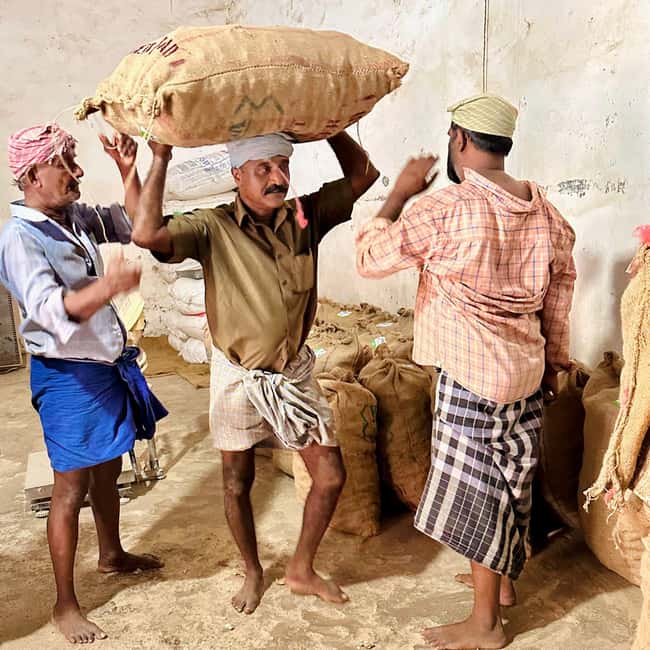
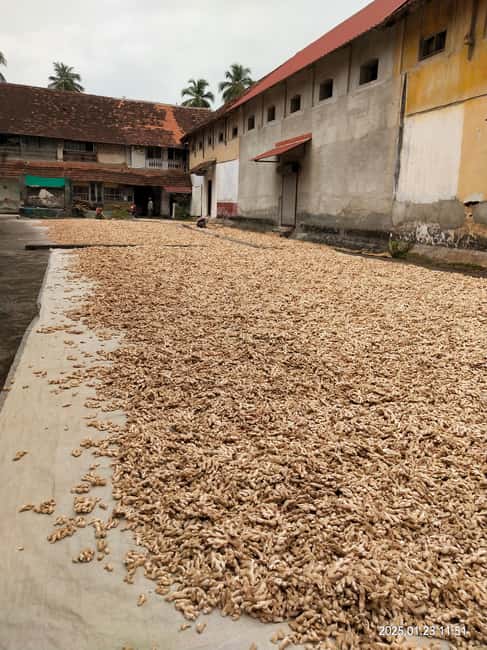
Kochi’s spice story can sound like a textbook until you connect it to buildings and processes. This tour makes that connection using stops tied to the trade—especially ginger warehouses and spice-related processing areas.
Why ginger warehouses? Because they’re tangible clues to what trading meant here. You’re not just hearing that spices were valuable. You’re seeing how goods were stored and managed, and you’re learning how spice routes shaped the city’s economy and relationships.
You’ll also get stops linked to traditional food production like papadam-making and candle-making units. These are excellent inclusions because they represent local craft and routine, not only trade commodities. It’s the difference between “spices were here” and “here’s how local work ties into the broader trade world.”
A nice extra: the tour is structured so you can learn while you walk. That keeps the experience from feeling like a museum day. You’re using your legs, which also helps you remember details—especially street-level facts about community life and trade-era change.
You can also read our reviews of more guided tours in Kochi





Dhobi Khana Laundry: Where Daily Life Shows Up in Plain Sight
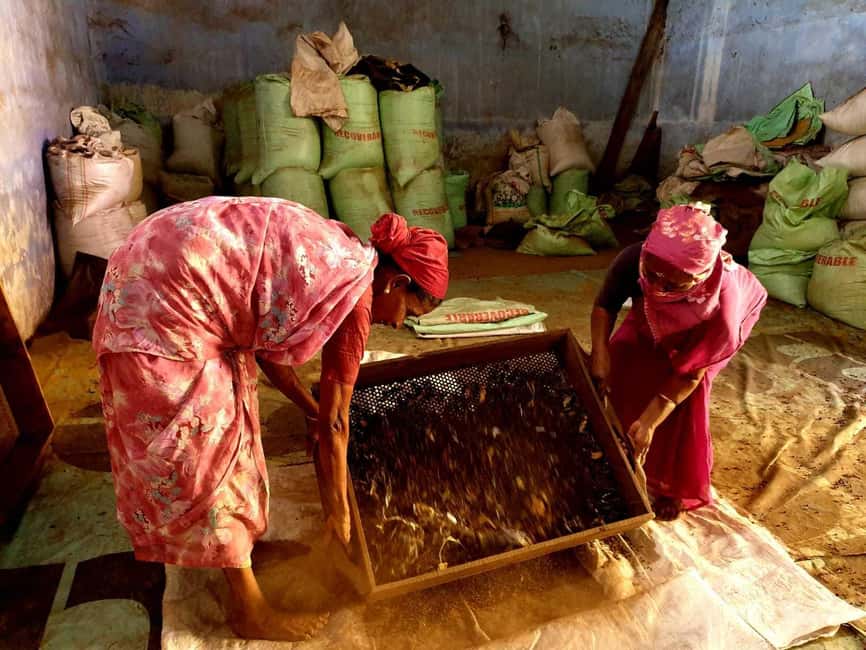
If you want Kochi beyond monuments, Dhobi Khana is one of the best targets on the route. The tour includes a stop connected to the Dhobi Khana open-air laundry, where everyday work continues in a very visible way.
This is valuable because it shows you how the city’s identity is still made through labor and routine. It also gives you a break from constant architecture scanning. Instead of chasing details on walls, you’re observing a living system: how laundry happens, who works where, and how the space functions in daily life.
One practical point: you’ll likely be standing and looking around for at least part of the time, and the area can be bright and active. Bring what’s listed—sunglasses, hat, sunscreen—and plan to keep water and shade in mind.
Also, since photography can be a big part of these scenes, think about respectful pacing. The tour isn’t just about seeing; it’s about learning how the place works.
Chinese Fishing Nets: The Icon You’ll Understand Better
The Chinese fishing nets are one of Kochi’s most recognizable images, but on your own they can still feel like a static photo stop. On this tour, you get the chance to see the nets in action at a close range as part of the walking route.
That’s a quality upgrade. Hearing the context while you watch the nets move makes the experience feel less like a sight and more like a process. It also connects back to the broader theme of cultural influence—this tour is explicitly designed around Arab, Chinese, Portuguese, Dutch, and British impacts, and the fishing nets fit that theme nicely.
If you time your photos wrong, you’ll miss the moment. Since the tour is only three hours, use the guide’s cues. They usually know when activity happens and when it’s quiet.
Jew Town and Paradesi Synagogue: Community Stories, With Timing Rules
Jew Town is where the tour gets emotionally specific. You’re walking into a part of Kochi tied to one of India’s oldest Jewish communities, and the route includes the Paradesi Synagogue.
What you’ll focus on here isn’t only the building. It’s the stories: peaceful coexistence and the relationship of the Jewish community with local royal circles (as described in the tour narrative). That context changes how you see the neighborhood. Instead of treating it as a separate stop, it becomes part of the broader pattern of Kochi as a port city built on contact.
Timing rules matter a lot:
- Paradesi Synagogue is closed on Friday afternoon, Saturdays, and on Jewish holidays.
- If it’s closed on your day, the tour includes alternate sights.
One review also mentioned a visit to a museum near the Jewish quarter, but since opening hours can vary, I’d treat any museum time as conditional rather than guaranteed.
Net effect: this is the part of the tour that often feels most “human.” If you like stories about coexistence and how minority communities lived in a trading port, this section will land.
Comfort, Clothing, and the Heat Reality
The tour gives a clear list for what to bring and wear:
- Comfortable shoes (you’re on your feet for most of the 3 hours)
- Sunglasses, hat, umbrella, sunscreen, insect repellent, scarf
There are also clear clothing rules:
- No short skirts
- No sleeveless shirts
That’s not just formality. In South Asian heritage areas, dress codes help everyone stay respectful and comfortable in small spaces and places of worship.
If you’re thinking about the best time to book, take the pacing seriously. One review called out that the 2pm–5pm window can be brutally hot and humid in February. If you’re visiting in hotter months, consider earlier starts when possible.
And if you’re worried about your body handling the route, this tour is not meant for everyone. It’s listed as not suitable for pregnant women, people with mobility impairments, wheelchair users, and it’s also not recommended for severe back problems or heart conditions.
Value Check: Why $25 Can Make Sense Here
At $25 per person for a 3-hour guided route, the question isn’t only whether it’s cheap. It’s what you get for the price.
You’re paying for:
- A local storyteller guide from Old Kochi
- A structured route through Fort Kochi, Mattancherry, and Jew Town
- Entry to Dutch Palace included
- A stop sequence tied to the spice trade (ginger warehouses and spice-linked areas)
- Artisan and daily-life stops like papadam-making, candle-making, and Dhobi Khana
- English-language guidance and a skip-the-ticket-line benefit (as stated)
When you add up the guide time plus the Dutch Palace entry, $25 starts to look less like “just a walk” and more like a well-priced cultural afternoon.
You do need to budget for what’s not included:
- Tuk-tuk transfer fees from Fort Kochi to Mattancherry (short rides are part of the plan, but transfer fees are noted as optional/not included)
- Synagogue entrance fees (explicitly not included)
- Lunch/snacks
- Personal purchases
My take: if you’re the type who likes to learn while moving and you want a guided route that ties architecture to trade and daily life, this price is fair. If you’d rather do everything independently and you don’t care about guided interpretation, then any guided tour cost feels harder to justify.
Who This Tour Fits Best
This works especially well if you:
- Want a guide who can explain why Kochi looks the way it does
- Enjoy culture that includes craft work and daily routine (papadam, candles, laundry)
- Like historical trade connections and community stories
- Prefer a small-group or private setting with room for questions (the format is described that way)
It’s less ideal if you:
- Need full wheelchair access or have significant mobility limitations
- Don’t tolerate heat well
- Are looking for a mostly indoor museum day
Should You Book This Fort Kochi Heritage Walk?
Book it if you want a guided walk that gives you context you can’t easily pull from signs. The biggest reasons: Biju’s Old Kochi storytelling, the fact that the route includes working craft and daily-life stops, and the way the tour connects the big colonial powers to what you see on the street.
Skip it or choose a different day if your schedule hits Friday for Dutch Palace closure or Friday afternoon/Saturday for Paradesi Synagogue timing. Since alternate sights are included, you won’t be shut out completely, but your ideal itinerary changes.
If you like practical travel: comfortable shoes, sun protection, and a willingness to walk for a few solid hours will make this tour feel worth every rupee and every minute.
FAQ
Where is the meeting point?
Meet your guide in front of Kashi Art Café in Fort Kochi, at Burger Street, Fort Nagar, Fort Kochi, Kerala 682001, India.
What time should I arrive?
Arrive about 10 minutes before the tour start time so the guide can confirm your name.
How long is the tour?
The tour lasts about 3 hours, with a mix of walking and short tuk-tuk rides.
Is the tour led in English?
Yes, the live guide speaks English.
What’s included in the price?
The price includes the guided walking tour, storytelling stops through Fort Kochi, Mattancherry, and Jew Town, entry to Dutch Palace (Mattancherry Palace), a visit to Freedom Fighters’ Jail if it is opened, and stops at spice warehouses and artisan units such as papadam-making, candle-making, and laundry.
What is not included?
Not included are tuk-tuk transfer fees from Fort Kochi to Mattancherry, synagogue entrance fees, lunch or snacks, and personal purchases.
Which days can affect major sights?
Dutch Palace is closed on Fridays. Paradesi Synagogue is closed on Friday afternoon, Saturdays, and on Jewish holidays. Alternate sights are included on those days.
What should I bring and wear?
Bring comfortable shoes, sunglasses, a hat, umbrella, sunscreen, insect repellent, and a scarf. Avoid short skirts and sleeveless shirts.